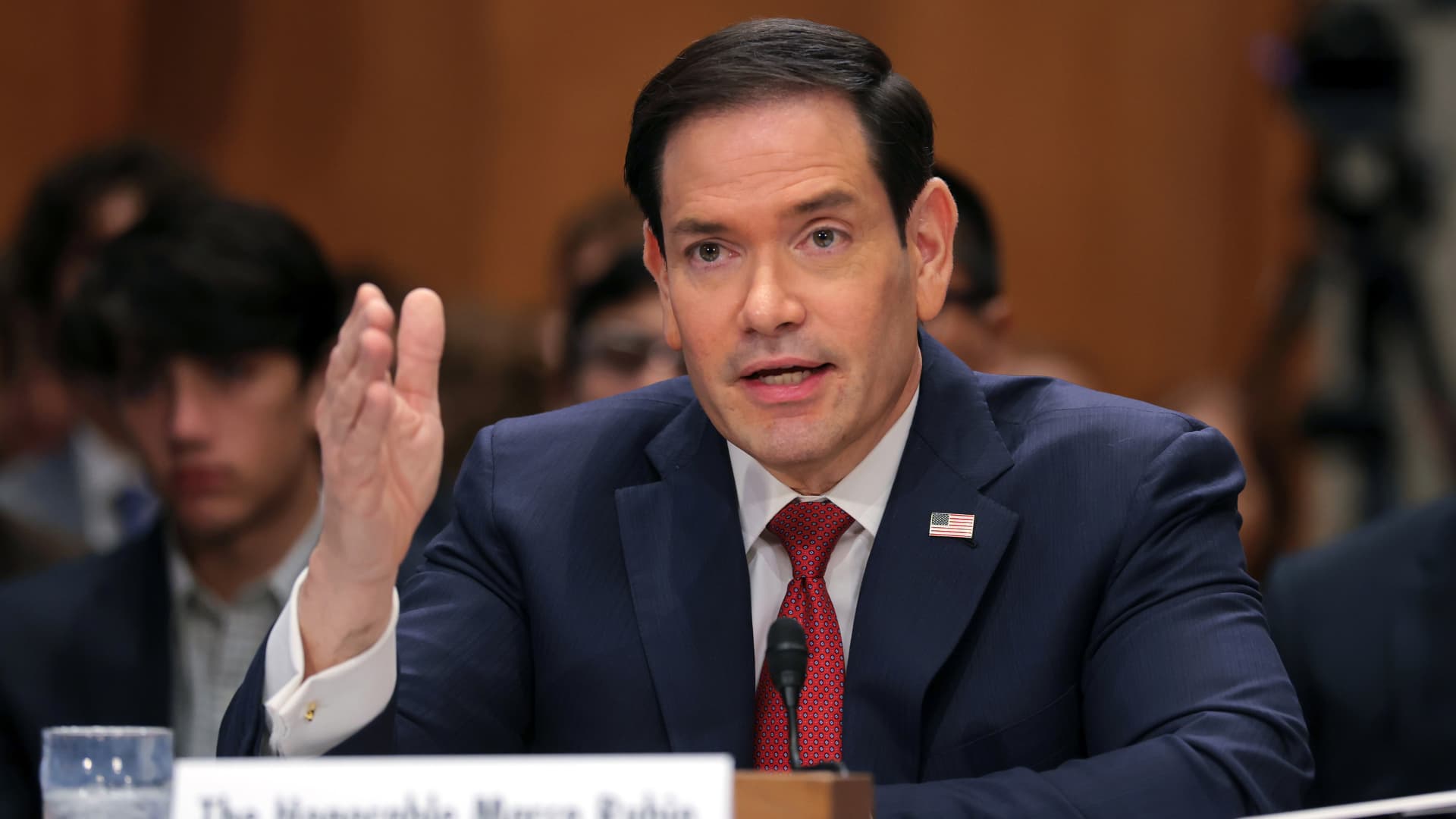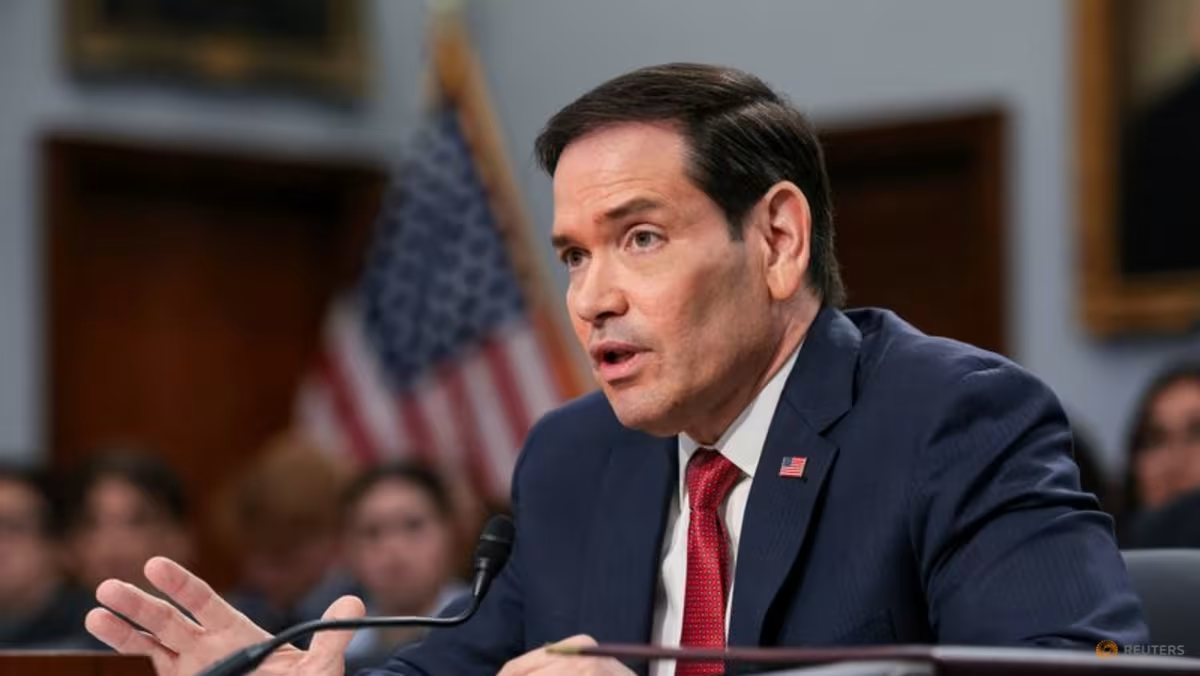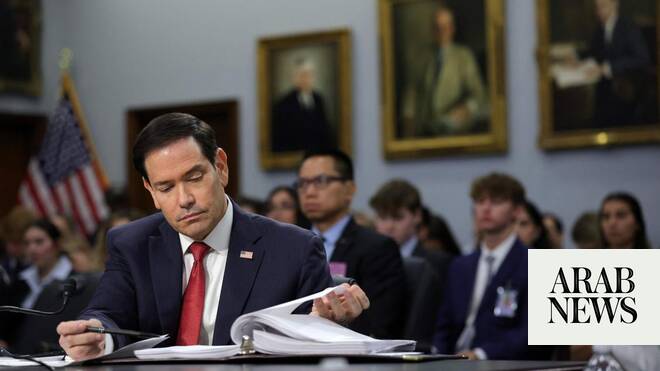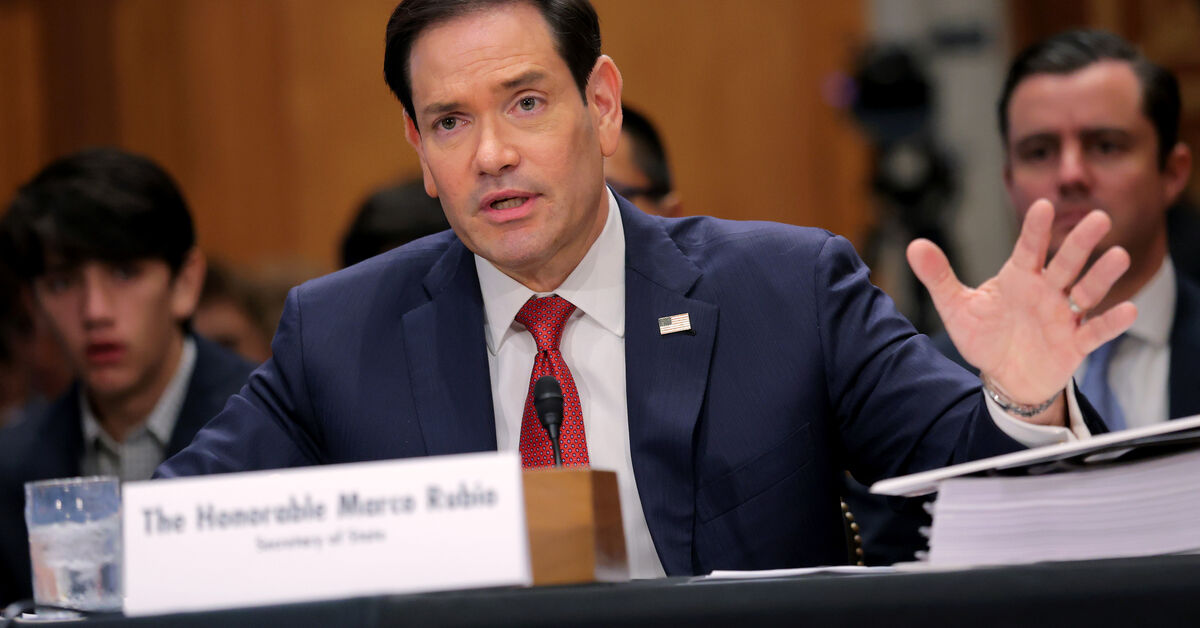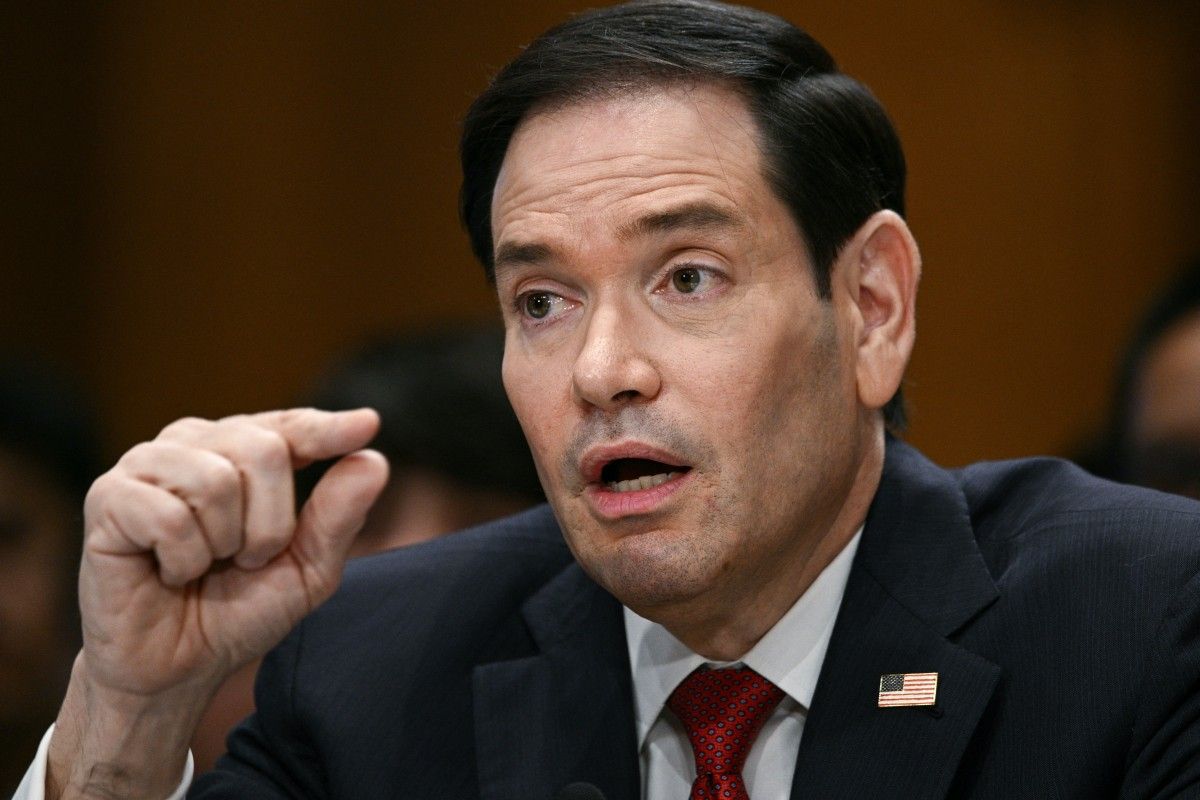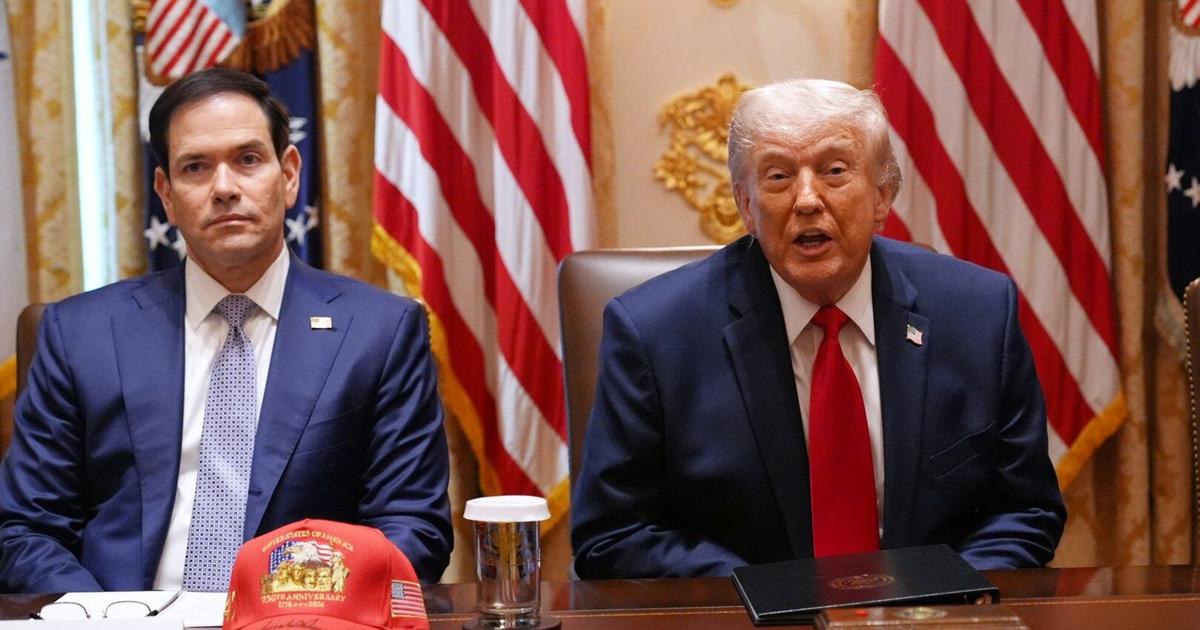
US President Donald Trump has insisted the war would be worthwhile if it prevents Iran from obtaining a nuclear weapon.Follow us on GoogleUS Secretary of State Marco Rubio testifies during a Senate Foreign Relations Committee hearing conerning the fiscal year 2027 budget for the State Department, on Capitol Hill in Washington, DC, on June 2, 2026.(photo credit: Brendan SMIALOWSKI / AFP via Getty Images)ByREUTERSJUNE 2, 2026 18:07US Secretary of State Marco Rubio told lawmakers on Tuesday that Iran had agreed to negotiate aspects of its nuclear program that it previously refused to discuss, but he said that was not a guarantee that talks would lead to a deal to end the US-Israeli war on Iran.He added that the Trump administration has not offered Iran sanctions relief in exchange for opening the Strait of Hormuz, and said any sanctions relief would be based on Tehran meeting conditions relating to its nuclear program.Members of the US Senate and House of Representatives get a rare chance this week to question Rubio in public about US President Donald Trump's foreign policy, as his fellow Republicans have been showing signs of concern about the Iran war.Rubio, who also serves as Trump's national security adviser, testified on the State Department's budget request to the Senate Foreign Relations Committee on Tuesday morning. He was to appear again before the House of Representatives Foreign Affairs Committee and House and Senate appropriations subcommittees over two days.The Trump administration is seeking congressional approval for its proposed 30% cut to the foreign affairs budget, as it seeks a 50% increase in military spending.An aide speaks to US Secretary of State Marco Rubio as he prepares to testify during a Senate Foreign Relations Committee hearing in the Dirksen Senate Office Building on June 02, 2026 in Washington, DC. (credit: Anna Moneymaker/Getty Images)Rubio was a senator from Florida until January 2025, and lawmakers said they hoped their former colleague would spell out a strategy for ending the Iran conflict, which started with strikes by the US and Israel on February 28.Rubio has joined other top administration officials in speaking to members of Congress about the Iran war behind closed doors, but has not testified publicly about the conflict.Democratic senator criticizes RubioSenator Jeanne Shaheen, the top Democrat on the Foreign Relations Committee, blasted Rubio for failing to provide Congress with information about the administration's plans."When I talk to my constituents, they asked for economic relief at home, not regime change in Havana or Caracas or Tehran," she said."Instead, you sent Congress a war powers notification saying we are not in active hostilities with Iran, while the US was conducting strikes against Iran, and Iran was bombing US embassies and bases throughout the Middle East. That was not consultation, it was an attempt to avoid answering to this committee and this Congress about this war."Americans have voiced mounting frustration over rising prices, and Trump's fellow Republicans hope he can get the Strait of Hormuz reopened and lower US gasoline prices before the November elections that will decide whether the party retains its slim majorities in Congress.Trump must also contend with Iran hawks in his party who oppose any concessions to Tehran.Trump and his supporters insist the war would have been worthwhile if it had kept Iran from obtaining a nuclear weapon. Trump also insists that gasoline prices will come down and has insisted for weeks that he will reach a good deal to end the conflict.Rubio told senators Iran had intended to build up its conventional weapons capabilities as a "shield" for its nuclear program. "What they tried to do is they were going to try to build a conventional shield and hide behind that conventional shield," he said, spelling out why Trump felt it was imperative to launch the war.Lawmakers, including some of Trump's fellow Republicans, have also asked for more information from the administration about its strategy on Iran and other foreign policy priorities.Trump war powers voteLast month, the US Senate voted to advance a war powers resolution that would end the Iran conflict unless Trump obtains Congress's authorization. Days later, House leaders abruptly postponed a vote on a similar resolution when it looked likely to pass.Members of Congress have said they want more information about Venezuela, after Trump sent US forces to seize Venezuelan President Nicolas Maduro on January 3, given that Maduro's number two has been serving as Venezuela's acting president, and there are no current plans for elections.They said they also have questions about US forces firing on boats off Venezuela's coast since September, in a campaign the administration says is intended to stop "narco-traffickers" that have killed more than 200 people.There have also been questions about Trump's plans for Communist-controlled Cuba, amid growing concerns about a possible US military attack as his administration increases pressure on the island, and about an outbreak of the deadly disease Ebola in Africa.Follow us on Google
US lawmakers grill Marco Rubio as Iran war enters fourth month | The Jerusalem Post
US President Donald Trump has insisted the war would be worthwhile if it prevents Iran from obtaining a nuclear weapon.
TL;DRAI
Rubio told Congress Iran agreed to negotiate nuclear aspects previously refused, but talks don't guarantee ending the four-month war. For tech managers, escalating Middle East tensions threaten Strait of Hormuz energy transit, directly constraining supply chains and forcing geopolitical risk hedging.
813 words~4 min read