Published June 2nd, 2026 - 02:56 GMT
Highlights
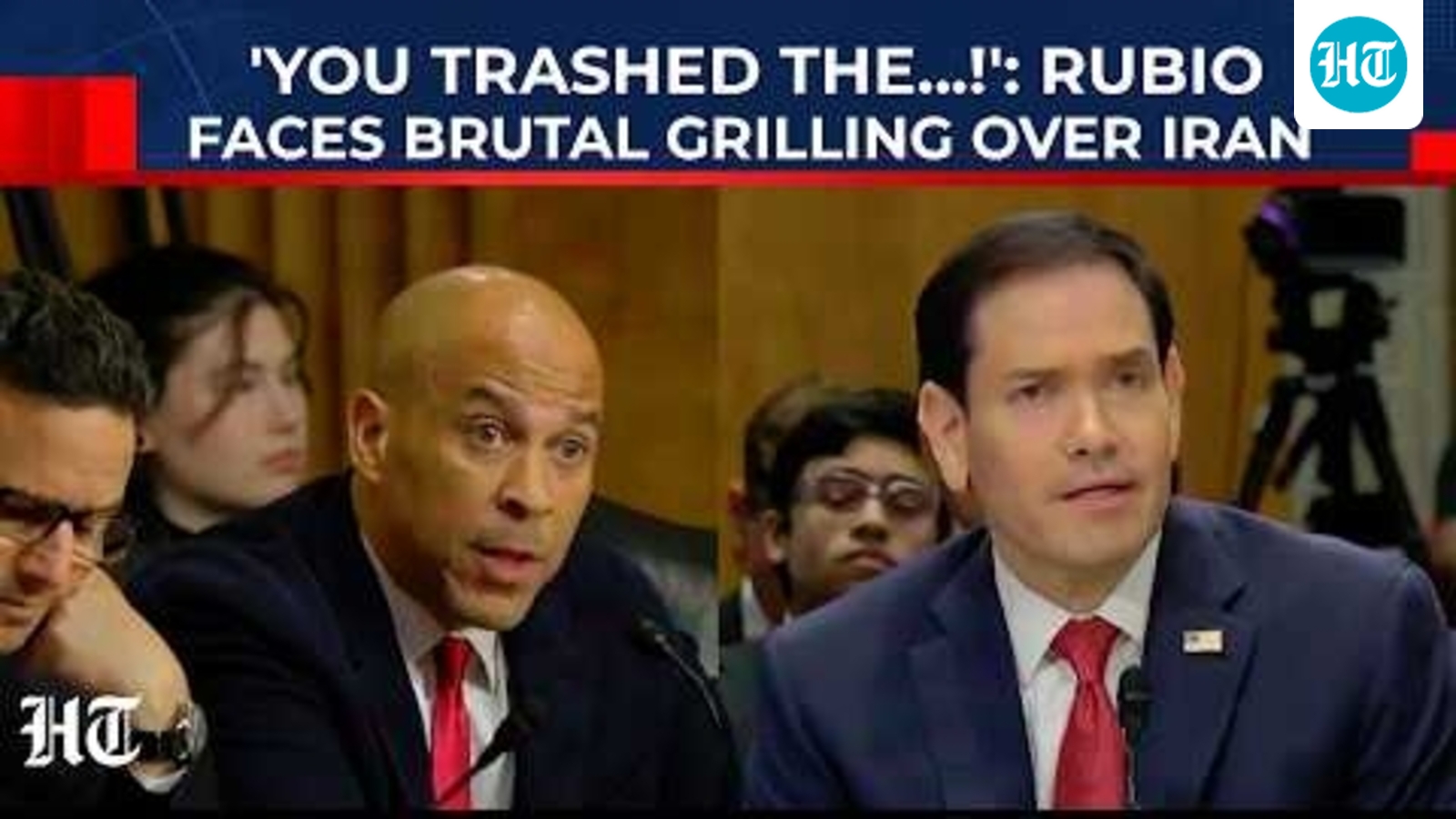
Members of Congress from both parties pressed Rubio on the administration’s long-term strategy. Democrats questioned why military action proceeded without prior congressional authorization and warned of the humanitarian and economic consequences
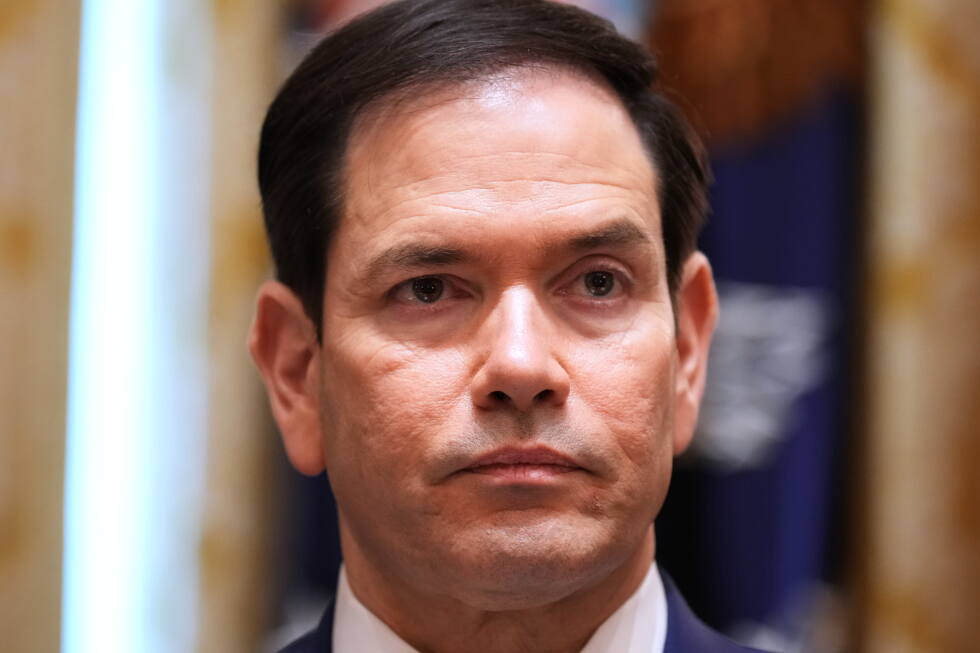
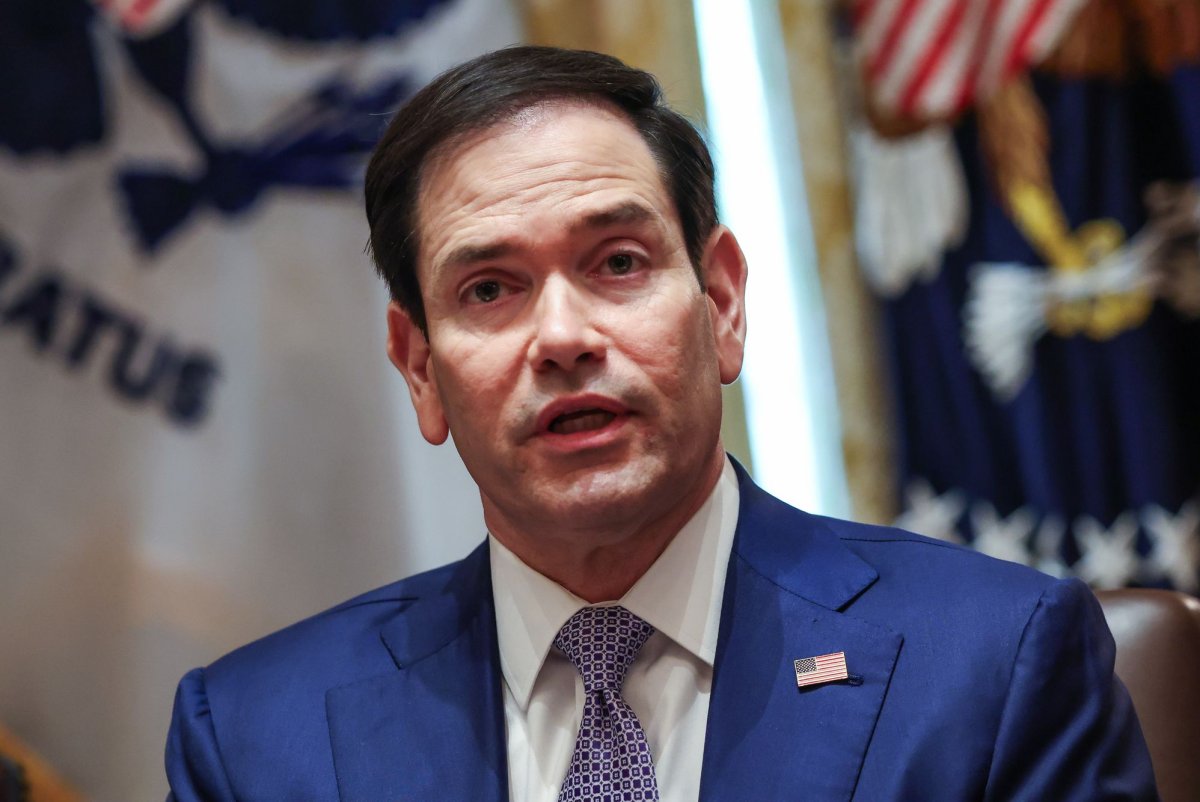
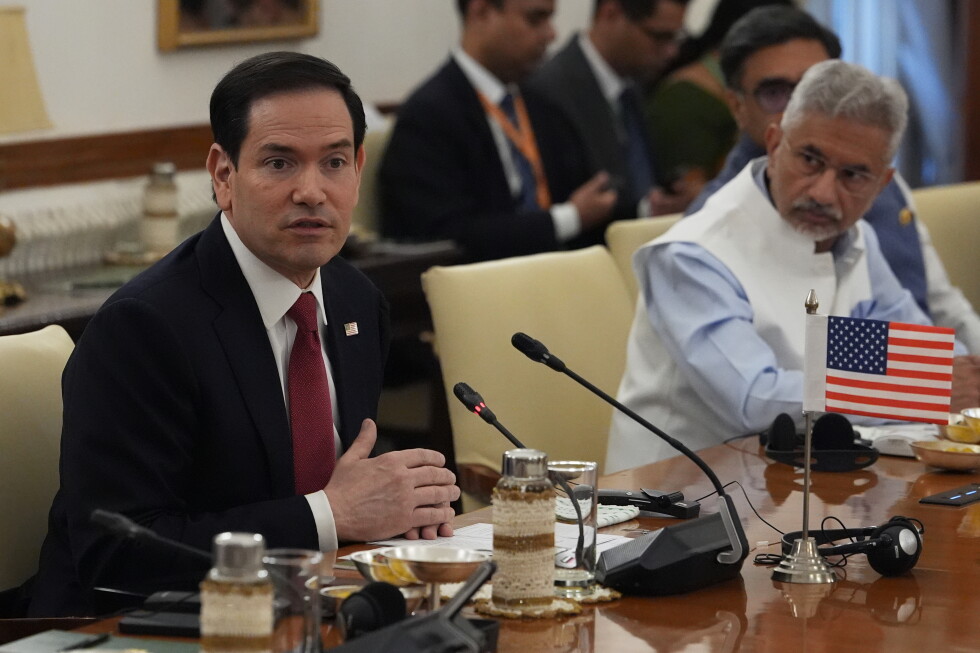
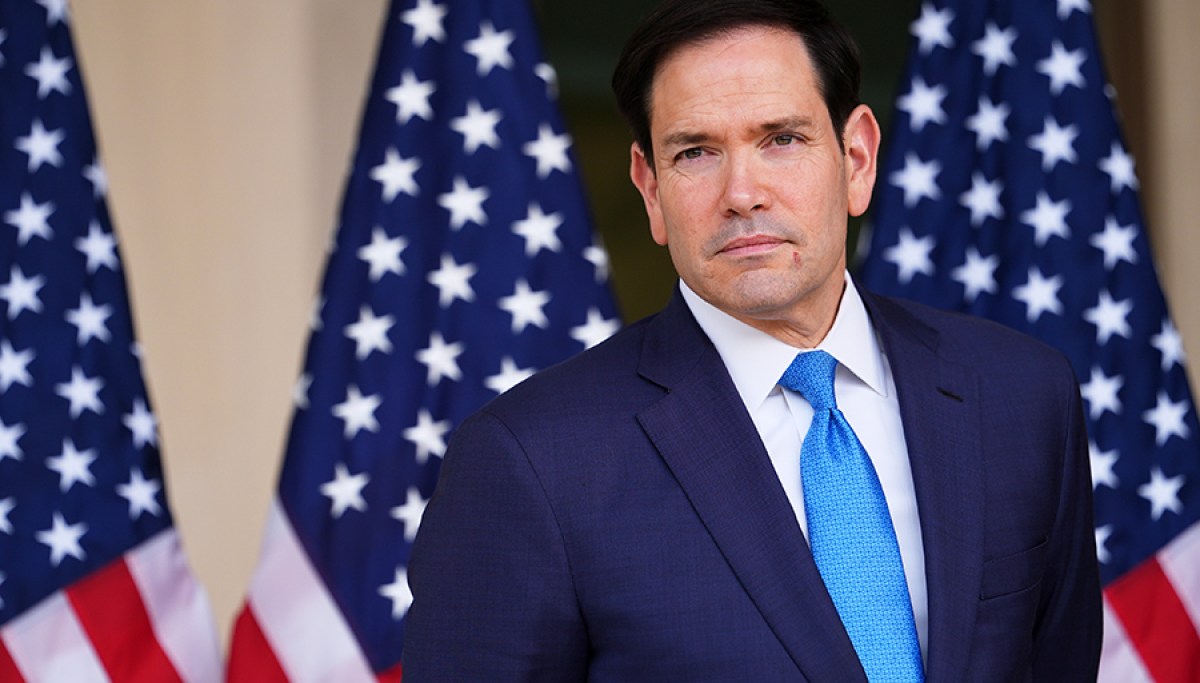
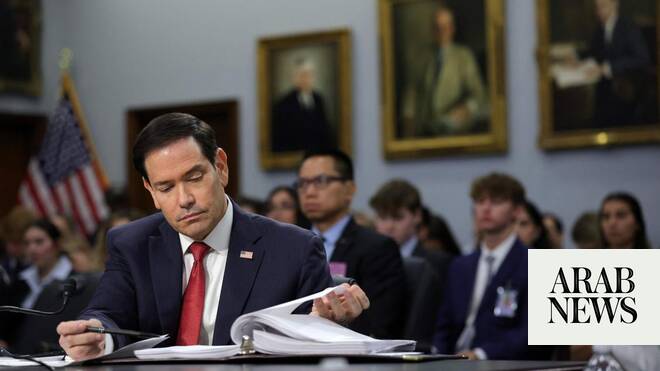
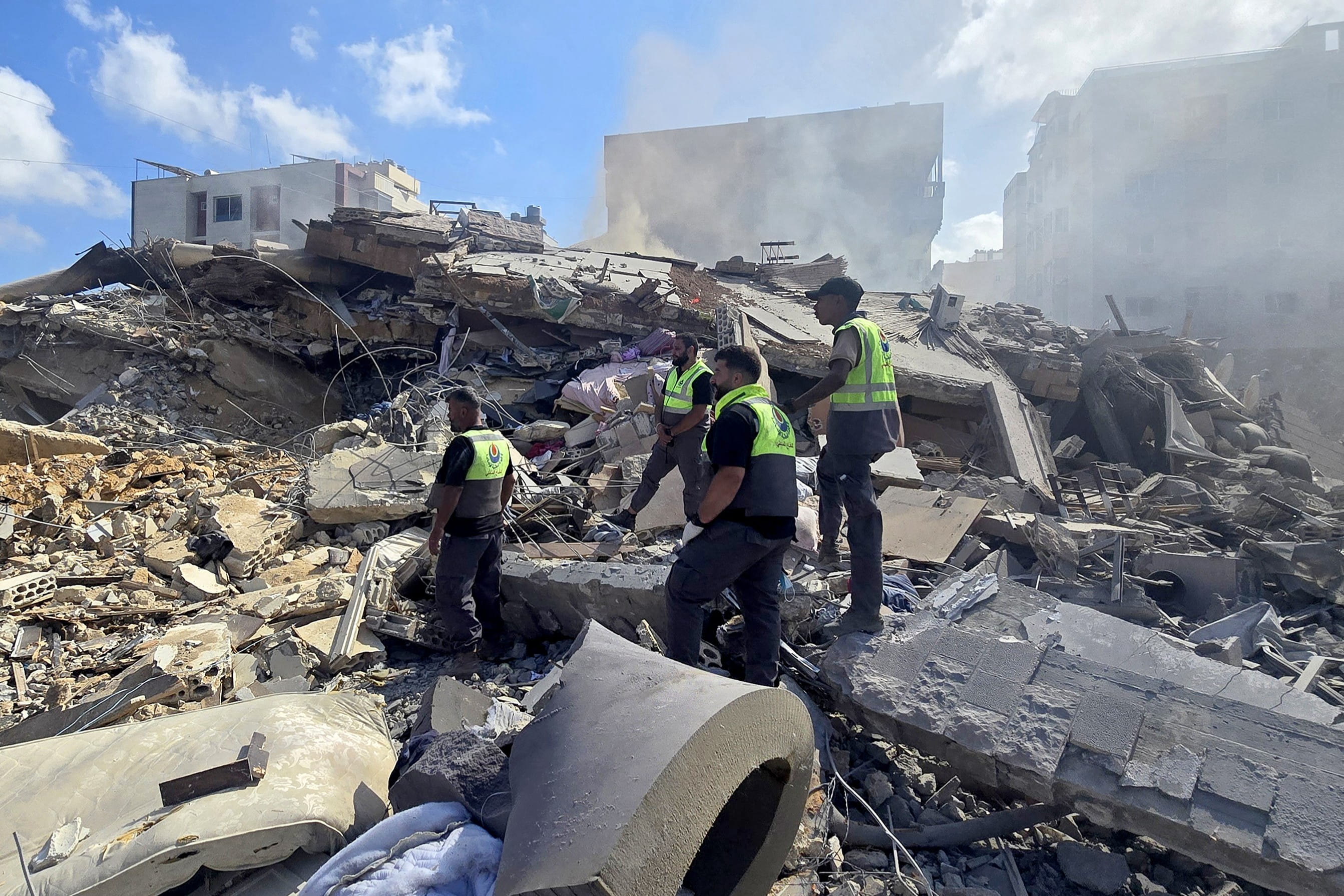
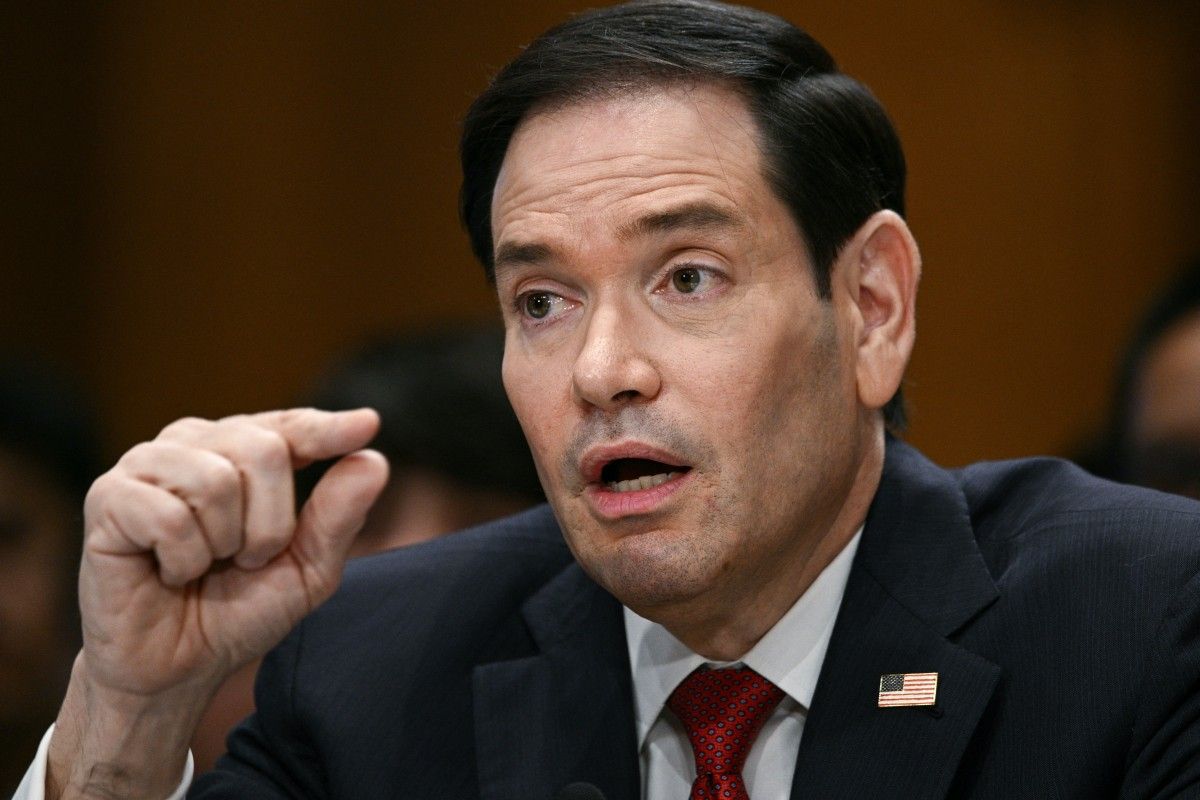
ALBAWABA- U.S. Secretary of State Marco Rubio faced lawmakers on Capitol Hill on Tuesday for the first time since the United States entered the conflict with Iran, using a series of congressional hearings to defend both the administration’s military actions and its diplomatic efforts to prevent a wider regional war.Rubio appeared before the Senate Foreign Relations Committee and later the House Appropriations Committee, where he was expected to make the case for the State Department’s nearly $36 billion budget request for fiscal year 2027. Yet much of the discussion centered on the administration’s handling of the Iran crisis and the uncertain path forward.The hearings unfolded as a fragile ceasefire between the United States, Israel, and Iran continues to hold despite repeated violations and mounting tensions. Lawmakers questioned Rubio on the rationale behind the U.S. military campaign against Iran, its legal basis, the financial and strategic costs of the conflict, and whether a lasting diplomatic solution remains within reach.Defending the administration’s actions, Rubio said the decision to join Israeli strikes against Iranian nuclear facilities, missile infrastructure, and senior leadership was driven by security concerns and the need to protect U.S. forces and regional allies. He argued that the operation significantly weakened Iran’s military capabilities and helped secure international shipping routes through the Strait of Hormuz, a vital artery for global energy supplies.While acknowledging that the most intense phase of the conflict has ended, Rubio stressed that the United States remains prepared to respond to any renewed threats. At the same time, he pointed to ongoing diplomatic efforts, including Pakistan-mediated talks aimed at preserving the ceasefire and creating a framework for broader negotiations.According to Rubio, discussions have focused on reopening the Strait of Hormuz to normal maritime traffic, exploring limited sanctions relief, and reviving nuclear negotiations under strict conditions designed to prevent Iran from advancing its enrichment activities.The secretary’s appearance came amid growing concern that the ceasefire brokered in April may be losing momentum. Recent encounters involving vessels linked to Iran’s Islamic Revolutionary Guard Corps (IRGC) and subsequent U.S. defensive strikes have fueled fears that the conflict could reignite.Members of Congress from both parties pressed Rubio on the administration’s long-term strategy. Democrats questioned why military action proceeded without prior congressional authorization and warned of the humanitarian and economic consequences of a prolonged confrontation. Many Republicans, however, voiced support for the operation, describing it as a necessary response to a persistent security threat.