(Image credit: Tom's Hardware)
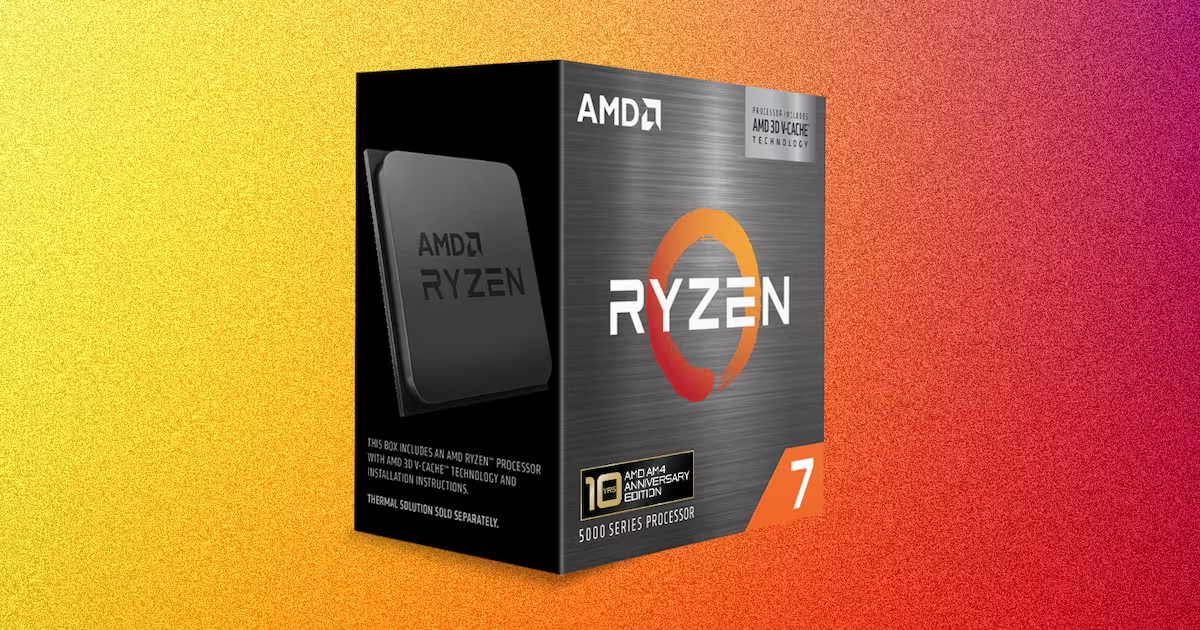
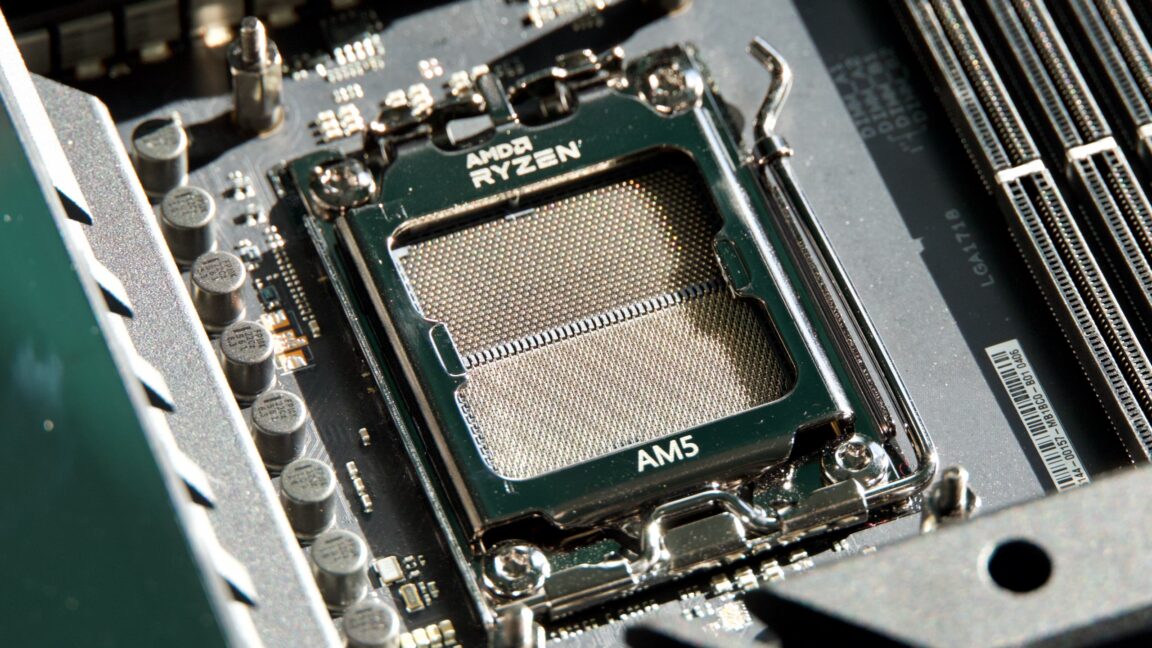
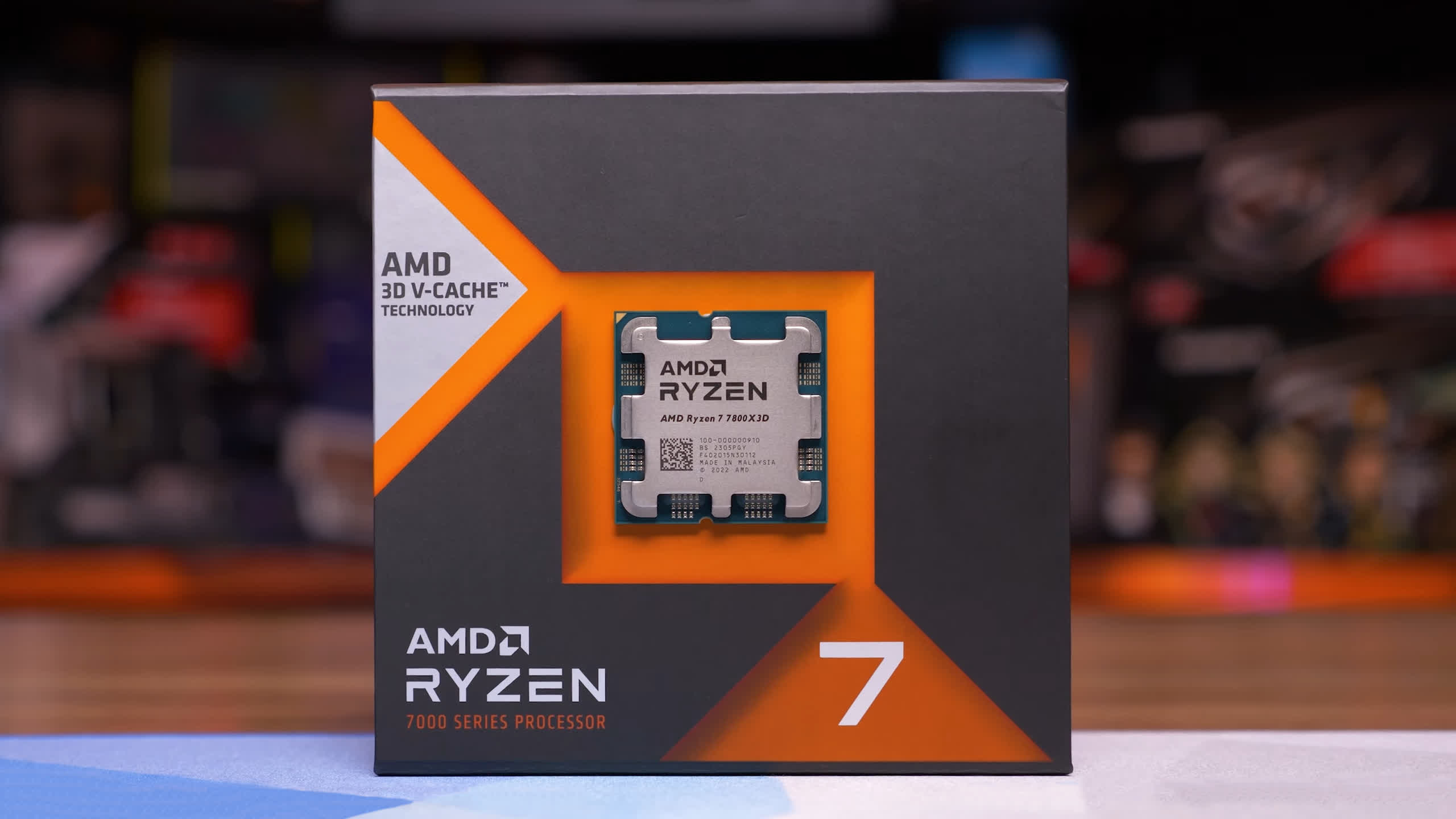
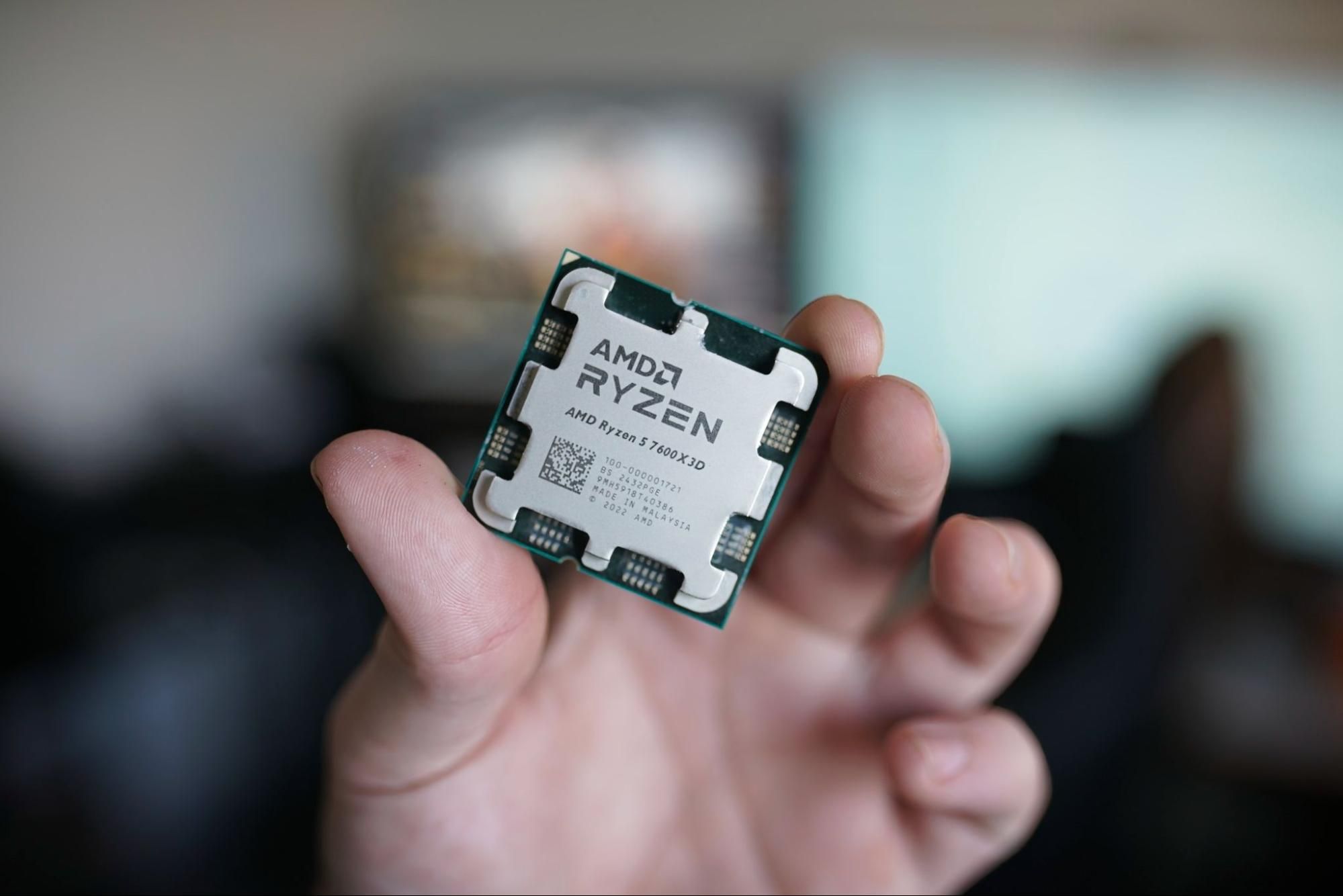
AMD just launched the Ryzen 7 7700X3D, which is a strange entry in AMD’s AM5 lineup given that it’s built on the Zen 4 architecture rather than Zen 5. We asked AMD’s David McAfee, VP and general manager of Ryzen and Radeon, at Computex 2026, why the company went with Zen 4 over a six-core Zen 5 part. After all, we’ve seen the six-core Ryzen 5 7600X3D but not a Zen 5 replacement. McAfee told us that “may be something that we look at doing… later this year.”Go deeper with TH Premium: CPU“I think as we go through the rest of this year, I mean we're always looking for ways to, you know, create as many options as we can, and that may become… maybe something that we look at doing as a runway product later this year, simply because you know we know the pressures that are there in building systems aren't going away anytime soon,” McAfee told Tom’s Hardware. A lot of hedging is required here because McAfee didn’t confirm that the Ryzen 5 9600X3D is in development, nor that it will, for sure, come this year. But it’s clearly something AMD has thought about, and the decision not to release a six-core part at this time came down to more than die allocation.“The 7600X3D, that has been more of a limited run product, where it really isn’t, you know, day-in day-out available from all of our partners,” McAfee said. “From a supply standpoint, I’m not going to say it’s more difficult to make, but one that doesn’t naturally occur as much as an eight-core product. So, we have been a little bit more selective with how we’ve used the six-core products.”Broadly, however, McAfee says the decision to release the Ryzen 7 7700X3D came down to a preference from gamers for an eight-core chip, despite recognizing that “the difference between eight cores and six cores isn't huge in terms of gaming,” at least across a broad range of titles. Certain games will see a performance loss with six cores as opposed to eight, but they’re few and far between.We saw that in action in our recent review of the Ryzen 5 7600X3D, in fact. Despite being nearly two years old, the chip holds up surprisingly well in today’s market at its $230 price on Amazon ($200 in-store at Micro Center). In our testing, the Ryzen 5 7600X3D is just 4.5% slower than the Ryzen 7 7800X3D on average, despite sporting a massive cut to TDP, two fewer cores, and less cache.Given the context of six-core X3D parts more broadly, if AMD decides to introduce the Ryzen 5 9600X3D, it likely won’t be a far-reaching chip like the eight-core parts are. The Ryzen 5 7600X3D remains a Micro Center exclusive chip, though the retailer recently started selling directly on Amazon, opening up availability for enthusiasts that don’t have a physical retail location nearby.Get Tom's Hardware's best news and in-depth reviews, straight to your inbox.That has vastly lowered the barrier to entry with X3D CPUs, especially as Zen 3 options have dried up in the market. Prior to the Ryzen 5 7600X3D showing up online, you’d have to spend at least $350 (and likely more) to get an X3D CPU. The Ryzen 7 7700X3D pushes that entry point down further at its $330 suggested retail price. However, an eight-core part, assuming a similar price range between $200 and $250, would push that barrier to entry even lower.McAfee recognizes how that could benefit gamers in this supply-constrained environment of high memory and storage prices, pointing to the benefits of a large L3 cache when running slower, or even single-channel, memory.