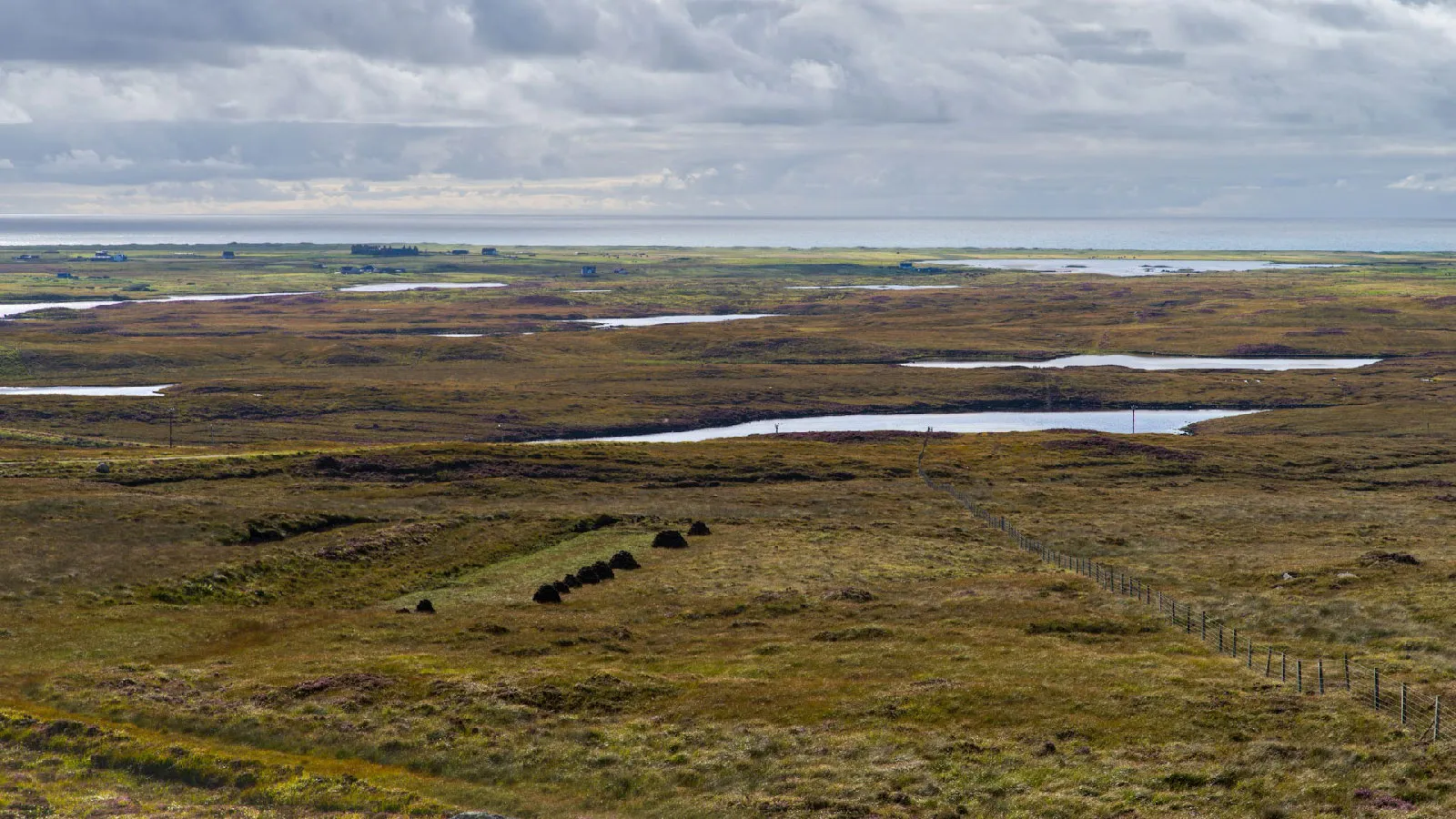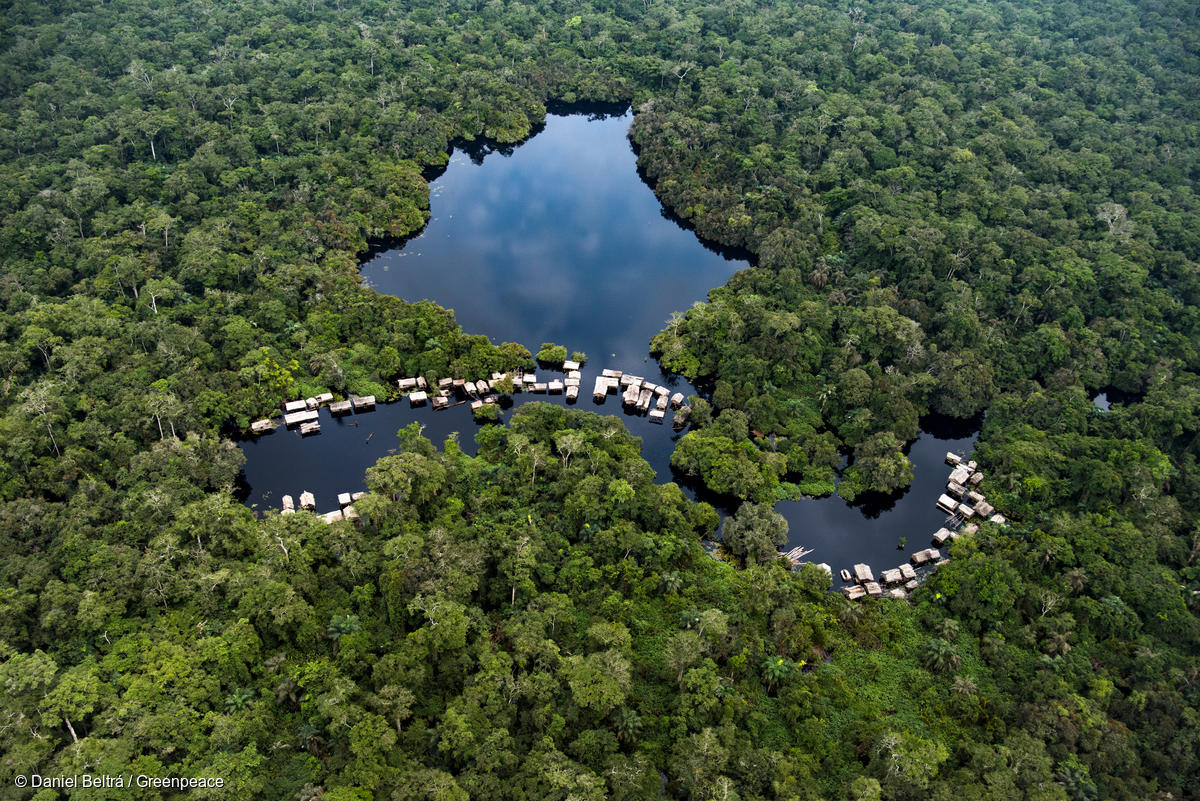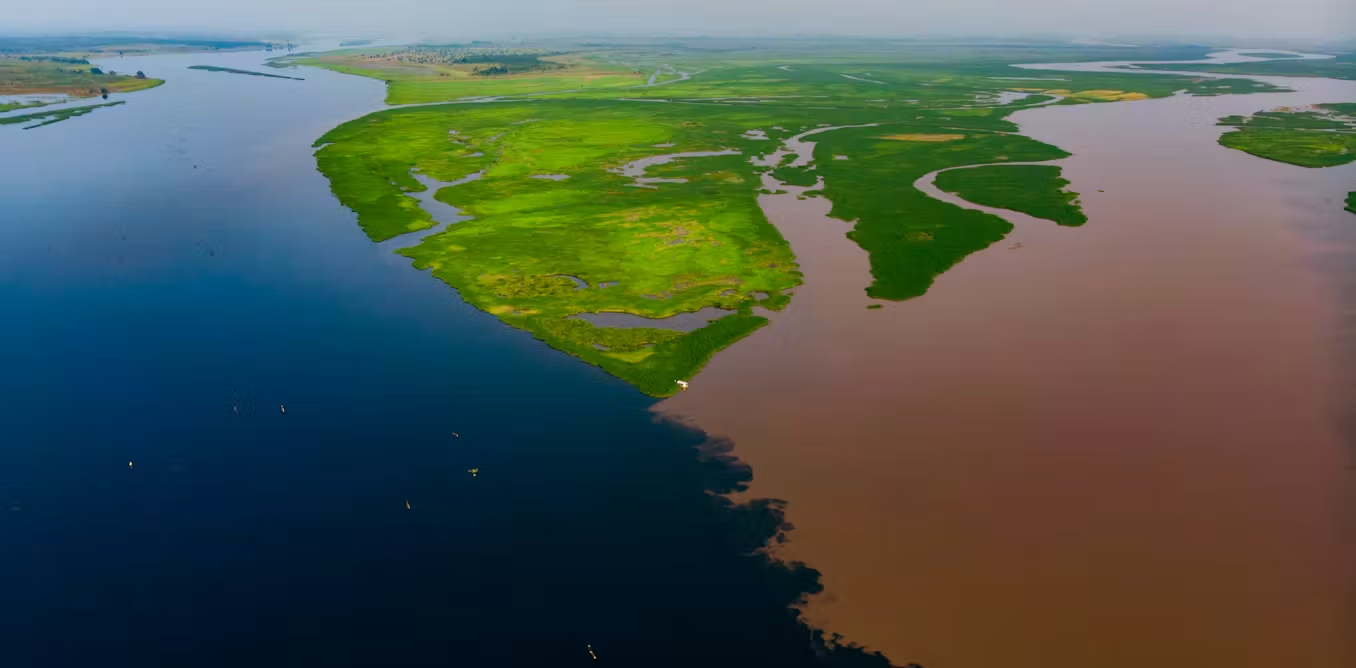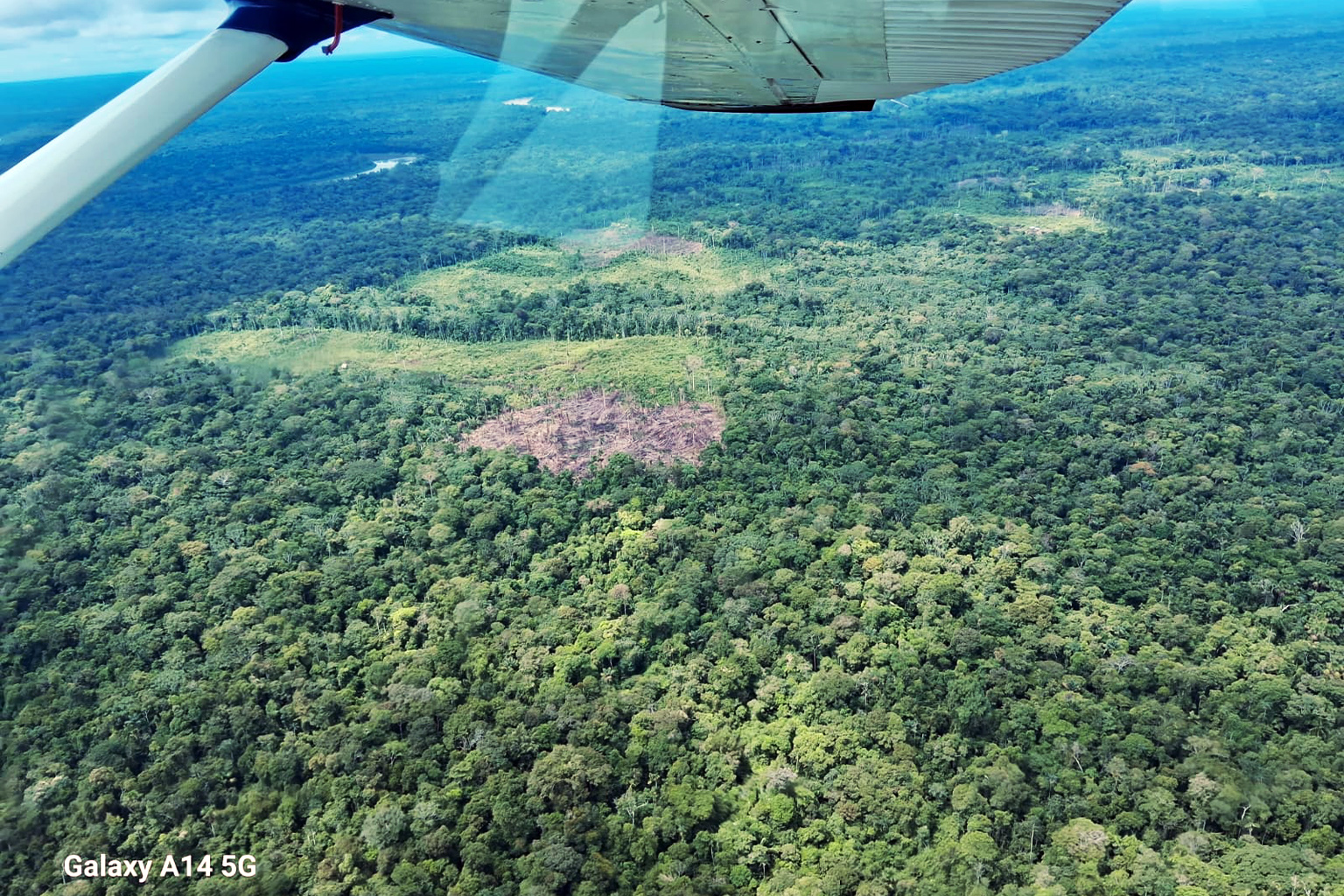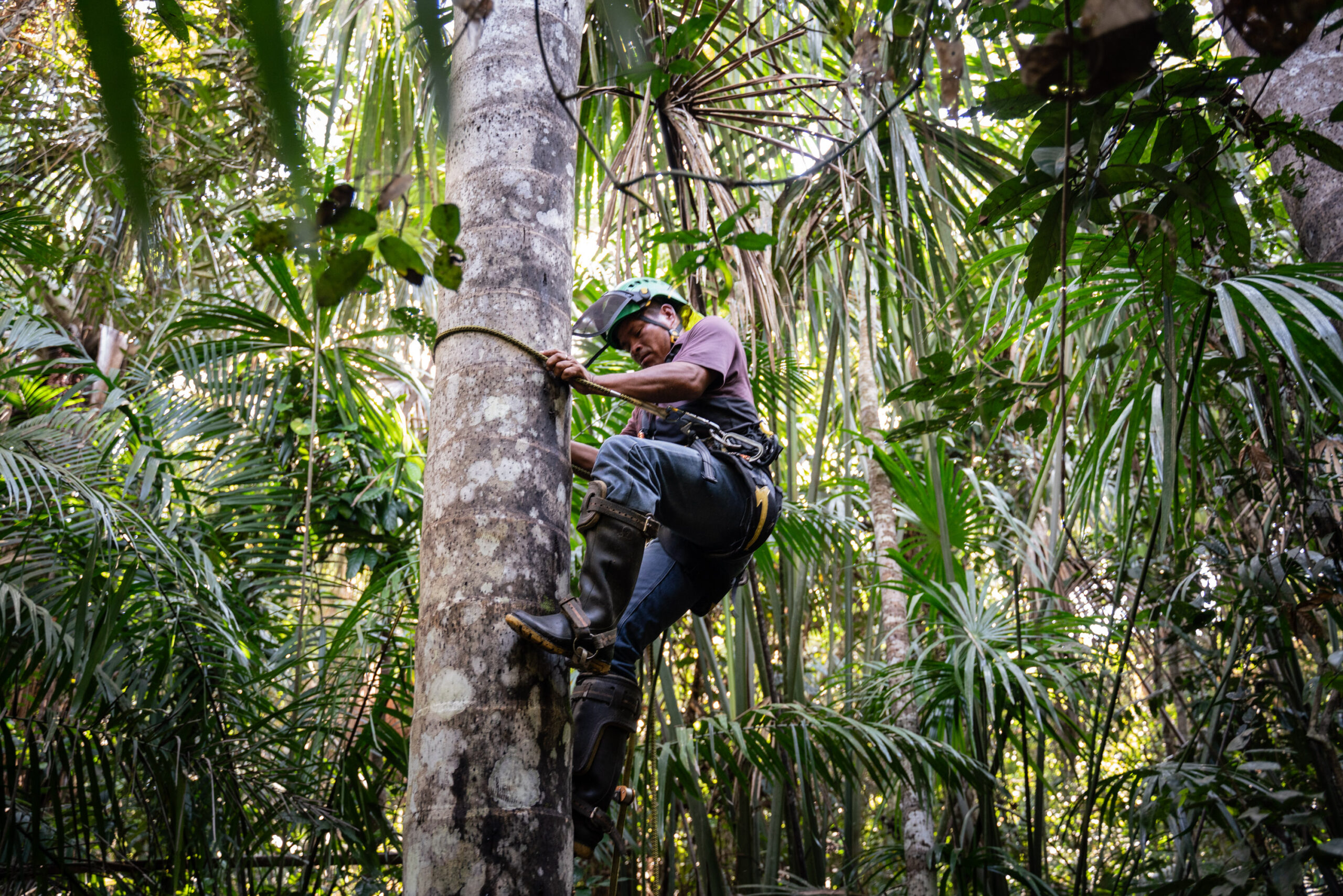
In Peru’s Datem del Marañón province, local communities are combining ancestral knowledge with scientific expertise to protect the peatlands that thrive in this part of the Amazon.Peatlands cover only 3% of Earth’s surface, yet can store up to five times more carbon dioxide per hectare than other tropical ecosystems.Although research on Peru’s peatlands remains limited, their importance lies in both their role in mitigating climate change and their socioeconomic value for local communities.The area that’s the focus of scientists’ research and local communities’ conservation work is part of the Pastaza River Fan, Peru’s largest wetland and the third-deepest peatland in the world.
On the banks of the Pastaza River, in Peru’s northern Datem del Marañón province, Kietre Gonzales remembers just how close his childhood home was to the aguajales, the swampy palm forests so common in this part of the Peruvian Amazon. But over time, the landscape began to change. The aguajes (Mauritia flexuosa), the palms that bear the wine-red fruit of the same name, started to be cut down.
“Fifteen years ago, we ourselves were destroying them. We used to cut down the aguaje palm to harvest its fruit, leaving empty spaces where other kinds of weeds would grow. We started cutting them down because there were no initiatives to protect them,” says Gonzales, a member of the Recreo Native Community, part of the Kichua Indigenous people.