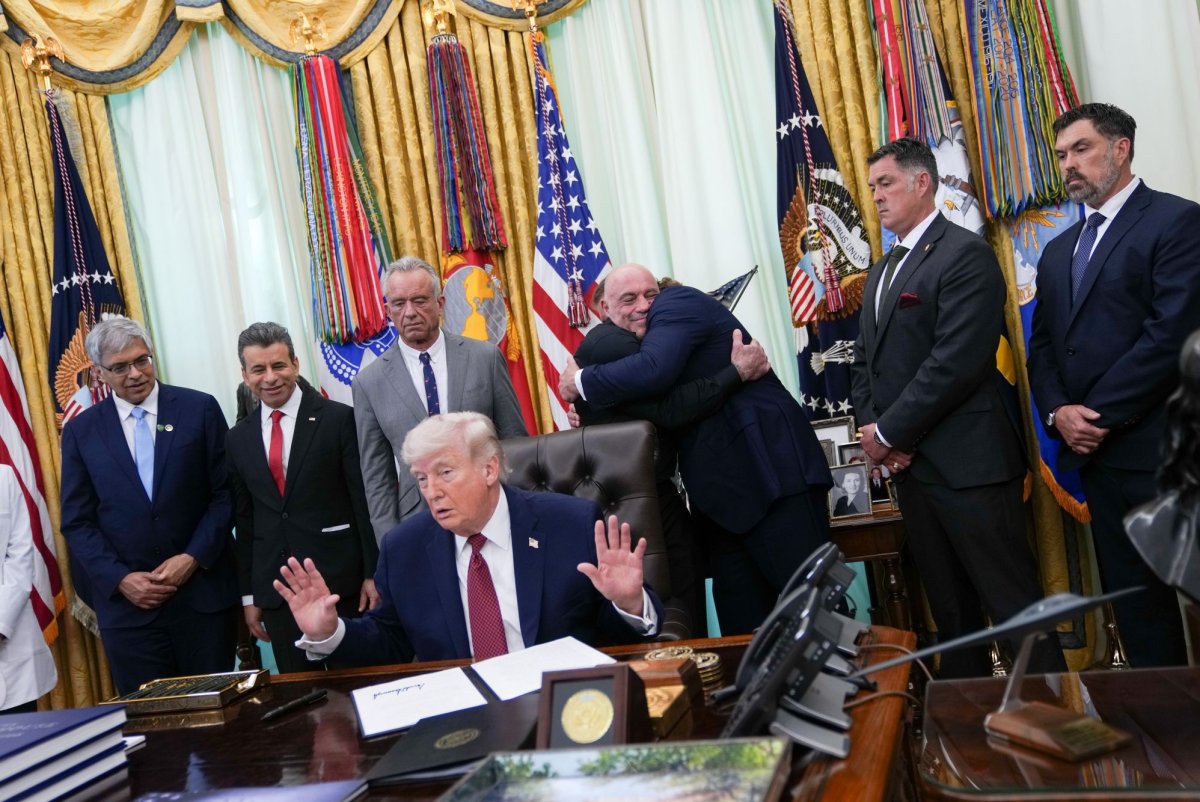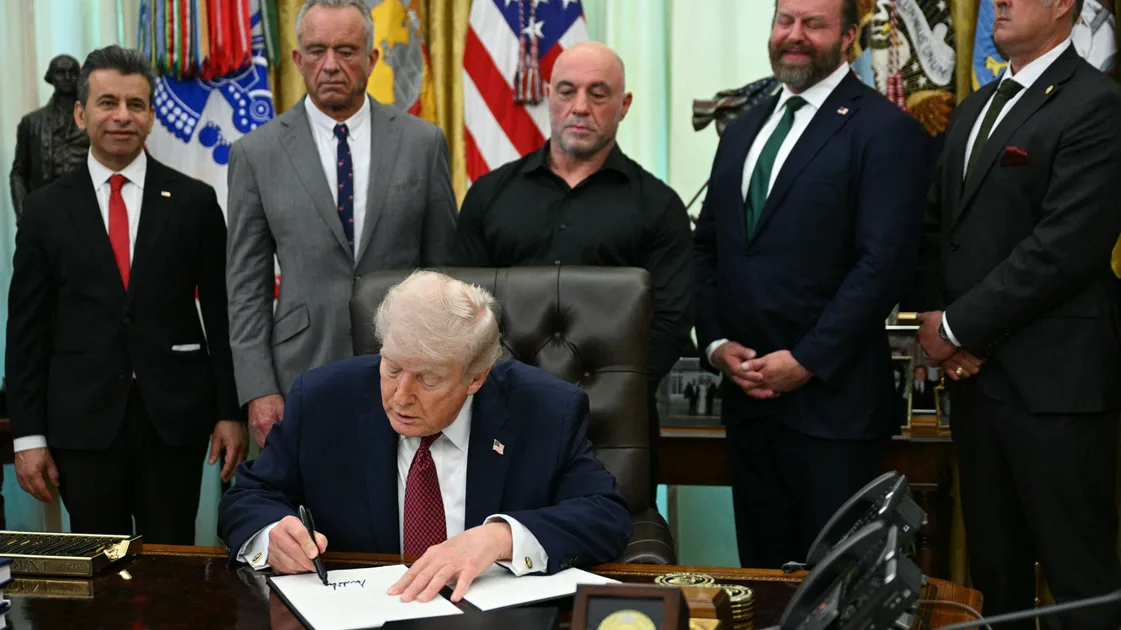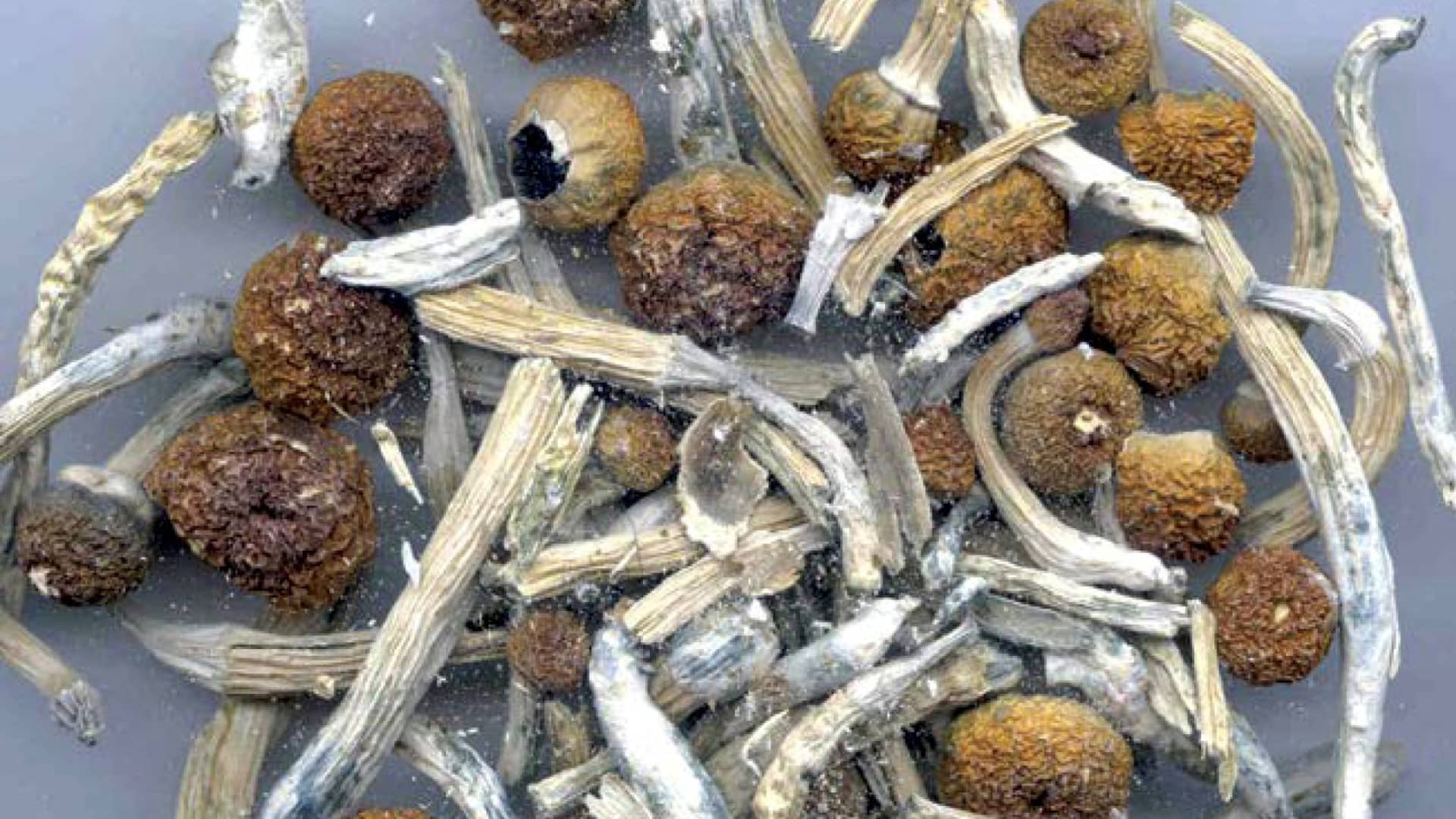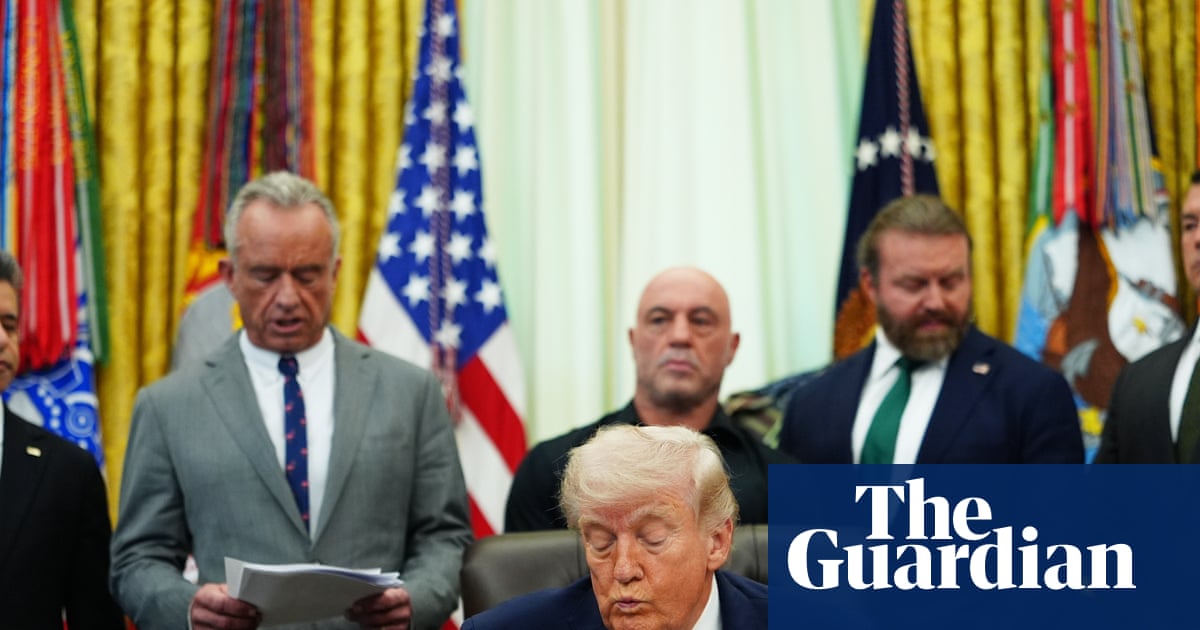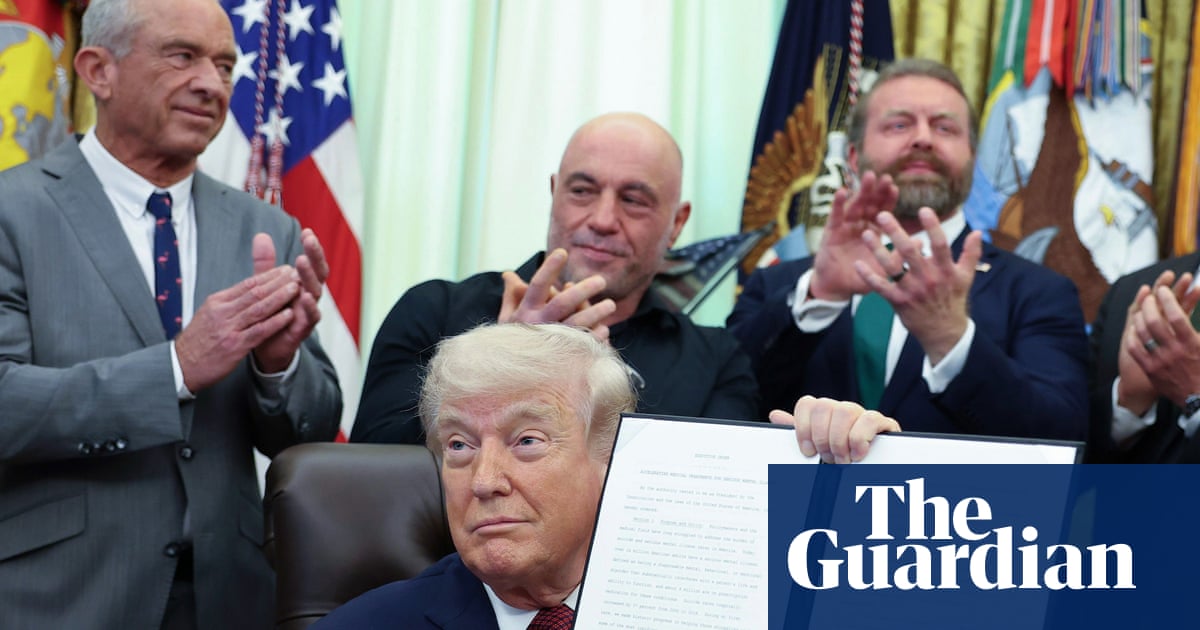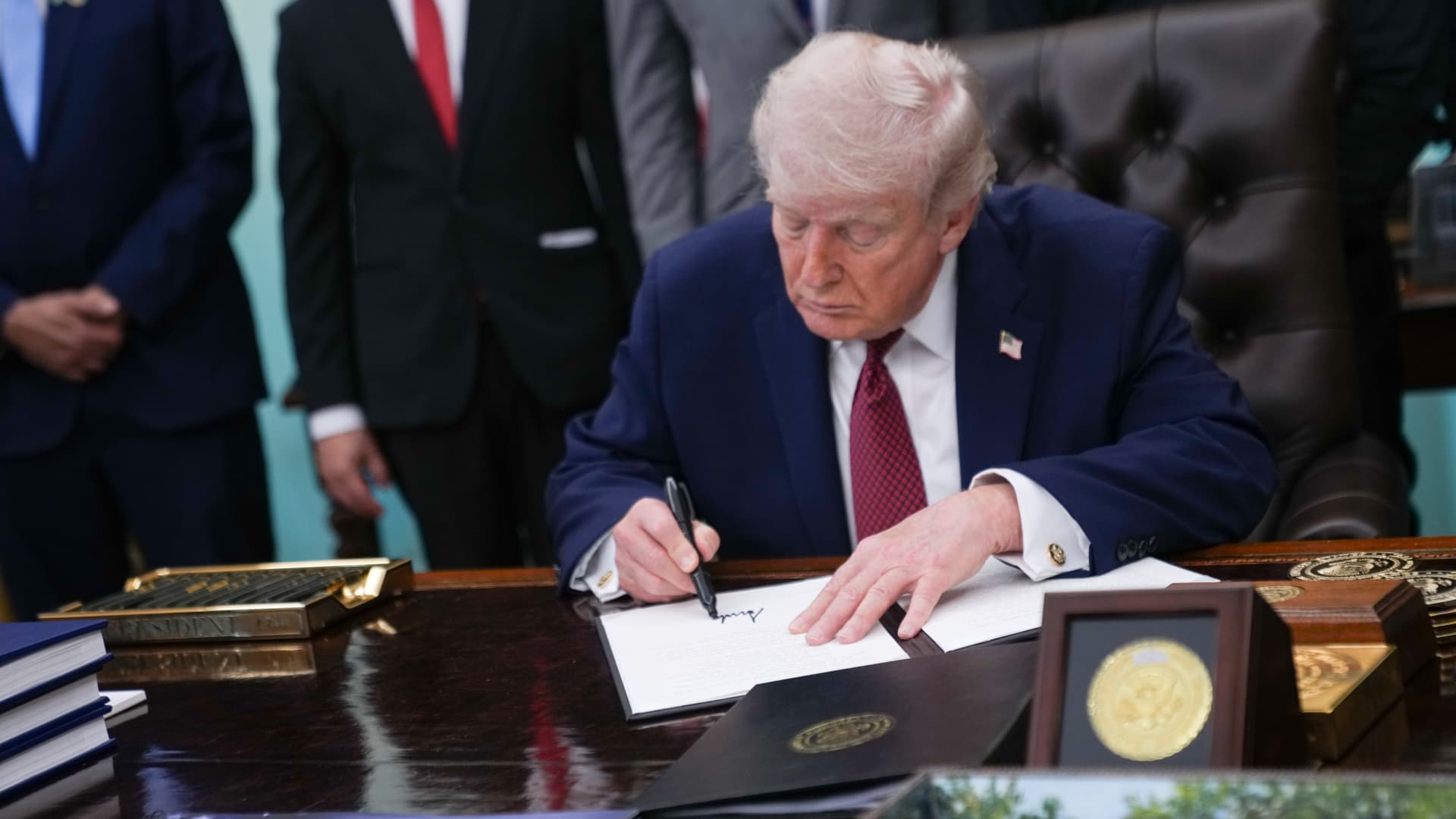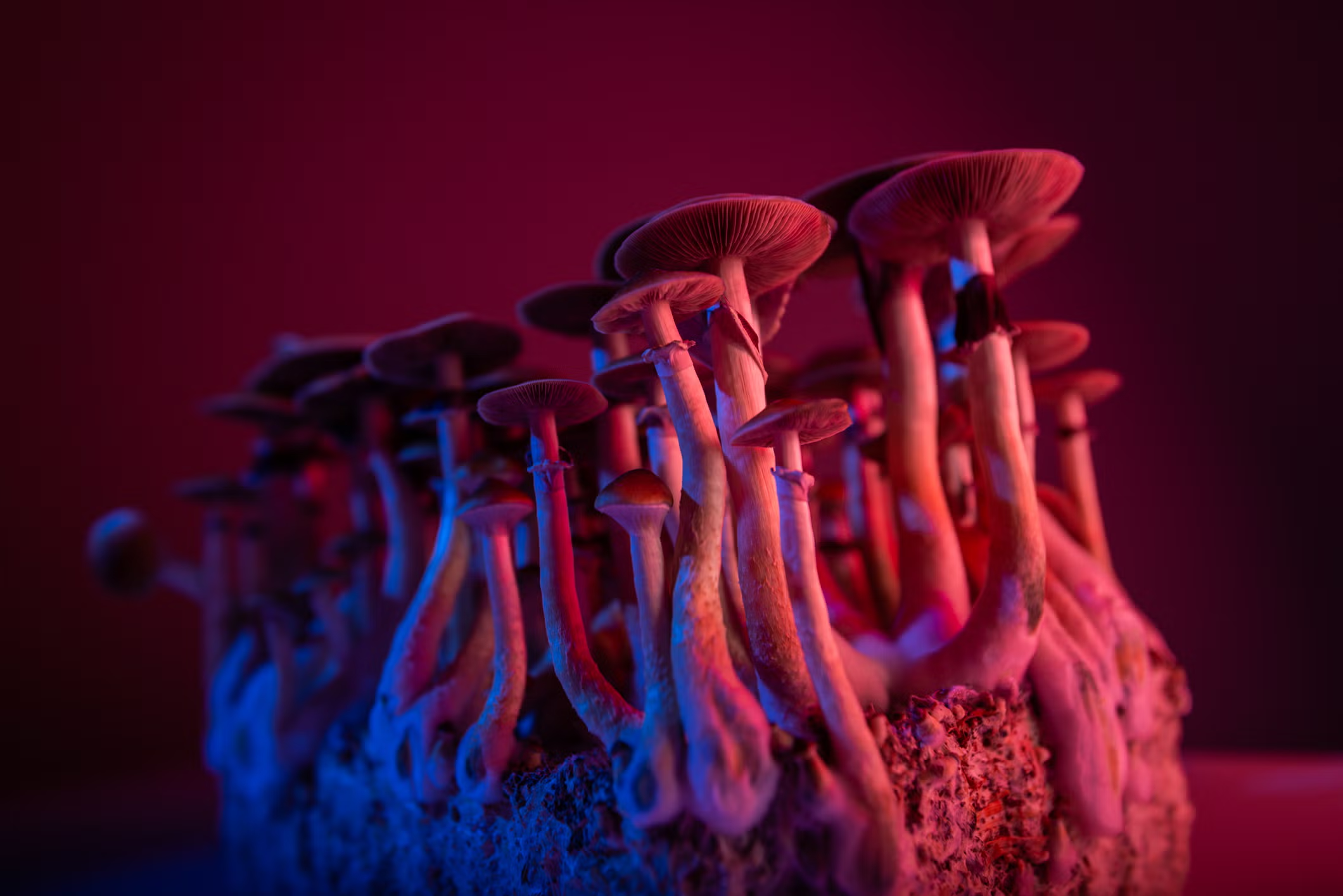
President Donald Trump’s executive order aimed at fast-tracking research into the medical use of psychedelics will almost certainly open the door to experimenting with psychedelic therapies for children and eventually prescribing them, experts say.Flanked by podcaster Joe Rogan and Secretary of Health and Human Services Robert F. Kennedy, Jr., Trump signed the order on April 18. The text of the order mentions federally banned psychedelics as promising options for the concerning number of Americans who are struggling with mental, behavioral and emotional disorders. And it points specifically to the roughly 6,000 military veterans who die by suicide every year. There is no mention of minors.At least one company is already seeking U.S. Food and Drug Administration approval for a treatment involving psilocybin, the active compound in magic mushrooms, and the agency has also issued priority vouchers to companies investigating the compound’s effectiveness in treating depression. But if these drugs are ultimately approved for use in adults in the U.S., clinicians and pharmaceutical companies could, at some point, target them to people under the age of 18.On supporting science journalismIf you're enjoying this article, consider supporting our award-winning journalism by subscribing. By purchasing a subscription you are helping to ensure the future of impactful stories about the discoveries and ideas shaping our world today.“It’s inevitable, because once the drug gets approved, then you start moving down that age timeline and testing kids,” says Dominic Sisti, an associate professor of medical ethics and health policy at the University of Pennsylvania.The FDA requires more guardrails for drug trials in children than it does for those in adults. Psychoactive drug testing in kids garners even more ethical scrutiny; and because psychedelics affect the brain, which is still developing in children, these potential therapies would prompt more questions. The history of medicine shows why: The discovery and synthesis of psychedelic drugs such as psilocybin and LSD prompted a flurry of research into their possible therapeutic benefits. That included controversial experiments such as the infamous and illegal CIA-led MKUltra brainwashing program, in which participants were unknowingly given large doses of LSD. That program ran from 1953 to 1973.In the late 1950s, an eight-year-old girl who reportedly suffered from loss of bladder control and what one researcher described as “serious sexual conflicts” was given the drug; her doctor claimed that her conditions improved. And in a 1963 experiment, researchers gave LSD to nonverbal autistic children. Some displayed a reduction in aggressive behaviors, while others became more violent, engaging in actions such as pushing, biting and pinching other children. These behaviors were seen as an improvement. Doctors gave other kids LSD in bids to treat conditions such as schizophrenia—the efforts were largely inconclusive.The results of these early experiments were mixed, and ultimately, psychedelic research in children ended in 1970, when President Richard Nixon signed the Controlled Substances Act into law. It banned the use of many hallucinogenic drugs across the U.S. and slowed research into potential therapeutic uses, in adults and children, to a crawl for generations.Since the early 2000s, there has been something of a psychedelic renaissance, driven in part by pop culture figures such as Rogan (a text to Trump from the podcaster reportedly helped spur the April executive order). Some scientists are optimistic about the possibilities, but others temper that enthusiasm because of the thorny ethical issues that come from the fact that many of these compounds can drastically change a person’s behavior and neurological makeup.All courses of treatment in medicine generally require informed consent, in which a patient is made fully aware of the implications of a drug or procedure, both good and bad, says Robert Klitzman, a professor of psychiatry and co-founder of Columbia University’s Center for Bioethics. Whereas adults can make those decisions for themselves, the same isn’t true for children, especially younger ones, he adds.And the effects of psychedelic drugs can be more powerful and longer-lasting on a developing brain than other psychoactive medications such as antidepressants, Klitzman adds.“A lot of drugs have different effects in children than in adults, and that is because the adult brain is presumably already developed, whereas a child's brain is still developing,” he says. “So if you put various chemicals in a child’s brain while it’s still figuring out the world, so to speak, it can have additional risks that wouldn't appear in an adult.”For example, LSD can cause what Klitzman called “depersonalization,” where the user experiences a feeling of disconnection from their mind or body, or both. This can fundamentally alter their worldview and identity.In some patients, that disconnect might be the desired outcome, particularly if a person is suffering from a personality disorder, notes the University of Pennsylvania’s Sisti. But accurately diagnosing such disorders in children is difficult, and any attempt to use such drugs on them would require a careful, individualized analysis of the costs and benefits.“I think it could alter the trajectory of a kid’s values in ways that are kind of unanticipated by parents and make parenting more complicated,” Sisti says. “I think that’s probably a good thing sometimes, but it could also be really disruptive to a family system.”With those considerations in mind, some researchers are slowly beginning to explore the potential of psychedelics for treating minors. A clinical trial that is currently underway in Sweden is recruiting participants as young as age 16 to determine if psilocybin can treat anorexia nervosa. The study’s leader, David Sjöström, a doctoral student at Lund University, says the severity of the negative outcomes associated with the disorder can outweigh any of the negatives associated with the drug.“I think it needs to be weighed against the concerns about not doing the trial, because that also has a high risk of personality and cognitive ability changes but in a negative way if the anorexia nervosa is not treated,” he says. “We need to do robust clinical studies to get actual information on if there is an age-dependent difference between a 16- and 17-year-old and a 25- and a 30-year-old.”Lund and his team are actively filtering out potential participants who are considered to be at high risk of side effects, such as those with a history of psychotic episodes or at high risk of suicide. In Sweden, a 16-year-old can give consent for medical treatment, though this study requires both parents or caregivers, as well as the child, to sign off on the latter’s participation as an extra precaution. The trial also passed an independent safety review before it got the green light. Additionally, the use of the drug will be closely monitored, and all doses will be administered in the presence of two therapists.Even with these sorts of safety measures in place, Klitzman notes that there is an inherent limitation in how such studies can be conducted. Specifically, it isn’t feasible to create a control group that would be given a placebo.“It turns out it’s basically impossible to blind [a clinical trial], because people will know very quickly if they’ve had a hallucinogenic experience or not,” he says. “If you control a hallucinogen versus Prozac and other SSRI [selective serotonin reuptake inhibitors] standard antidepressants, people immediately know which they’re on.”Those limitations have forced researchers to exercise caution when performing trials with psychedelics. While there is reason to believe the drugs may have therapeutic use in at least some people, what’s less clear is if the Trump executive order will actually spur real discovery. Understanding whether psychedelics might help some kids living with conditions that are difficult to treat requires diligent science, but Sisti doubts that the order will enable any new well-controlled studies that wouldn’t have gone forward otherwise.For his part, Klitzman is concerned that the executive order could “open the floodgates too soon.” Conventional antidepressants have a high success rate in adolescents, he notes, and with many outstanding questions about the long-term effects of psychedelic-based therapies, a slow and cautious approach to potential use among young people is needed.“I would hope that decisions about ... how these drugs are [used in treatment and therefore their availability] would be based on evidence,” Klitzman says. “Could there be benefits? Yes. Do I have concerns? Yes, because it is going to mean lots of people taking these drugs when there are other drugs that can help them more, and there may be some risks involved.”
Trump's psychedelics executive order could accelerate new treatments—including for children
The Trump administration has fast-tracked research into psychedelics, and experts say it is likely a matter of time before the drugs are used to treat minors
TL;DRAI
Trump accelerates psychedelic research; FDA evaluates psilocybin for depression, trials on minors inevitable. Regulatory opening creates biotech opportunity but poses ethical risks (developing brain, informed consent): governance and reputational hazards critical.
1,379 words~6 min read