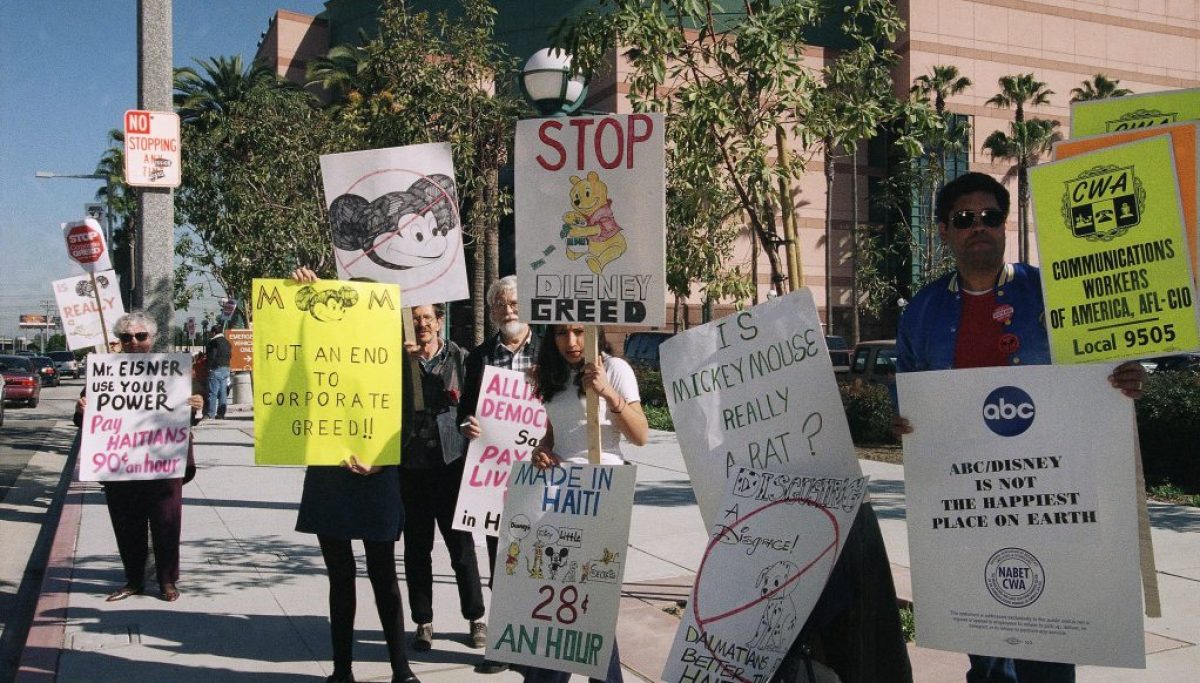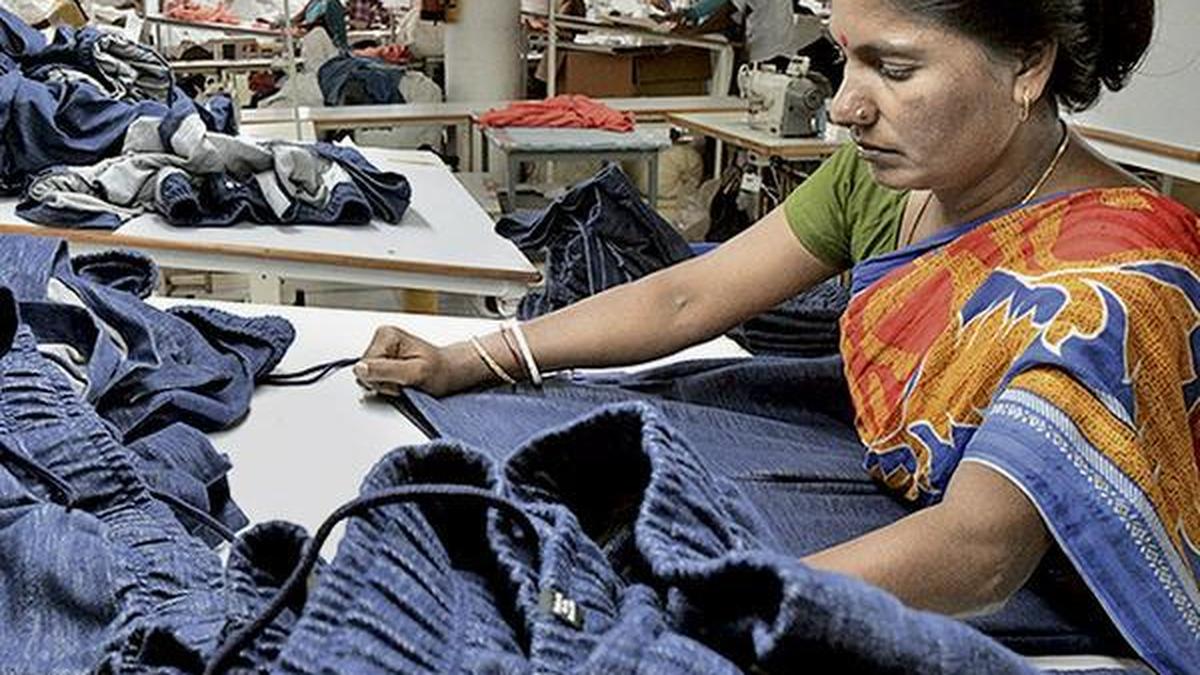
Globally, about one in five people in jobs live in poverty. A key reason lies in how global supply chains are organised. From agriculture to tourism, many jobs are embedded in systems that keep wages low, even as they generate value for international markets.
This has brought renewed urgency to the living wage debate. In 2024, the International Labour Organisation (ILO) formally endorsed general principles for defining and calculating living wages across different national contexts, including guidance on wage-setting and implementation. Living wages are pay for work that is high enough for the worker and their family to sustain a decent life.
We are researchers working on living wages, labour conditions and sustainable livelihoods, including those in global value chains in Africa. We argue that the growing recognition of living wages shifts the question from whether workers should earn enough to live on to how to make it happen.
But turning this idea into reality is far from straightforward. Our recent article, based on evidence from Africa, shows that some well-intentioned efforts to raise wages can backfire, while alternative approaches tailored to the local context are beginning to show more promise.