“In an instant, the lights come on / and the music brings the magicians onto the stage.”
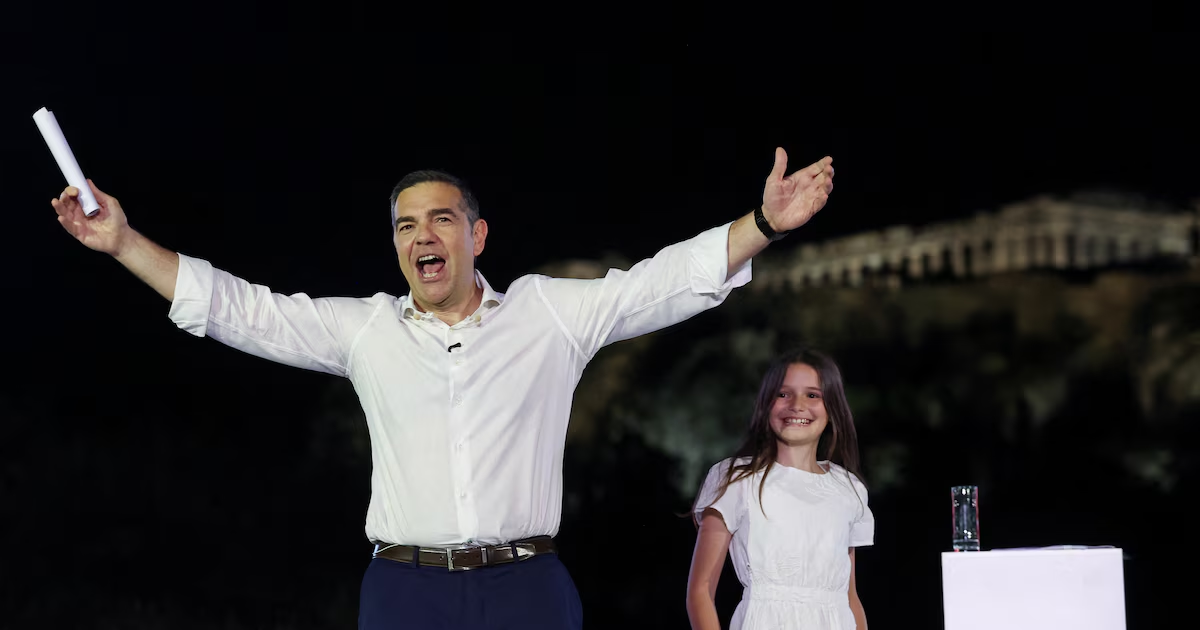
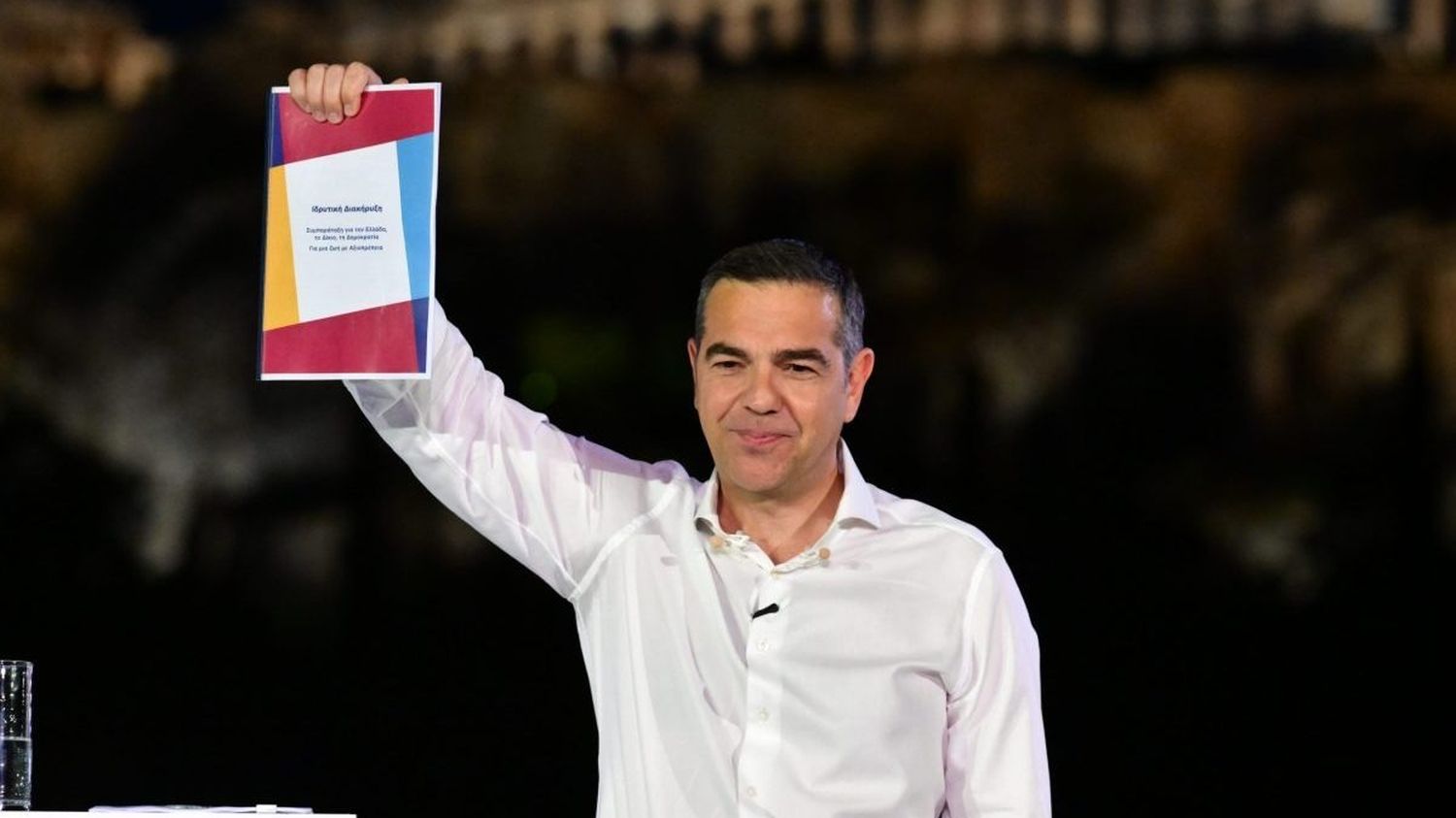
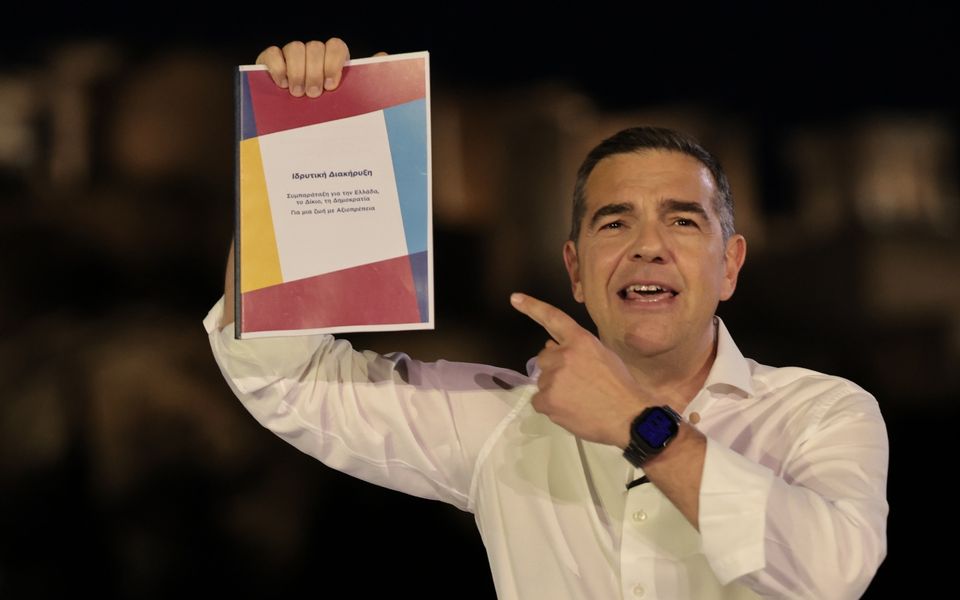
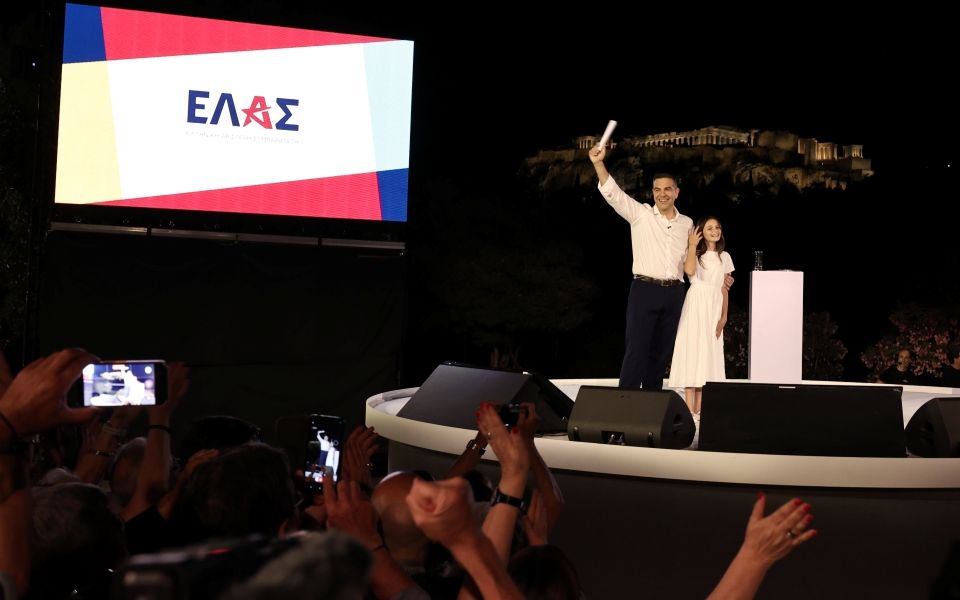
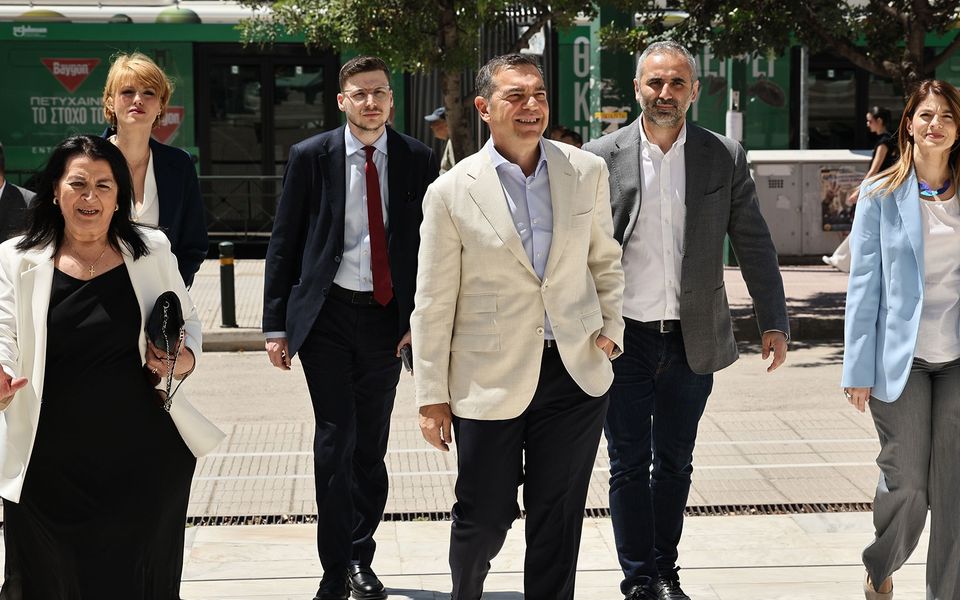
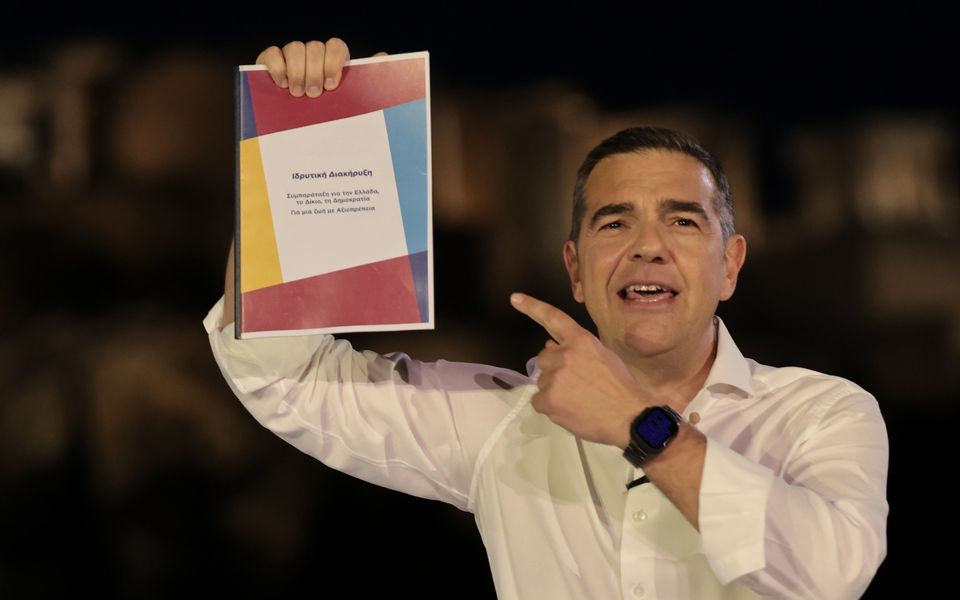
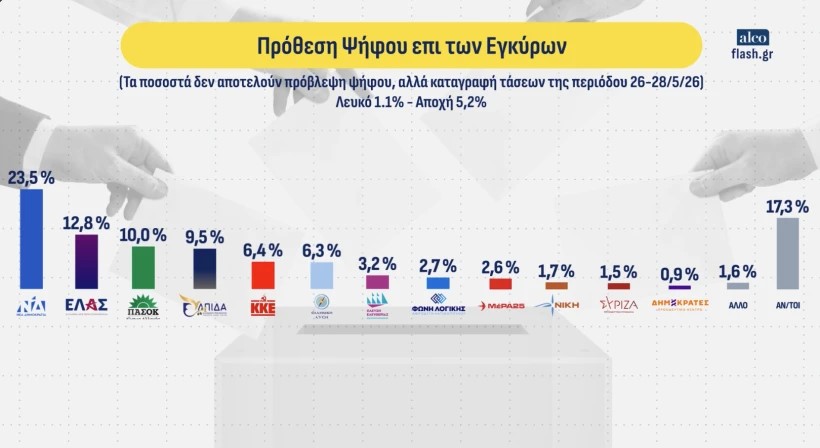
From a communications standpoint, Alexis Tsipras’ launch of his new party, the Greek Left Alliance (ELAS), undoubtedly went well. It drew a large audience and dominated the news cycle – not because of the banalities he uttered, but because of the party’s name. No one paid attention to his talk of “new patriotism” or his promises to tax wealth. We have heard it all before. The entire discussion revolved around the name: ELAS.
Even the ironic commentary confirms that the communication trick worked, because that was precisely the point. Tsipras knew he had nothing fundamentally new to say. He is unable to offer a political program substantially different from the rhetoric he developed during his years on the left.
For a while, he tried to reinvent himself as a center-left figure, but abandoned the effort once he realized that a leader cannot simply switch audiences without paying a political price. And so he appeared on stage as a magician – to borrow the image of the great musician Dionysis Savvopoulos.
What, then, remained for him in pursuit of a triumphant comeback? A firework. And he found it in the name of his party, which, as many have already pointed out, phonetically evokes ELAS (the Greek People’s Liberation Army), the largest armed resistance movement in Nazi-occupied Greece during World War II; the Hellenic Police; and even the name of the country itself. When the national soccer team plays, fans chant “ELLAS, ELLAS,” and Tsipras will no doubt relish the association. Die-hard leftists will fantasize about a new national resistance and imagine themselves as modern-day ELAS fighters, while citizens, in their daily lives, will repeatedly encounter Tsipras’ party name displayed on police vehicles.