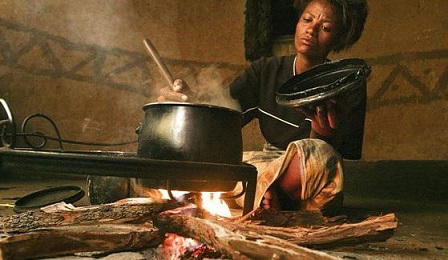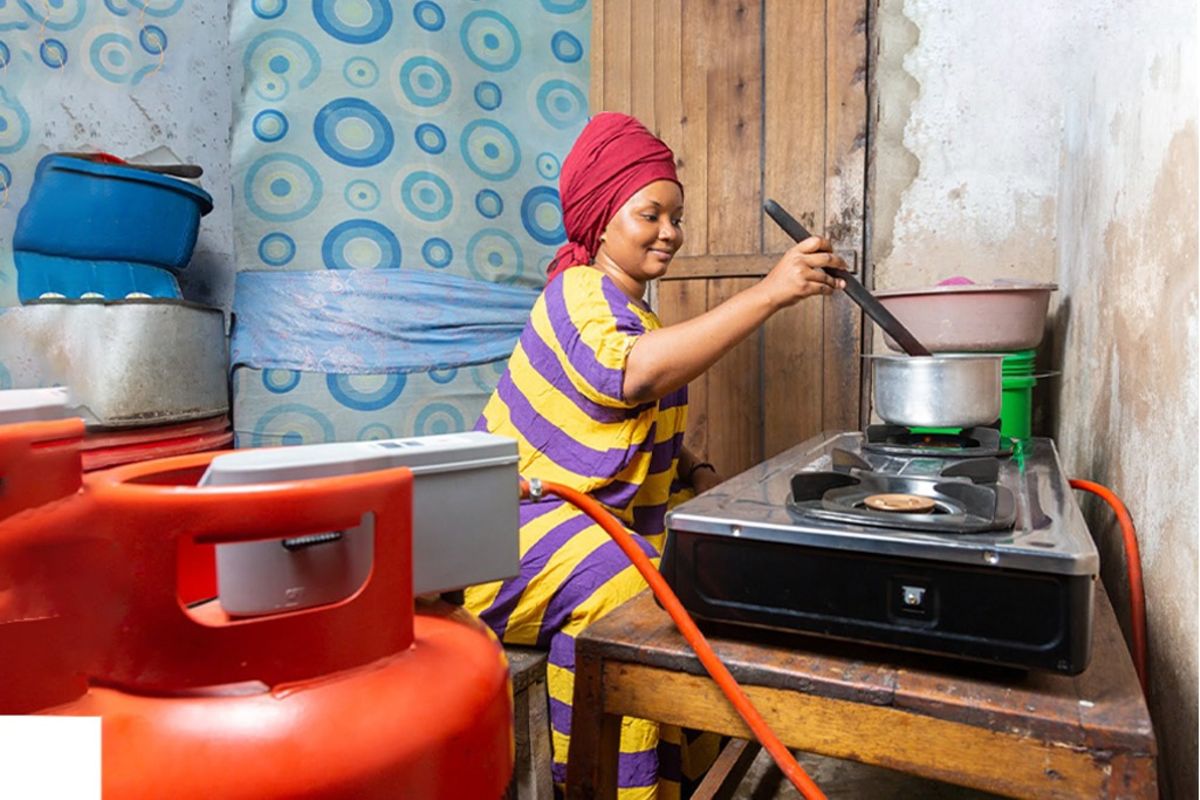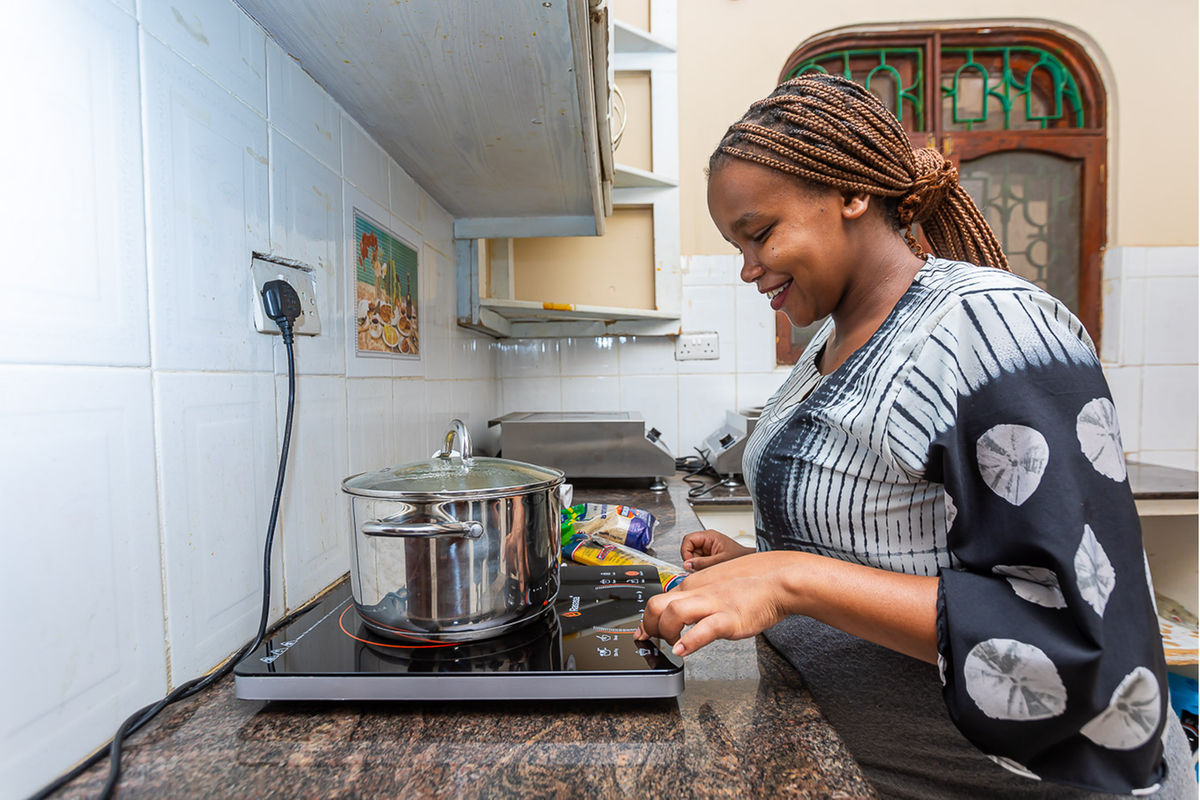
In the heart of many Tanzanian households, a silent crisis is simmering. For decades, the ritual of preparing a family meal has been inextricably linked to the pungent smell of charcoal smoke and the laborious task of tending to three-stone fires. While this may seem like a traditional norm, the data paints a far more perilous picture.
According to the Tanzania National Clean Cooking Strategy (2024–2034), the country is grappling with a public health emergency where approximately 33,000 people die annually due to respiratory illnesses directly linked to the inhalation of smoke from solid fuels.
This dependence on tradition-al biomass firewood and charcoal remains staggering, with over 80 per cent of households still relying on these inefficient energy sources. Beyond the health toll, the economic and social burdens are equally heavy. Women and children, who are primarily responsible for fuel collection and cooking, bear the brunt of this “time poverty”.
The hours spent gathering wood or supervising a charcoal stove are hours stolen from education, income-generating activities, and rest.
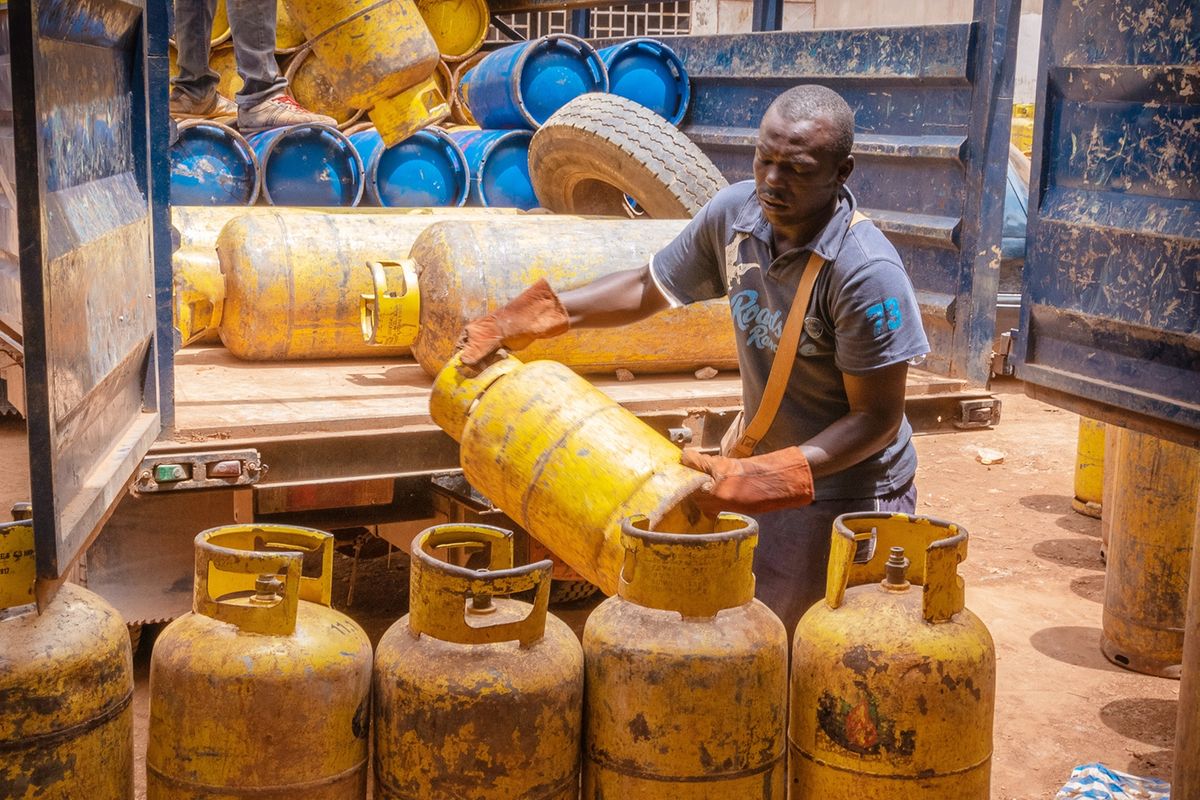
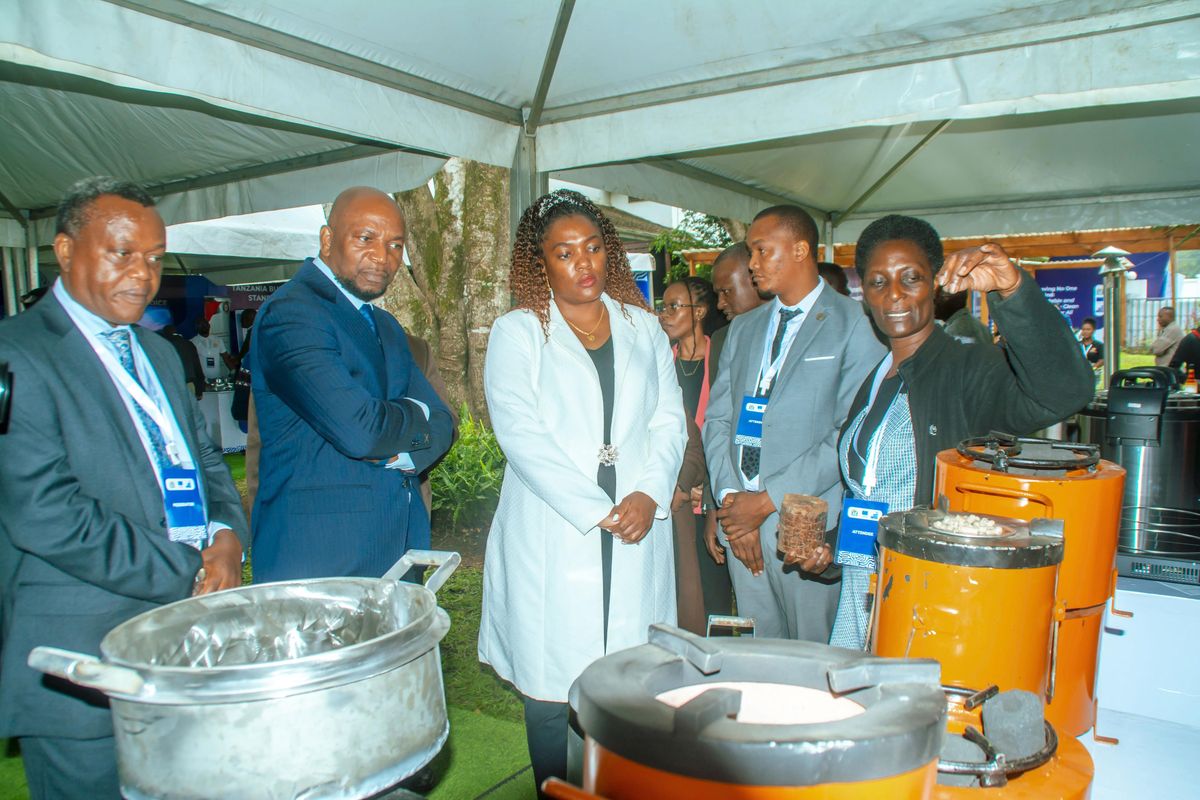
However, a transformative shift is underway, driven not just by technology, but by an innovative financial model that is putting modern appliances within reach of the common citizen.