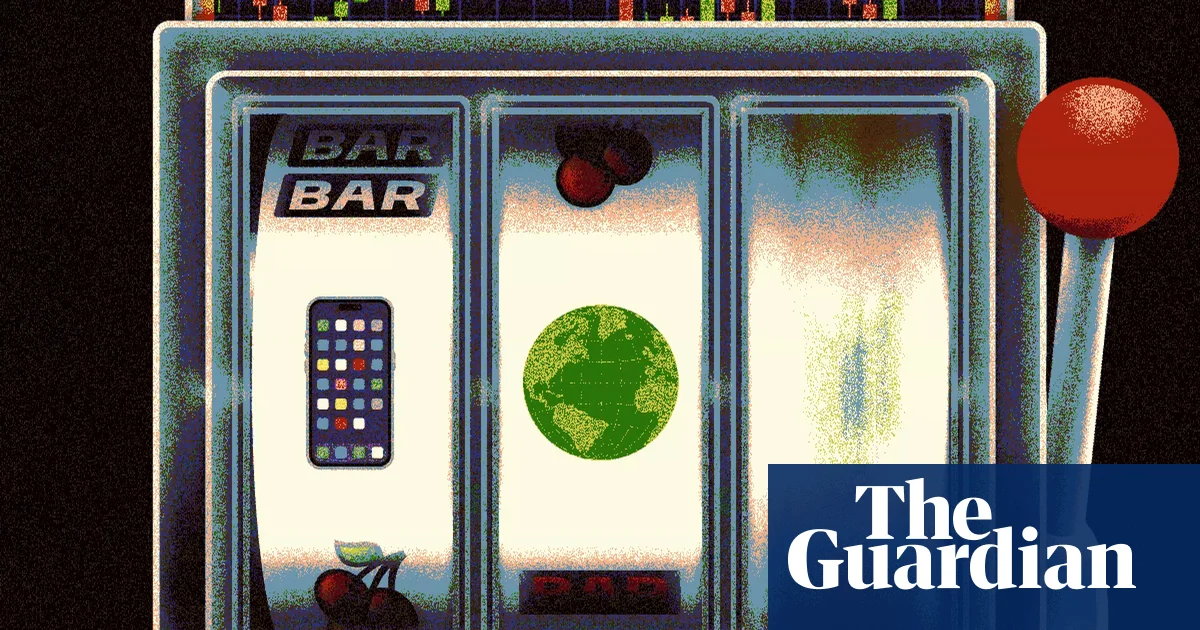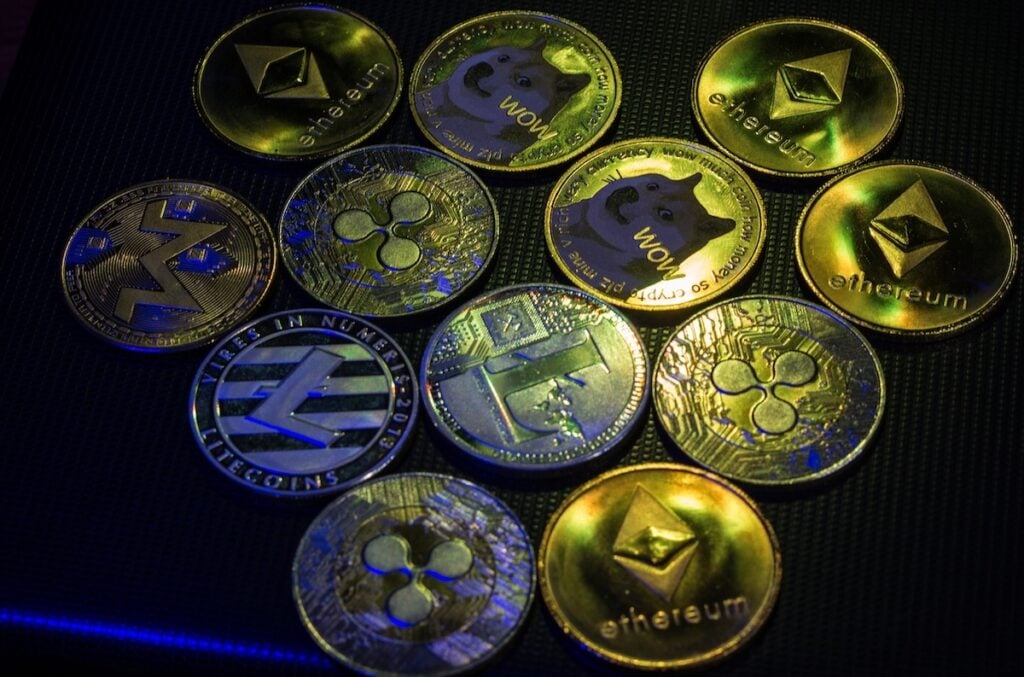
For a growing number of people, cryptocurrency has stopped being an investment and become an addiction — one that experts say shares almost every hallmark of gambling disorder, yet remains largely invisible because society has learned to mistake compulsive trading for ambition.
Cryptocurrency markets are open 24 hours a day, seven days a week, lightly regulated and engineered to keep users engaged. For vulnerable individuals, that combination can be devastating and the harm, experts warn, is being obscured by the same social rewards that make workaholism invisible.
Jamie Giles, client services director at Castle Craig, one of Scotland's leading addiction treatment centres, has been treating patients with problematic cryptocurrency habits for years. He spoke to Euronews Health about what the condition looks like, who is most at risk and what to do if you recognise it in yourself or someone close to you.
What is cryptocurrency addiction?
"I define problematic cryptocurrency investing by the behaviour involved, not by the asset itself," Giles said. "Cryptocurrencies, much like alcohol, are not inherently the problem. Many people invest in crypto responsibly."