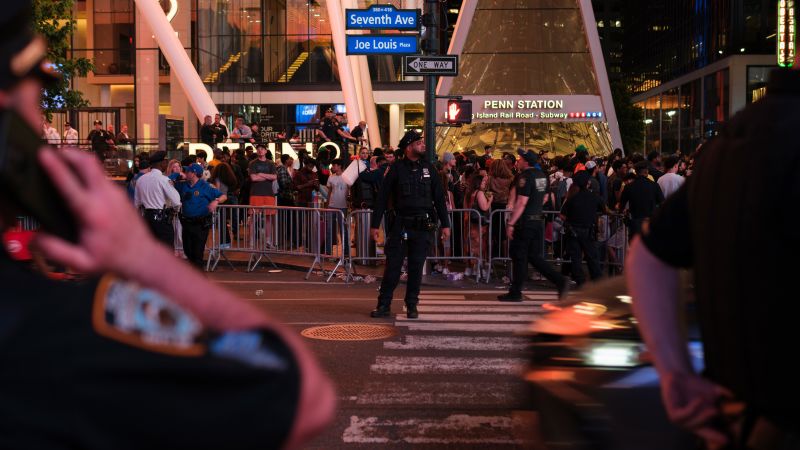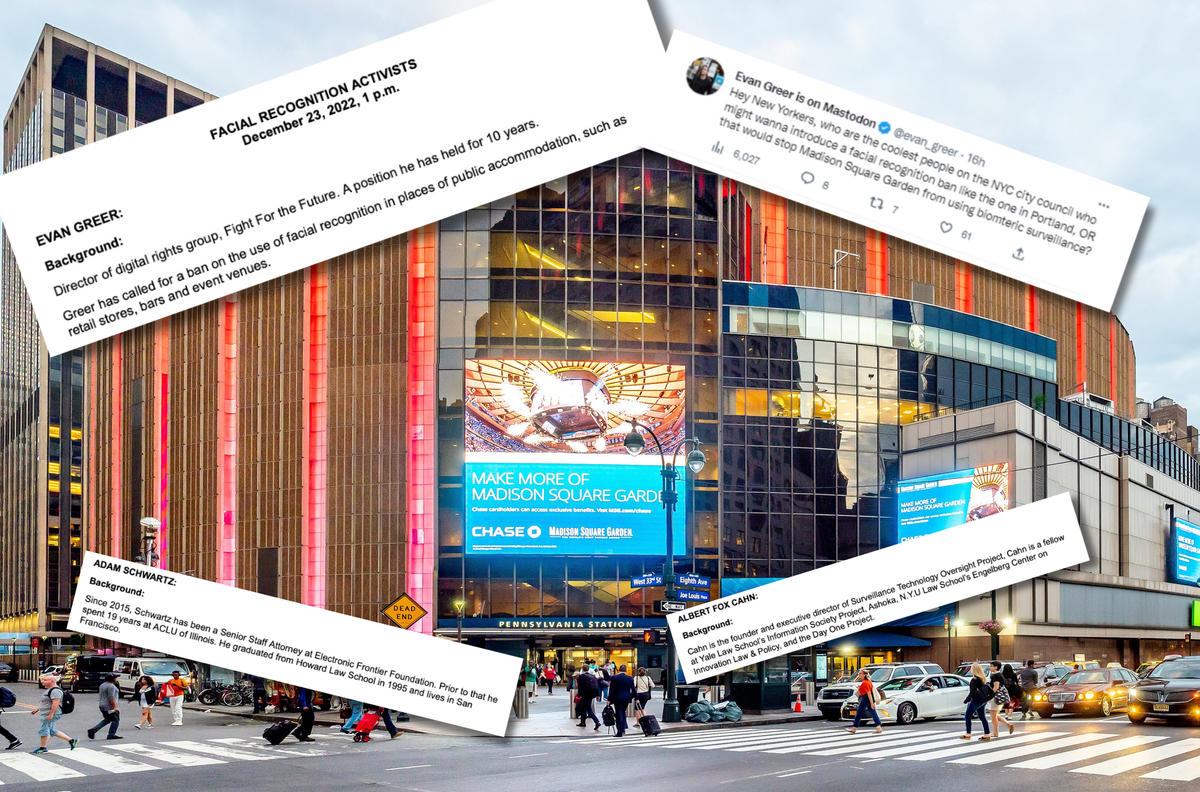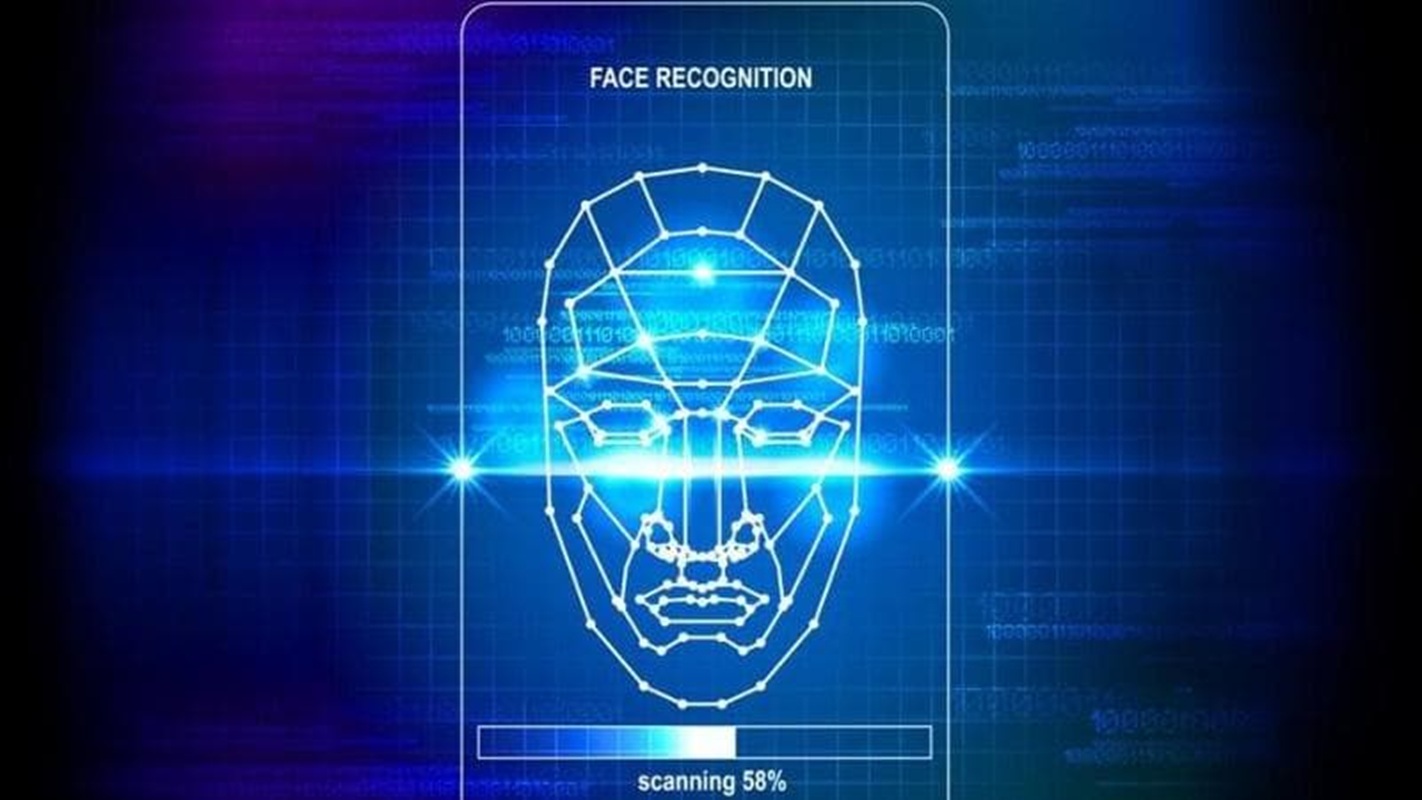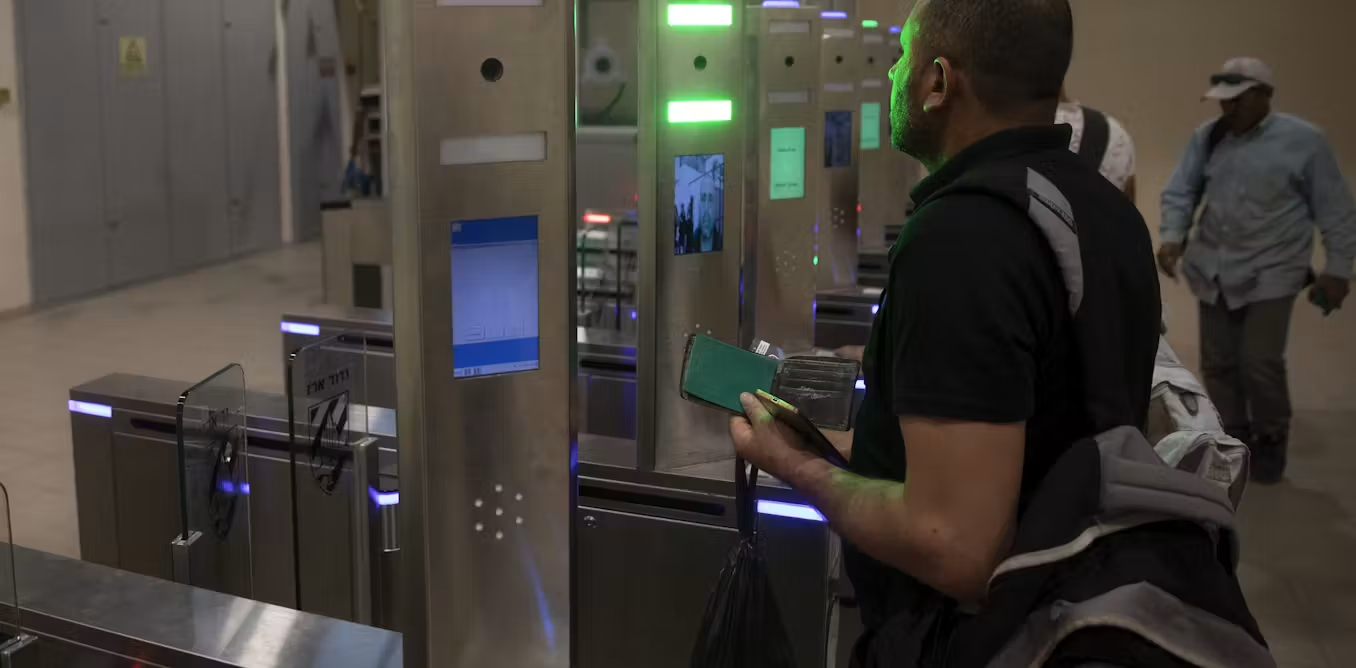
If you are fortunate enough to have a ticket to an event at Madison Square Garden in New York – say, an NBA Finals game – one aspect of your visit will be having your face scanned by a facial recognition system.
Major event venues are increasingly using the technology. Some, like Madison Square Garden, use it for surveillance purposes, and some, like Citizens Bank Park in Philadelphia, to offer visitors optional ticketless admission.
Adoption of facial recognition technology is increasing, becoming more prevalent in daily life, from public buses to public buildings. The Transportation Security Administration has deployed the latest facial recognition technology at security checkpoints at numerous airports. The agency says the new system will be used in cities across the U.S. that are hosting World Cup 2026 soccer matches.
The growing use of facial recognition has broadened concerns about accuracy and bias. But in my research studying facial recognition technology in the Vision Lab at the University of Dayton, I’ve found that advanced deep learning models have made face recognition systems more accurate and reliable. The AI models, trained on hundreds of millions of face images, are more than 99% accurate in controlled environments – settings such as cellphones, airports and border checkpoints.