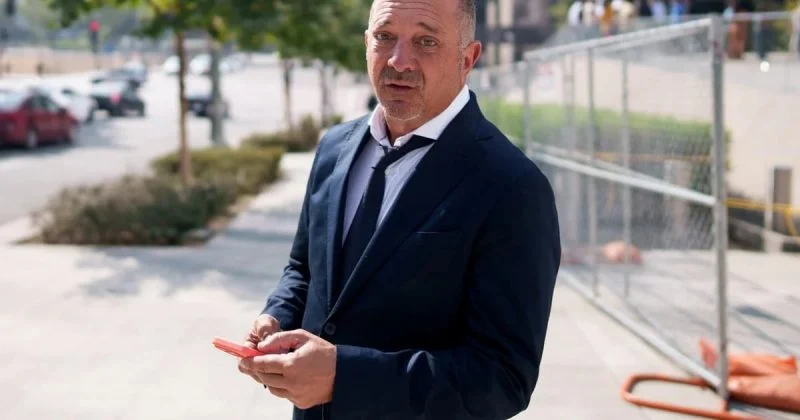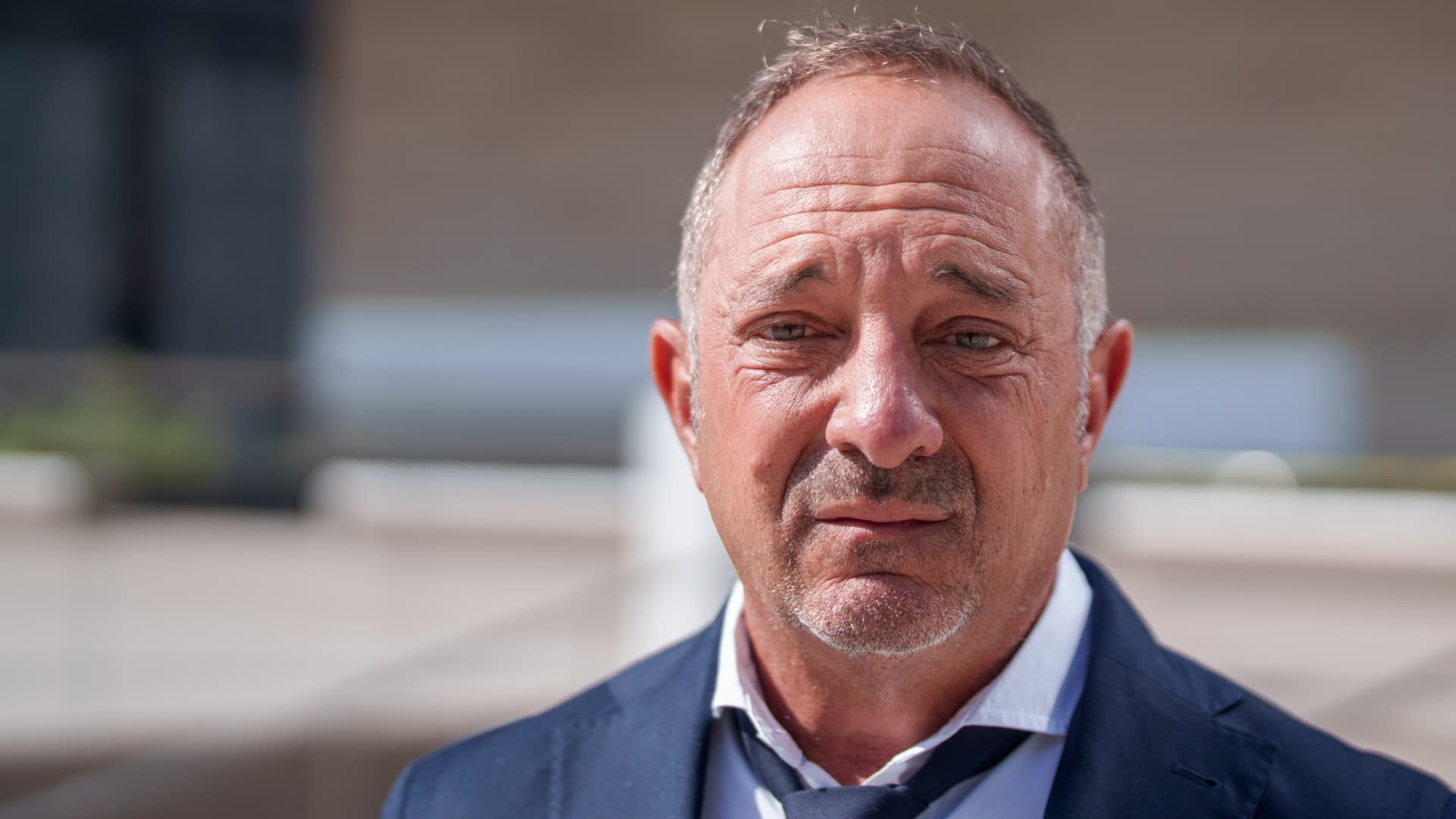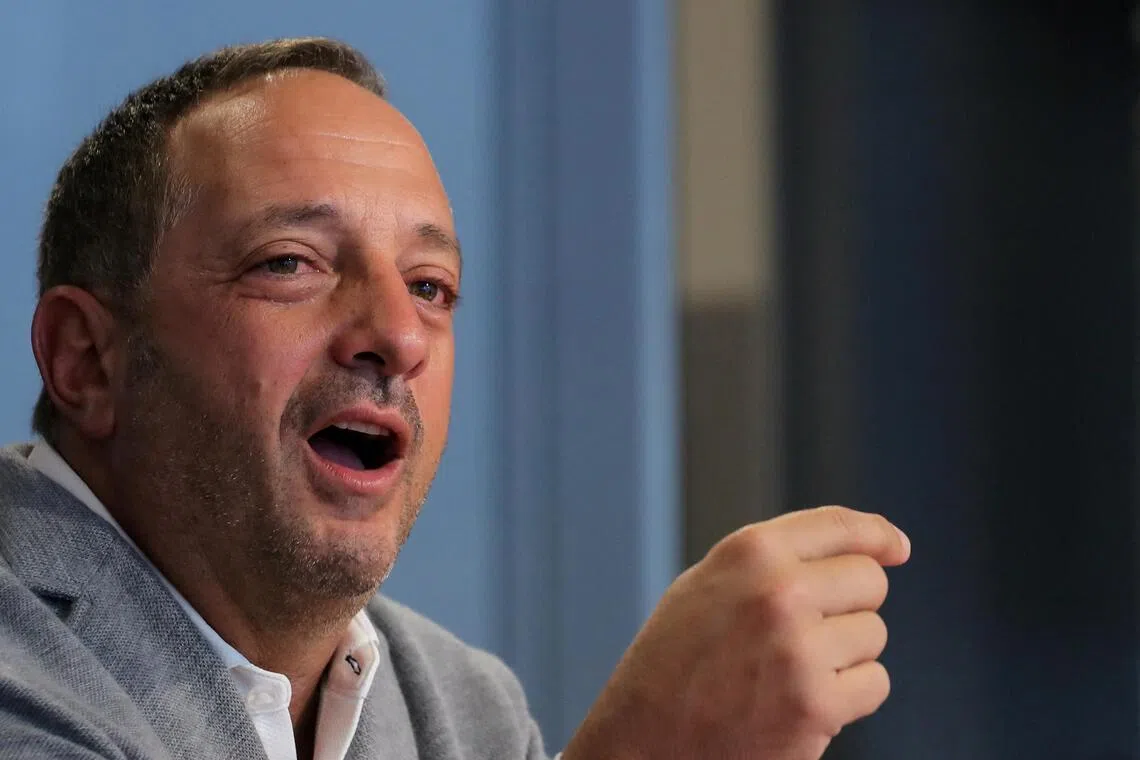
Activist short seller Andrew Left has been convicted of fraud in a criminal trial in the United States that could have wide-ranging consequences for investors publishing market commentary.A Los Angeles jury on Monday found Left, who ran Citron Research, guilty on 13 counts in a case where he was accused of making at least $16 million in profits from a “long-running market manipulation scheme”.He was acquitted on four counts and is due to be sentenced on August 31st.Prosecutors said Left, who had hundreds of thousands of social media followers, would build a position in a stock, make public statements that aimed to move its price, then quickly trade out without making it clear to the public that he had done so. In his defence, Left said his public comments reflected his genuine beliefs, and that he did not believe he was required to hold a position in a stock for a specific period of time after sharing his opinion about it.“It’s a sad day for free speech,” Left told the FT shortly after the verdict was delivered. He said he was “being penalised for ... honest opinions on the biggest companies in the world” and described the prosecution as “government over-reach”.The case is likely to raise questions about when an influential investor’s commentary about stocks becomes market manipulation, a difficult issue that could have significant implications.Left gained credibility when, more than 10 years ago, he accused the pharmaceutical group Valeant of accounting irregularities and was eventually vindicated. In 2021, he said he had bet against GameStop during a frenetic period when a retail trading-driven frenzy sent its shares surging.Left had taken the unusual step of testifying at trial.Prosecutors said Left picked stocks that were popular with retail investors and made “easy money” by posting about them online, often including a “target price” designed to attract attention and move prices.They also said he created a false impression that he managed other people’s money in order to boost his influence. He issued “investor letters” and said in an interview that “my investors pay me to make money”, even though Citron never had outside investors, they said.Left responded in court filings that “no one is alleged to have purchased any stock based on the letters”. Prosecutors accused Left of hiding the fact that he gave hedge funds advance notice of upcoming Citron reports in exchange for a portion of their trading profits, and of misleading law enforcement about doing so. He arranged for false invoices to be created to hide such payments, they said. In their indictment, prosecutors pointed to a message Left sent after shorting a cannabis company, Cronos Group, and quickly reducing his exposure after publicly criticising the group.In the message he said that once he realised the stock was owned by retail investors trading on his commentary, profiting off his position was like taking “candy from a baby”.Left had tried to get the case thrown out, arguing that fraud involved depriving people of property, whereas the government accused him of failing to give investors information about his own trading.“Depriving someone of information needed to make discretionary economic decisions is not fraud,” he argued in filings. He said that if he was required to disclose his personal trading when publishing opinions about securities it would have a “chilling effect” on “the flow of truthful information to the markets”. – Copyright The Financial Times Limited 2026
Short seller Andrew Left found guilty of securities fraud
Case could have significant implications for investors publishing commentary on stocks
564 words~3 min read