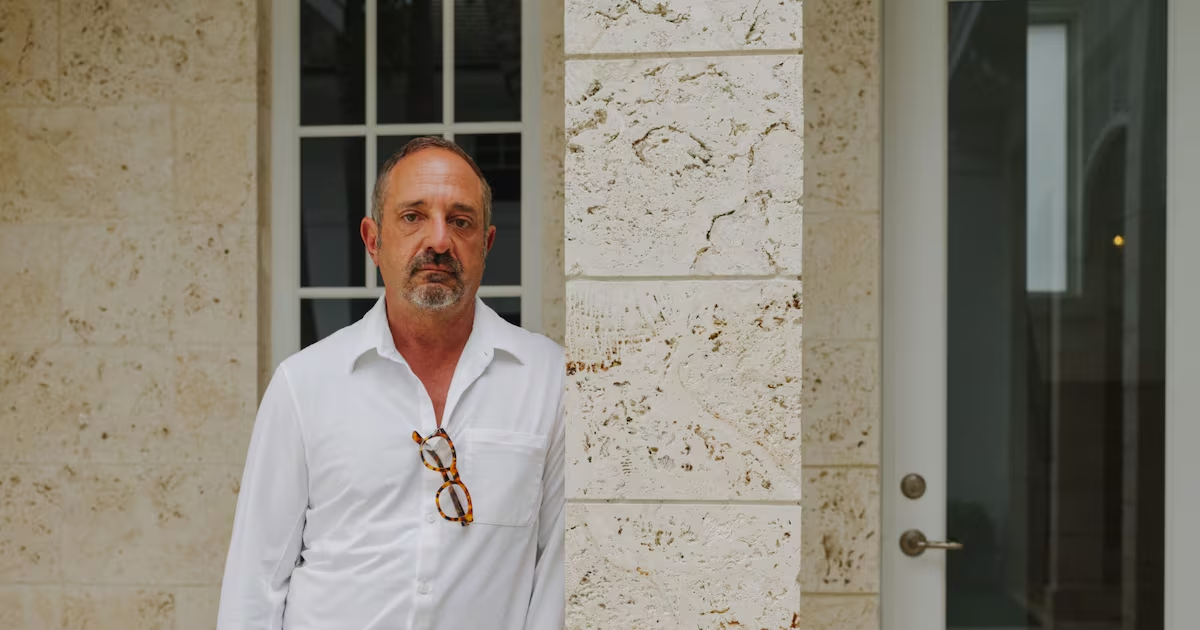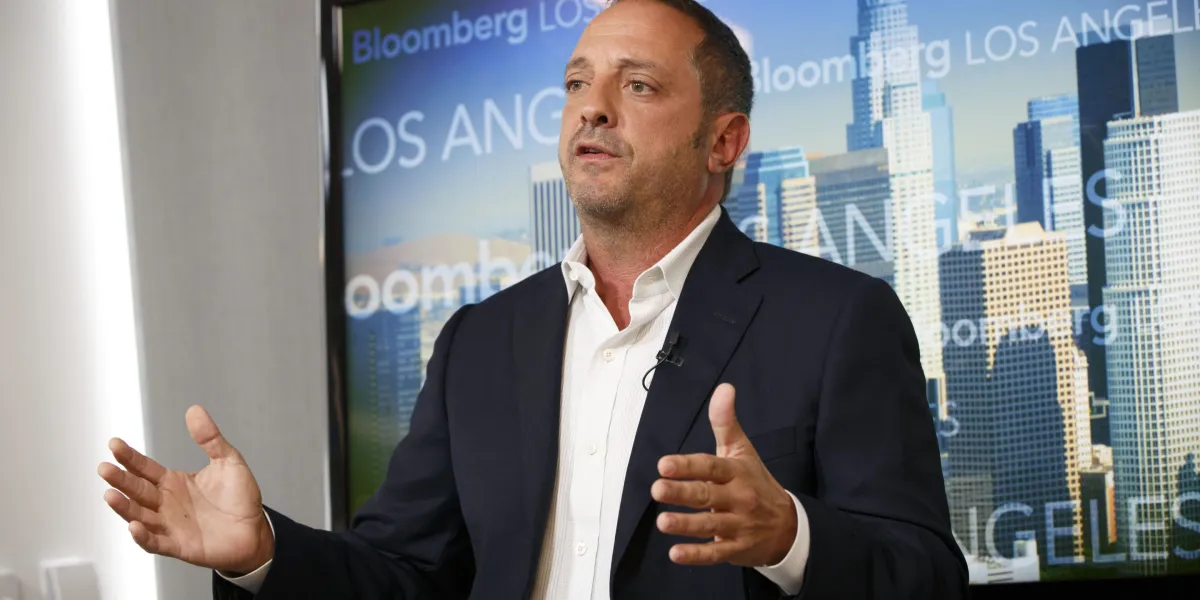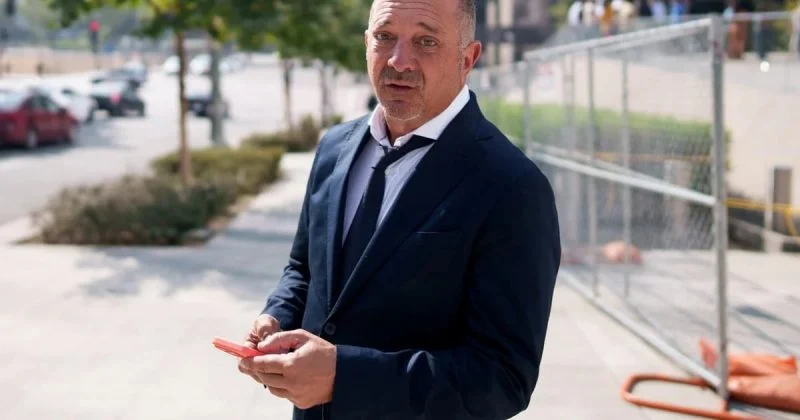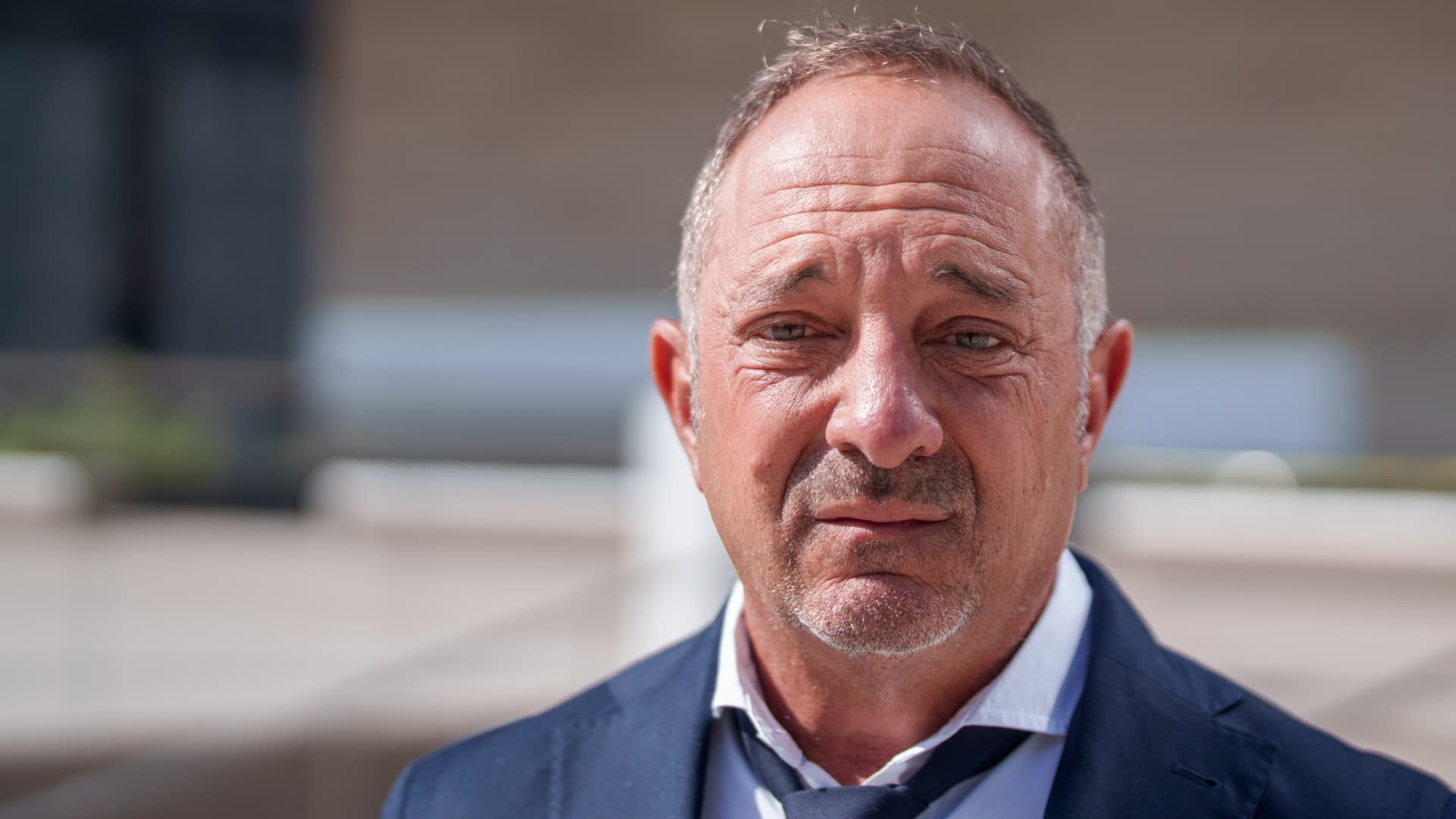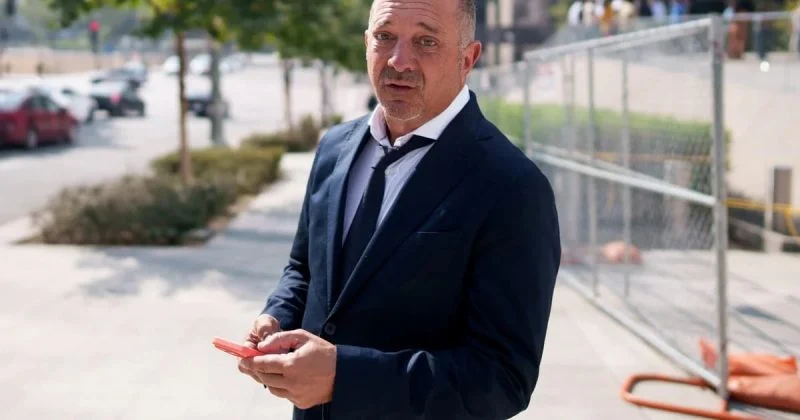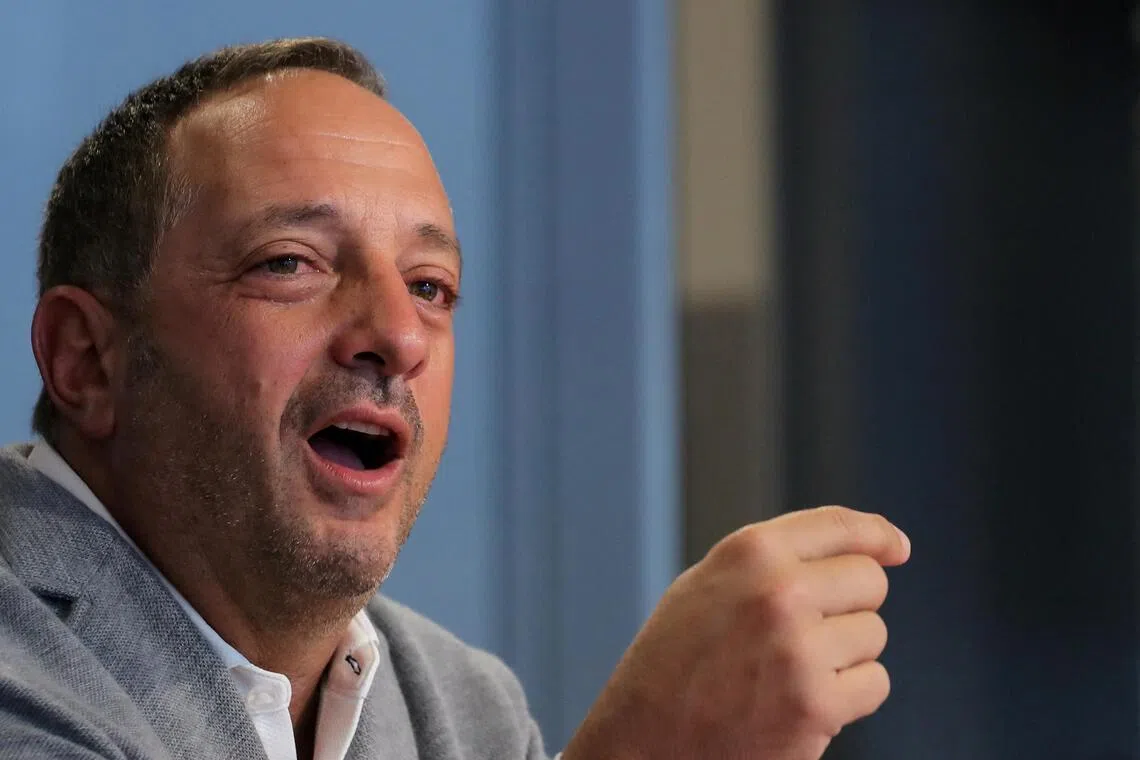
NEW YORK – Andrew Left, one of the world’s most prominent short-sellers, was found guilty of securities fraud by a US jury after a landmark trial that scrutinised his use of social media to move the price of stocks.The verdict was handed down on June 1 following a three-week trial. Left, who was convicted on 13 of the 17 counts, was accused of using explosive tweets about dozens of companies to illegally influence their shares and make a quick profit. Prosecutors said he earned about US$20 million (S$25.6 million) from such trades from 2018 to 2023.Left, founder of Citron Research, took the rare step by a criminal defendant to testify in his own defense. That allowed him to explain his tweets and trades to jurors under friendly questioning by his lawyer. But he also faced tense cross-examination by prosecutors who challenged his credibility with evidence including messages he’d sent at the time of the trades showing he wasn’t being truthful. Prosecutors presented emails that they say show Left coordinated with hedge funds on stocks he planned to short and bragged his “hot voice” with retail investors meant they could “take candy from a baby.”Left remains free on bail pending his sentencing in August. He faces the potential of years in prison.The verdict is a win for the US Justice Department in a white-collar criminal trial under President Donald Trump’s administration – though the Left case started under former President Joe Biden. Many such prosecutions have been scrapped under Trump, who has also issued pardons for some defendants who were convicted.The trial put a spotlight on the activities of activist short-sellers, who highlight companies they think are overvalued and can profit if the stock goes down. The case also examined when statements of opinion about a company cross into market manipulation – a thorny topic with potential implications for Wall Street.Left’s 2024 indictment followed a wide-ranging US probe of how participants in the lightly regulated short-selling industry trade. Firms typically build up bets that a particular company’s shares will fall, then issue research reports detailing their positions to the broader market.At the heart of the case were Left’s tweets on the platform now called X. Prosecutors alleged that his private communications around the time he was posting his tweets proved that he didn’t always believe what he was saying about the companies and gave his followers false impressions about his trading intentions.Left built a sizable social media presence following prescient calls on China Evergrande Group in 2012 and Valeant Pharmaceuticals in 2015. Prosecutors claim that, from 2018 to 2023, Left published fewer reports and more tweets trash-talking stocks and setting “extreme” price targets for them.For example, early on Jan. 8, 2019, Left opened short positions in streaming-box maker Roku, then posted on Citron’s Twitter account at 9.41am that Roku was “uninvestible,” driving down the stock, according to the government. Left then “falsely and misleadingly” claimed to be “watching ROKU from the side,” suggesting he wasn’t invested in the stock, prosecutors said. In actuality, he made US$700,000 from his short that day, the government said.The highlight of the trial was when Left took the stand. He told jurors he doesn’t believe there is anything wrong with him profiting from the “price correction” of a stock after he issues a report or tweet about a company he thinks is overvalued or undervalued.“It’s the stock market,” Left said. “I say what I believe. I speak truth. If people want to read it, read it.”The trader also testified that he does not believe there is any law that bars him from making trades in the minutes and hours after he published social media posts or research reports on them, attempting to undercut a key element of the case.“There is no specific period of time, I believe, you have to hold the position after you make a comment,” Left said, adding that he never made a comment about a company that he did not believe. BLOOMBERG
‘Take candy from a baby’: Famed short-seller Andrew Left found guilty of securities fraud
He used explosive tweets about dozens of companies to illegally influence their shares and make a quick profit. Read more at straitstimes.com. Read more at straitstimes.com.
660 words~3 min read