June 02, 2026
4 min read
Add topic to email alerts
Receive an email when new articles are posted on
Please provide your email address to receive an email when new articles are posted on .
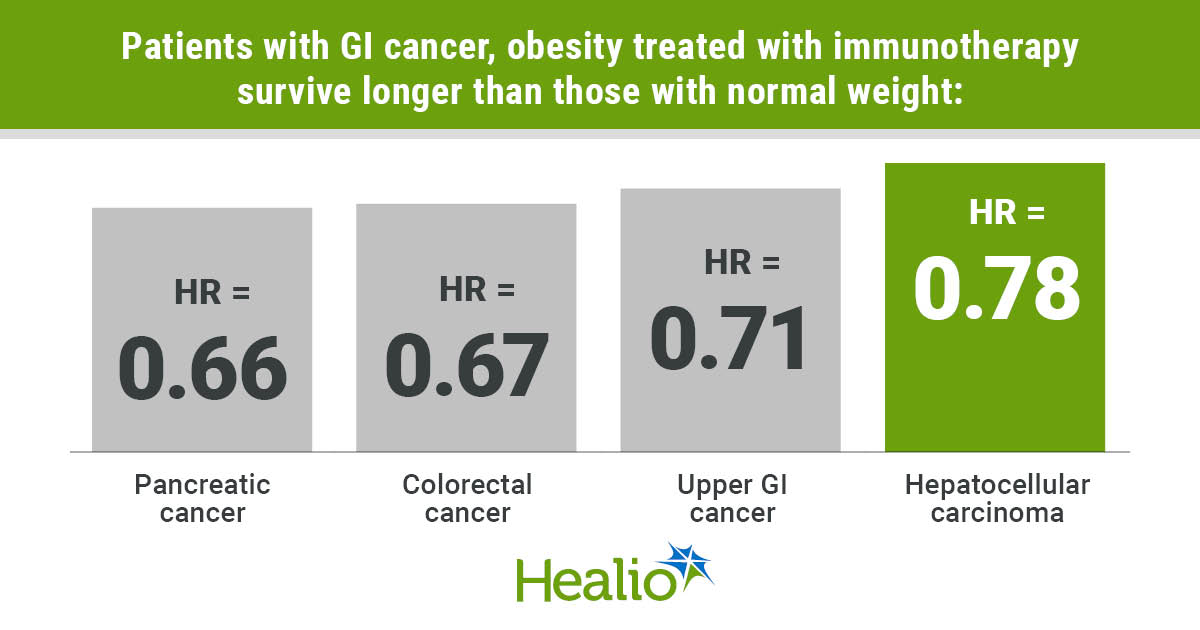
CHICAGO — Obesity has been associated with multiple gastrointestinal cancers, but patients with these malignancies and obesity who have been treated with immunotherapy appear to survive significantly longer than those with normal BMI.Data from a retrospective analysis, presented at ASCO Annual Meeting, reveal an “obesity paradox,” where patients with hepatocellular carcinoma or
June 02, 2026
4 min read
Add topic to email alerts
Receive an email when new articles are posted on
Please provide your email address to receive an email when new articles are posted on .

Behavioral interventions may lower risk for some obesity-related cancers, according to data presented at the International…
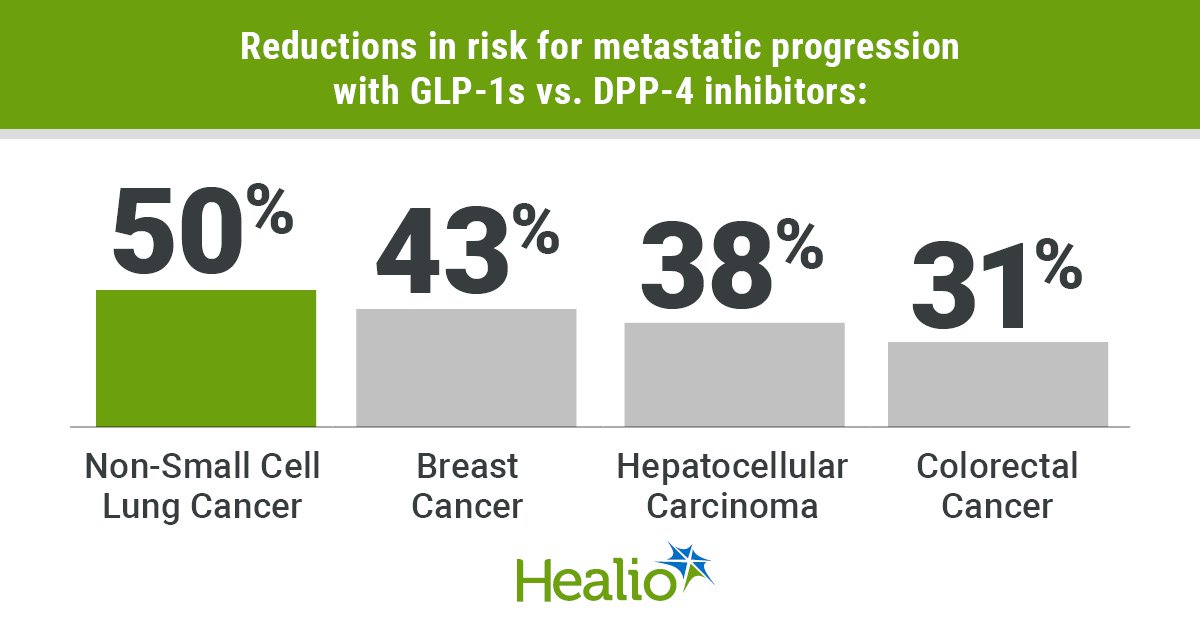
CHICAGO — GLP-1 receptor agonists may help mitigate progression of at least some obesity-related cancers, according to…

CHICAGO — In this video, Sherry Shen, MD, discusses her educational session on lifestyle and survivorship for patients with…
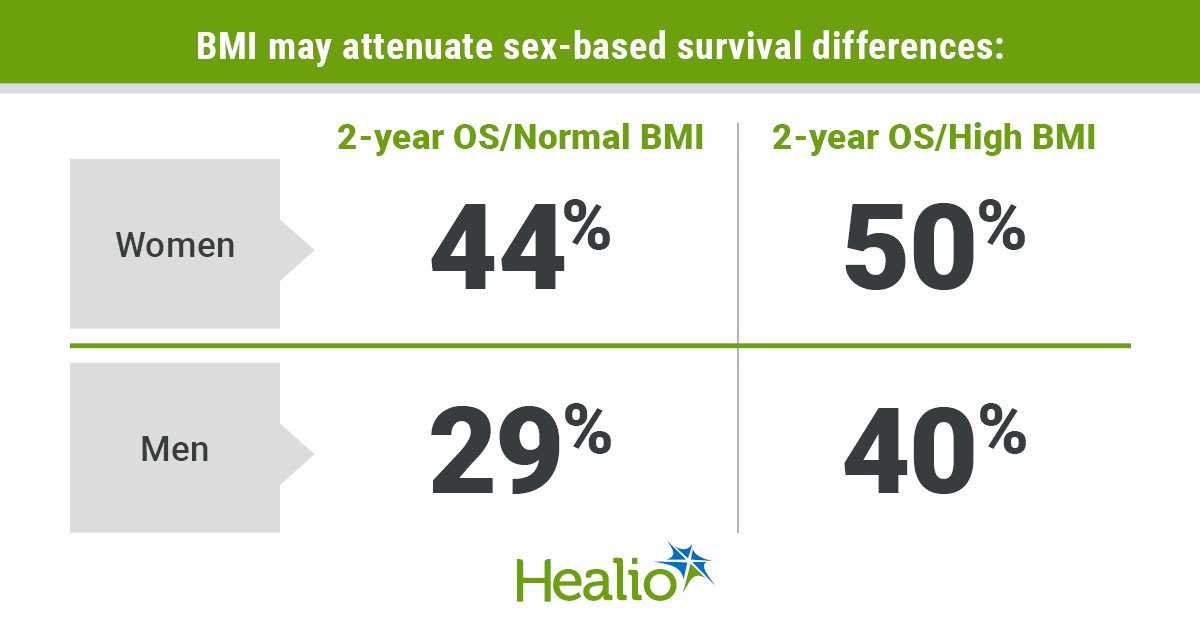
Collecting BMI data could further research into why women with lung cancer have better survival outcomes than men.An evaluation…
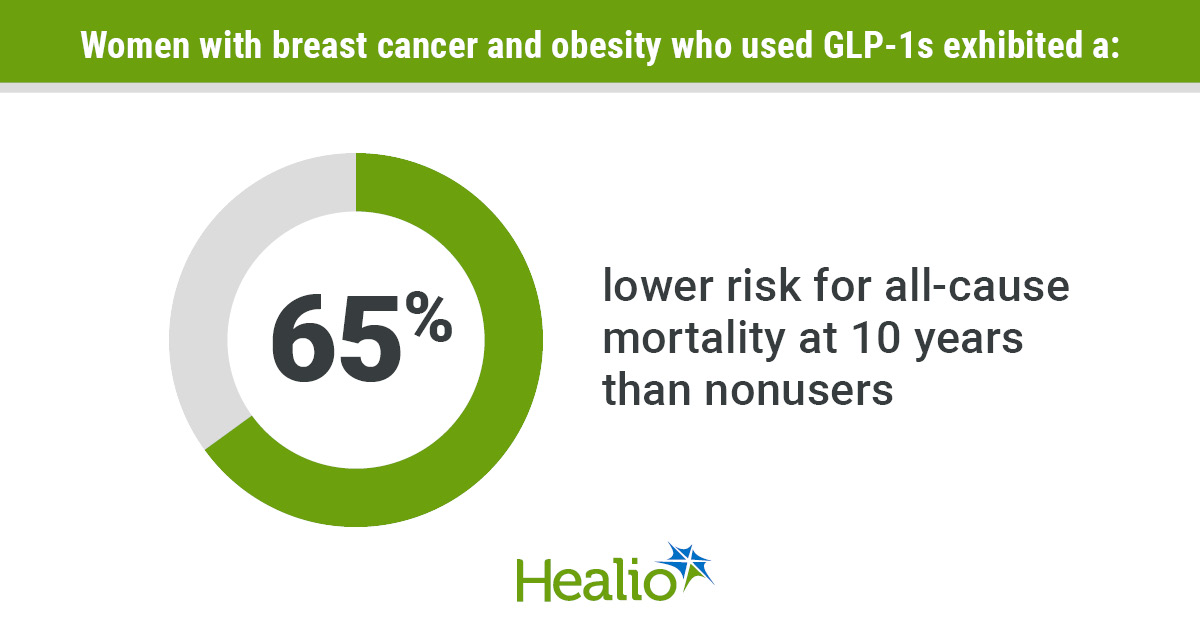
GLP-1 receptor agonists may help improve outcomes among women with breast cancer and chronic cardiometabolic diseases, results of…

AGA’s recent white paper provides a framework to navigate the latest innovations in obesity care, including GLP-1 receptor…