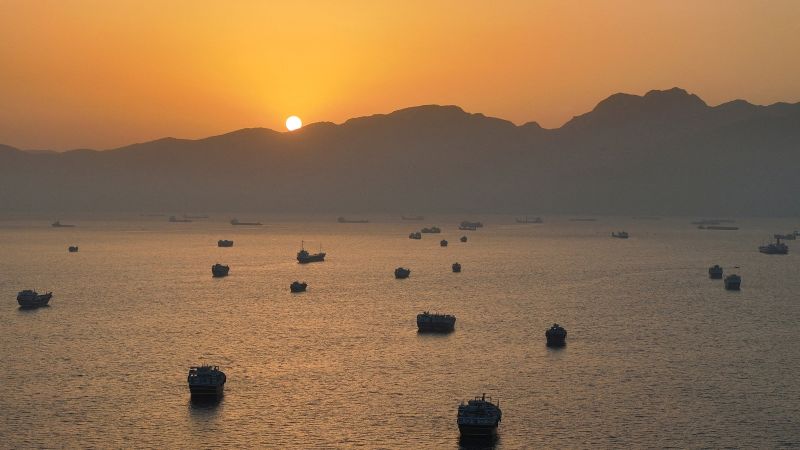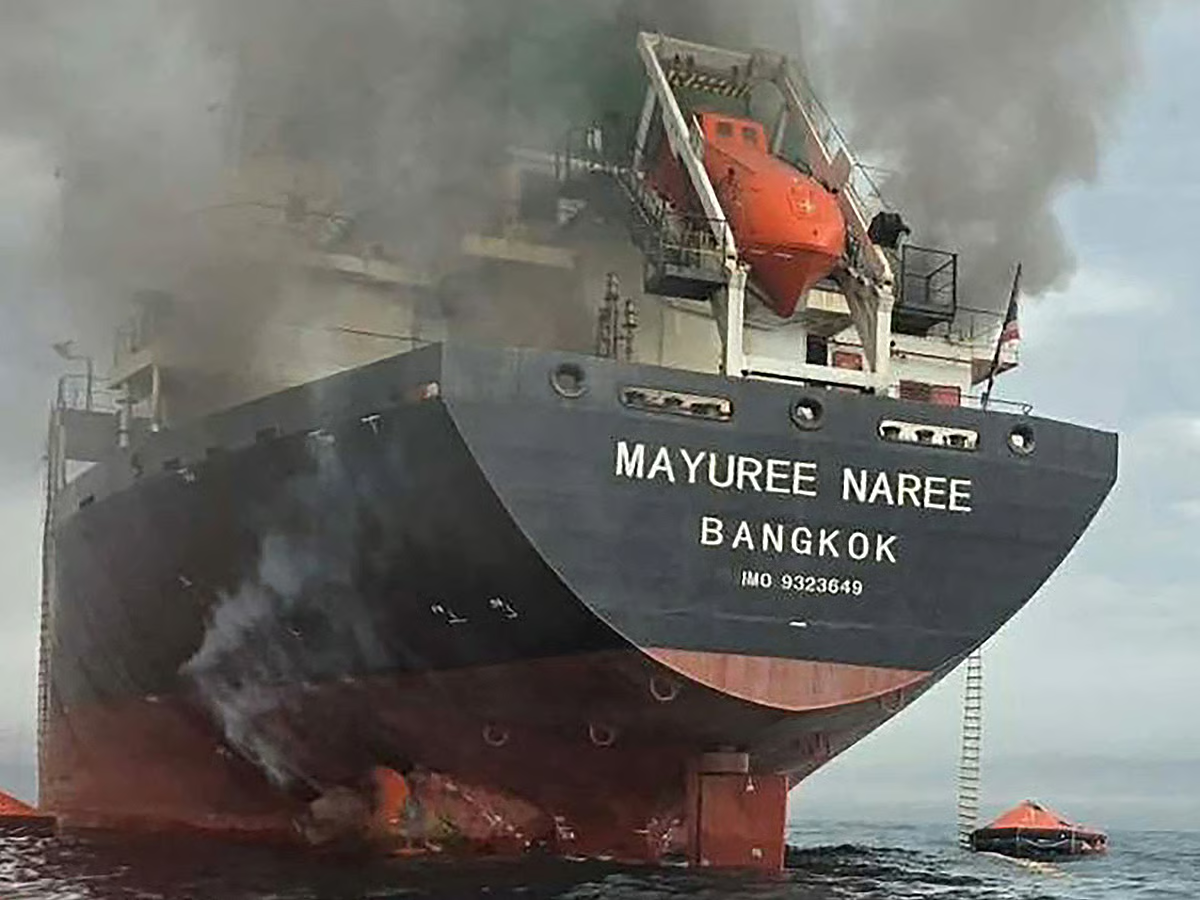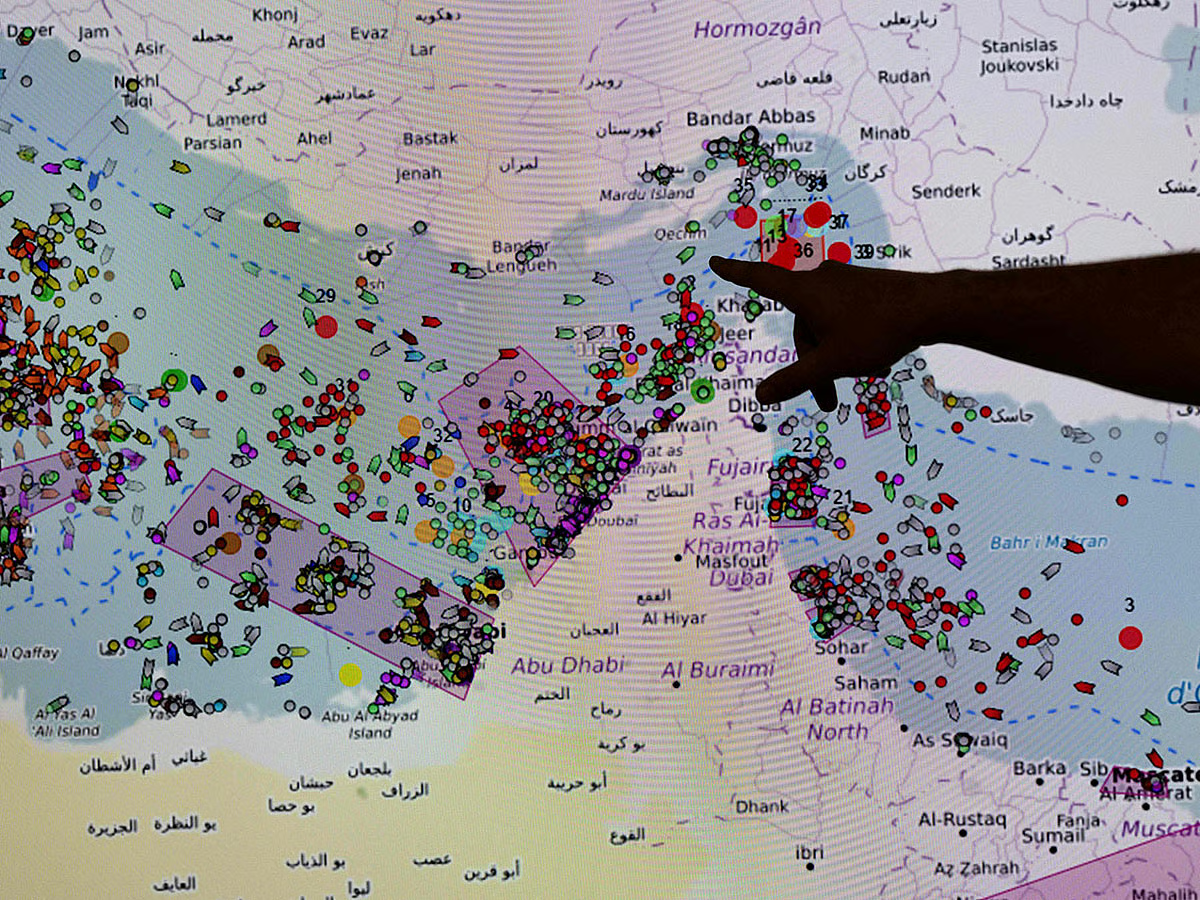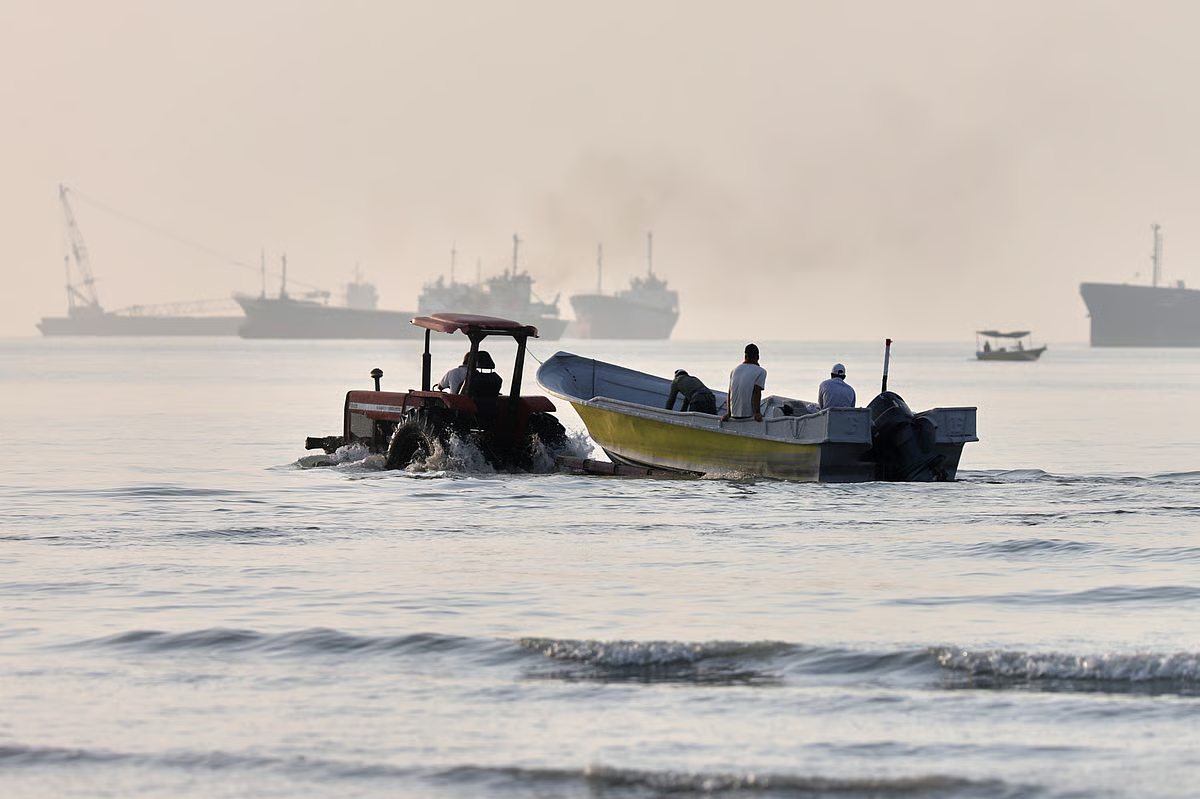
Shipowners and insurers await stronger security guarantees as traffic remains sparseLast updated: June 02, 2026 | 16:043 MIN READA tractor tows a small boat through shallow water as cargo ships and industrial vessels are anchored in the Strait of Hormuz off Bandar Abbas, Iran, Monday, June 1, 2026. APDubai: More than three months after conflict effectively brought commercial shipping in the Strait of Hormuz to a standstill, the world’s most important energy chokepoint remains a shadow of its former self, with shipowners still reluctant to return despite growing talk of reopening.Despite President Donald Trump’s repeated assertions that the Strait of Hormuz is on the path to reopening, many of the world’s largest shipping companies remain unwilling to return, leaving traffic at a fraction of normal levels and raising questions about how quickly global trade can recover.The gap between political optimism and commercial reality was on display this week in Athens, where shipping executives gathered for the International Shipping Exhibition with one issue dominating discussions: When it will truly be safe to sail through Hormuz again.According to a report by CNN, shipowners, insurers and cargo operators remain deeply cautious despite signs of diplomatic progress between the United States and Iran. Industry executives say a lasting peace agreement and stronger guarantees of safe passage are needed before normal shipping patterns resume.The Strait of Hormuz, a narrow channel linking the Gulf to the Arabian Sea, is one of the world’s most important maritime chokepoints. Roughly a fifth of global oil supplies normally pass through the waterway, along with liquefied natural gas and other commodities critical to the global economy.Yet traffic remains severely depressed.7 ships transited on FridayCNN reported that only seven ships transited the strait on Friday, followed by four more departures over the weekend, citing data from research firm Kpler. Under normal circumstances, around 100 cargo-carrying vessels pass through the waterway every day.“Traffic still remains exceptionally depleted,” Matt Smith, director of commodity research at Kpler, told CNN.The limited movement has done little to reassure the shipping industry.Hormuz by the numbersAround 20% of global oil supplies normally pass through the Strait of Hormuz About 100 cargo-carrying vessels typically transit the waterway daily Only seven ships reportedly passed through on Friday Four additional vessels departed over the weekend Six Maersk container ships remain inside the Gulf Dozens of vessel strikes have been reported since the conflict began Shipping executives say confidence, not diplomacy alone, will determine when traffic returns to normal levelsGene Seroka, executive director of the Port of Los Angeles and a former Middle East shipping executive, told CNN that a handful of successful voyages would not be enough to restore confidence.“The larger issue is whether carriers, insurers and vessel operators have enough confidence in the long-term security environment to resume regular service patterns,” he said.Industry concerns have been reinforced by continuing security incidents in the region. On Monday, a cargo vessel travelling in the northern Gulf was reportedly struck by an unidentified projectile, according to a British maritime security organisation cited by CNN.The International Maritime Organisation has recorded dozens of vessel strikes and multiple deaths since the conflict began, underscoring the risks still facing commercial shipping.Shipping executives say confidence, once lost, is difficult to rebuild.Even efforts to encourage commercial traffic through military support have yielded limited results. CNN reported that a previous initiative involving US military assistance for commercial vessels proved short-lived, while US Central Command said it is currently coordinating with ships rather than escorting them.Container shipping has also been affected. Several vessels remain stranded inside the Gulf, including six ships belonging to Danish shipping giant Maersk, according to CNN.The disruption is already having ripple effects across the global shipping industry.With Hormuz largely avoided by many operators, freight rates in other regions have surged. Greek tanker operator Heidmar reported a sharp increase in revenue, driven by what its chief executive described as historically elevated shipping rates.Energy companies also warn that reopening the waterway will not instantly restore normality.Shipowners assess risksAccording to CNN, Mike Wirth, chief executive of Chevron, said rebuilding confidence would take time as shipowners assess risks and crews consider returning to routes that have been affected by months of disruption.Analysts say the lesson from the crisis is that reopening a strategic waterway is not simply a political decision. Even if diplomatic agreements are reached and military tensions ease, commercial shipping depends on confidence — among shipowners, insurers, crews and cargo operators alike.For now, that confidence remains in short supply.As a result, one of the world’s most important trade arteries remains largely quiet, with only a trickle of ships moving through a route that normally serves as a lifeline for global energy markets. While political leaders talk about reopening Hormuz, the shipping industry appears to be waiting for proof that the waterway is truly safe before returning in force.A Senior Associate Editor with more than 30 years in the media, Stephen N.R. curates, edits and publishes impactful stories for Gulf News — both in print and online — focusing on Middle East politics, student issues and explainers on global topics.
Three months of paralysis: Strait of Hormuz remains a ghost route
Strait of Hormuz shipping remains paralysed months after conflict, with tanker traffic a fraction of normal and shipowners wary despite talk of reopening.
908 words~4 min read