(Image credit: Getty / Bloomberg)
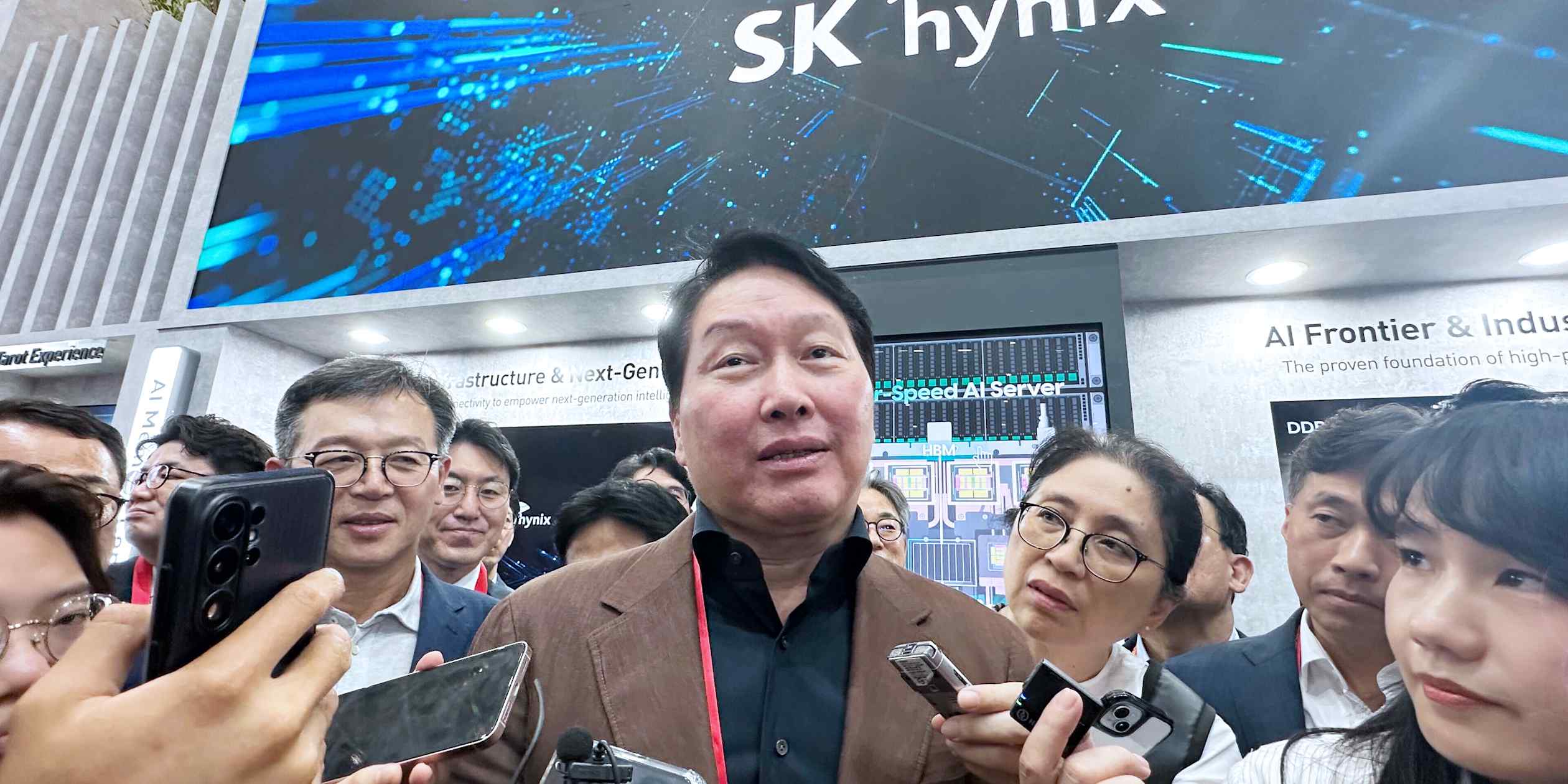
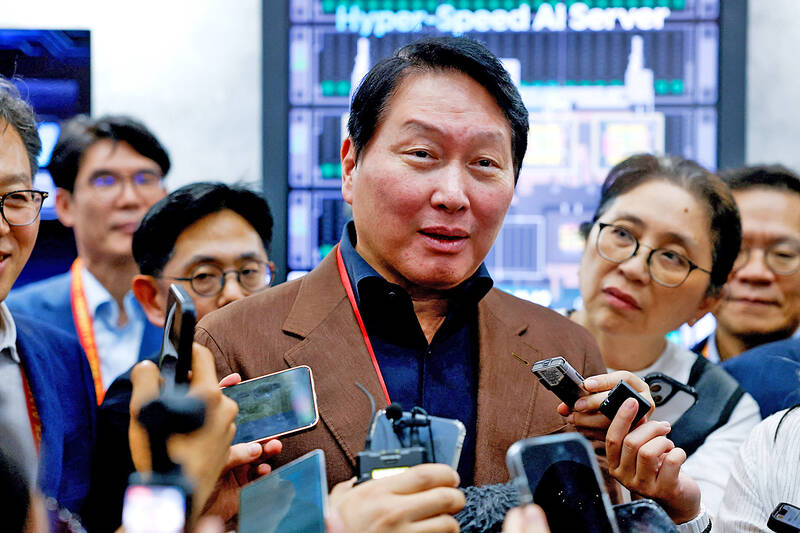
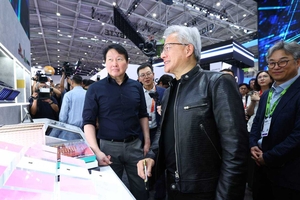
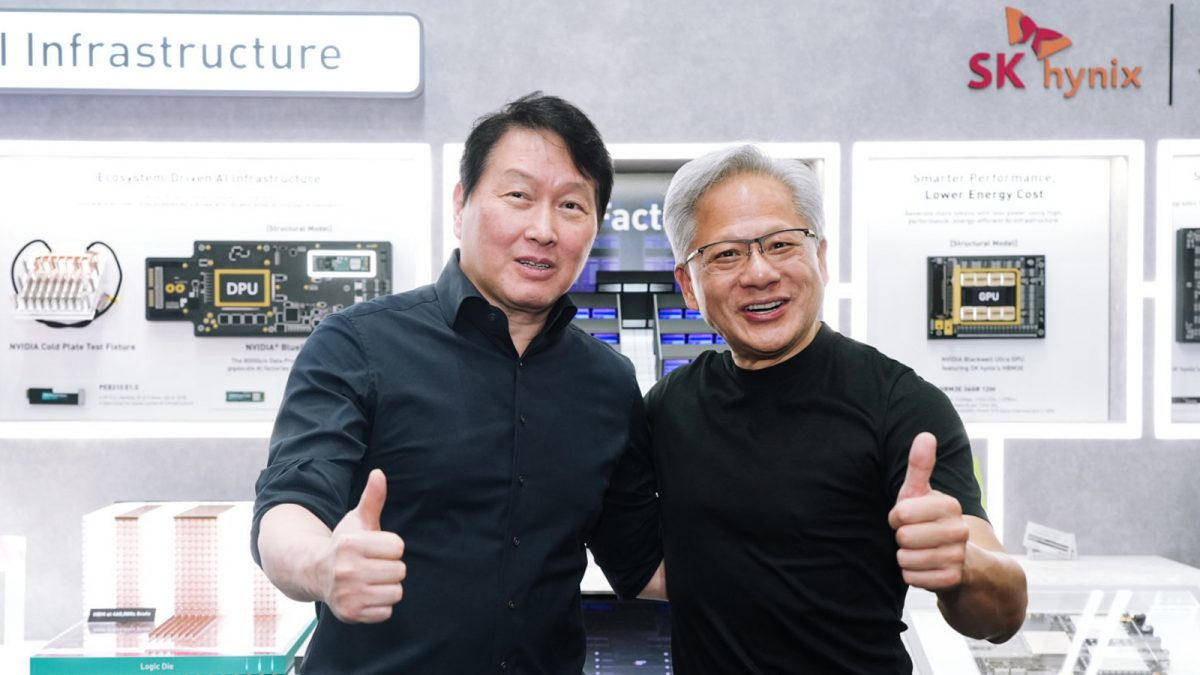
SK hynix will double its memory wafer capacity within five years, SK Group chairman Chey Tae-won told reporters at Computex in Taipei on June 2nd, while repeating his forecast that the AI-driven shortage gripping the memory market will run until 2030. As reported by Bloomberg, Chey declined to put an exact dollar figure on the expansion, saying instead that the company's 2026 spending would climb well above the 30.2 trillion won (roughly $20 billion) it spent in 2025, and confirmed SK hynix has filed to list American depositary receipts in New York this year.Go deeper with TH Premium: MemoryOn its own timeline, the pledge will do little to shorten the squeeze. Chey put the lead time for a greenfield fab at more than five years, placing fresh output near the tail end of the shortage window that he’s predicting. This new stance is also a significant departure from his March comments at Nvidia’s GTC conference, where he said a new fab wasn’t planned and that capacity couldn’t be added on demand.Chey also said the cost of the buildout is difficult to pin down because prices for land, equipment, and electricity keep moving, which is likely why no figure accompanied the announcement. With the company's existing lines already saturated, customers have offered to buy SK hynix's EUV scanners and prefund fab lines as available capacity has fallen to near zero. "Until 2030, there's still some shortage," Chey told reportersUltimately, it’s HBM that’s driving the massive gap between wafer supply and demand. HBM consumes far more wafers per bit than standard DRAM and carries the industry's highest margins, so capacity keeps tilting toward them. SK hynix holds about 57% of the HBM market and 32% of global DRAM, and Chey has said he wants the company to become a major HBM supplier for Nvidia's Vera Rubin platform and is seeking more manufacturing partnerships in Taiwan beyond TSMC.But buyers aren’t waiting on new fabs for relief. TrendForce projected DRAM contract prices to rise 63% in the second quarter after climbing roughly 95% in the first, and DDR4 spot pricing ran up around 2,200% over 12 months before a recent decline. Even with capacity doubling, outlooks across the next five years are unchanged, and the market is likely to stay tight for the rest of the decade as things currently stand with AI demand.