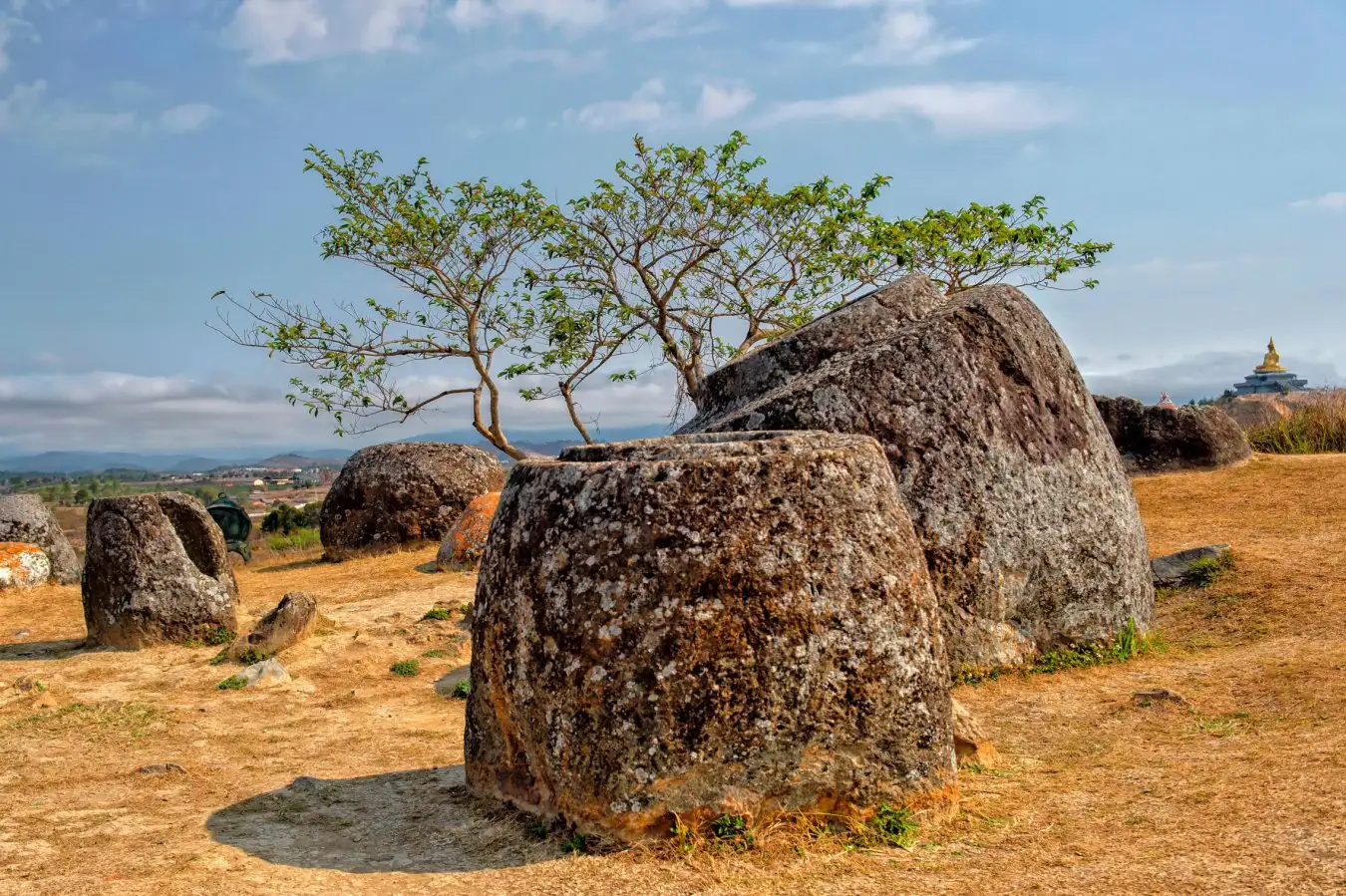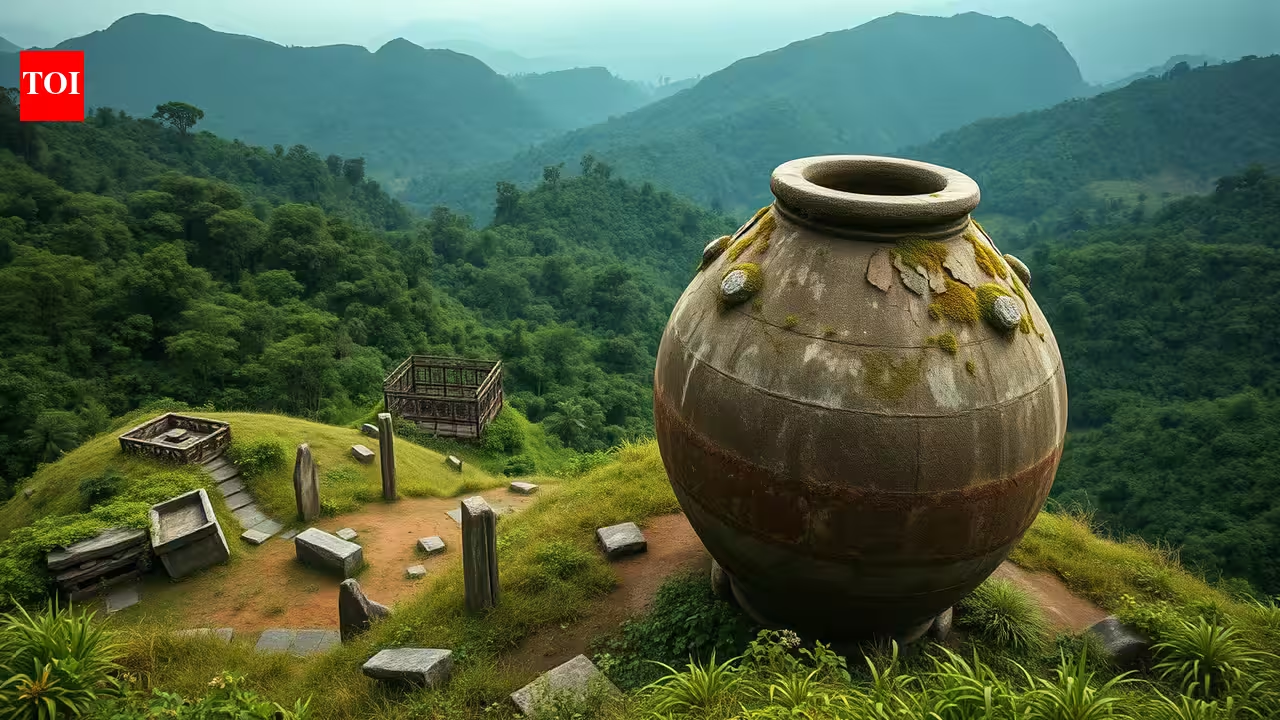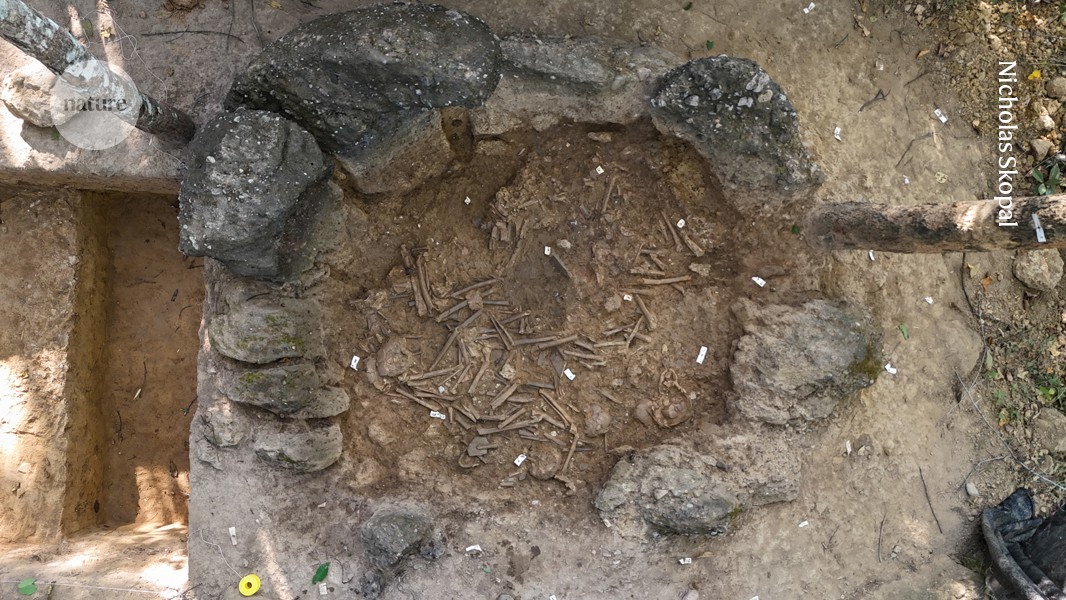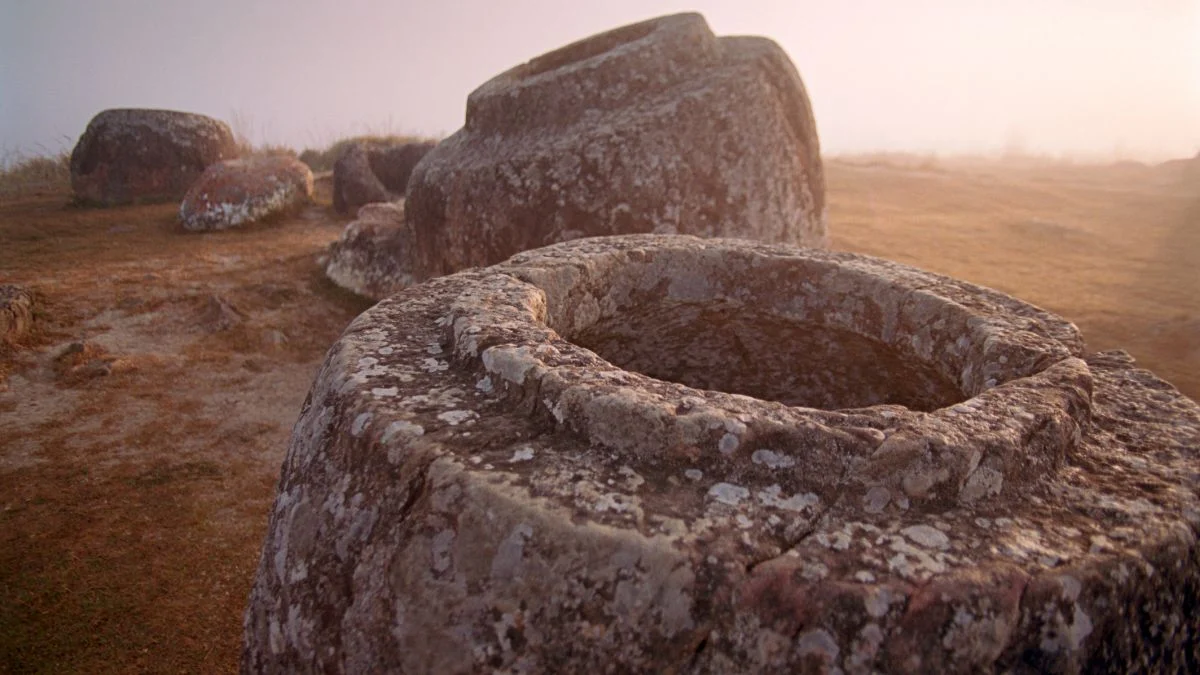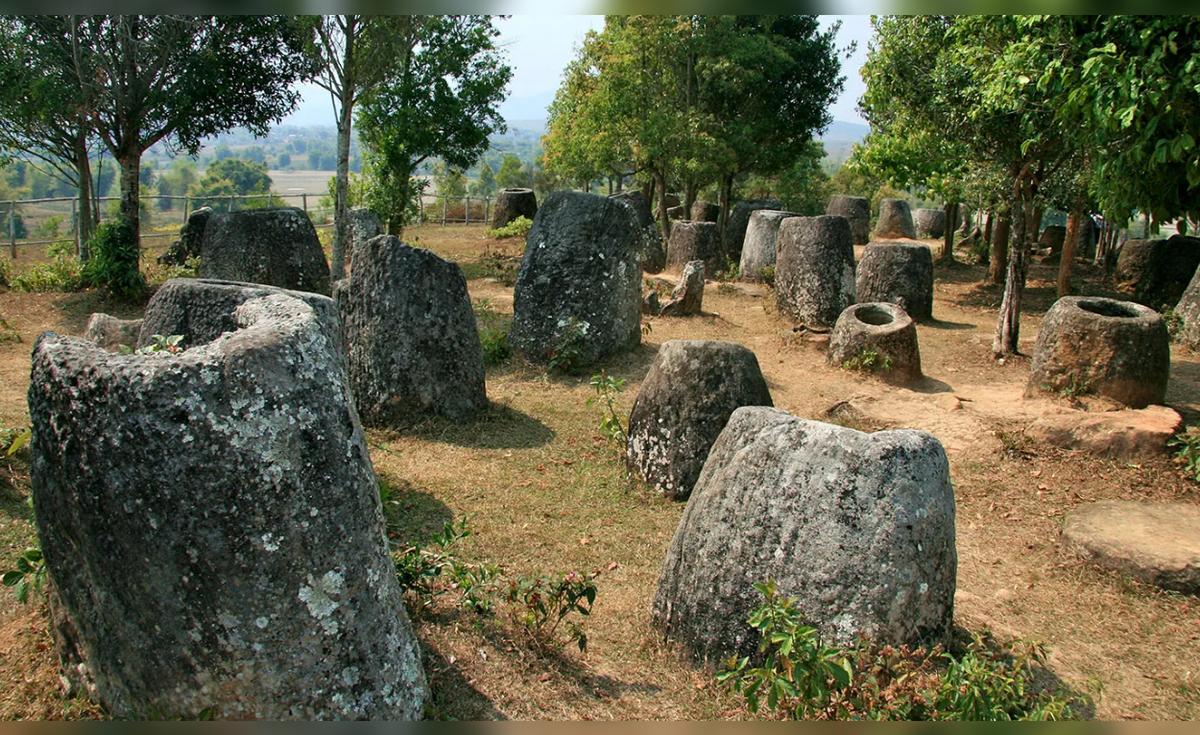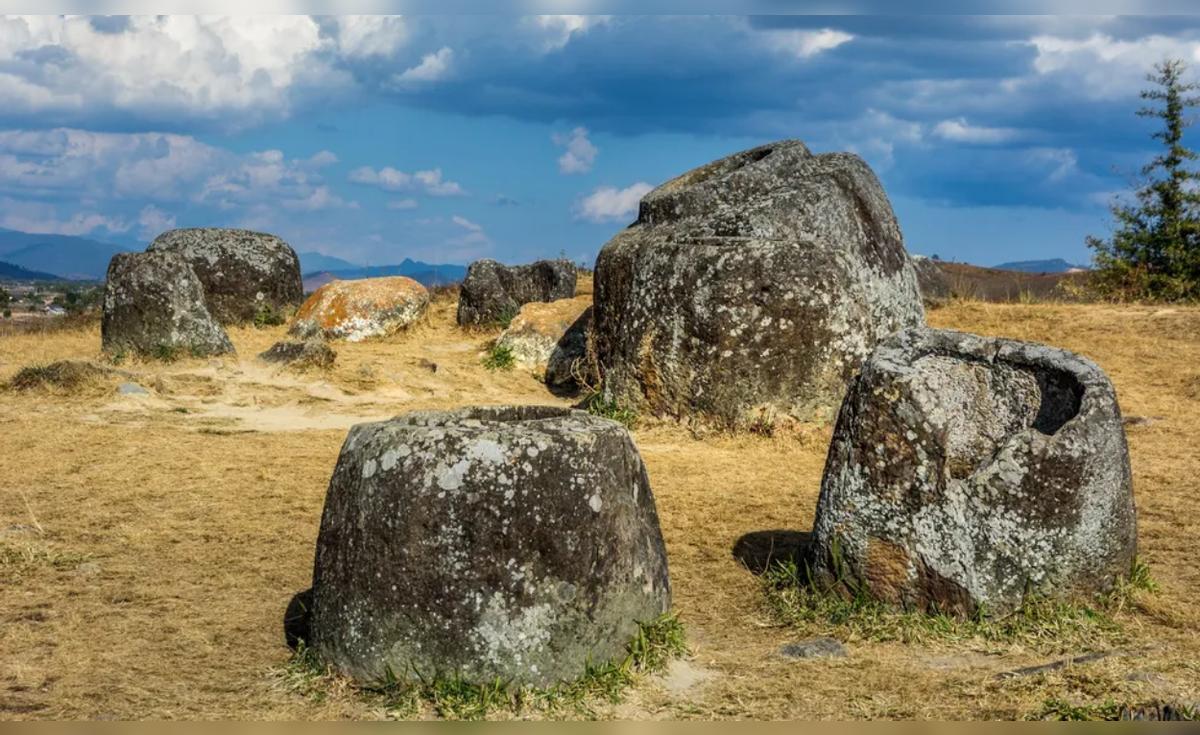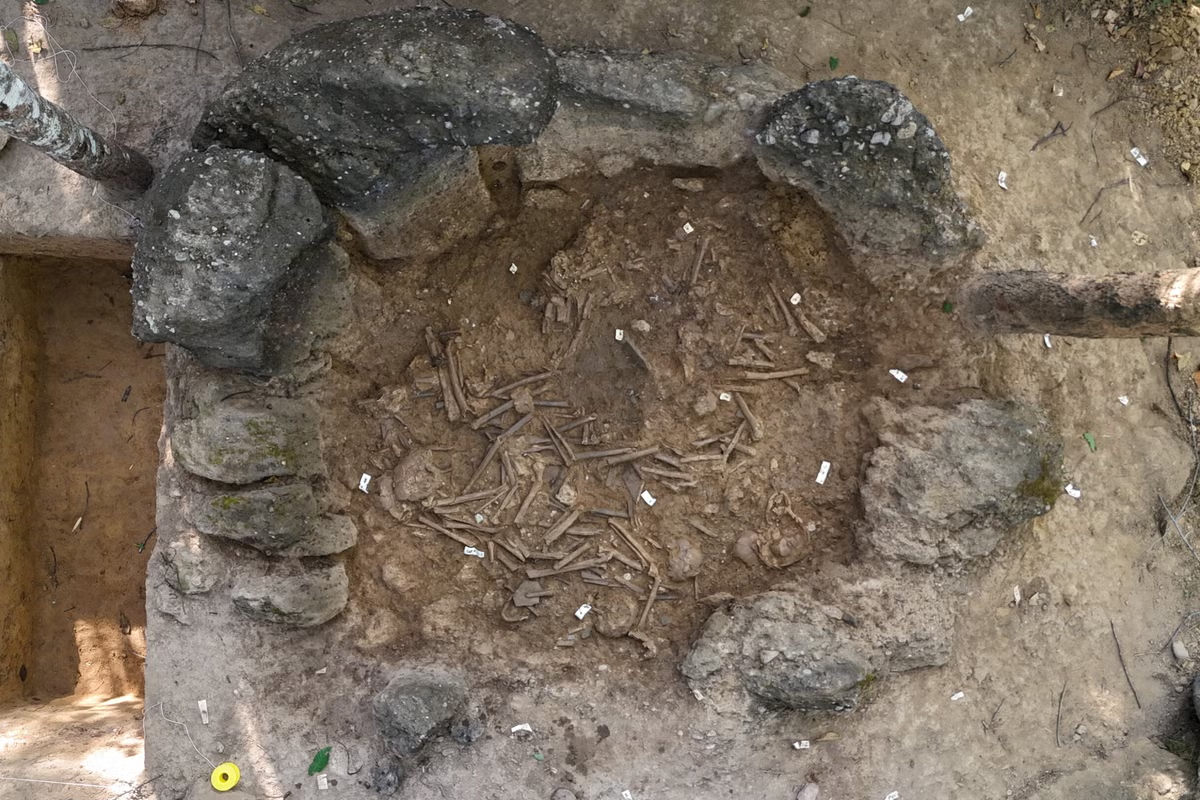
Scientists believe they have established the purpose of hundreds of giant stone jars spread across northern Laos, potentially solving a mystery that has baffled experts for decades.Hundreds of these jars, some weighing several tons, have been discovered across the remote uplands of northern Laos and they were thought to be hundreds – if not thousands – of years old, but their exact purpose had remained unclear. Now, a new study suggests they were used in mortuary rituals and contain the bones of multiple generations, acting like an ancient version of a family crypt. To better understand their origins, researchers excavated one of the jars at Xieng Khouang Plateau, in an area aptly named the Plain of Jars, measuring over a metre high and more than two metres wide, located northeast of the Laotian town of Phonsavan. Jar under excavation (Nicholas Skopal)Inside, they uncovered densely packed human bones, consisting of the remains of at least 37 people, shedding more light on the mortuary traditions of early communities in the region.Scientists estimated that the jar was used over a long period of time, possibly up to 270 years, with multiple phases of use.“We determined that it was an example of secondary internment during the 9th and 12th centuries AD, in which human remains were deposited after an initial period of decomposition elsewhere,” said archaeologist Nicholas Skopal from James Cook University in Australia.He said that “the jar looked a bit like a giant stone cauldron that had collapsed in on itself”. Dr Skopal was quoted as saying by The New York Times: “Honestly, it was one of those rare excavation moments where everyone becomes very quiet. We expected archaeology, but not such a dense, intact concentration of body parts.” Location of Site 75 in the Xieng Khouang Province of Lao People’s Democratic Republic (Antiquity (2026))The findings could reshape our understanding of one of Southeast Asia’s most puzzling ancient landscapes, according to the study published in the journal Antiquity.The findings challenge some earlier assumptions that the jars were intended as final resting places and that they dated to the Southeast Asian Iron Age (500 BC - 500 AD).“We think jar interment may have been one stage in a multi-step funerary sequence,” Dr Skopal says. “The number of individuals also suggests the jars were likely owned by family or extended family groups and served as places where ancestral rites were performed over generations.”He said that little is known about the identities, health, or origins of the people buried there, though ongoing analysis of the skeletal remains may provide answers. Skulls and long bones were carefully arranged around the jar, suggesting it was used as an “ossuary”, a burial site for a family, lineage, or close community rather than a single individual, Dr Skopal said. A) aerial photograph of bones within the jar; B) a skull displaying evidence of association from the west side of Jar 1; C) skull fragments exposed after a large jar fragment was lifted from the west side; D) photogrammetry model (Antiquity (2026))The team led by Dr Skopal and Souliya Bounxayhip, an archaeologist with the Lao Department of Heritage, also uncovered a collection of artefacts, including iron tools, earthenware, stone slabs, a copper bell, and glass beads. These Glass beads found inside the jar were chemically analysed and found to have been produced in South India and Mesopotamia. This shows evidence of previously unknown trade connections between Southern and Western Asia and the Laotian highlands.The jars and their use for burial correspond with a period of increasing trans-Asian connectivity, scientists say.This was likely facilitated by commercial expansion under several flourishing kingdoms, including China’s Song Dynasty and Cambodia’s Khmer Empire.“The preservation encountered here offers an exceptional window into past mortuary practices, and indicates that many comparable sites may still exist, awaiting discovery,” Dr Skopal said.“Continued investigation of these landscapes has the potential to fundamentally transform our understanding of the cultural and social dynamics that shaped the region,” he said.
Mysterious ancient stone jars may have been used like family crypts, study finds
Thousands of mysterious stone jars are scattered across northern Laos, and archaeologists now report that these may have been used for communal burial
TL;DRAI
Stone jars in Laos identified as family ossuaries (9-12th century) holding 37+ skeletons used 270 years. Bead analysis maps India-Mesopotamia trade links, showing forensic archaeology's value for reconstructing ancient global networks and commerce.
656 words~3 min read