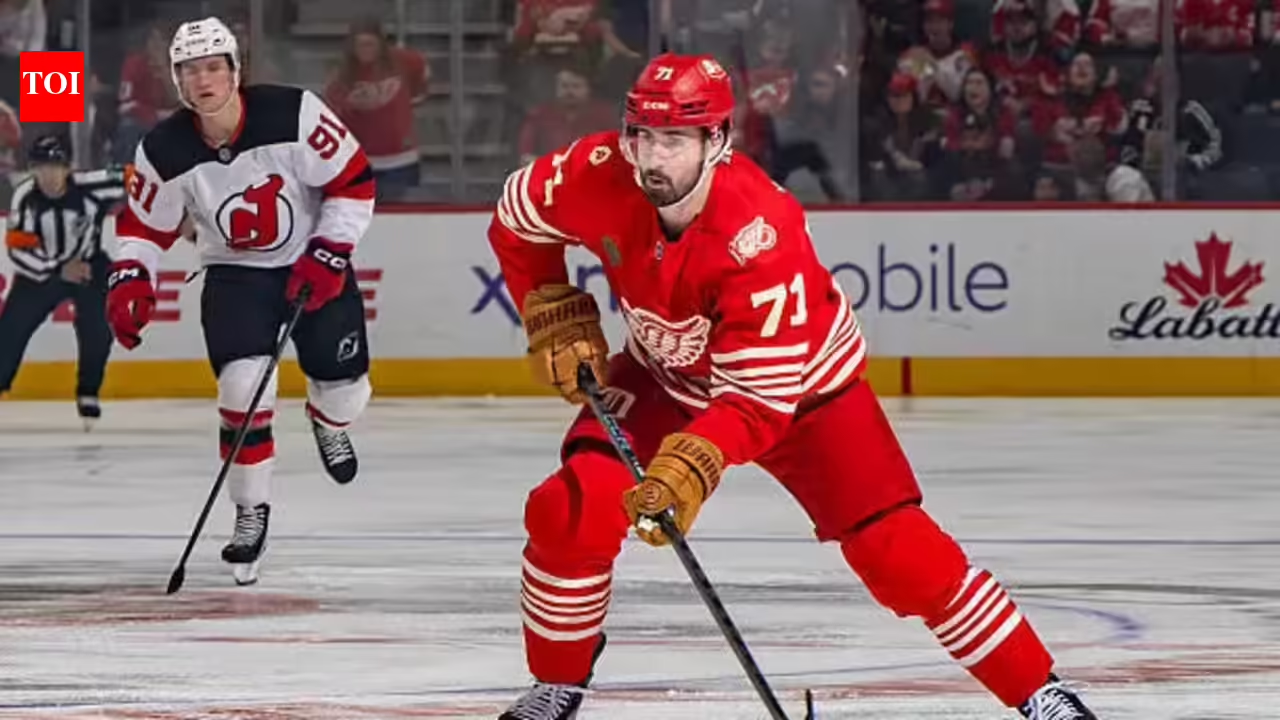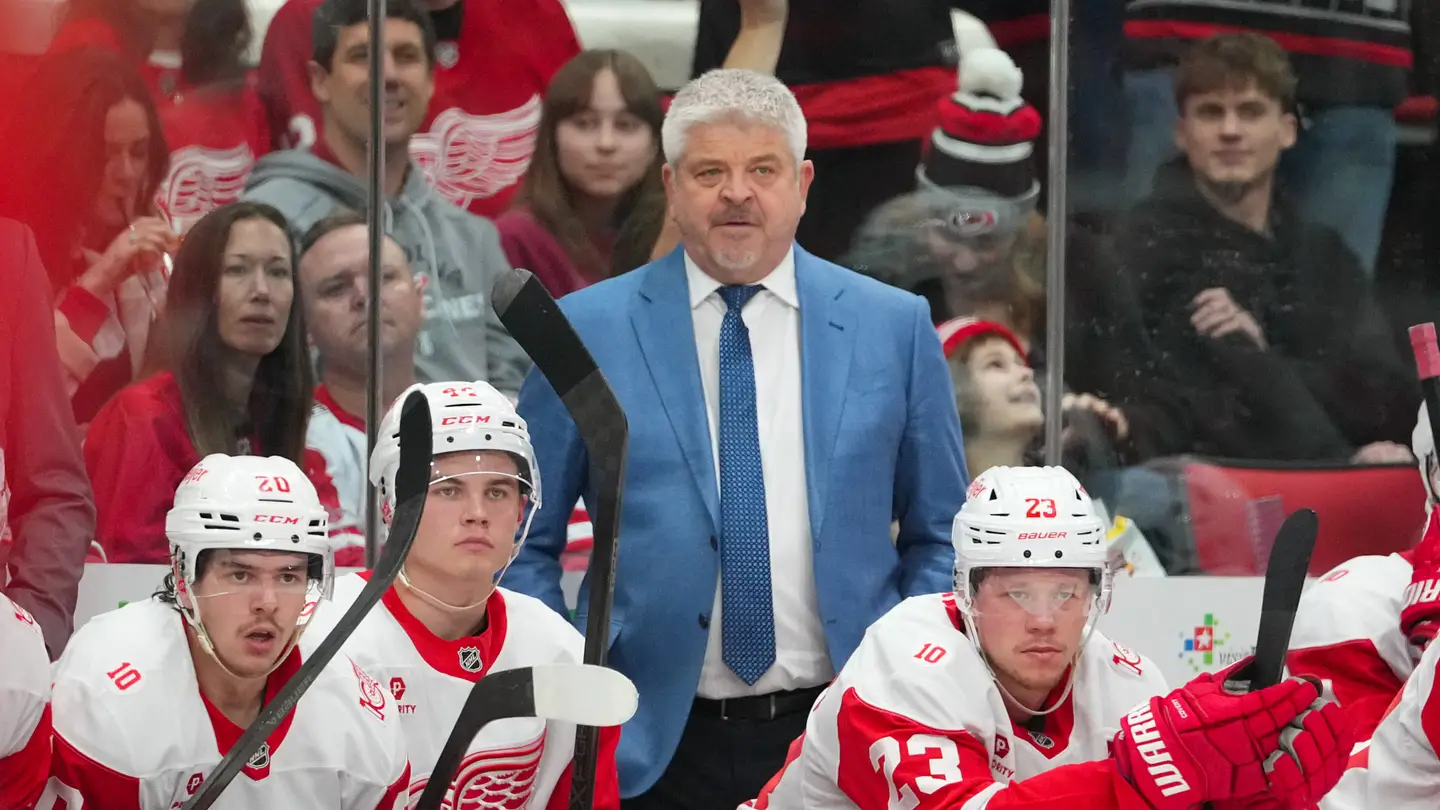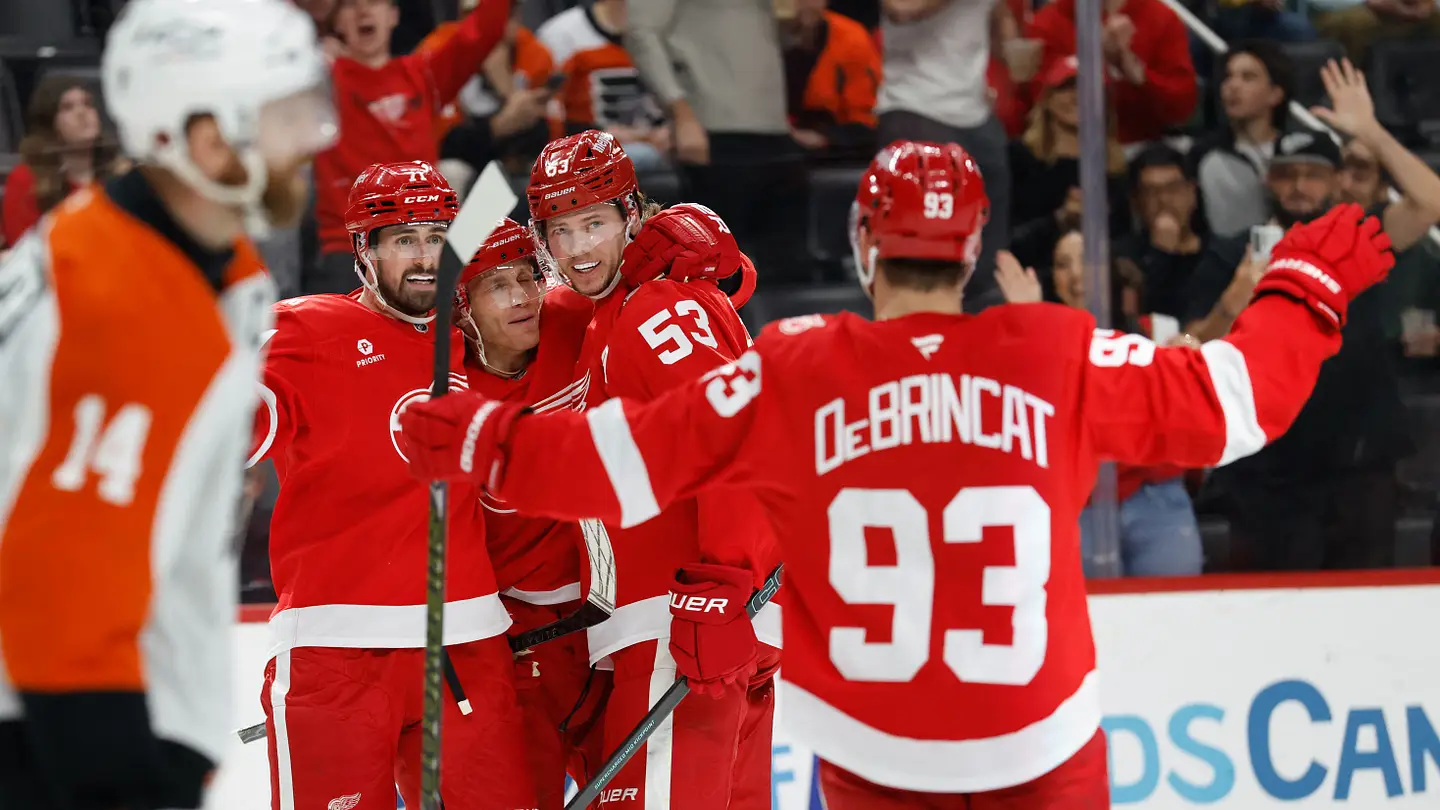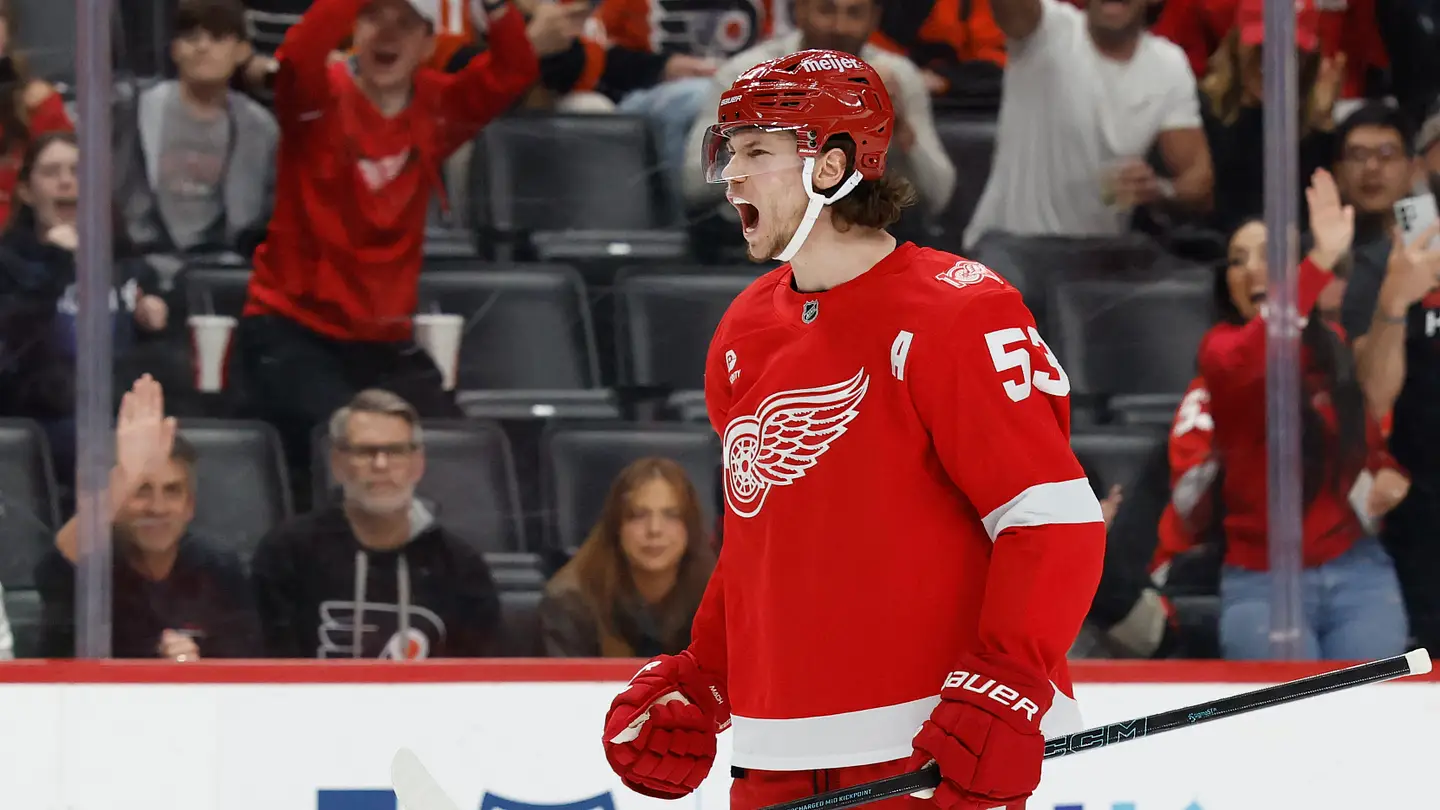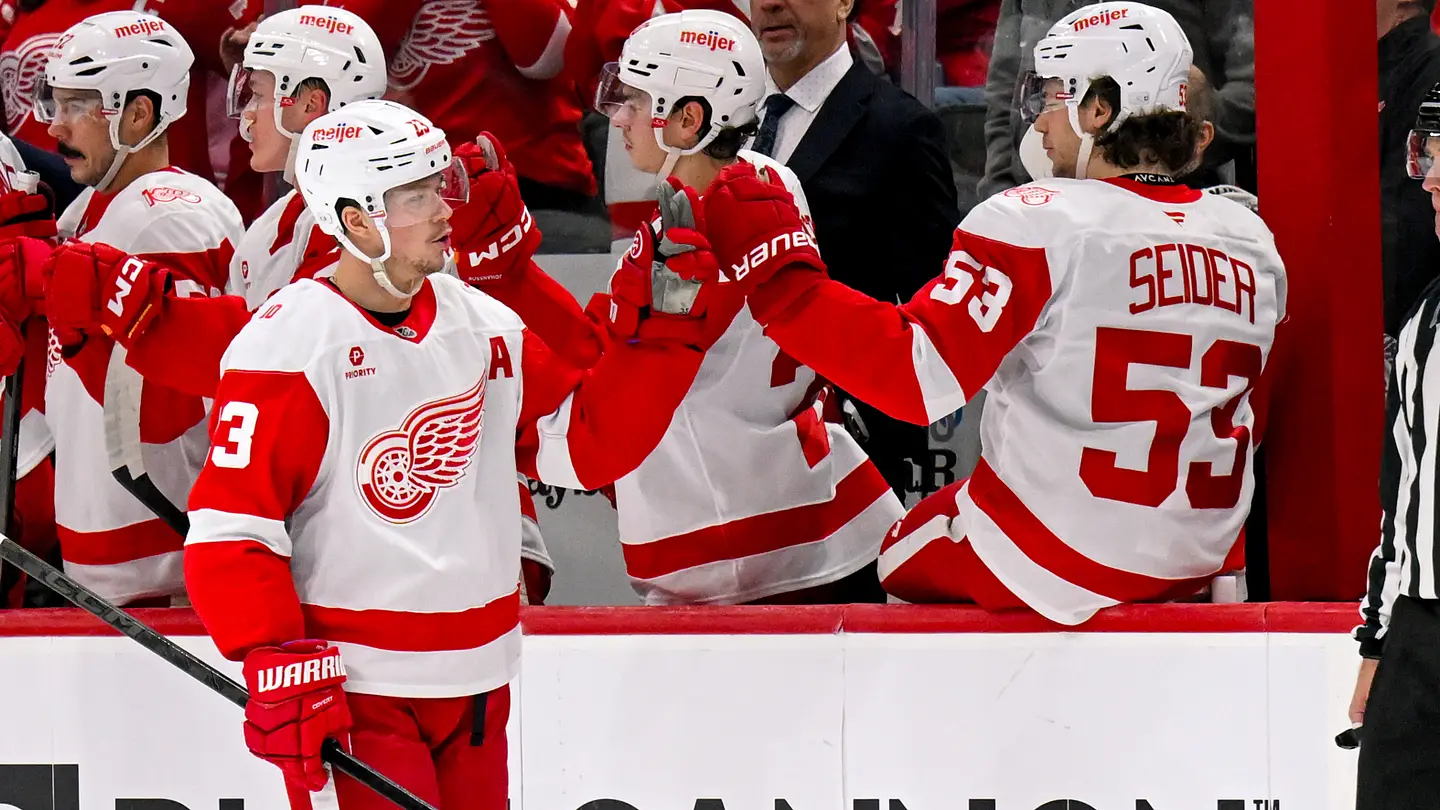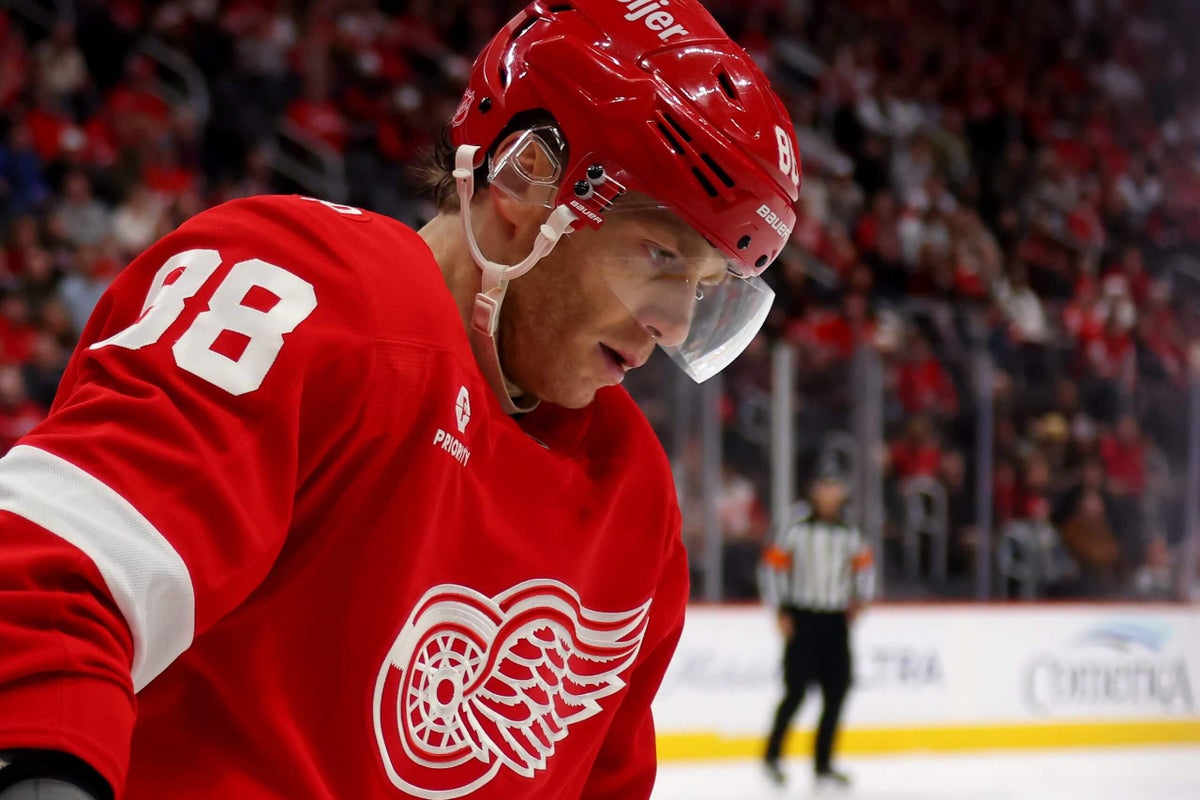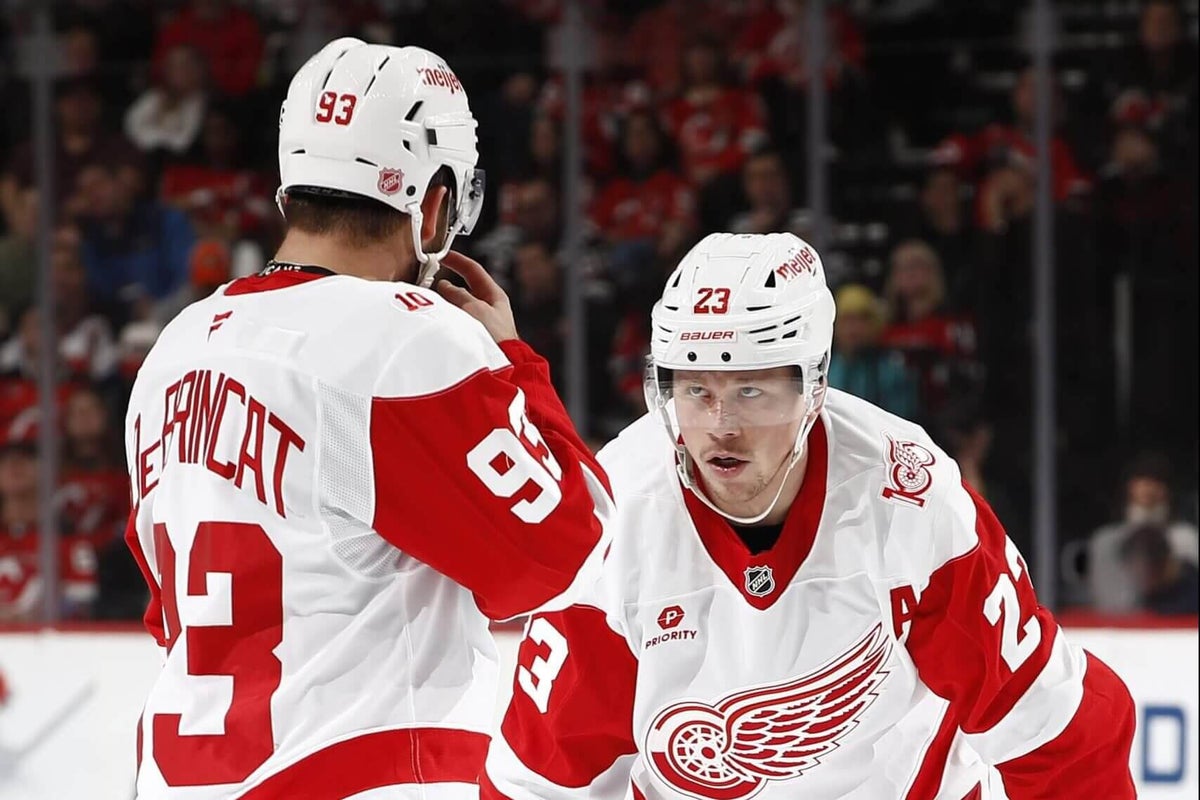
At a certain point, a team’s potential and long-term outlook have to have some sort of tangible outcome.In Detroit, a postseason appearance would be a start.But no matter how much progress the Red Wings make, or how close they seem to returning to the playoffs, it all falls apart in the month of March.When the calendar turned to 2026, Detroit was first in the Eastern Conference. By the time the playoffs started, the Red Wings’ season was already over, as the team finished seven points back of eighth place.With risers such as the Canadiens, Sabres and Senators all passing the Red Wings, the team is facing another challenging offseason. So what’s missing to make Detroit playoff-caliber, let alone a true contender?Here’s where the Red Wings stand going into the 2026-27 season, using the Cup Checklist. All projected values are age-adjusted based on each player’s profile of comparable peers.What the Red Wings have The Red Wings have the makings of an elite core, built around their most valuable player: Moritz Seider.Seider is coming off one of his best years yet, where he proved to be one of the most complete defensemen in the league. His shutdown play is a much-needed stabilizer, and his offensive impact this year has rounded out his game.At 25 years old, Seider still has a really bright path ahead — now he just needs more support behind him, so the team isn’t in shambles when he’s on the bench.Simon Edvinsson is proving to be a solid No. 2 shutdown threat behind him. And with the addition of John Gibson, the Red Wings have steadier goaltending. Gibson’s season was far from perfect, but it was his best in a starting capacity since 2018-19, with 16.4 goals saved above expected in 56 appearances.With enough defensive support, Gibson should be able to maintain that level next season. The wild cards with him are durability and age, but Detroit does have help coming in the pipeline behind him.Up front, Alex DeBrincat only projects to be worth a plus-11.9 Net Rating next year, which is only passable at the level he’s slotted on the checklist. But his previous few seasons have something to do with that. If DeBrincat can prove that this past year — where he put up 41 goals, improved his play-driving and defense, and earned a plus-17.3 Net Rating — is the level to expect moving forward, then he absolutely has the chops to be the star forward this team needs.Raymond, at the very least, meets the mark as a shutdown forward for now. Dylan Larkin leads that next layer as a scoring forward in the supporting cast. Below him, there’s some budding depth from Emmitt Finnie and some veteran help from Andrew Copp.What the Red Wings need The Red Wings already traded for Justin Faulk, a player they hope can fill a hole. He had 16 goals and 40 points last season, though Net Rating didn’t like his overall offensive impact nearly as much as the counting stats might suggest. Over the last couple of seasons, his defensive impact improved, but it came at the expense of his offense. You’d hope that a new season (and a training camp) has him comfortable from Day 1 next season, but even then, there’s plenty of ground to make up from where Net Rating had him last season, and at 34, the cliff does loom.
Red Wings Stanley Cup checklist: Seider leads, but Detroit’s forward problem persists
No matter how much progress the Red Wings make, or how close they seem to returning to the playoffs, it all falls apart late in the season.
TL;DRAI
Questo articolo su gli Detroit Red Wings (hockey NHL) non rientra nel profilo editoriale di Warptech Tech News — una testata tech dedicata a manager IT, CTO e leader AI. Se l'hai condiviso per errore, condividi pure l'articolo tech corretto e farò il riassunto con la struttura richiesta (fatto centrale + implicazione per decisioni tech/budget/team, vocabolario tecnico in inglese, max 260 caratteri).
1,404 words~6 min read