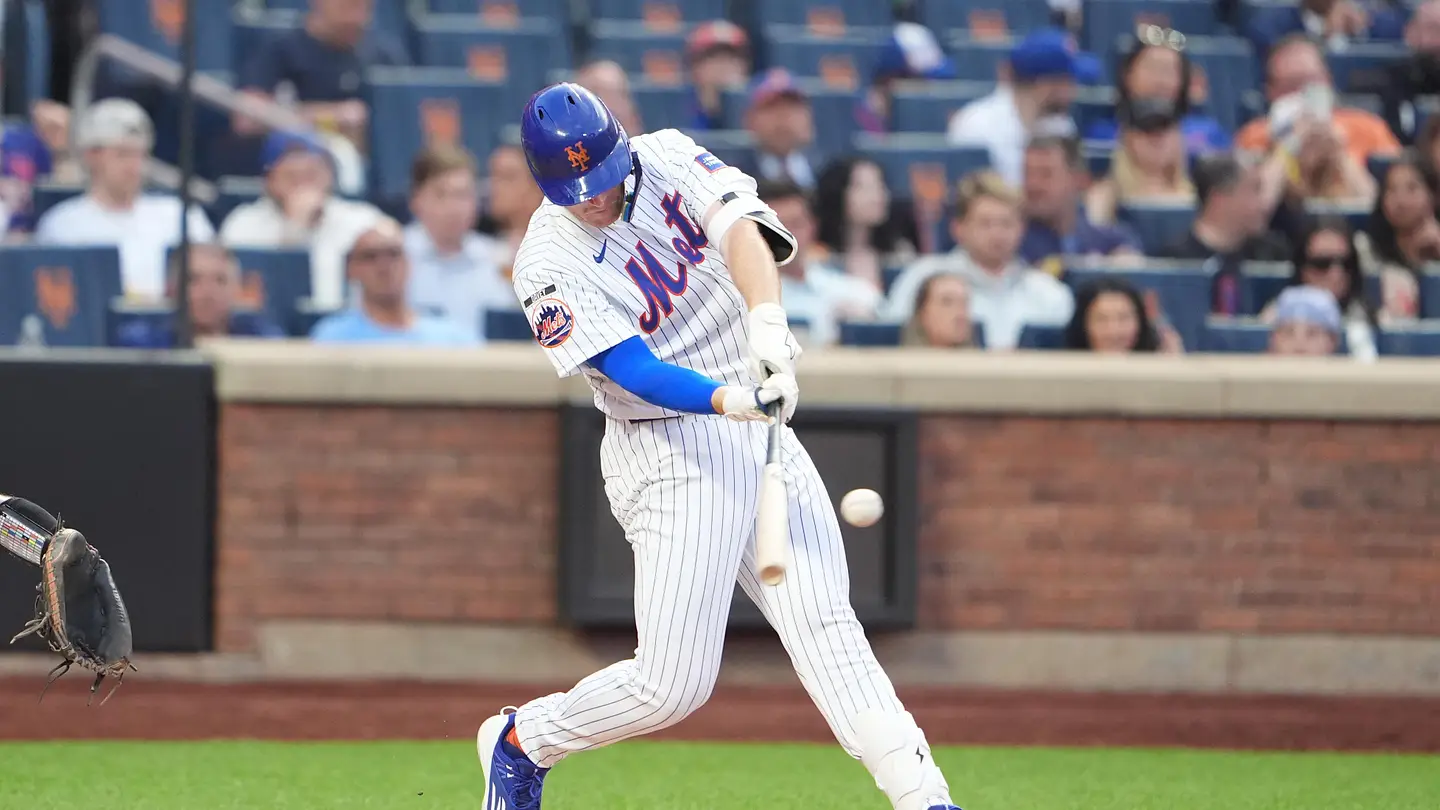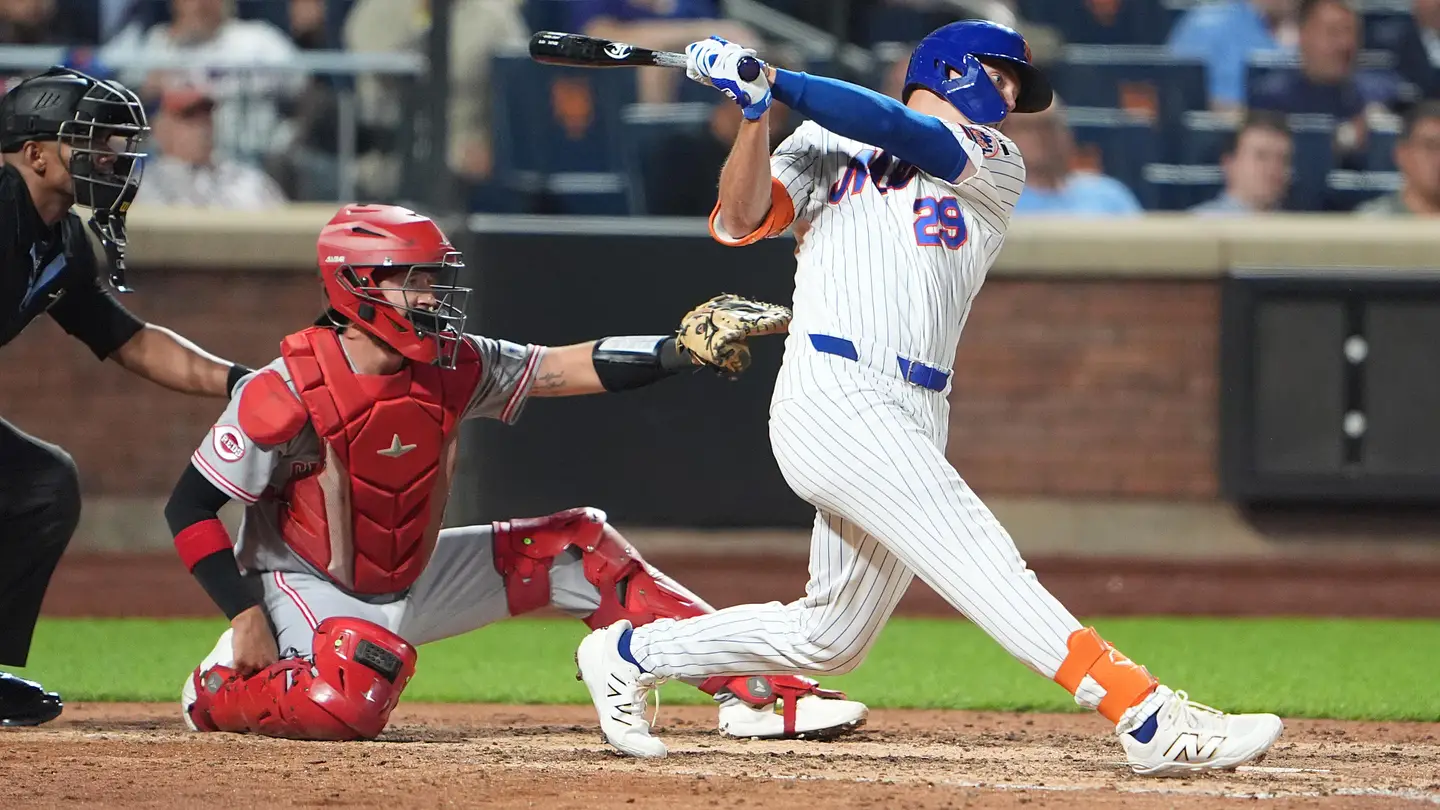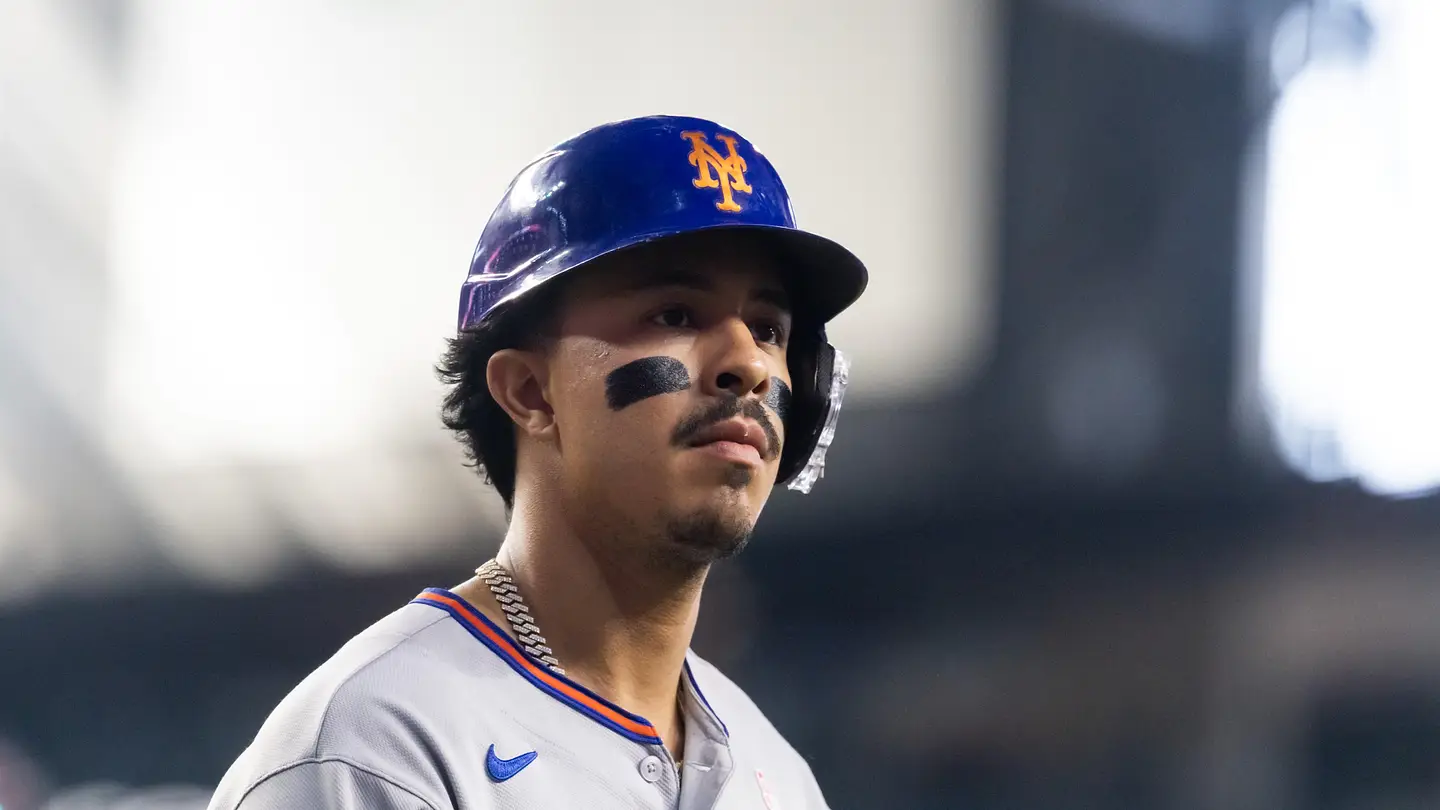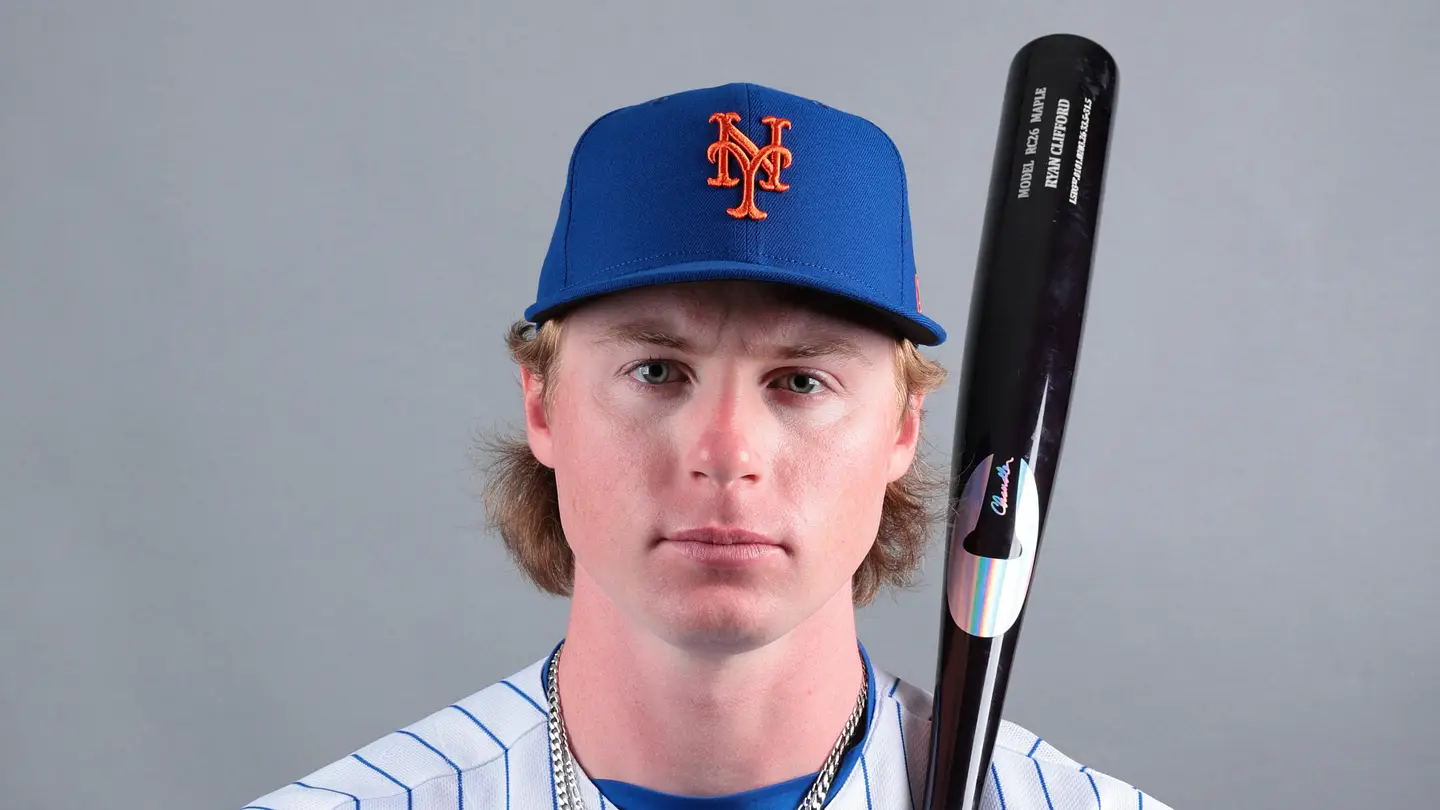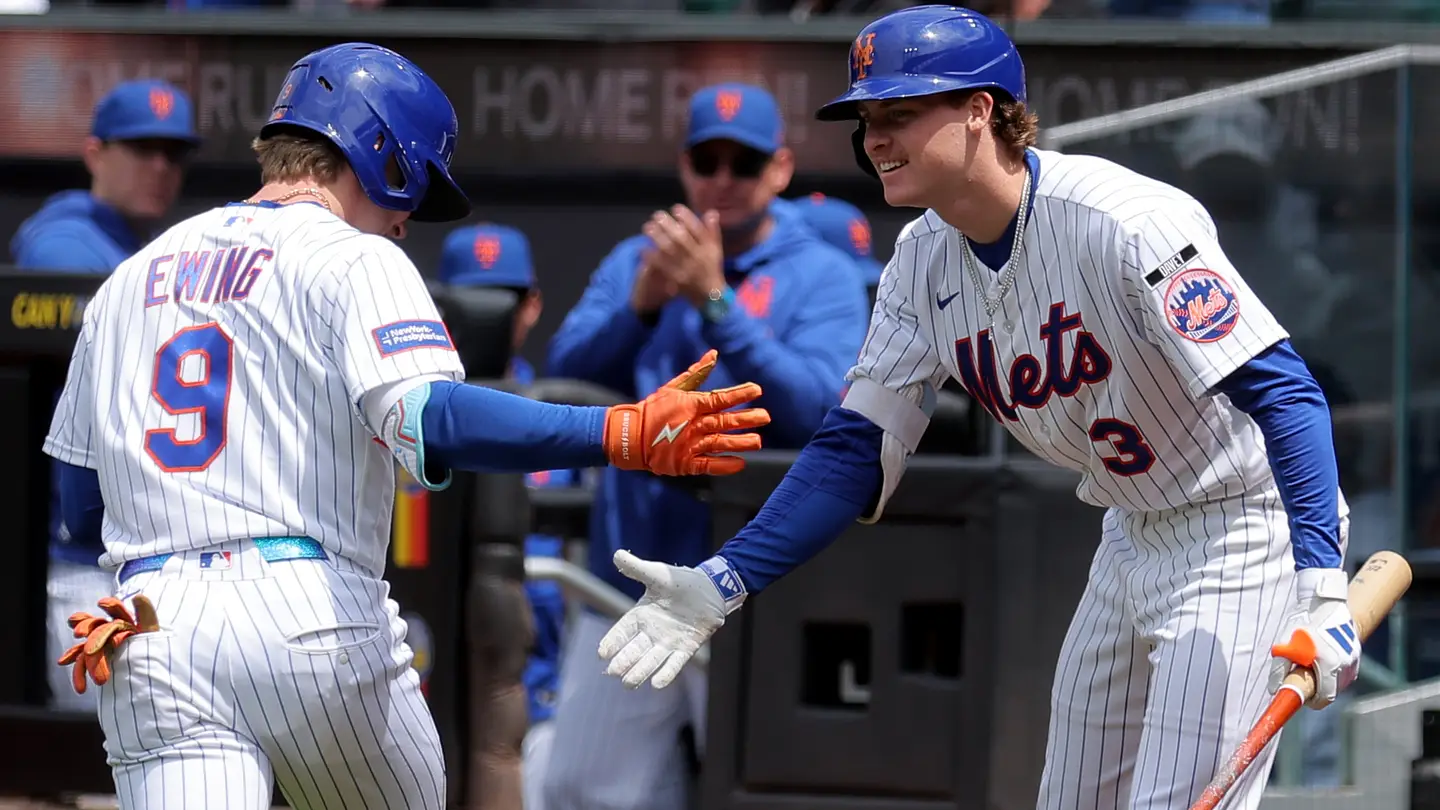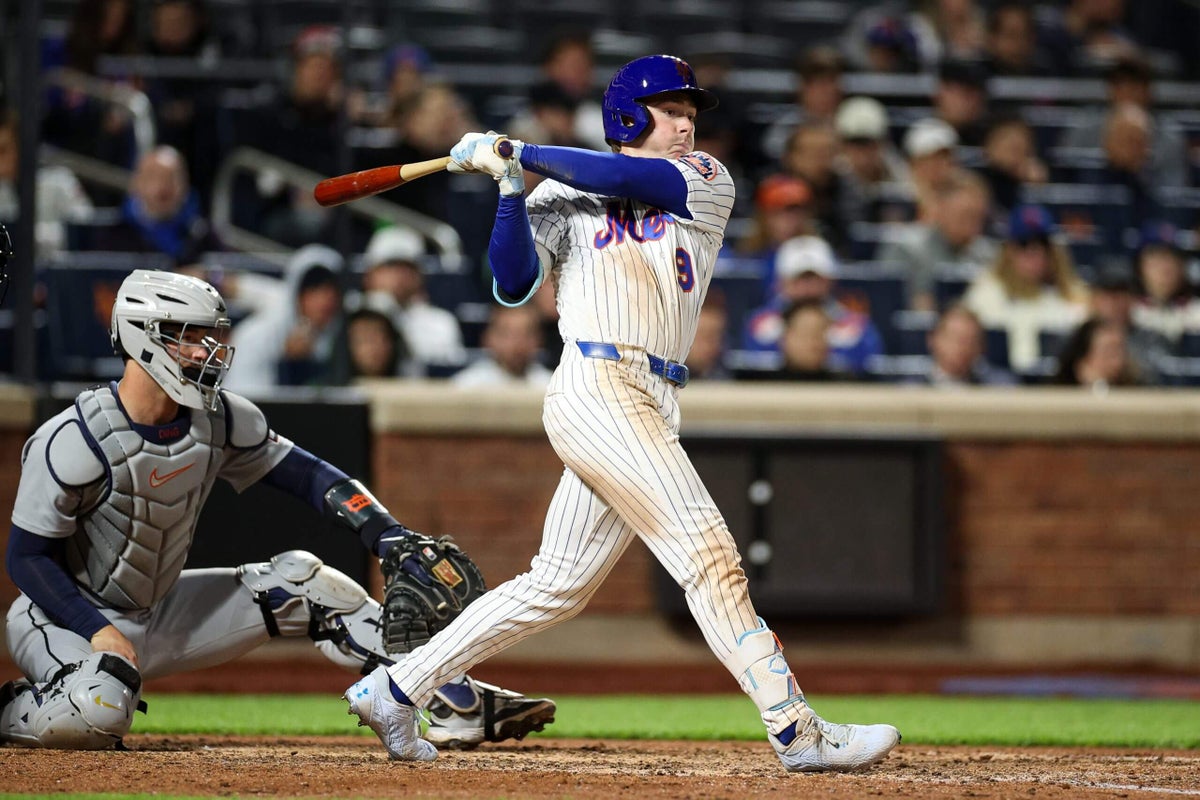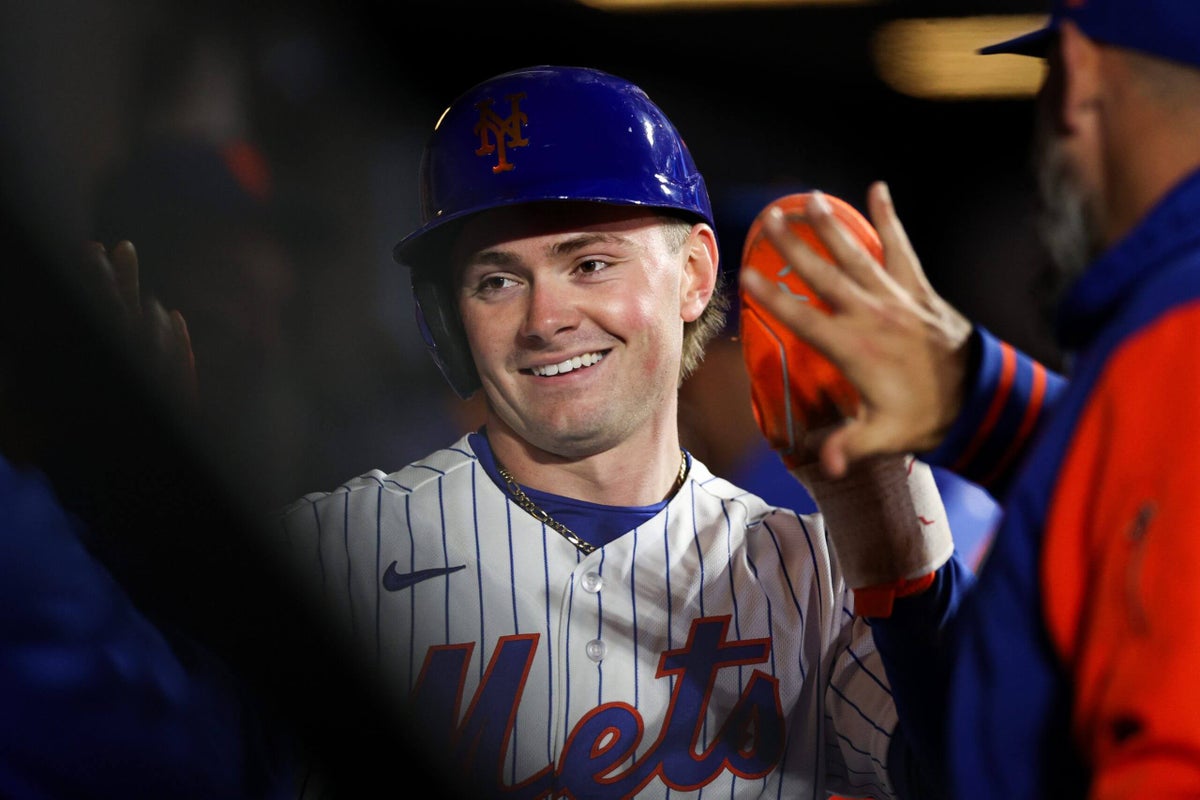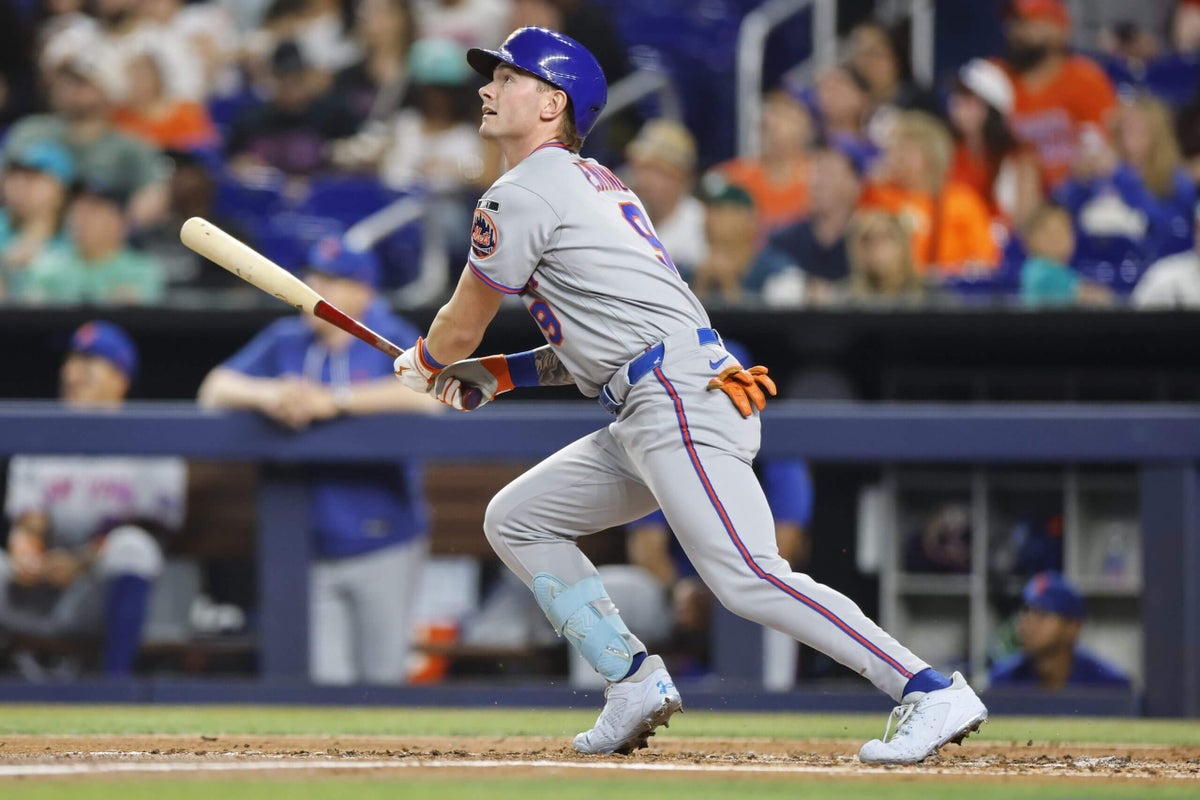
SEATTLE — A.J. Ewing’s skill set screams leadoff hitter.The New York Mets’ rookie center fielder makes pitchers work hard. He takes pitches that are out of the strike zone. He puts pressure on the defense. He uses the whole field. He gets on base. He runs fast.“He’s that type of player,” Mets manager Carlos Mendoza said within the context of Ewing some day leading off.Yet Ewing typically appears in the middle of the Mets’ inconsistent lineup.Eventually, Ewing seems destined to bat first for the Mets, but whether that happens at some point this season is unknown.The story behind Ewing’s spot in the order connects to Carson Benge’s success, Mendoza’s confidence in the struggling Bo Bichette and the Mets’ need to cling onto anything that seems to work. Until it stops.“I wouldn’t shy away from putting A.J. there if we need to,” Mendoza said. “But I think it’s how successful we’ve been with Carson setting the table up at the top.”A lineup starting with Ewing, Benge and Juan Soto — all three lefties — has at least come up within Mendoza’s discussions with coaches.One reason why Mendoza hasn’t yet used such a configuration is because he likes Bichette, a right-handed batter, as the No. 2 hitter. Bichette entered the season with a .294 career batting average. In his first season with the Mets, he is hitting just .216 with a .574 OPS despite some strong underlying data. Bichette hasn’t batted lower than fourth this season and has batted second in every game since May 4.On the surface, where someone like Ewing appears in a batting order is a knotty issue. He is 20 games into his major-league career and carries a pedestrian .615 OPS. The Mets (26-34) face bigger concerns, actual problems. Their lineup, however, remains one of them.Against a vulnerable Miami Marlins pitching staff over the weekend, the Mets scored 25 runs in three games, a higher output than the combined tally from their prior nine games. On Monday, however, they backslid against a strong pitching staff. In the Mets’ 3-2 loss in 10 innings to the Seattle Mariners, they managed just two hits, a pair of solo home runs.Despite going 0-for-4 with two strikeouts, Ewing’s .316 on-base percentage, hardly an impressive figure, is higher than half of the Mets’ starters from Monday night’s lineup.Ewing appears to have everything you would want from a leadoff hitter. (Al Bello / Getty Images)When asked during an interview ahead of Monday’s game about lineup construction and why Ewing doesn’t bat first, Mendoza began the conversation with the Mets’ other rookie outfielder.“It’s more with Benge, having so much success in that spot,” Mendoza said. “I try to give the guys as much consistency as possible while understanding they’re comfortable with whatever the team needs.”Consistency matters to Mendoza. Injuries, most notably to Francisco Lindor, the Mets’ usual leadoff batter, combined with overall poor production, forced a change. Mendoza has placed Benge atop the Mets’ order every game since May 12, the same day Ewing debuted.Since then, the Mets are 11-9. From May 12 to May 31, Benge slashed .317/.378/.402. He led off Sunday’s game with a home run. On Monday, he went 0-for-4, though the seven pitches in his first at-bat were the most any Mets player saw in a single plate appearance against Emerson Hancock (the result was a fly out to the warning track).Mendoza first tried Benge leading off each game during a three-game series against the Chicago Cubs in mid-April. It did not go well. The Mets were swept, and Benge went 1-for-10. At the time, he had a .435 OPS.Soon after, Benge picked things up. Throughout the ups and downs, Mendoza said, Benge showed the same demeanor. His ability to bounce back gave Mendoza confidence to reinstall him as the leadoff hitter.Along the way, Benge has lifted his OPS to a more respectable .663, though still below league average. On the Mets, however, he is second only to Soto (.970) among lineup regulars. Lately, a combination of Jacob Young (left-handed batter) and Mark Vientos (right-handed batter) has offered power production behind Soto. But a lack of lineup length is a season-long theme.“It depends on personnel and a lot of different things, (but) if we have to make an adjustment and put Benge in the middle of the lineup and use A.J. as a leadoff guy, I am comfortable doing both,” Mendoza said.In the upper levels of the minor leagues, Ewing almost exclusively batted leadoff. In 132 plate appearances across Double A and Triple A this year, he had a .447 on-base percentage. He is at the same point (20 games) of his rookie season as Benge was when Mendoza first tried Benge at leadoff. When the Mets first promoted Ewing in an aggressive attempt to give the team a spark, Mendoza said that since the club was already asking so much of him, it wouldn’t be right to also bat him leadoff. Ewing had played just a dozen games in Triple A.At this point, however, that thinking has changed. Ewing’s position in the batting order is solely about what’s best for the team. Lately, he has mostly batted fifth or sixth and last week started once at cleanup.For his part, Ewing said he is comfortable at any spot.“It’s always just me versus the pitcher,” he said.Mendoza and Mets coaches have stressed to Benge and Ewing that the approach shouldn’t change regardless of their respective spots in the batting order.“I’m very pleased with how they’ve handled that part of the situation,” Mendoza said.Ultimately, health is going to impact the Mets’ offense more than any potential lineup change. The Mets are waiting on Jorge Polanco, Francisco Alvarez and Lindor to return (Luis Robert Jr.’s situation is much murkier). Polanco may rejoin the Mets later this week while Alvarez is set to begin a rehab assignment on Tuesday. Lindor (calf) remains without a firm timetable, though he is performing baseball activities. Perhaps in a few weeks, the Mets’ lineup will feature a drastically different look.In the meantime, the door isn’t shut on changes at the top. As it pertains to Ewing, a move to leadoff may or may not happen in the near future even if it appears part of his long-term outlook. The reason it isn’t happening yet has less to do with him and more to do with others.
Mets rookie A.J. Ewing is a prototypical leadoff hitter. So why doesn’t he bat there?
Ewing seems destined to bat first for the Mets, but whether that happens at some point this season is unknown.
1,057 words~5 min read