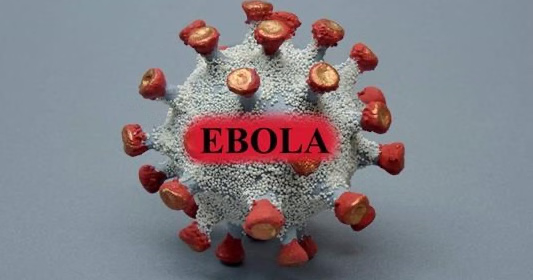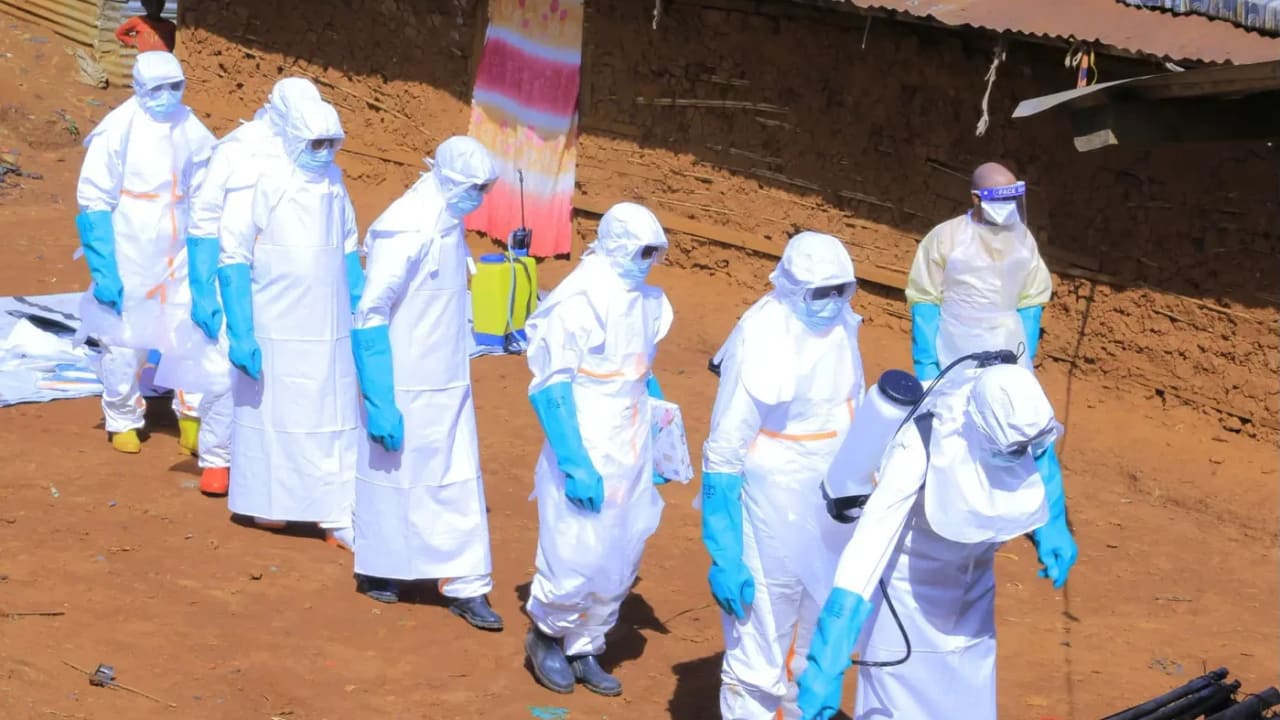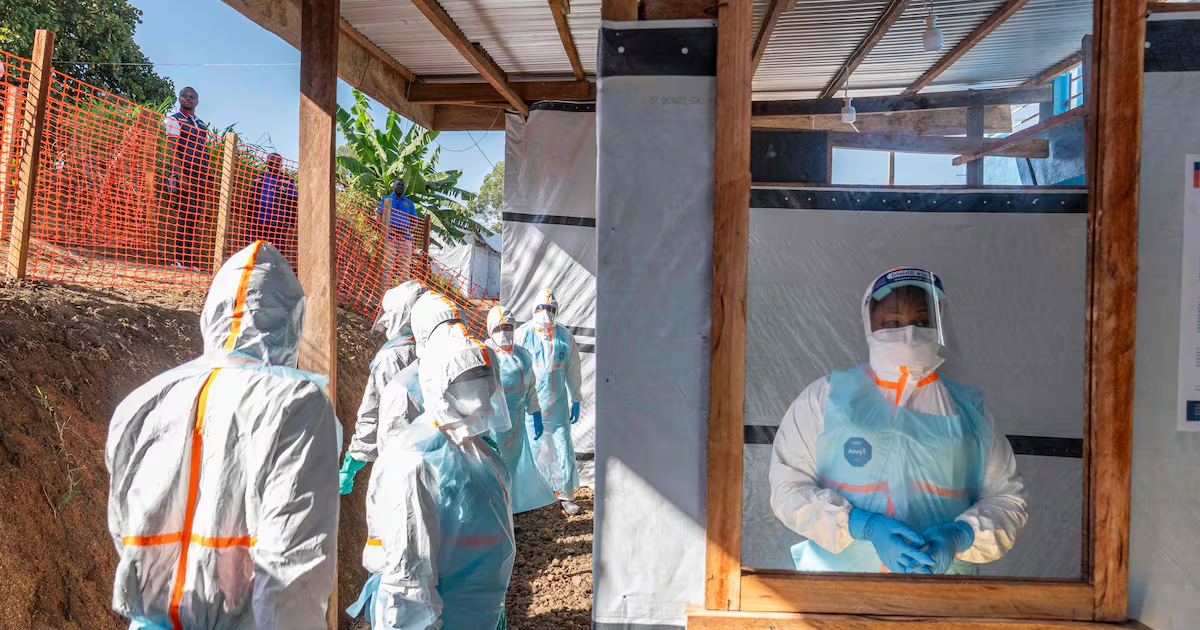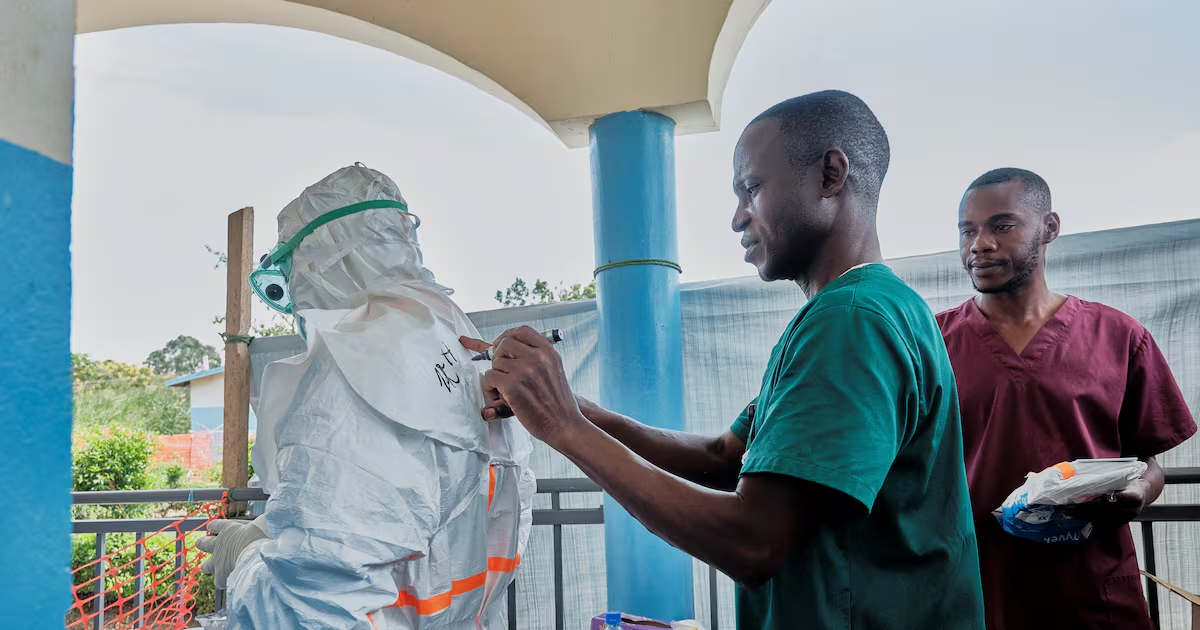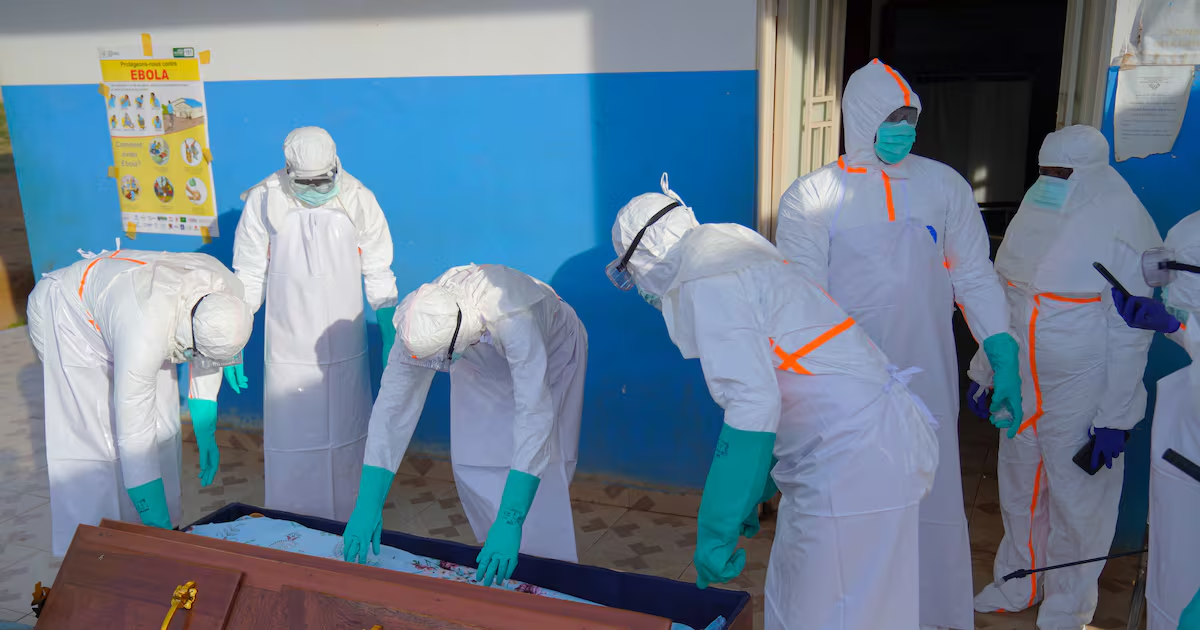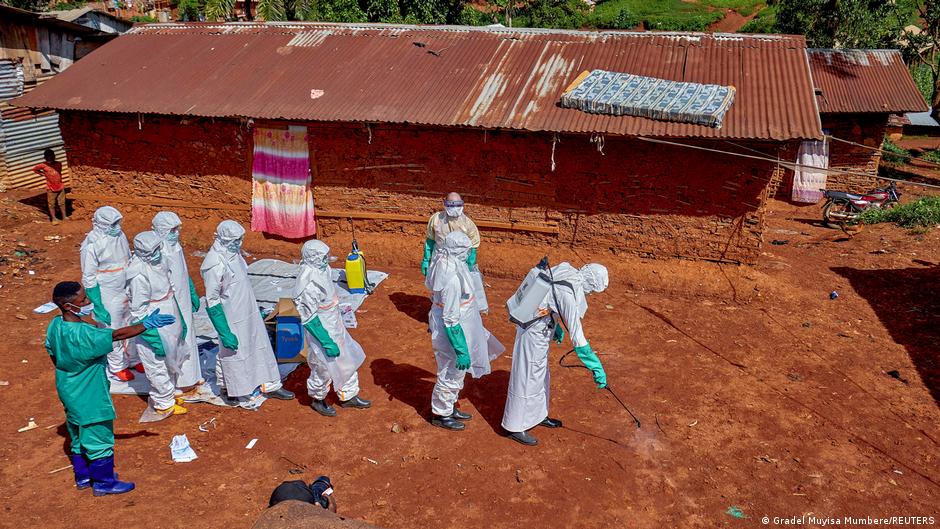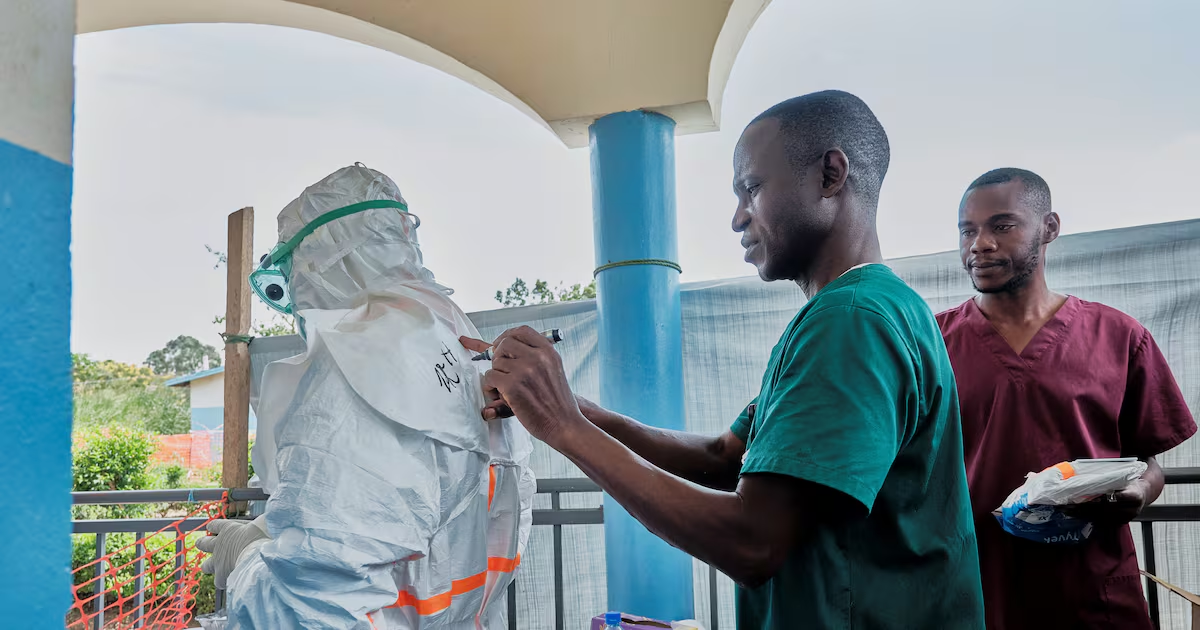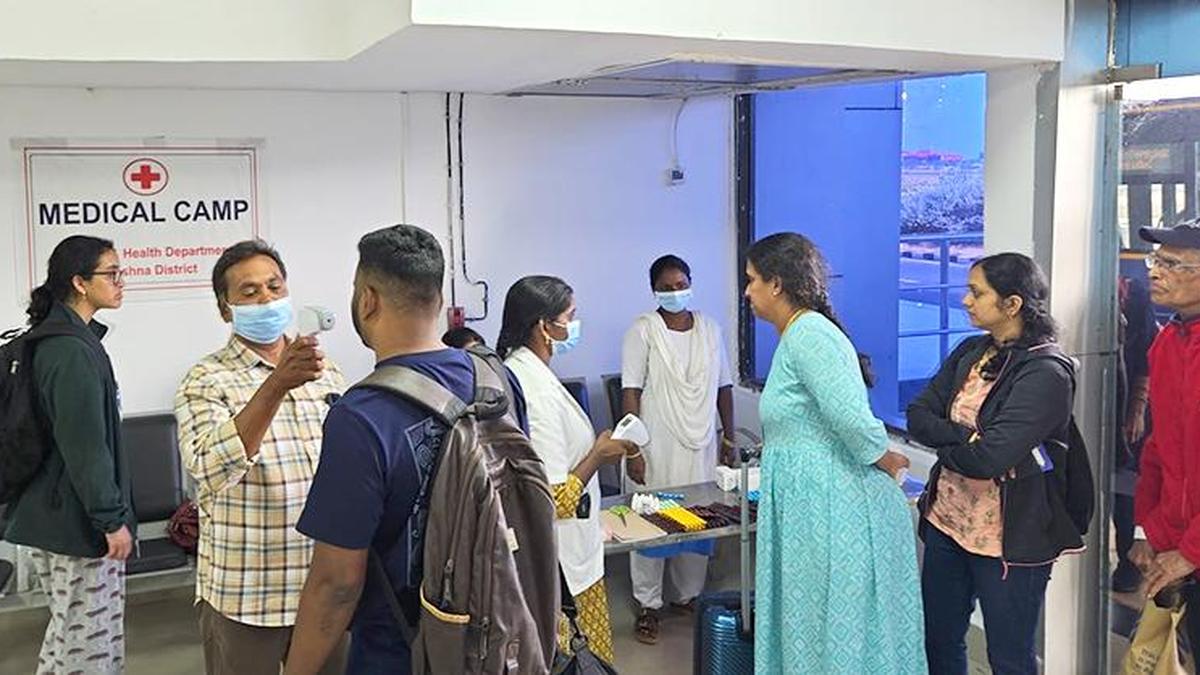
Health authorities also warned that misinformation can spread quickly Last updated: June 02, 2026 | 13:442 MIN READThe ministry addressed several common misconceptions about Ebola.ShutterstockDubai: The UAE Ministry of Health and Prevention (MoHAP) has urged the public to rely on verified scientific information on Ebola and avoid unverified reports, following renewed international attention on an outbreak in parts of Africa.In an advisory issued ahead of the peak summer travel season, the ministry said there is no cause for concern within the UAE, adding that national surveillance systems, airport screening measures and healthcare preparedness protocols remain in place.Get updated faster and for FREE: Download the Gulf News app now - simply click here.Health authorities also warned that misinformation can spread quickly during international outbreaks, stressing the importance of referring only to official sources for updates and guidance.Myth and fact clarification
The ministry addressed several common misconceptions about Ebola, clarifying established medical understanding of the virus:Myth: Ebola spreads through the air like COVID-19Fact: Ebola is not airborne and is transmitted through direct contact with the bodily fluids of an infected person or contaminated items.Myth: International travellers are at high risk of infectionFact: The virus does not spread through casual contact, and the risk to most travellers remains very low.Myth: Infected people can transmit Ebola before symptoms appearFact: Individuals are generally not considered contagious until symptoms develop.Myth: Ebola outbreaks typically become global pandemicsFact: No Ebola outbreak has ever been classified as a pandemic, and global risk assessments remain low.Myth: There is no monitoring or preparedness in placeFact: The UAE maintains ongoing surveillance, hospital readiness and airport screening procedures as part of its public health system.Early symptoms