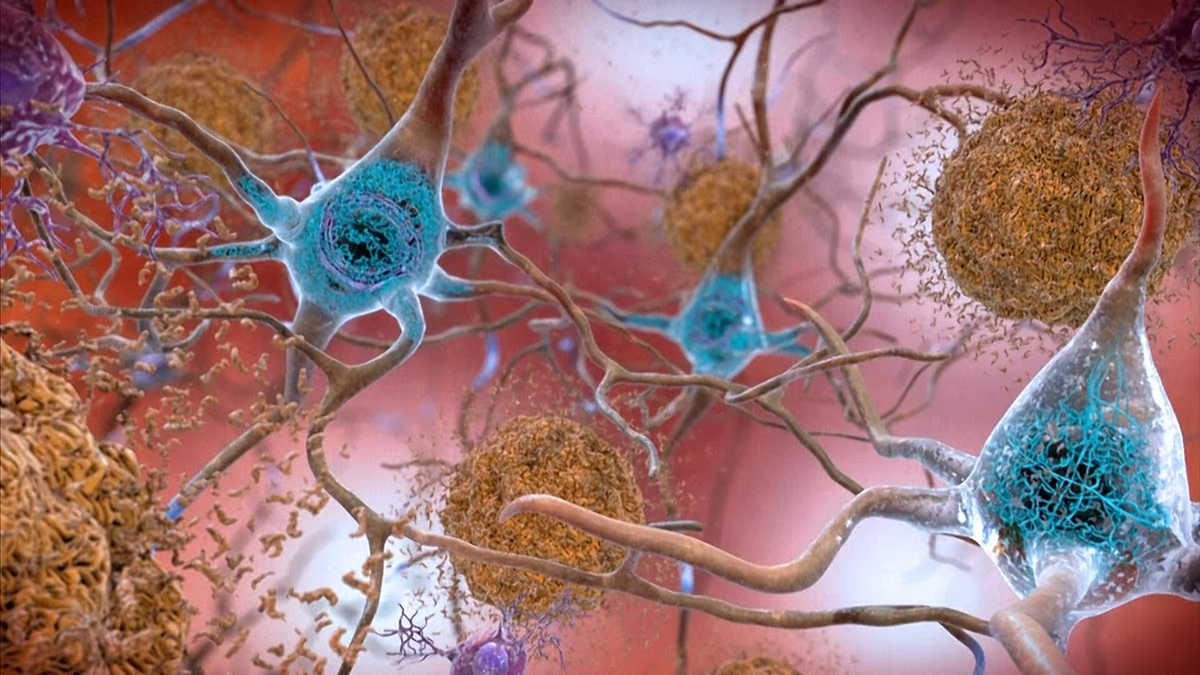
In the early stages of Alzheimer's disease, the NHS says there are often signs to look out for - and these early dementia symptoms can appear before memory problems become noticeable11:05, 02 Jun 2026Updated 11:05, 02 Jun 2026In the earliest stages of Alzheimer's disease – the most common form of dementia – there are additional symptoms to look out for, beyond the well-known memory problems.It is worth understanding, however, how memory issues typically present in someone living with this progressive brain condition.The NHS highlighted that memory problems can result in misplacing belongings, forgetting the names of places and objects, and struggling to find the right word for things.Further memory difficulties can emerge as forgetting recent conversations and repeatedly asking the same questions. Cognitive decline may also manifest as poor judgment, greater indecision, and increased reluctance to try new experiences, reports Surrey Live.There are also "often signs of mood changes", which can notably include growing anxiety and episodes of confusion. "The symptoms of Alzheimer's disease progress slowly over several years," the NHS noted.During the middle stages of the condition, as more of the brain is affected by an abnormal build-up of proteins, additional symptoms begin to emerge.Disorientation problems can develop, presenting as an inability to tell the time of day and wandering around feeling lost.Sufferers may also experience disturbed sleep, visual and auditory hallucinations, and delusions that lead to distorted beliefs.Further shifts in mood may become apparent, potentially presenting as depression, frustration and agitation."By this stage, someone with Alzheimer's disease usually needs support to help them with everyday living," the NHS added.What can be done about Alzheimer's disease?The earlier symptoms are recognised, the quicker support can be accessed, which may include medication.Medicines can temporarily ease symptoms, helping someone manage the condition more comfortably for a period.The NHS said: "Donepezil, galantamine and rivastigmine can be prescribed for people with early- to mid-stage Alzheimer's disease."The drugs work by boosting acetylcholine levels in the brain, helping nerve cells communicate with each other.Article continues belowReducing the risk of Alzheimer's diseaseEnhancing cardiovascular health can help lower the risk of developing Alzheimer's disease, which means:Not smokingLimit alcohol consumptionEat a healthy, balanced dietExercising for 150 minutes weeklyControlling blood pressure
Early Alzheimer's signs 'often' include two subtle changes
In the early stages of Alzheimer's disease, the NHS says there are often signs to look out for - and these early dementia symptoms can appear before memory problems become noticeable
361 words~2 min read