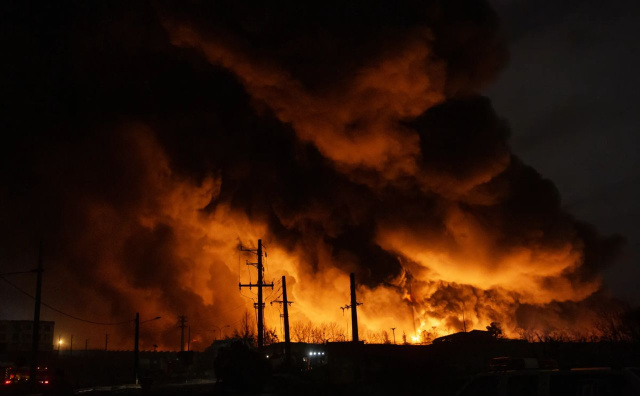
The disruption caused by the recent war involving the United States and Iran is expected to have long-lasting consequences for global energy markets, with recovery in oil and gas production likely to take months and, in some areas, extend well into next year, according to analysis cited by Foreign Policy. Despite expectations of diplomatic progress, the underlying strain on supply chains is set to continue.
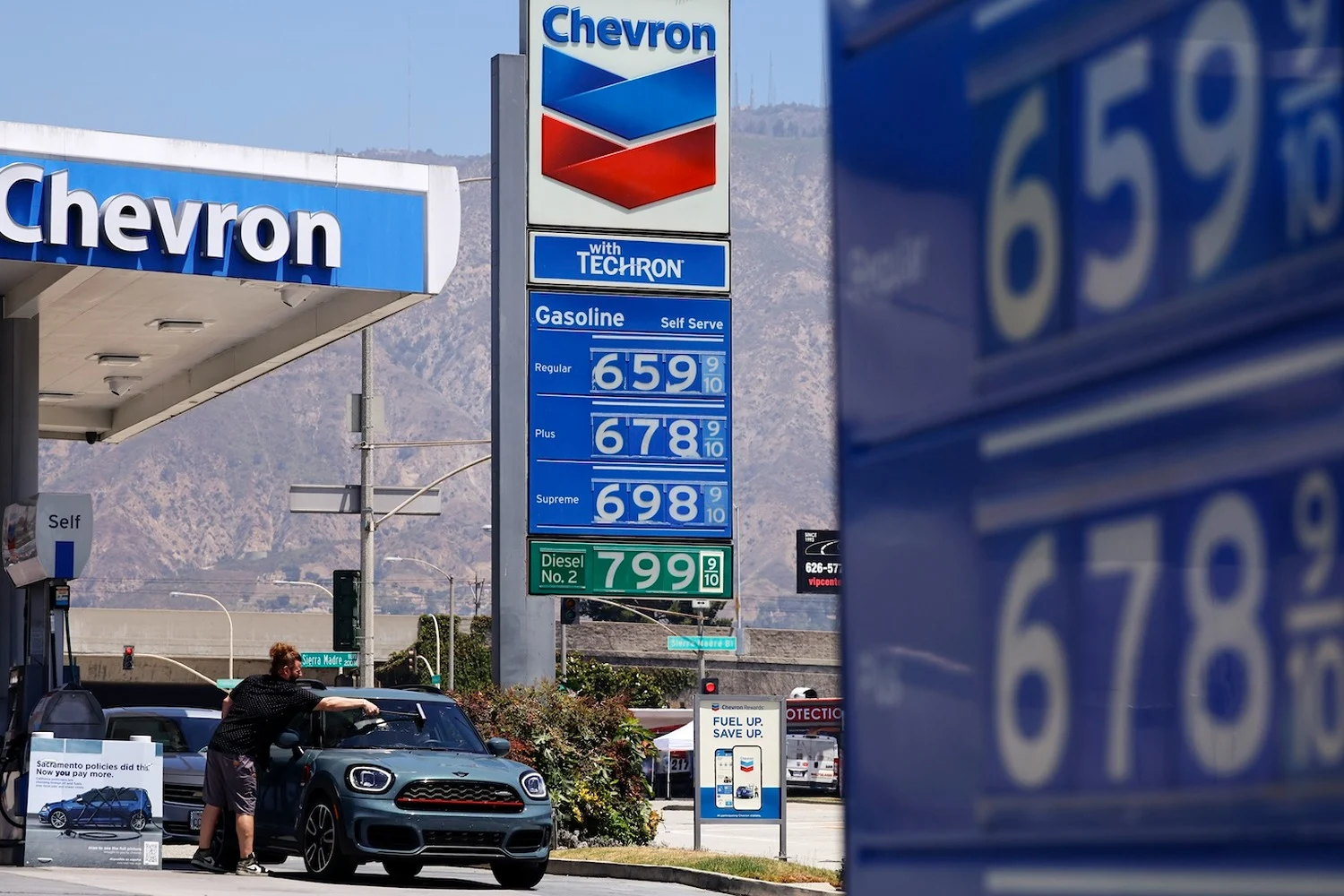
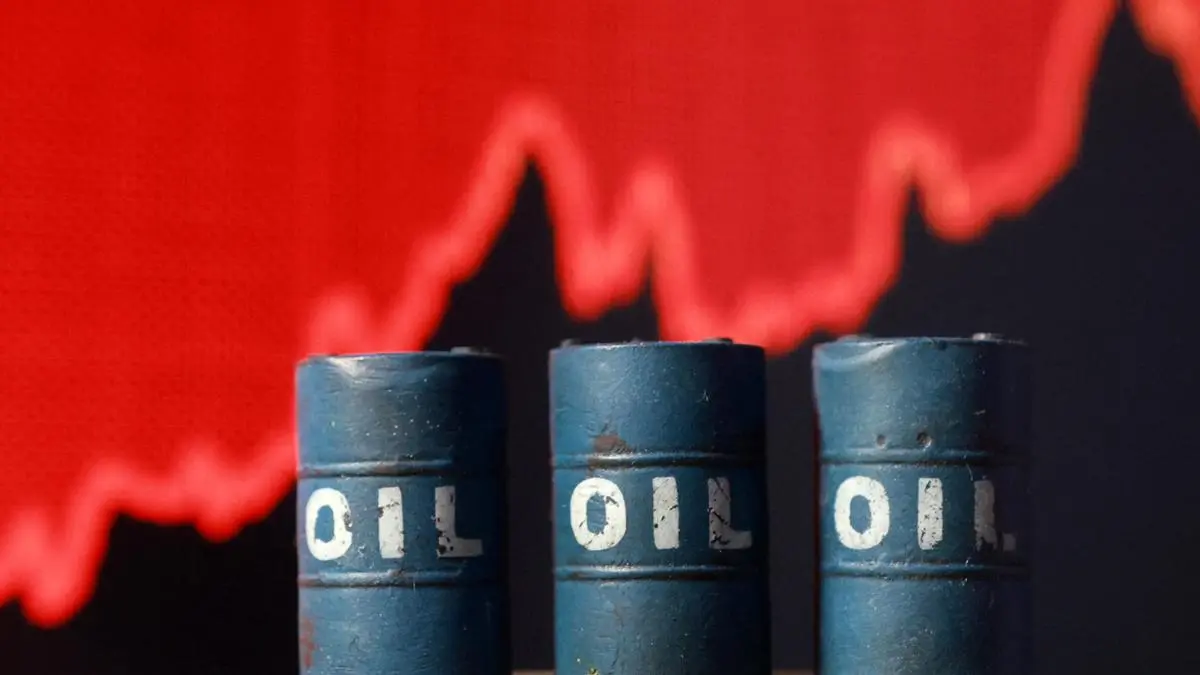
The report highlights that the energy system is currently affected across three key dimensions: reduced production flows, constrained supply capacity, and delayed recovery of output. Oil and natural gas production in the wider region has fallen significantly, while restoring exports to pre-conflict levels is expected to require a prolonged adjustment period. This imbalance is already sustaining upward pressure on global commodity prices, including fuel, helium, and fertilizers.
Market observers warn that energy prices may remain elevated through the summer months rather than declining, contrary to earlier predictions from some policymakers. Industry executives argue that the lack of spare capacity in the global system is a critical factor driving volatility during peak seasonal demand.