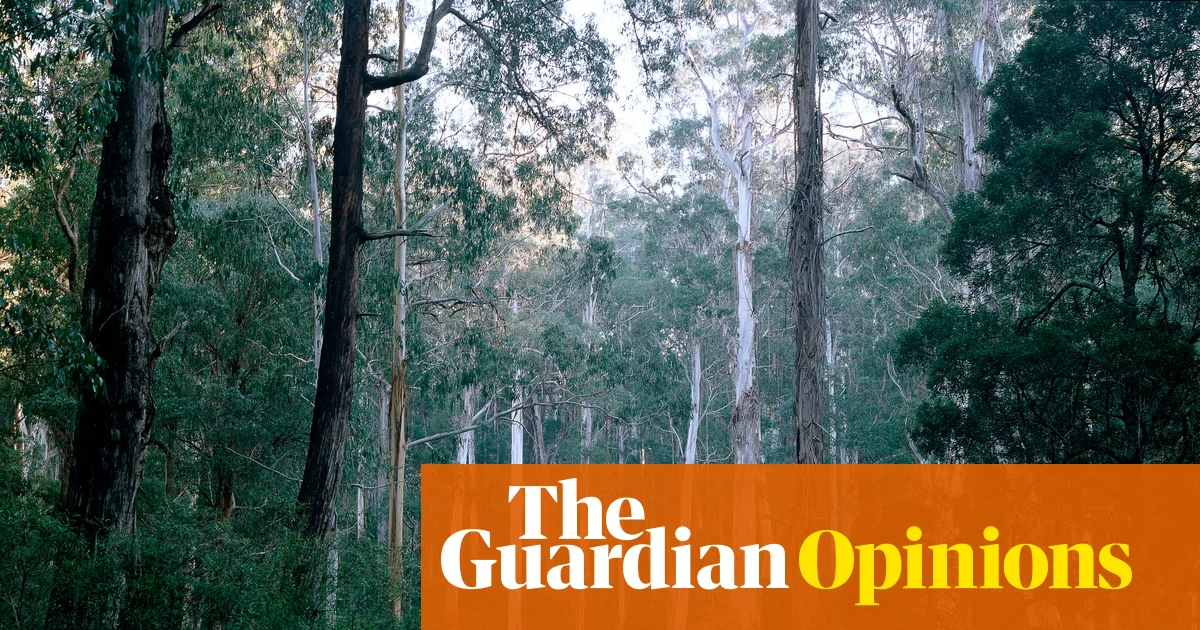
A few months ago, I was on a hike with my friend Tom, who is in his 70s and has lived in the same small town in the Santa Cruz Mountains for 50 years. Tom and I walked single-file down a narrow set of switchbacks through a canyon carved by the creek that was also our destination. Our view was hemmed in by the steep, forested walls around us. It was one of those times when you’re much more in the mountains than on a mountain, and also one of those times where someone like me could very easily lose their orientation. But Tom knew at all times where we were.
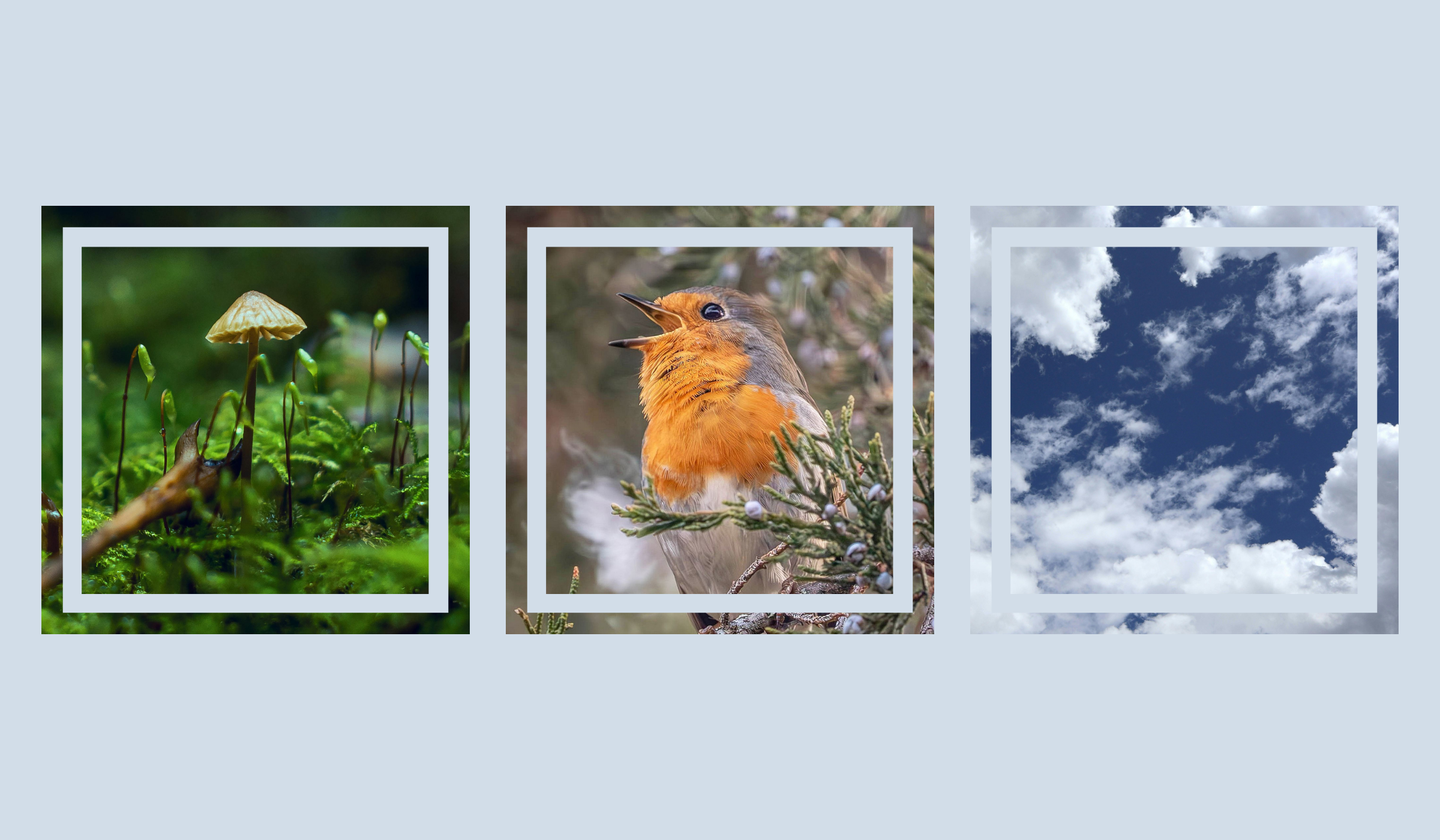
Tom told me about a way of looking that he had learned while doing horseback trail maintenance in the area. In order to prevent an accident, like the horse slipping and falling off the side of a trail, you had to look in a similar manner to the way that, he claimed, a horse looked—keeping some focus about 10 feet in front of you, but also aware of everything in your peripheral vision. He called this “soft eyes.” When I tried it, I noticed the carpet of redwood duff and the backs of Tom’s shoes while trying to let in the tips of tanoak and huckleberry that were passing my head on the sides. Almost instantly, I felt that I was more in the place than I had been a moment before.