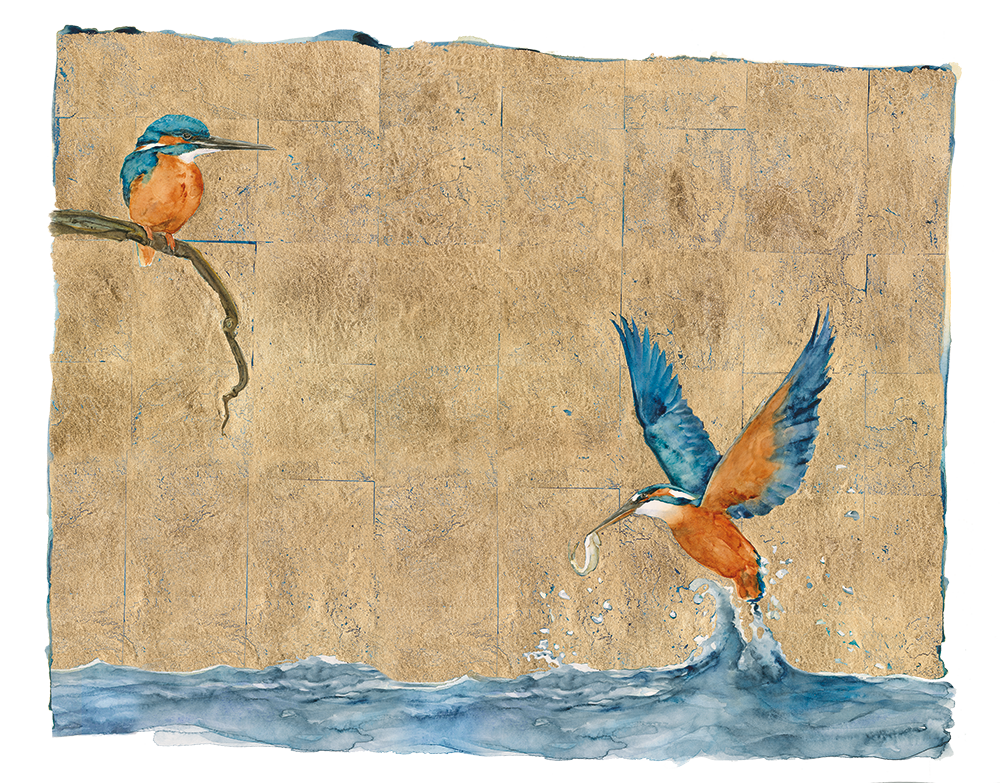
Before dawn, the birder is already in place, standing at the edge of a marsh so still he could be mistaken for a post. He listens before he looks. One call from the reeds, one dark stroke across the water, one flicker of movement against the whitening sky, and he is already sorting possibilities the rest of us would miss entirely. To him, the world is a field of distinctions. He has spent years training himself to notice what other people pass through.
We still talk about expertise as though it must arrive with credentials attached. We trust the institutional badge and professional title. Yet some of the most exacting experts are amateurs in the old sense of the word: people driven first by love, then by habit, then by discipline. Their authority comes from repetition. They return to the same things until they begin to see structure where others see background. They do not skim. They stay.
That staying can look ridiculous. Obsessive people are easy to parody. They care too much and talk too long. But follow an obsession long enough, and the joke changes. Excess becomes craft, even service. Amateur expertise sharpens memory and teaches pattern recognition; it preserves fragile knowledge that institutions can ignore until it is nearly gone. The person who memorizes migration routes or maps back roads is doing more than indulging a private fixation—they are refusing to let things disappear simply because they fall outside the usual measures of importance. Modern life encourages us to know a little about a great many things and then move on. Platforms reward reaction more than return. To care intensely about one narrow subject is to reject the idea that value must be broad, immediate, or easily monetized. So while fixation can seem bizarre, it is also to resist the thinning of attention that modern life demands.