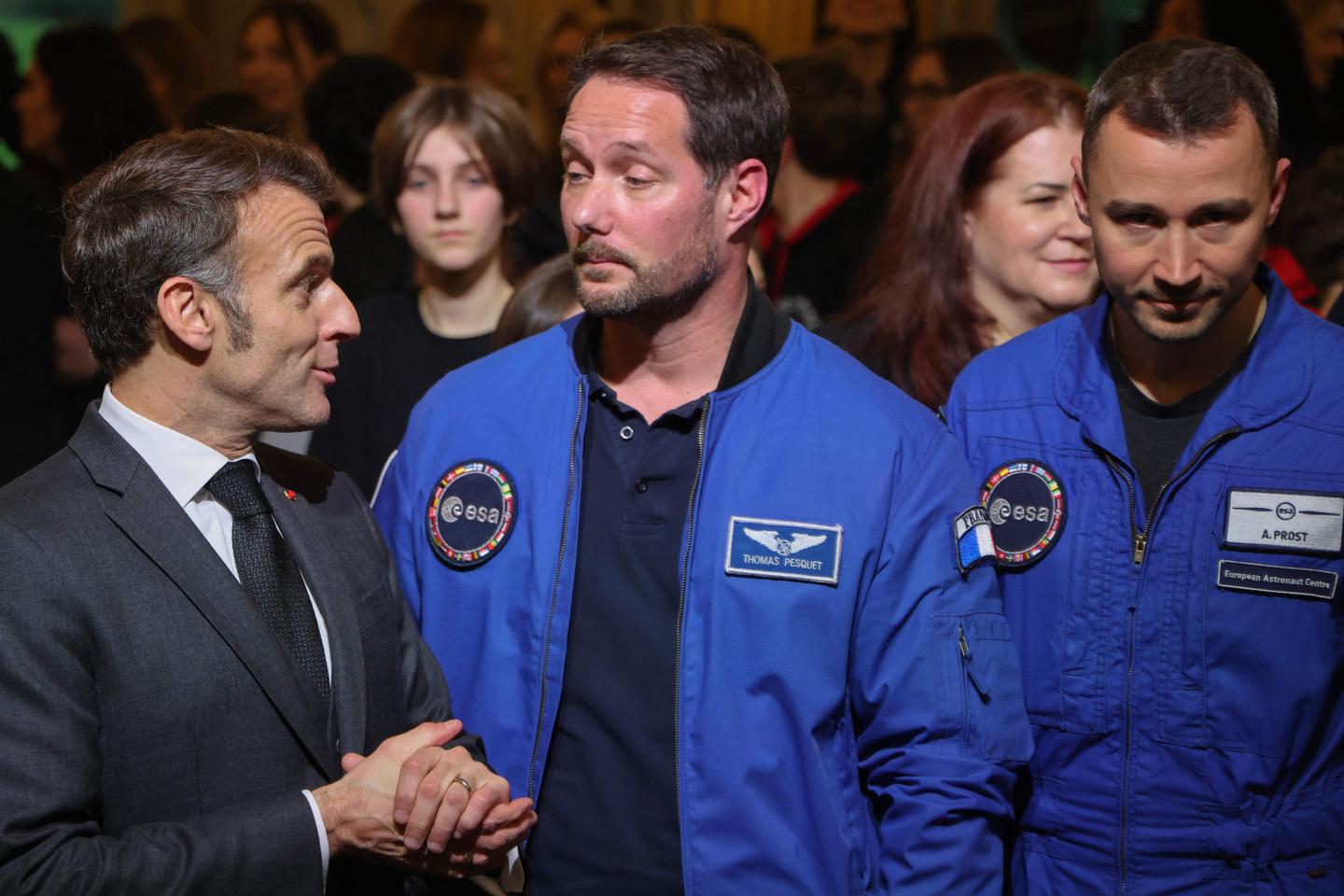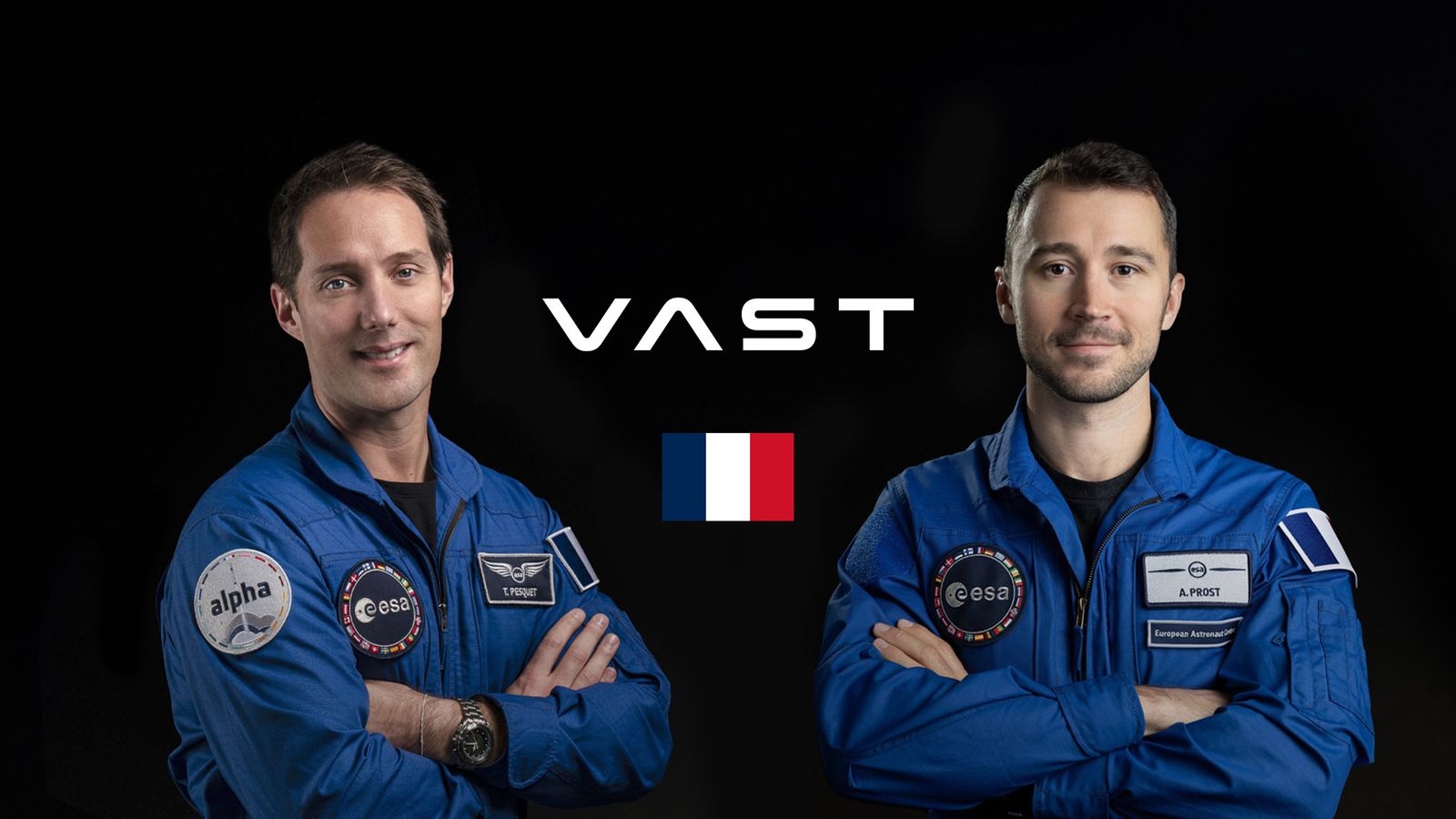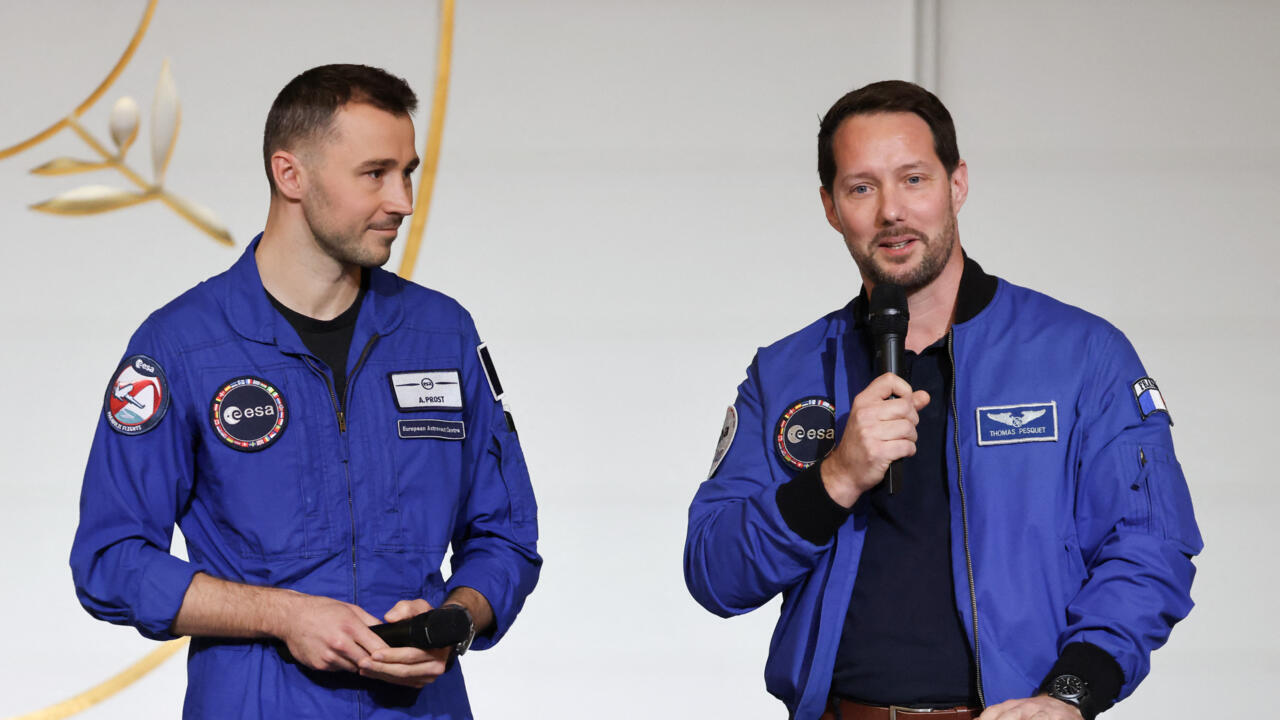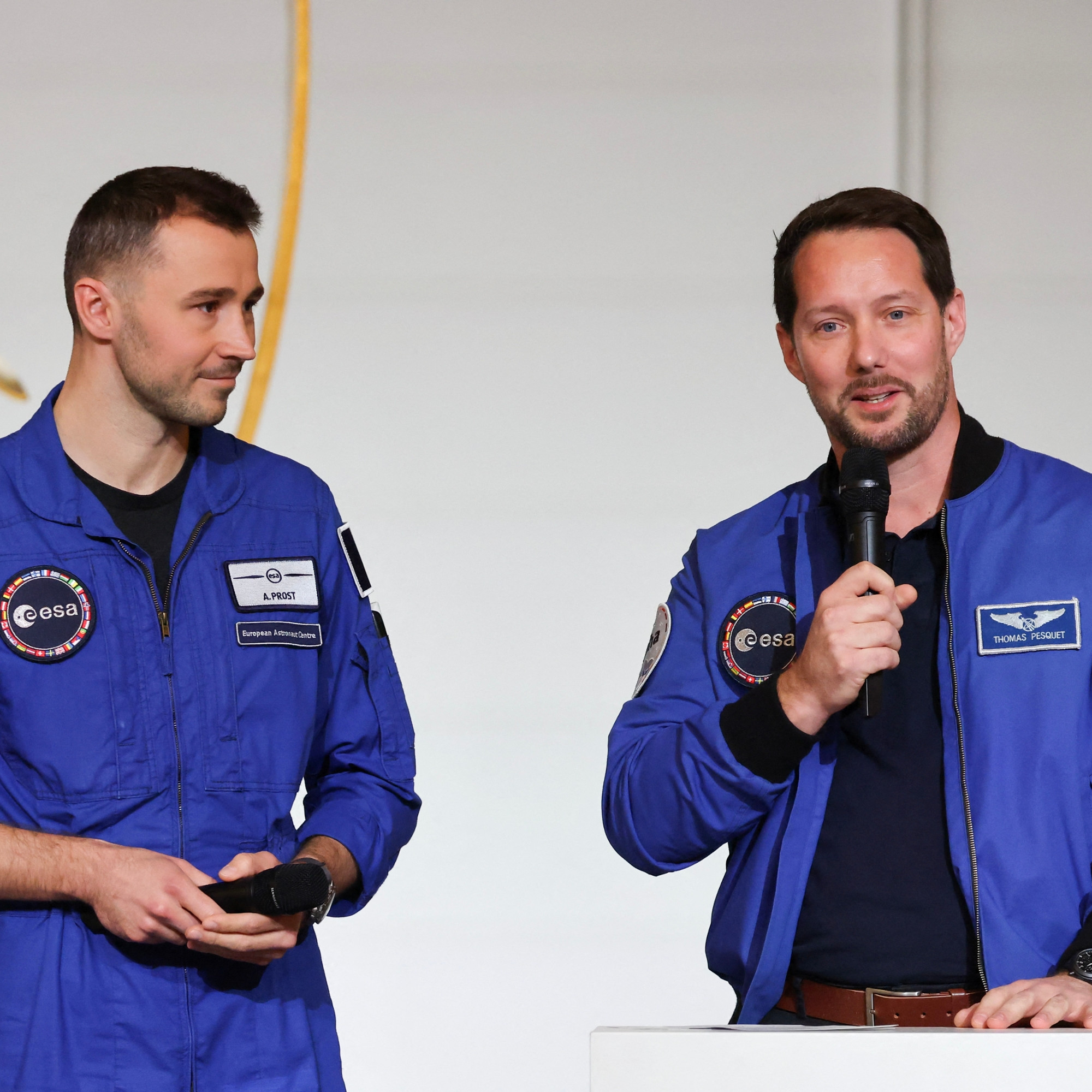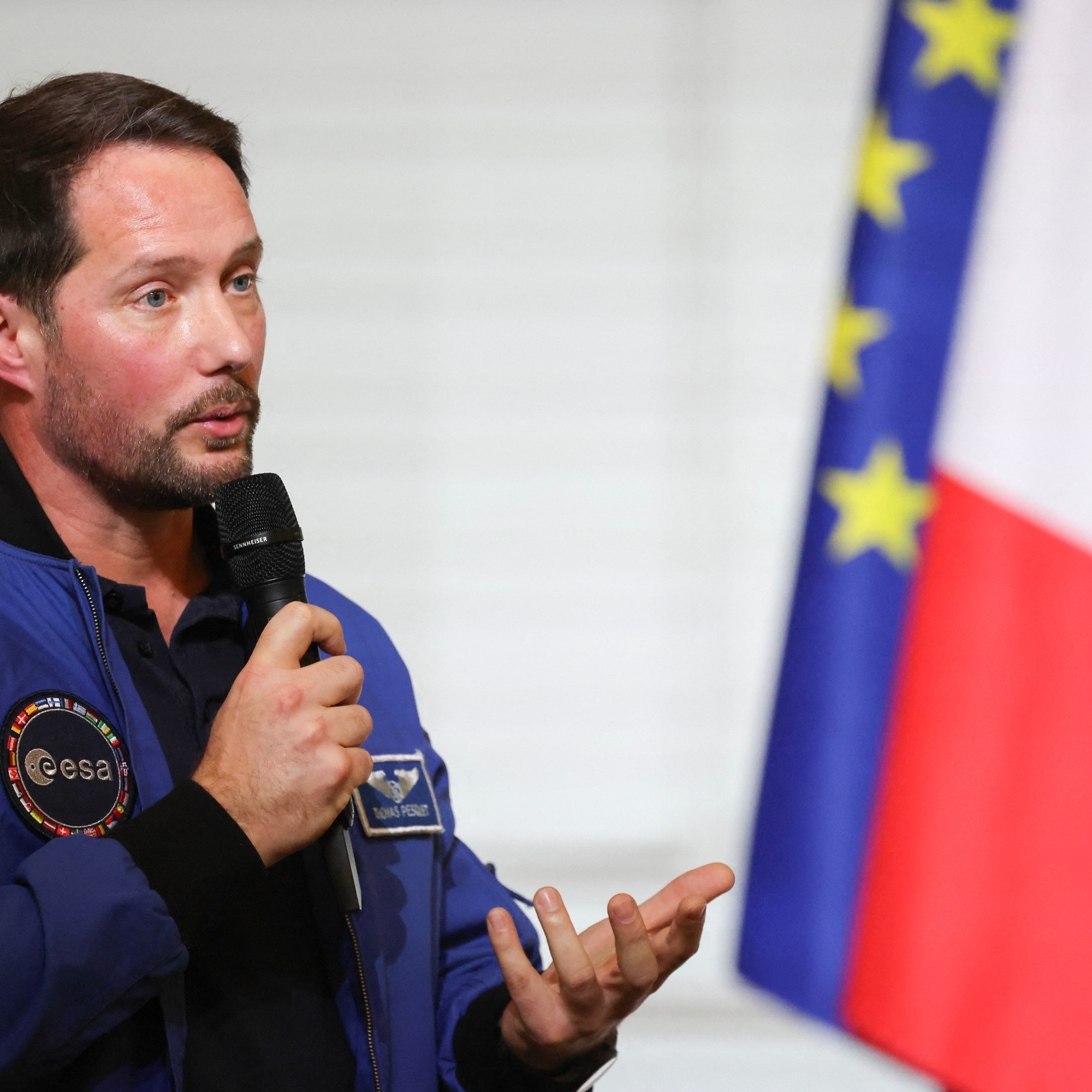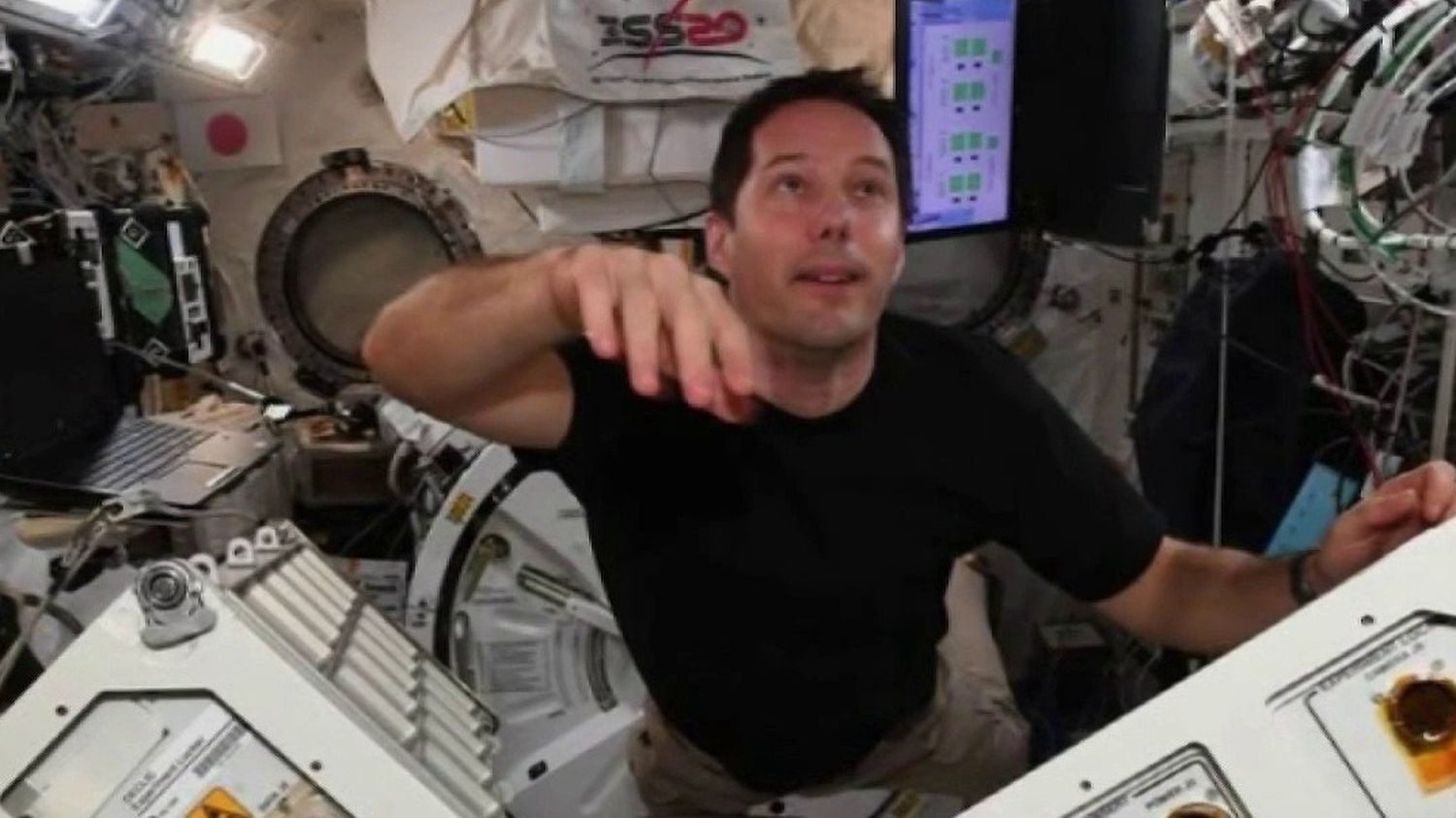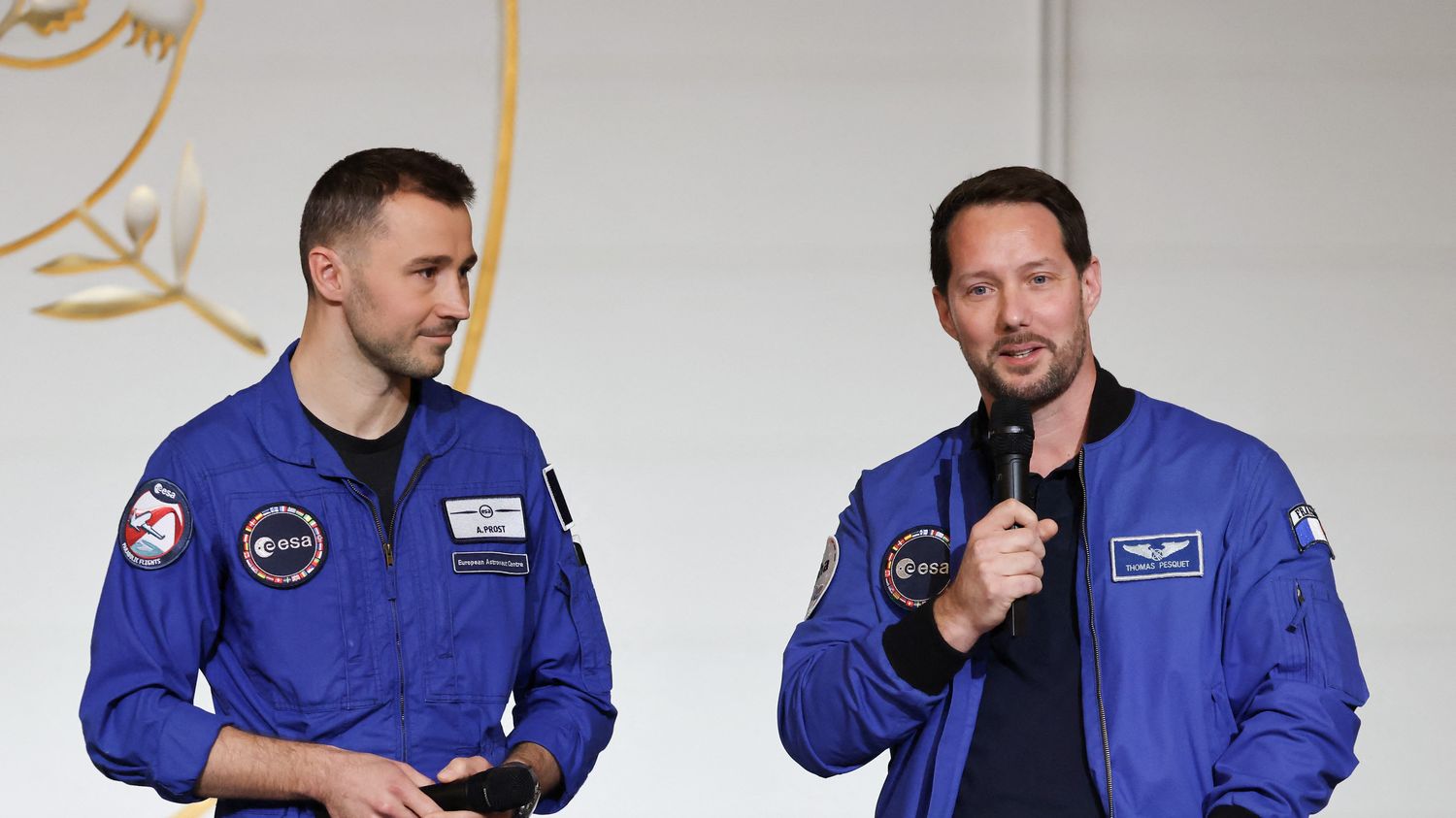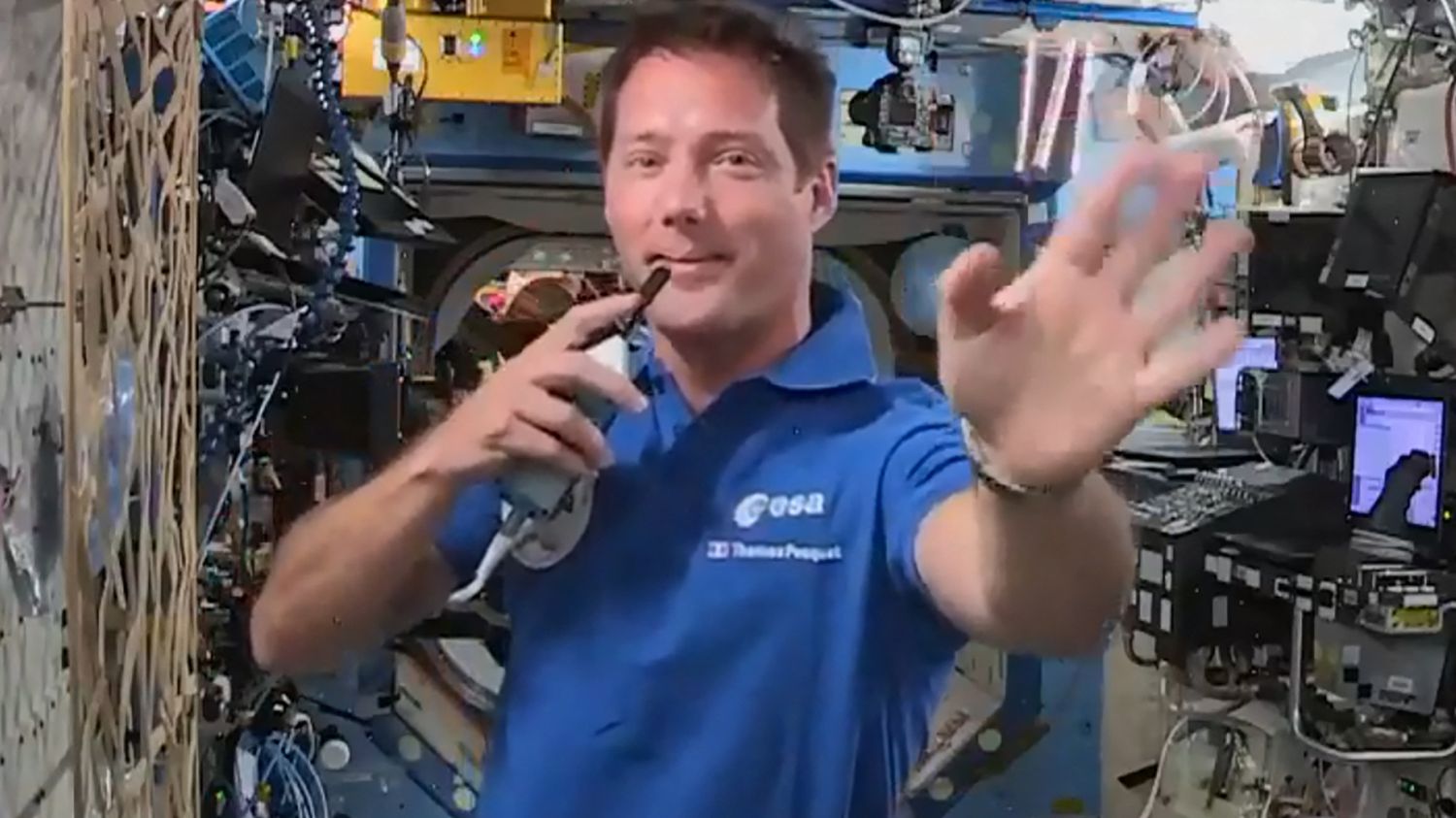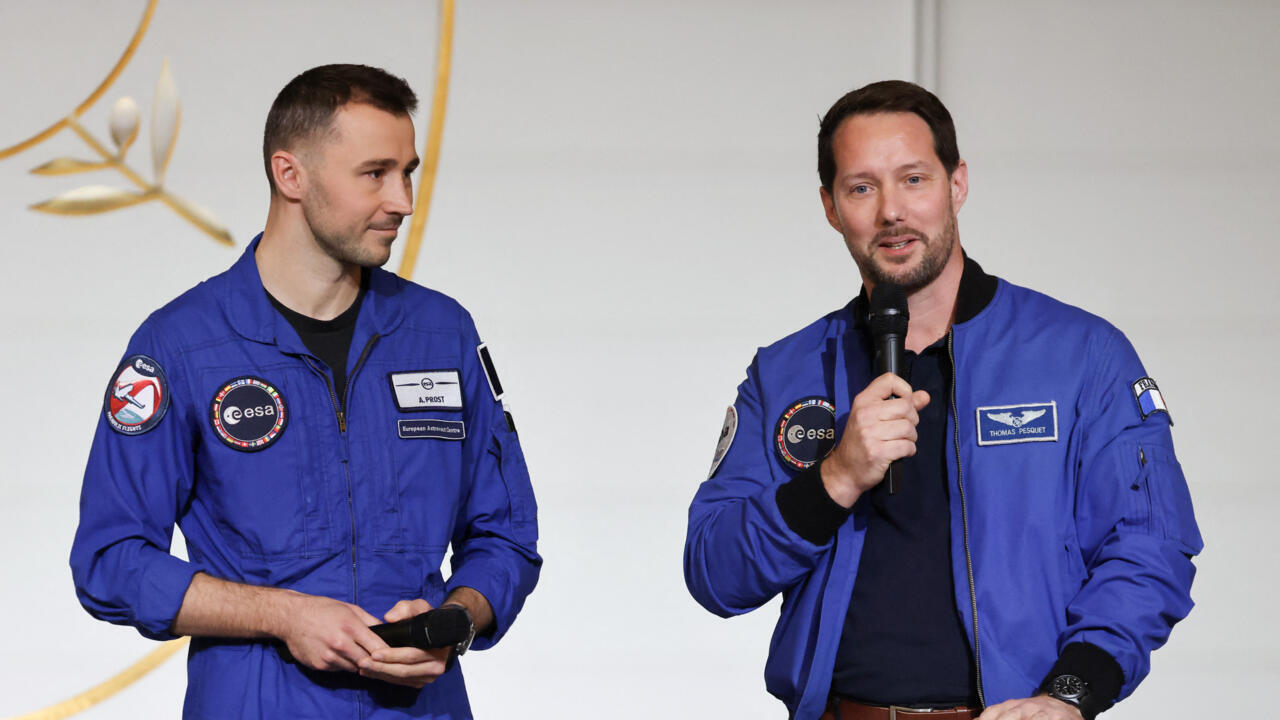
Two French astronauts are to blast into space next year, one of whom will stay on board the world's first commercial space station, under a new deal sealed between France and the US company Vast. "This confirms France's space ambitions," President Emmanuel Macron said on X late Monday after announcing the deal on the sidelines of a Paris conference. Under the deal, Thomas Pesquet and Arnaud Prost will embark on separate missions that will last around two weeks each, the California-based Vast said in a statement. Read moreChinese astronaut to spend a full year in orbit as Beijing ramps up Moon race Prost's first trip to space is planned to be to the Haven-1 commercial space station, which Vast has been developing. After years of delays, the company insists the station is scheduled to finally be deployed next year. Prost would serve as test engineer on the first crewed mission to the station. "This astronaut mission to a private space station is a world-first," France's space agency CNES said. Read moreFrance's Sophie Adenot and crew arrive at International Space Station Pesquet will meanwhile launch on a private Vast mission to the International Space Station, which will mark his third stay on the orbital laboratory. Pesquet will be the commander of the mission, which is not scheduled to launch before mid-2027. Both missions will launch on the Falcon 9 rockets of billionaire Elon Musk's SpaceX. But the ISS mission will need to be approved by a panel of the space station's partners, which include NASA, the European Space Agency, Russia's Roscosmos, Japan's JAXA and the Canadian Space Agency. If the mission is approved, it would be "a major first: no non-American has ever commanded a US capsule", the CNES said. Vast was founded in 2021 by cryptocurrency billionaire Jed McCaleb with the aim of launching the first commercial space station with Haven-1. The company aspires to eventually replace the ISS with Haven-2, a larger version of the first model. After being continuously inhabited for more than a quarter of a century, the ISS mission is scheduled to end in 2030. (FRANCE 24 with AFP)
French astronauts set for 2027 voyages to ISS and first commercial space station
French astronauts Thomas Pesquet and Arnaud Prost will embark on separate space missions in 2027 US company Vast announced on Tuesday. Prost is set to visit the Vast-developed Haven-1 commercial space…
353 words~2 min read