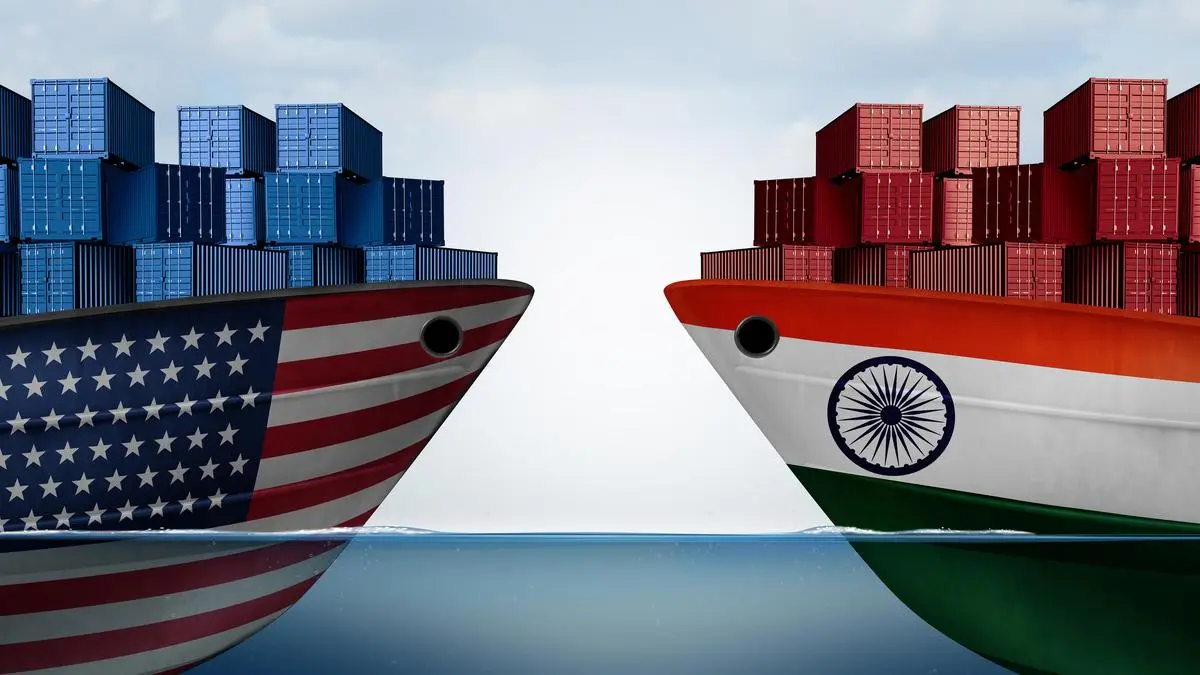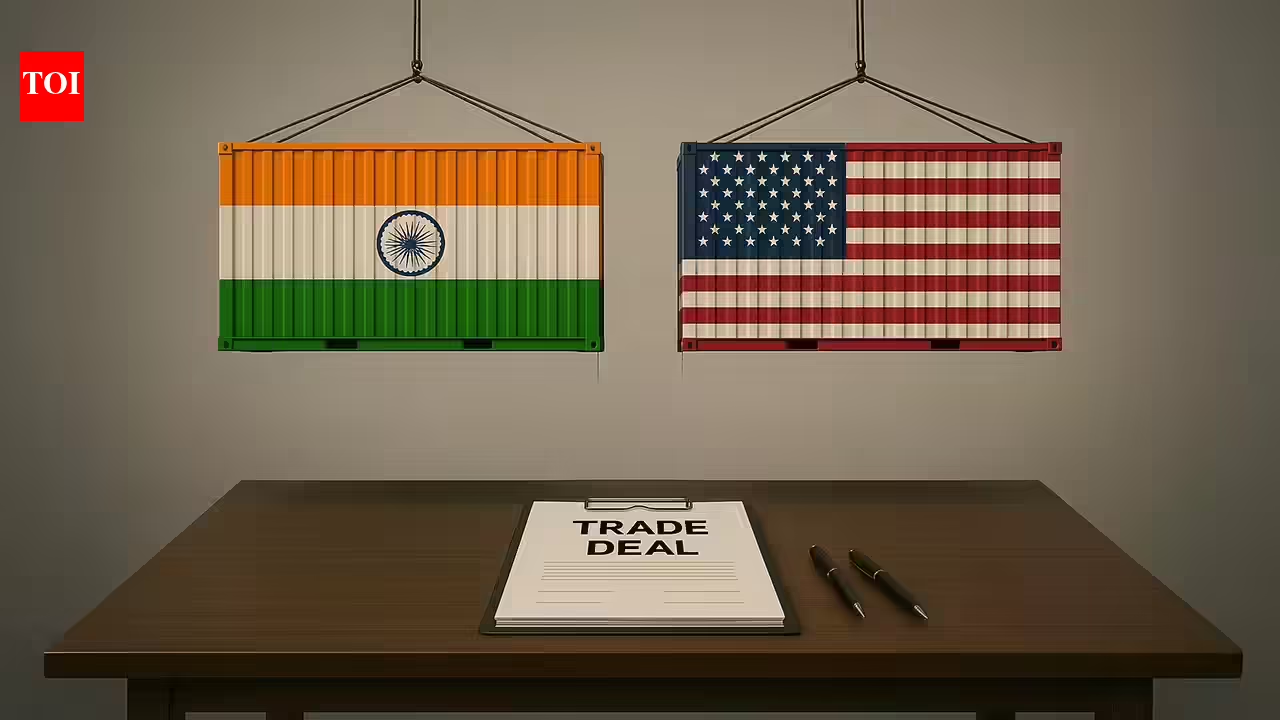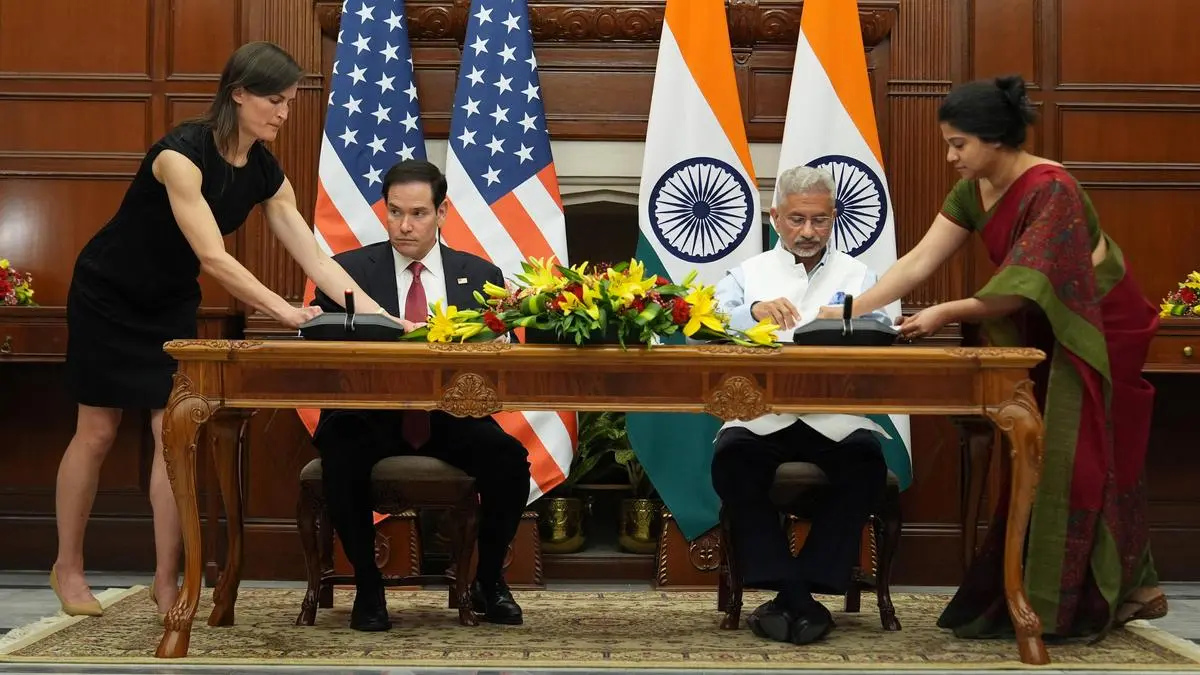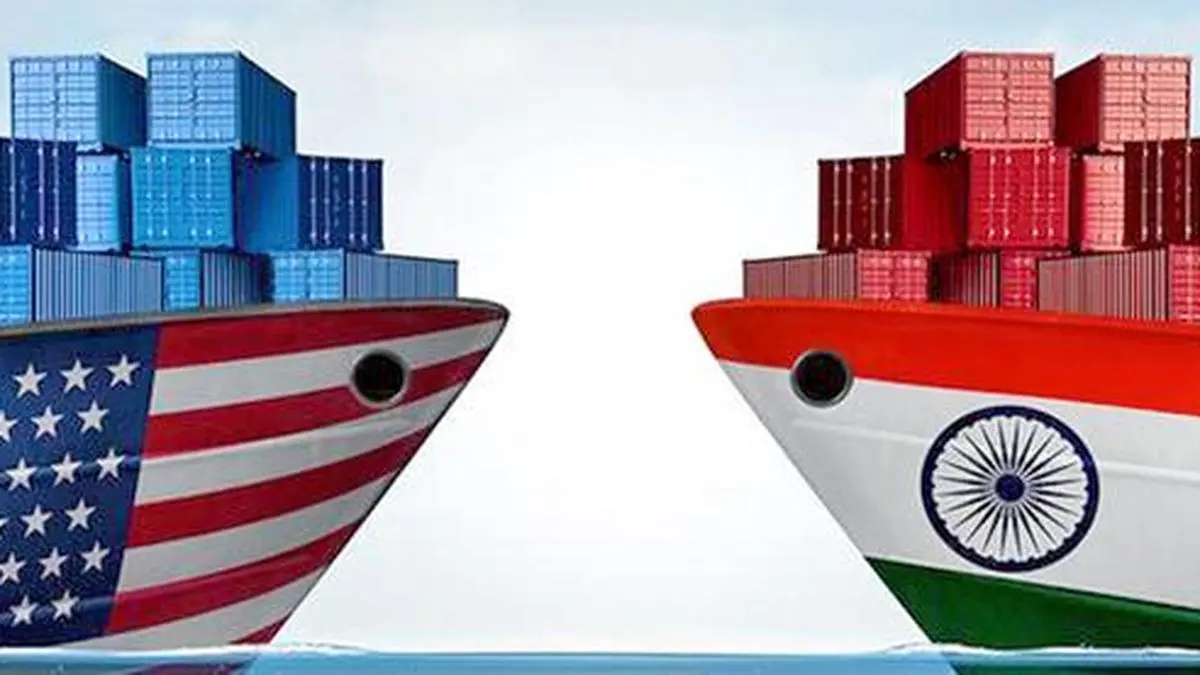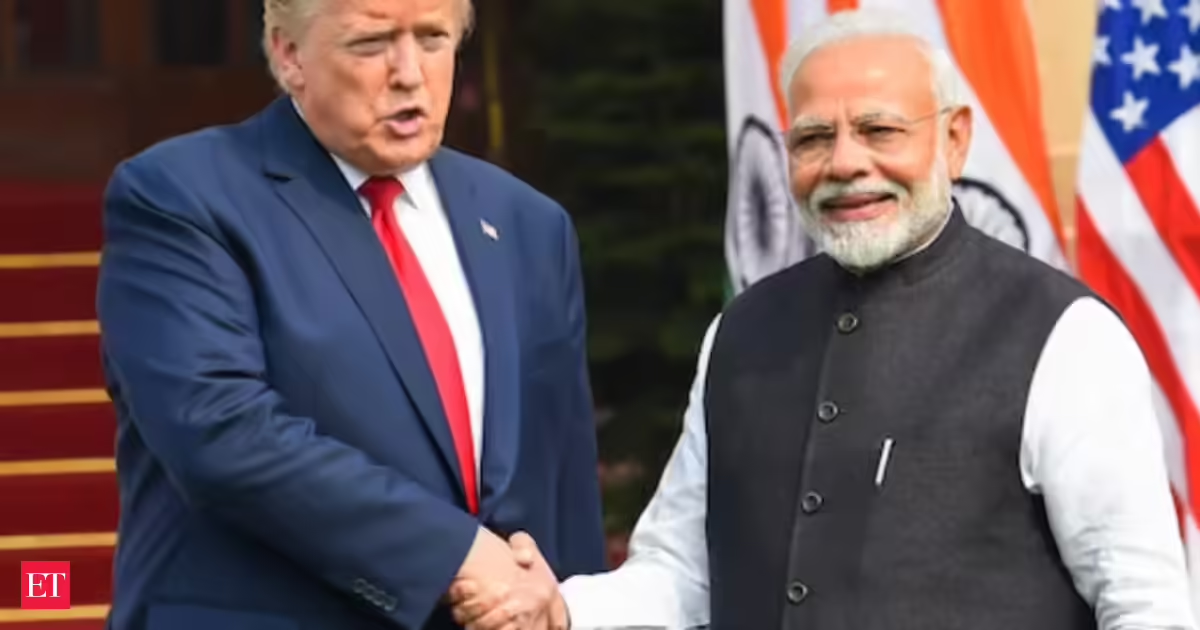
A US trade delegation led by chief negotiator Brendan Lynch is in New Delhi this week for a four-day round of negotiations with Indian officials, as both sides seek to finalise an interim trade agreement between India and the United States. The talks, which began on June 1 and will continue until June 4, are being led on the Indian side by Darpan Jain, Additional Secretary in the Department of Commerce.Also read: India set to bargain hard in trade talks with US, UK this weekThe visit is expected to focus on finalising the details of the interim trade pact whose framework was agreed upon in February 2026, while also advancing negotiations on the broader Bilateral Trade Agreement (BTA) on areas such as market access, non-tariff measures, customs and trade facilitation, investment promotion, and economic security alignment.At the heart of these negotiations is one provision of American trade law: Section 301 of the US Trade Act, 1974. Here is what it is, and why it matters.What is Section 301?Section 301 is a trade enforcement tool embedded in the US Trade Act, 1974. It authorises the USTR (US Trade Representative) to investigate the acts, policies, and practices of foreign governments and determine whether those acts, policies, and practices are unreasonable or discriminatory and burden or restrict US commerce.If an investigation concludes that unfair trade practices exist, the US government can respond by imposing additional tariffs or other trade-related measures on the country concerned.The provision has historically been one of the most powerful instruments in American trade policy. It was used most prominently during the US-China trade war beginning in 2018, when Washington imposed sweeping tariffs on Chinese goods following a Section 301 investigation into intellectual property theft and forced technology transfers.Why is Section 301 relevant now?The current invocation of Section 301 against India follows a significant legal development. In February 2026, the US Supreme Court held that the International Emergency Economic Powers Act (IEEPA) does not authorise the President to impose tariffs, weakening one route for unilateral tariff action.Also read: India-US trade deal: Large parts finalised, talks resume June 2 in New Delhi, says Piyush GoyalWithin hours of that ruling, the US imposed a uniform 10% tariff under Section 122 of the Trade Act of 1974, replacing targeted tariff pressure with a flat duty for all countries.However, that created a problem for Washington. Several countries had already negotiated trade arrangements under the earlier tariff framework, including higher negotiated tariff levels such as 18% for India and 19% for Indonesia.What is India being investigated for?In March 2026, USTR Jamieson Greer announced the initiation of investigations into the acts, policies, and practices of various economies under Section 301(b) of the Trade Act of 1974, relating to structural excess capacity and production in manufacturing sectors.India was among the economies named, alongside China, the European Union, Japan, South Korea, Vietnam, and others, according to a Federal Register notice.The USTR's notice cited India's bilateral trade surplus with the United States and identified sectors it believes have structural excess capacity stating that India's solar module manufacturing is nearly triple annual domestic demand, and that India has also created significant excess capacity in petrochemicals, steel, and other industries.There is also a separate track. Under a parallel Section 301 investigation on forced labour, the USTR is examining whether countries have laws prohibiting imports made using forced labour and whether such bans are effectively enforced.According to Bloomberg, India has denied the allegations and asked Washington to terminate the investigations, saying the issues should be addressed within the framework of ongoing trade negotiations rather than through unilateral measures.Both sides are working to advance discussions on an interim trade arrangement before July 24, when the current 10% baseline tariff window is expected to expire. If no deal is in place by then, the Section 122 temporary framework lapses and Section 301 becomes the operative instrument potentially exposing India to significantly higher, country-specific tariffs.What is India seeking in the current talks?Reuters reported that India is likely to discuss Washington's Section 301 investigation and potential tariff measures with US trade officials as the two nations seek to finalise a deal.An Indian government source, speaking on condition of anonymity as details of the planned talks are confidential, told Reuters, "India has to discuss tariff rate, 301 probe impact, and aim for competitive tariff rate versus direct competition," adding the deal could be agreed if "we get the terms fair, equitable, and balanced."India is also seeking tariff treatment that would give it an advantage over competing manufacturing hubs in Asia, with the official indicating New Delhi expects preferential tariff rates compared with developing countries in South Asia and Southeast Asia, including Bangladesh, Pakistan and Sri Lanka.Bloomberg reported that the Indian official said the deal could be agreed if India gets a fair, equitable and balanced pact. US Ambassador Sergio Gor expressed confidence that the deal would be signed within weeks.What happens next? Commerce Minister Piyush Goyal said this week that 99% of discussions between the two countries have already been completed. The American delegation led by Lynch is in New Delhi until June 4, with both sides expected to finalise the details of the interim agreement and advance the broader BTA.US Trade Representative Jamieson Greer could visit India once the broad contours of the agreement are finalised, the Indian government source told Reuters, signalling progress in the negotiations.
As India-US trade talks resume in New Delhi, here's what Section 301 means for the deal
US and Indian trade officials are in New Delhi for crucial talks. They aim to finalize an interim trade pact before a key tariff deadline. Discussions also cover a broader trade agreement. A US trade investigation under Section 301 is a significant factor. India seeks fair terms and preferential treatment. Progress is expected soon.
891 words~4 min read