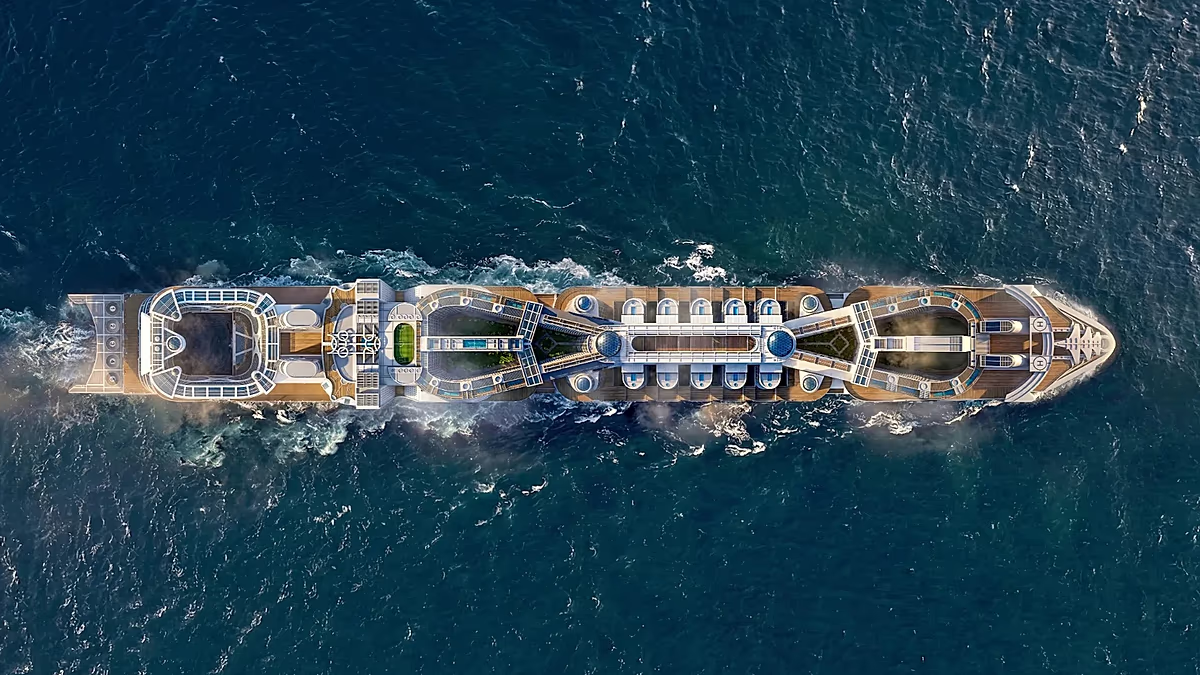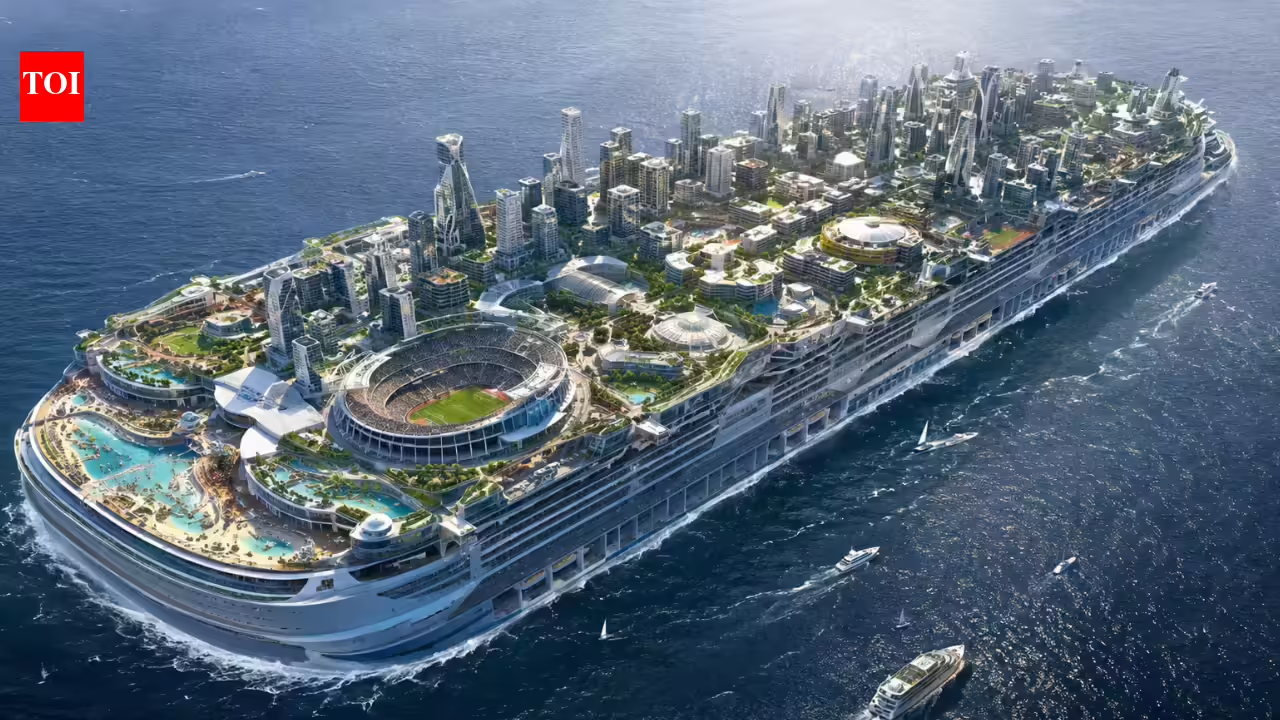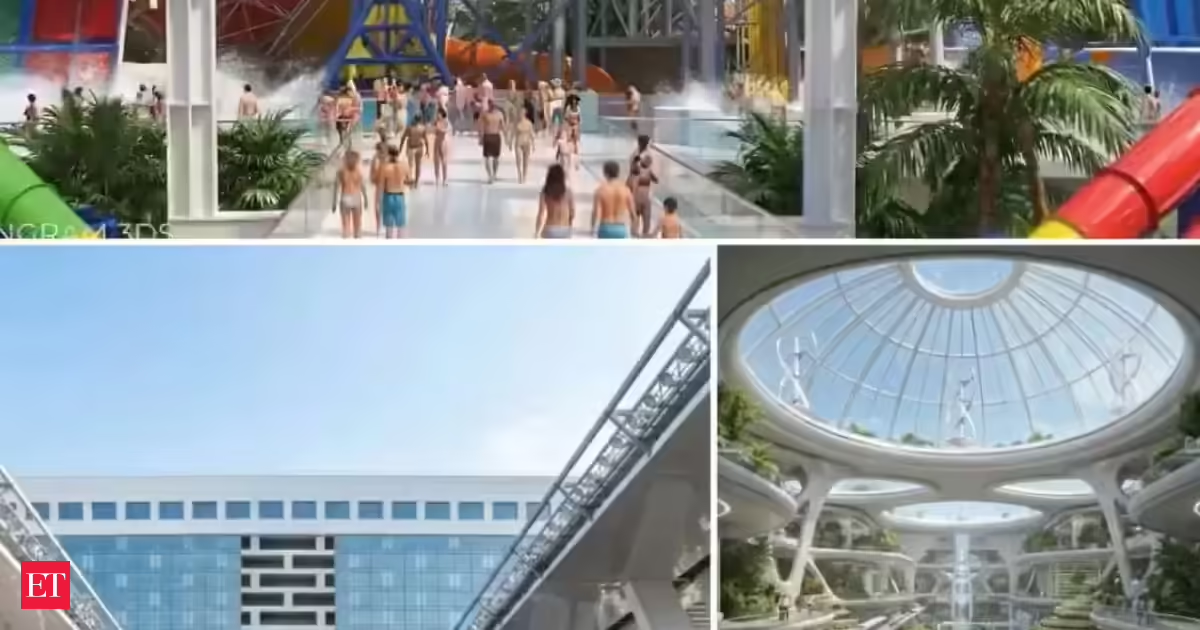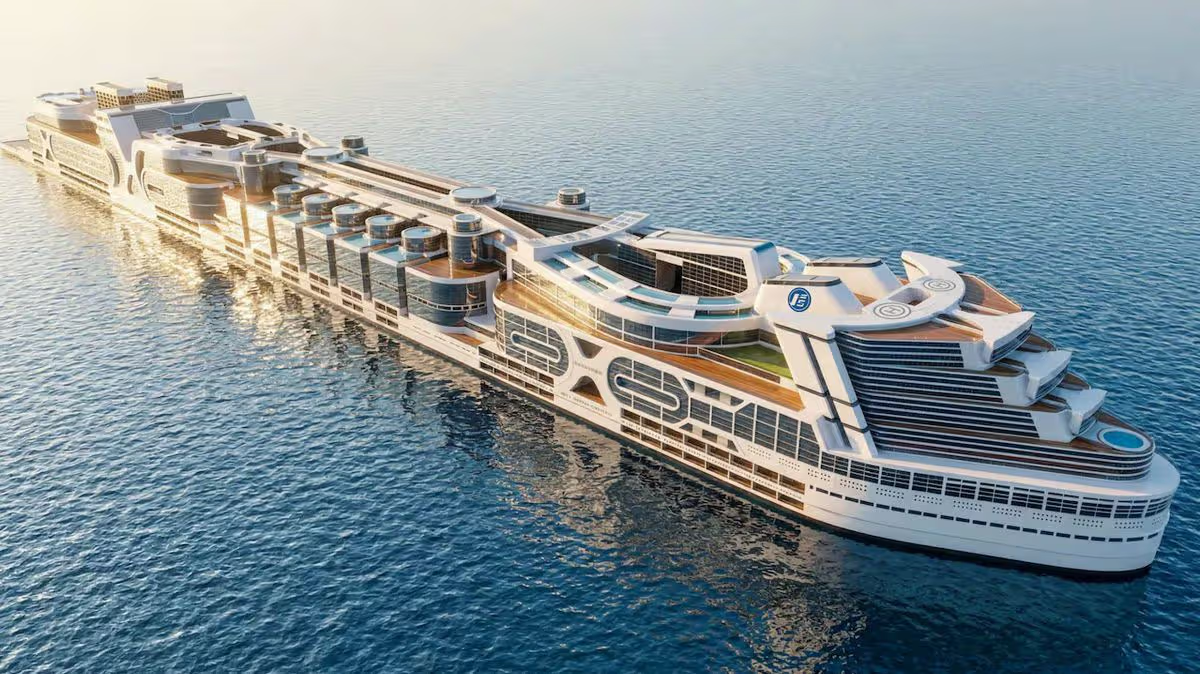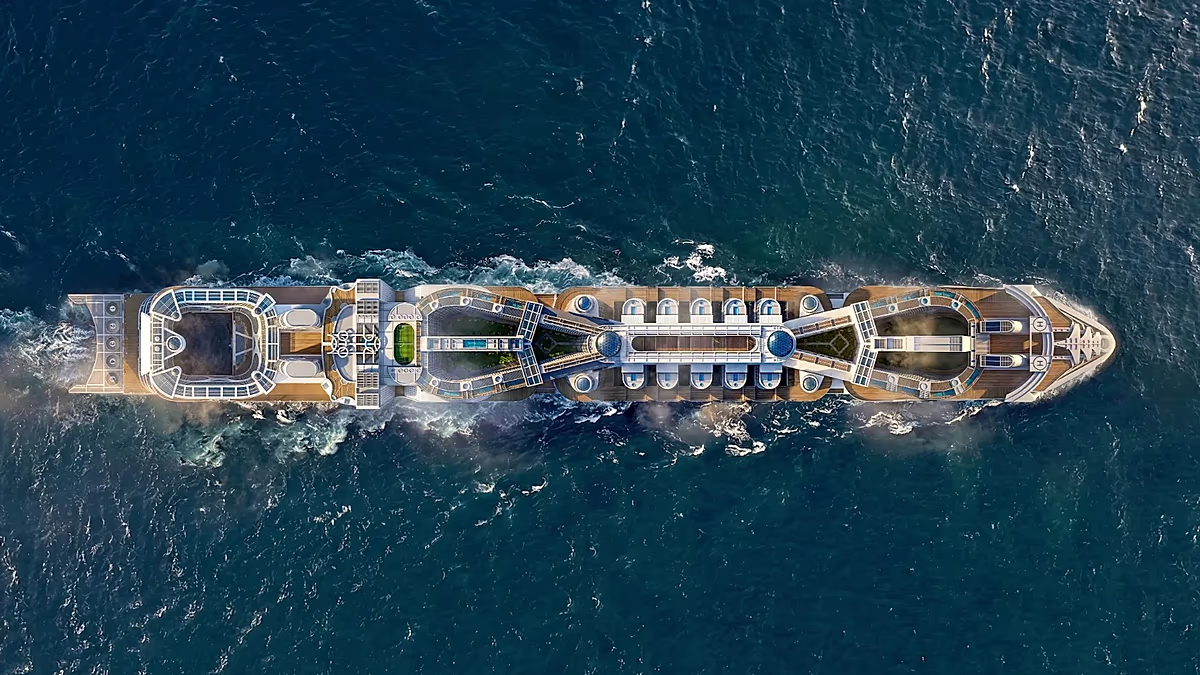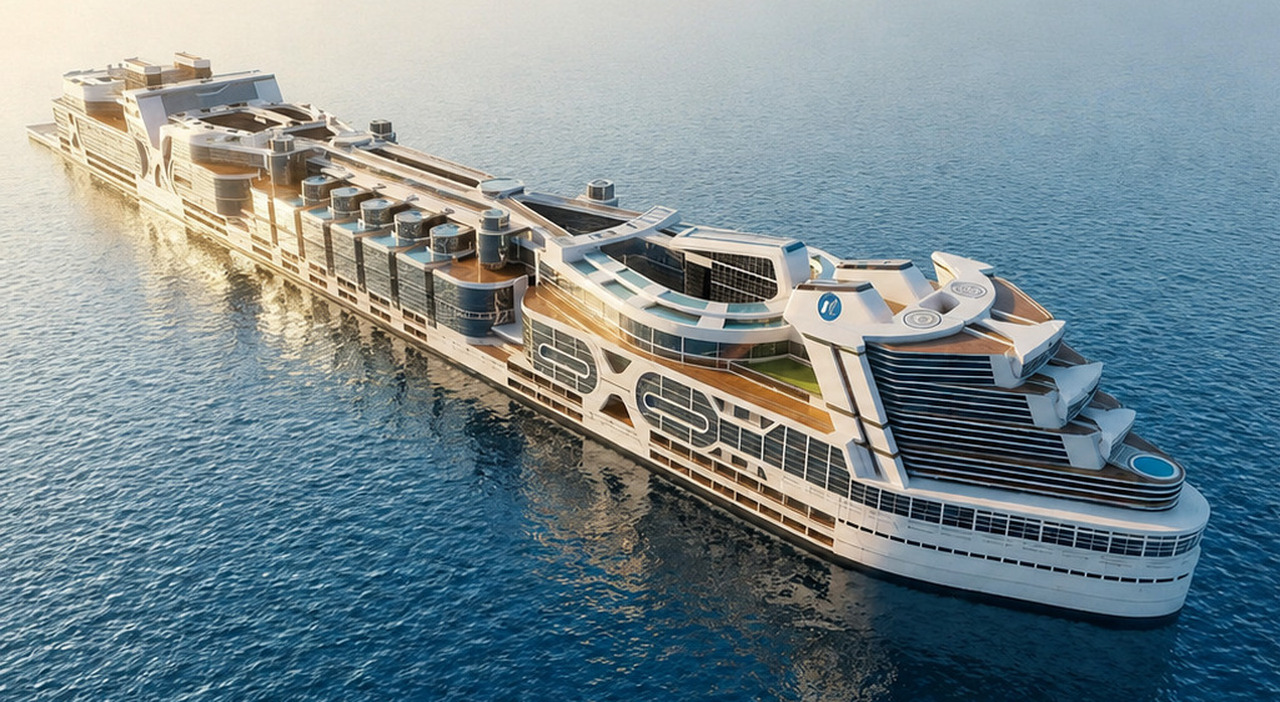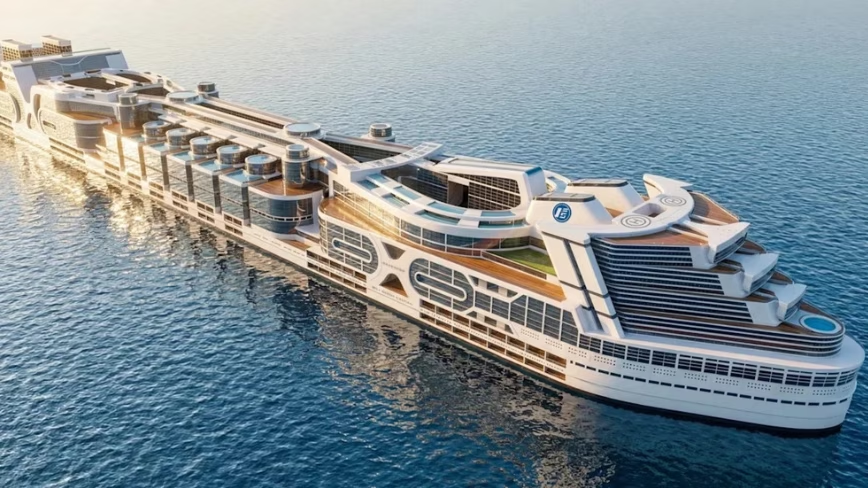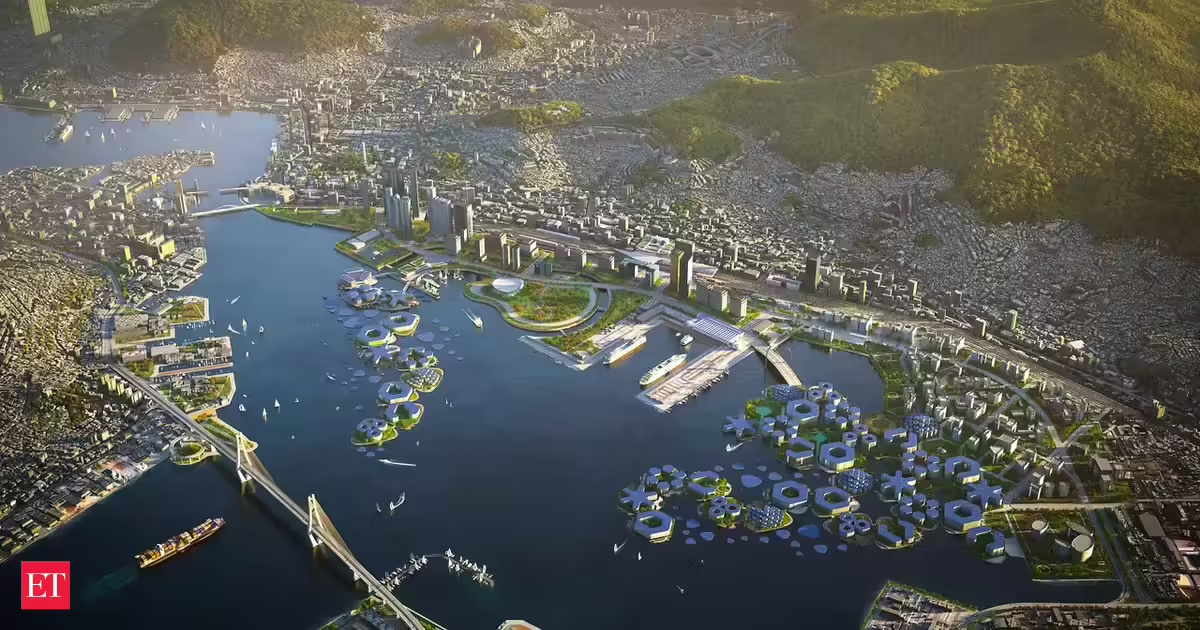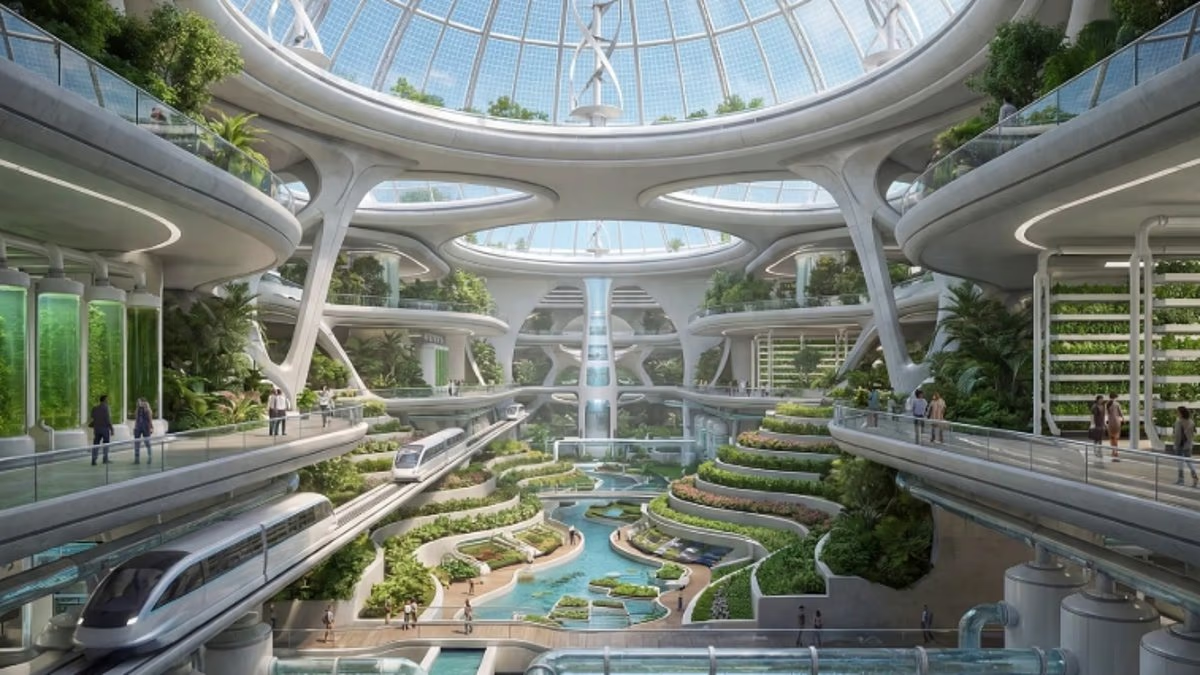
The world's largest cruise ship, the Royal Caribbean Icon of the Seas vessel, has a capacity of 7,600 passengers - which is pretty impressive.Until, that is, you learn of plans for a brand-new upcoming 'floating city', with space for up to 80,000 on board.Mammoth cruise ships travelling the world today will be dwarfed by the £12 billion Freedom Ship, a new development that will welcome residents - not passengers - on board.Longer than the Burj Khalifa, Eiffel Tower and even the Titanic, it is an impressive new project - and aims to circle the globe every two or three years.While standard cruise ships are, of course, well equipped, this is a cut above.The vessel will be around 1.8km long and 228m wide, and the ship, from Freedom Cruise Line International, will have designated spaces for housing, work, education and healthcare.First proposed in the 1990s, this ship will be able to house 50,000 permanent residents with space for another 10,000 cruisers and day visitors, all served by 20,000 crew. The lifestyle is not quite the holiday ambience one might expect from vacation cruises. The new Freedom Ship is being developed, set to accommodate up to 80,000 people With shopping and commercial centres, those on board will want for nothing A two-storey food court is among the many dining options available on board'Life aboard the Freedom Ship is envisioned as daily urban life - reimagined within a permanently mobile setting,' the Freedom Ship website explains.'The project is designed for long-term inhabitants rather than short-term visitors, with the structures, services, and rhythms of a real city rather than a temporary destination.'The ship is divided into four key areas - an arrival and departure space, the city core, hospitality and residential. Passengers onboard the ship will be able to take advantage of a futuristic tram system to get around. Permanent homes provide a sense of stability, and offices and shared work environments allow for one to continue with their daily tasks.Botanical gardens, courtyard gardens, and a central park are all on offer if you're seeking green space.As well as this, restaurants, cafés, performance spaces, and gathering places are abundant - including swimming pools, diving pools, a water park, shopping area and football pitch.Meanwhile, residents will have access to libraries, galleries, performance spaces and community halls - so you won't miss out on a taste of culture.A two-storey food hall as well as other dining options will be available. Education will be at the forefront of any parents' minds - and facilities will be excellent on board. School areas are available from primary age all the way up to college Trams will allow passengers to navigate the huge ship and all its walkways Water parks and other entertainment facilities will keep families occupied Greenery on board will allow residents to enjoy a nature-filled lifestyle Hotels and permanent accommodation will make the floating city livableAs well as traditional schools, educational facilities will encompass libraries, workshops and cultural programs.There will also be space for higher learning among adults. A state-of-the-art hospital is set to join the growing list of essential establishments joining the floating city. The community feel of a city is also recreated on board, with the establishment of neighbourhoods.The website adds: 'Life onboard is intended to balance independence and connection, permanence and change. The Freedom Ship does not seek to replace life ashore, nor to replicate it exactly. 'Instead, it proposes a parallel model of urban living - one that unfolds continuously over time, shaped by place, movement, and the collective life of its inhabitants.'Sustainability is at the core of the model - and the aim is to use nuclear power, thereby limiting carbon emissions.
The world's first 'floating city' will have schools, hospital and tram
With a water park, hospital, school and plenty of parks, plans for a new floating city might sound appealing for anyone looking to relocate to enjoy a more glamorous lifestyle.
TL;DRAI
Freedom Ship, £12B mega-vessel, will house 80,000 residents in 1.8km floating city with schools, hospital, tram and nuclear power. For IT leaders: 80k-person mobile infrastructure demands IoT, real-time logistics and energy management—mega-scale sustainability infrastructure trend.
610 words~3 min read