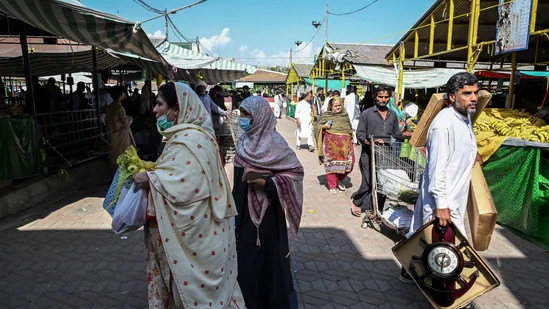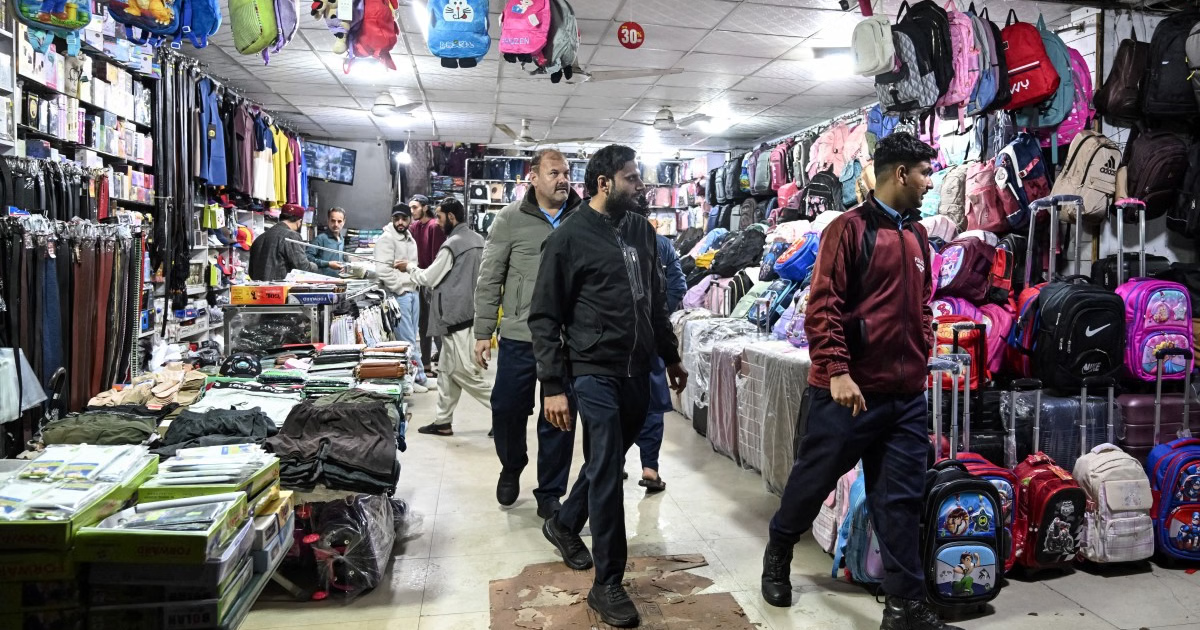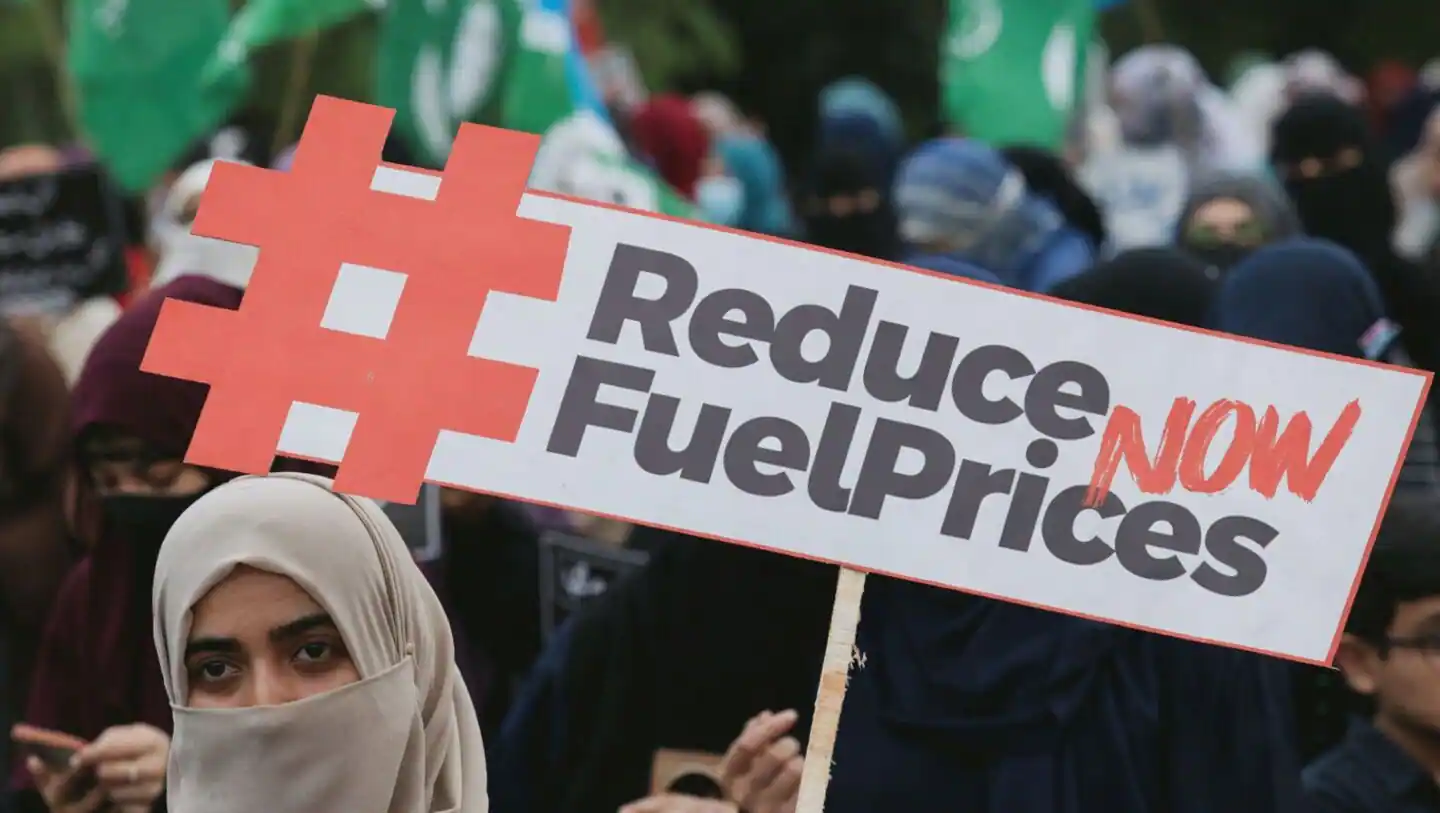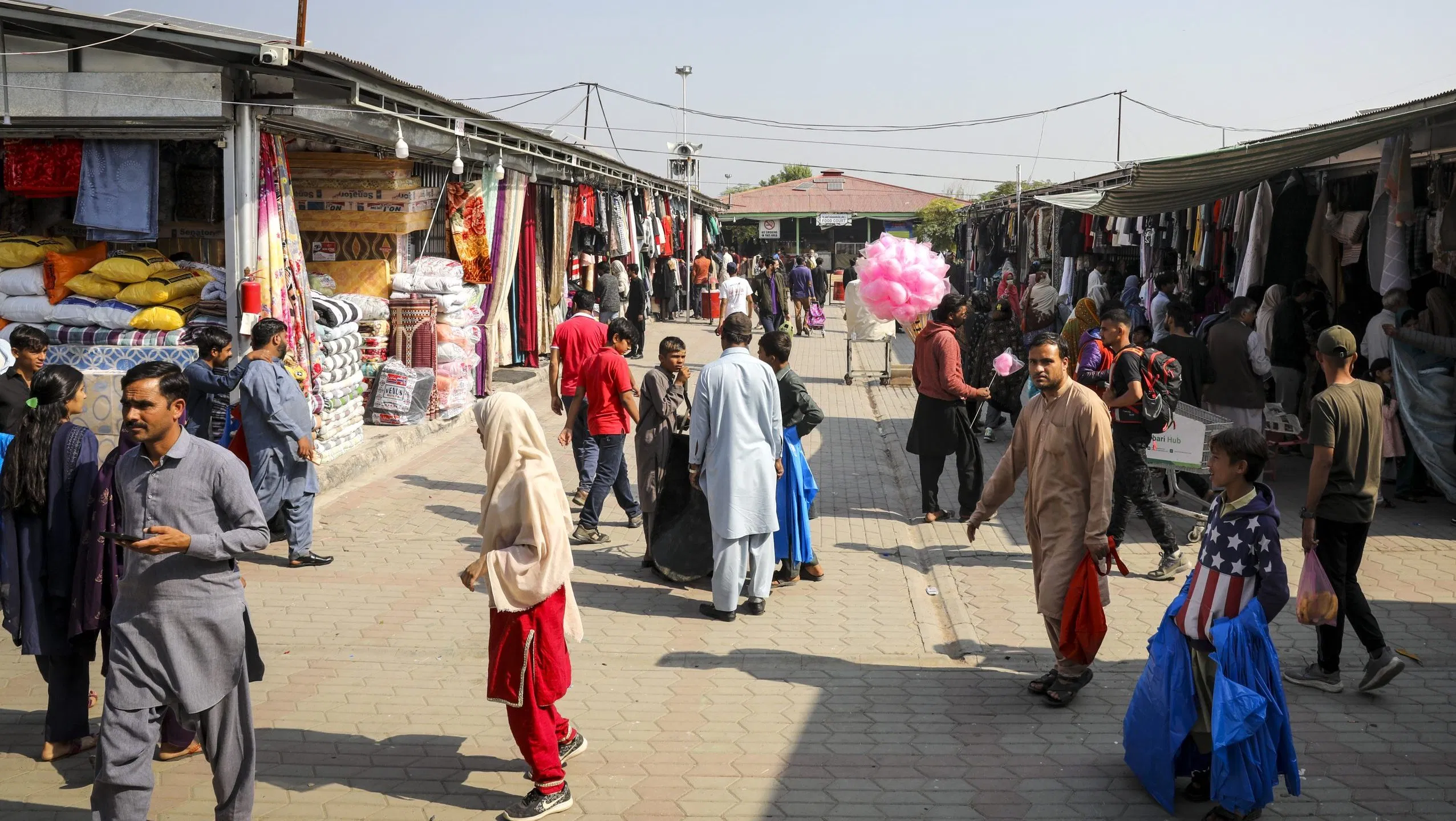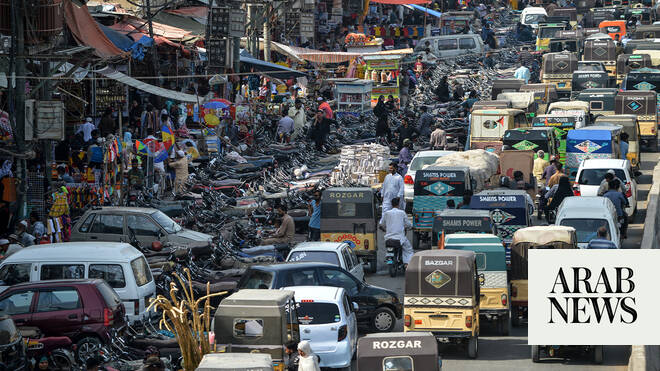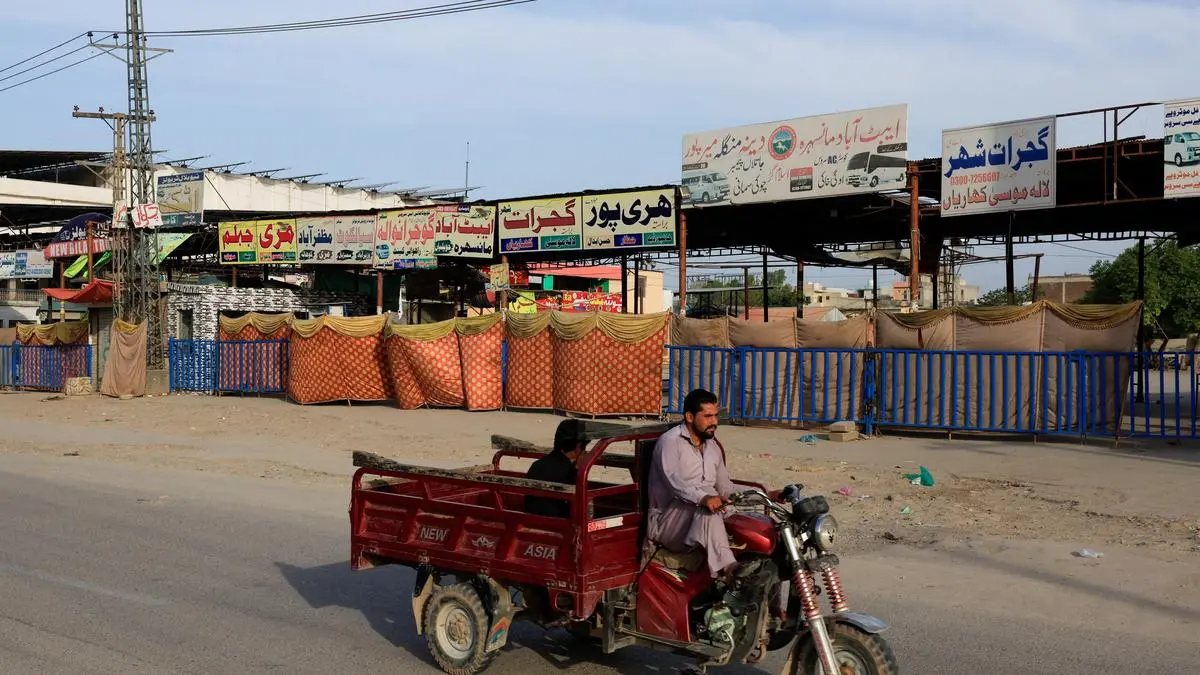
Pakistan orders early market closures as energy costs soar amid US-Iran conflict (Image credit :ANI)Pakistan's capital Islamabad has enforced early closing hours for businesses as authorities attempt to curb energy consumption amid rising fuel costs triggered by the ongoing conflict in Middle East.Under the revised schedule, markets, shops and shopping malls are now required to close by 8 pm, while restaurants, bakeries, grocery stores and other food outlets can remain open until 10 pm. The new rules took effect as part of a broader austerity campaign.New timings announcedThe Islamabad district administration, headed by Deputy Commissioner Irfan Memon, announced the revised business hours on social media."The District Administration Islamabad has enforced revised business operating hours under ongoing austerity measures, effective today (June 1, 2026)," the administration said in a post on X.Authorities clarified that marriage halls, marquees and other event venues must also close by 10 pm. However, essential services including hospitals, pharmacies, petrol pumps, dairy shops, sports facilities, call centres and IT firms serving international clients have been exempted from the restrictions.The measures also apply to events and functions held on private properties.Energy costs trigger austerity measuresThe restrictions were first introduced in March after the conflict involving Iran disrupted regional energy markets and pushed fuel prices higher.Islamabad responded by implementing power-saving measures, including reduced business hours, to lower electricity consumption and ease pressure on public finances.Pakistan, which relies heavily on imported fuel, has been particularly vulnerable to fluctuations in global energy prices.Impact of the Strait of Hormuz crisisThe ongoing conflict has disrupted supplies moving through the strategically important Strait of Hormuz, one of the world's busiest energy transit routes.The disruption has increased transportation costs and added pressure on energy-importing economies across Asia.The move is expected to face resistance from traders and business owners, many of whom argue that evening hours account for a significant share of daily sales.
Pakistan orders early market closures as energy costs soar amid US-Iran conflict
Pakistan's capital Islamabad has enforced early closing hours for businesses as authorities attempt to curb energy consumption amid rising fuel costs triggered by the ongoing conflict in Middle East.
308 words~1 min read