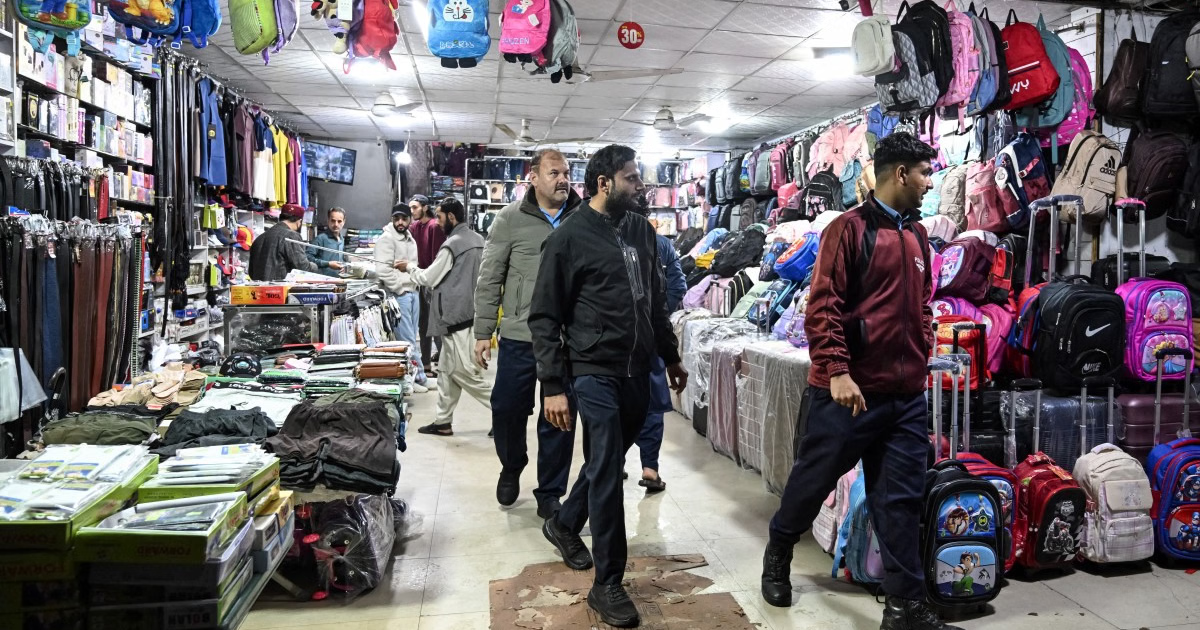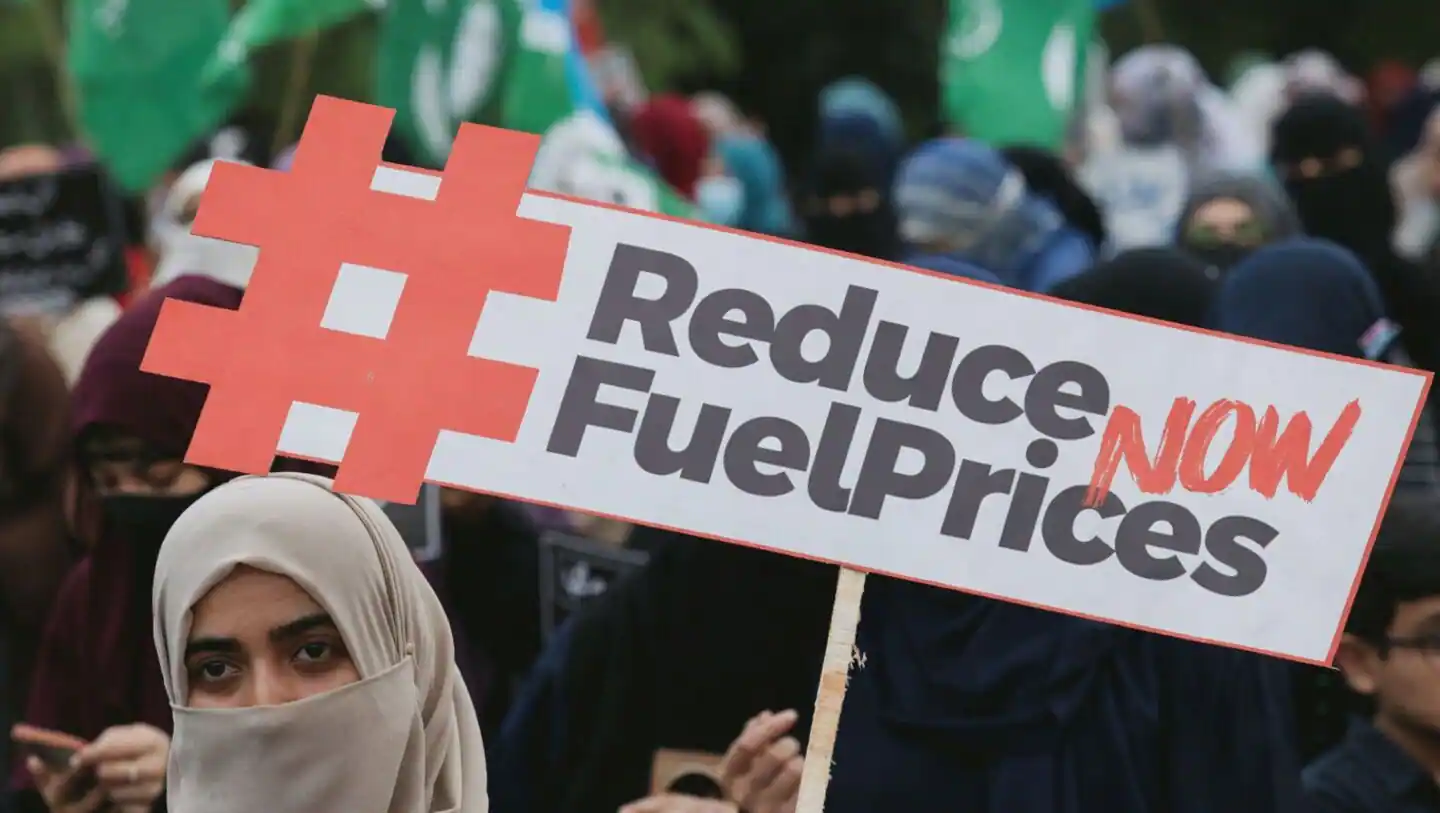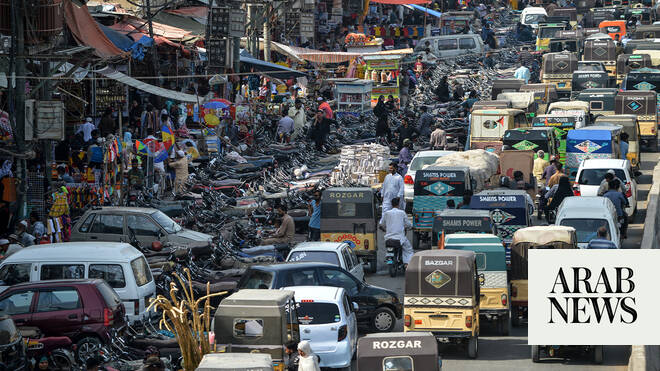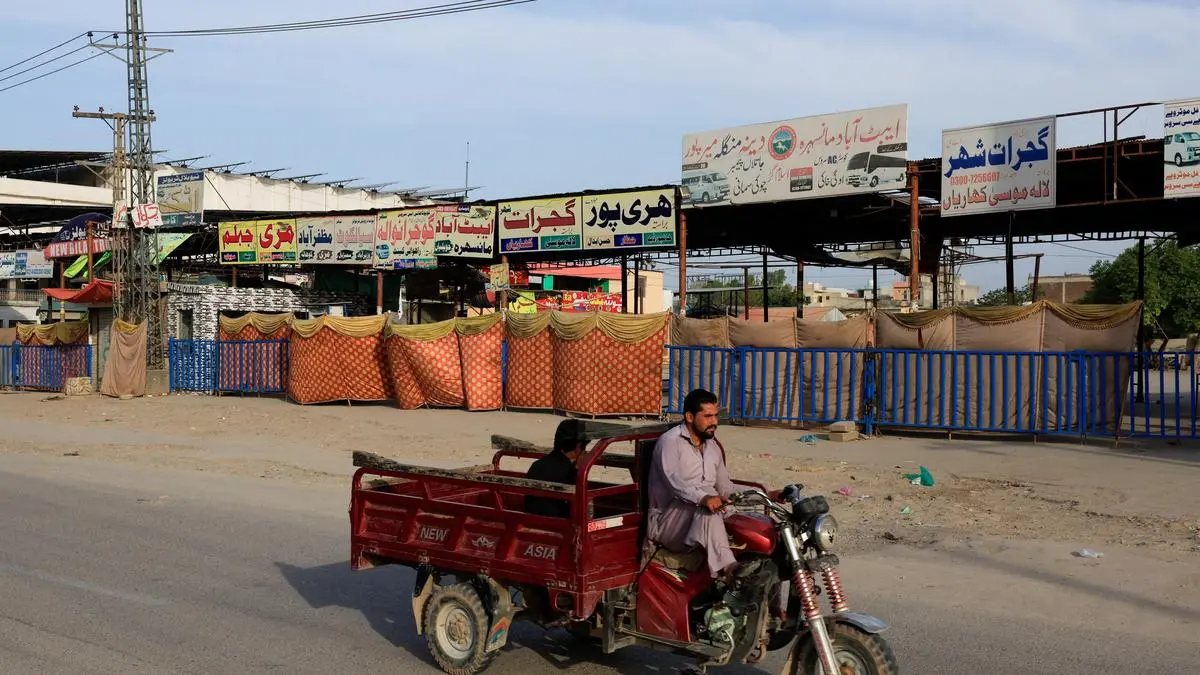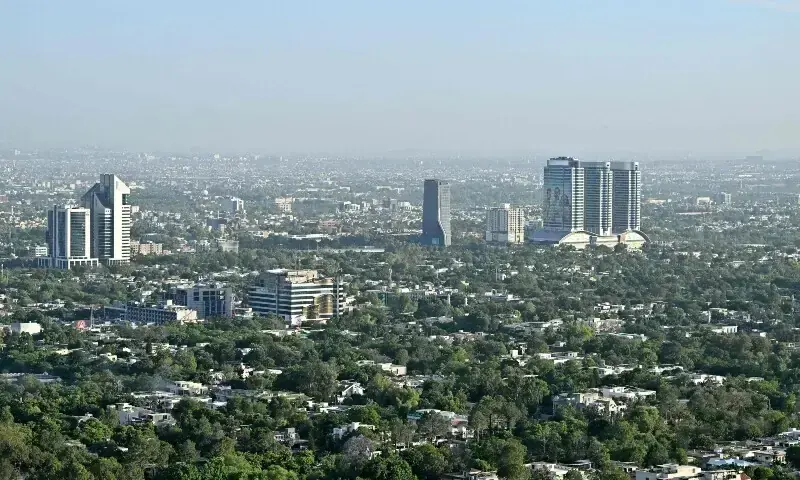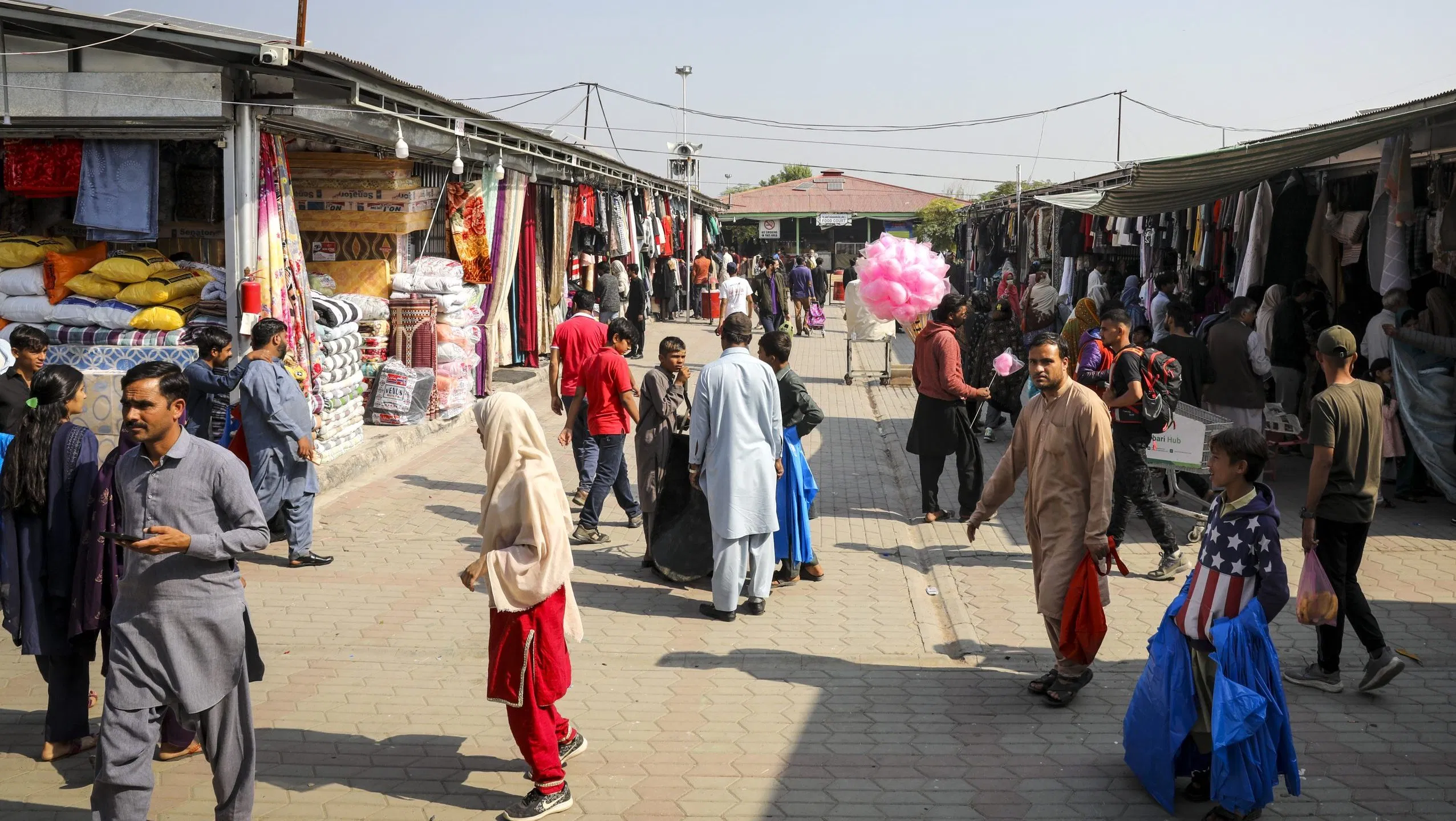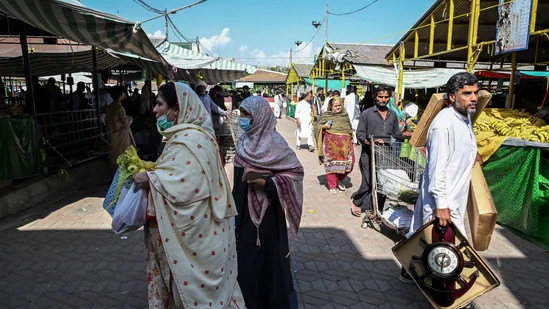
Pakistan's capital, Islamabad, has introduced revised operating hours for businesses, requiring them to shut by 8 pm from Monday as part of an austerity drive due to the conflict in West Asia and the resulting rise in energy costs.People buy vegetables at government-subsidised rates at a Sunday market in Islamabad, (AFP)The conflict has increased pressure on fuel-importing countries across Asia. Higher energy prices are driving up inflation and straining external finances.As a result, governments are being pushed to adopt urgent measures to support their currencies and limit the economic impact.Pakistan revises market timingsThe district administration, headed by deputy commissioner Irfan Memon, announced on social media that the new closing hours would apply every day of the week. Markets must shut by 8 pm, while restaurants and grocery stores can remain open until 10 pm."The District Administration Islamabad has enforced revised business operating hours under ongoing austerity measures, effective today (June 1, 2026). Markets, shops and shopping malls will close at 8:00 PM, while restaurants, grocery stores, bakeries and other food outlets will operate until 10:00 PM," it said on X.It added: "Marriage halls, marquees and other event venues will also close at 10:00 PM. Essential services, including pharmacies, hospitals, petrol pumps, dairy shops, sports facilities, call centres and IT companies serving international clients, remain exempt from the restrictions."The restrictions extend to functions and gatherings held on private properties as well.The reduced business hours were first introduced in March after the US-Israeli attack on Iran led to a sharp rise in fuel prices. The government responded by implementing austerity measures, including earlier shop closures, to reduce electricity consumption.Traders and business owners have traditionally resisted such measures, as most markets generally begin operations around midday and continue late into the evening.Pakistan’s energy crisisThe US-Israeli war on Iran, which began on February 28, has led to massive instability across West Asia and disrupted energy markets after Tehran blocked supplies passing through the strategically important Strait of Hormuz.Under normal conditions, nearly one-fifth of the world's oil and natural gas supplies move through Hormuz, with a large share destined for Asian countries.Pakistan relies heavily on this route to meet its energy requirements. Although some of its tankers have been allowed passage during the crisis, shipments are being carried at higher costs because of the worldwide increase in energy prices.With inputs from agencies
Pakistan's Islamabad orders markets to shut by 8 pm amid energy crisis due to US-Iran war
The conflict has increased pressure on fuel-importing countries across Asia. Higher energy prices are driving up inflation and straining external finances. | World News
387 words~2 min read