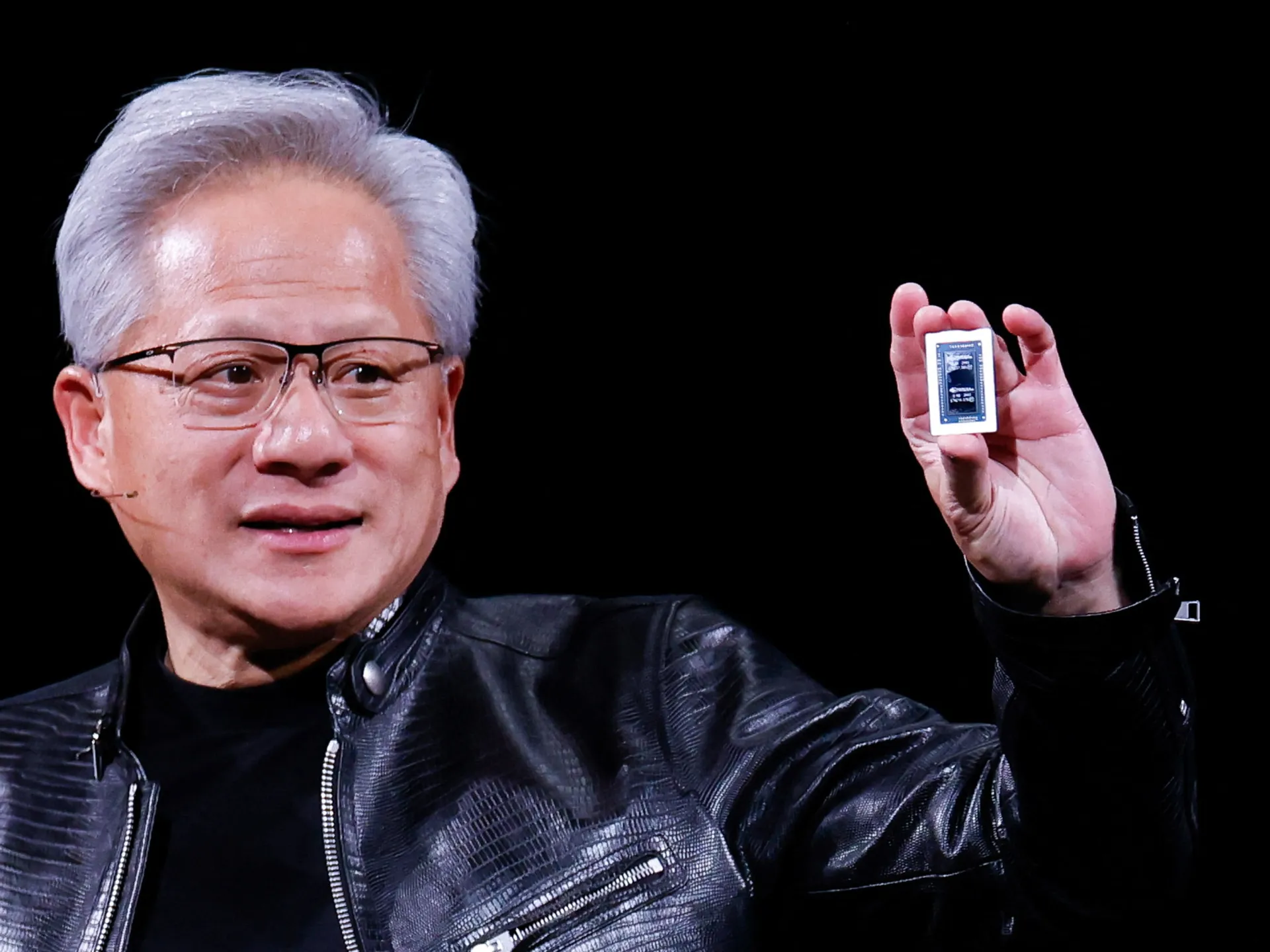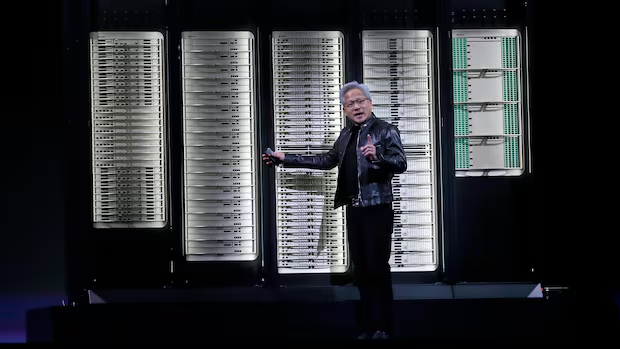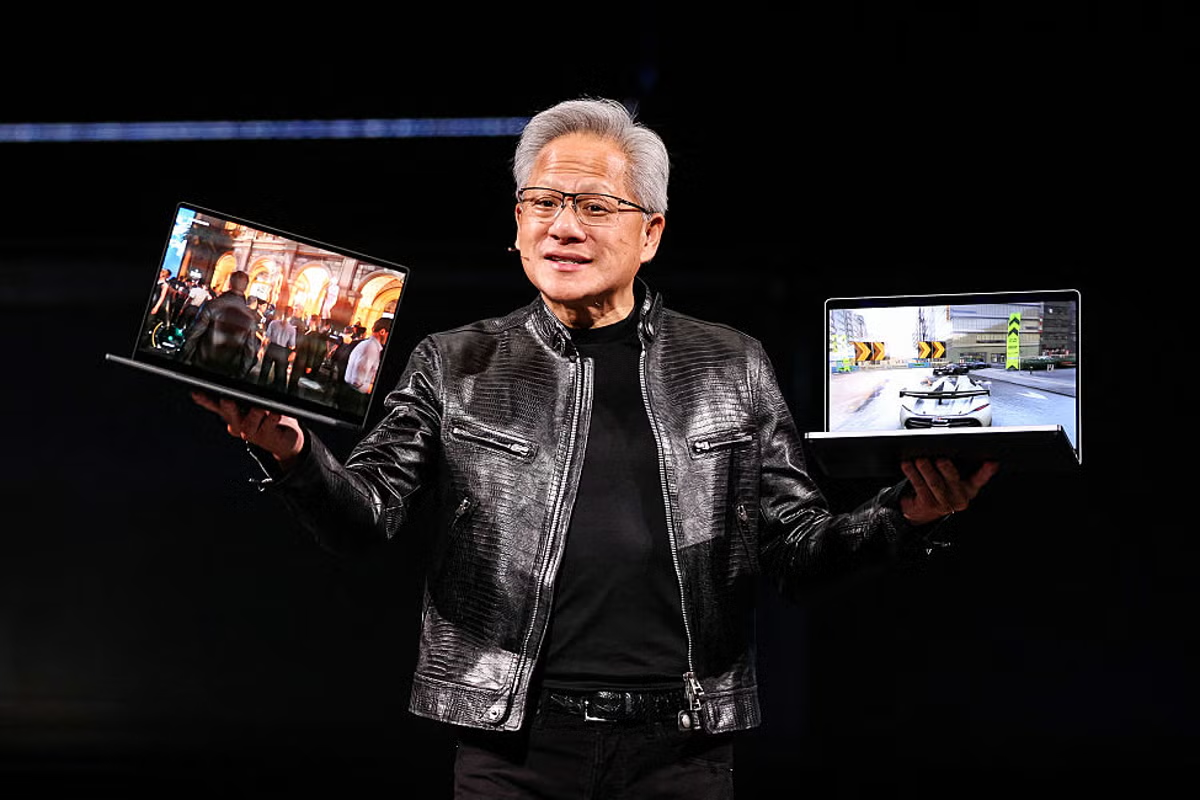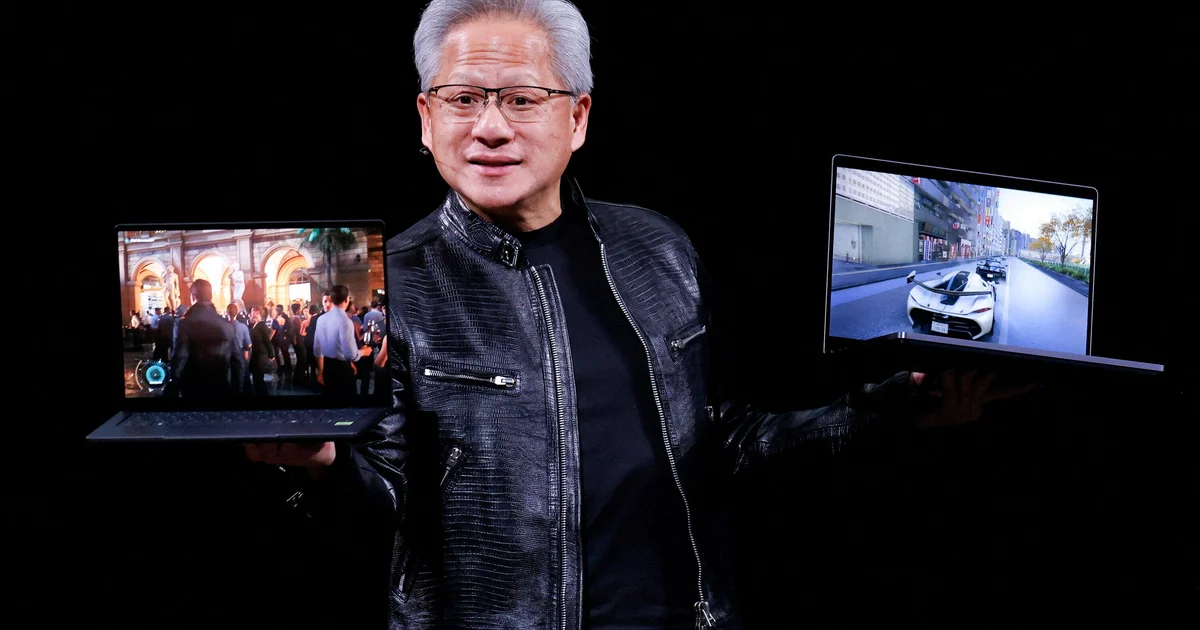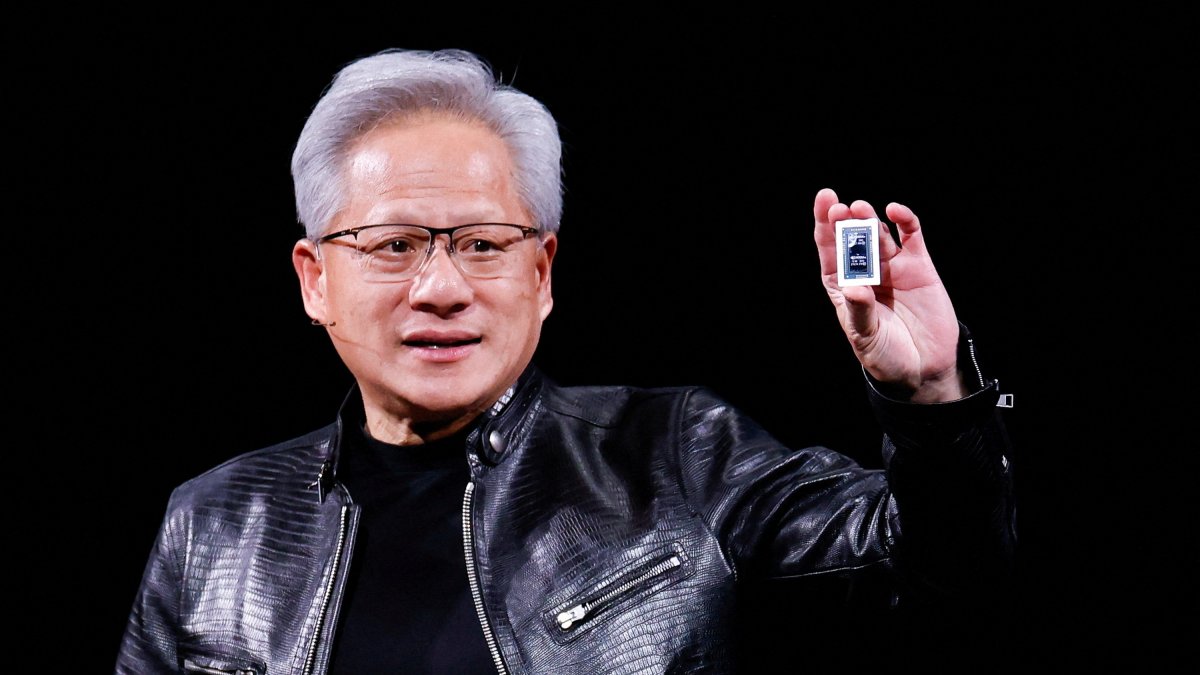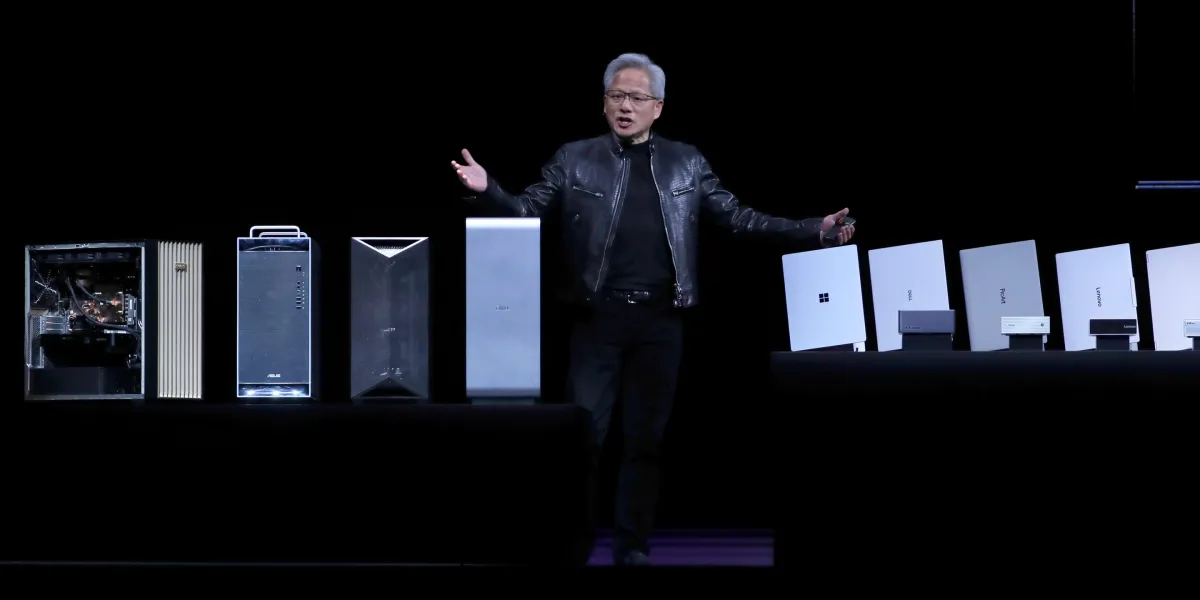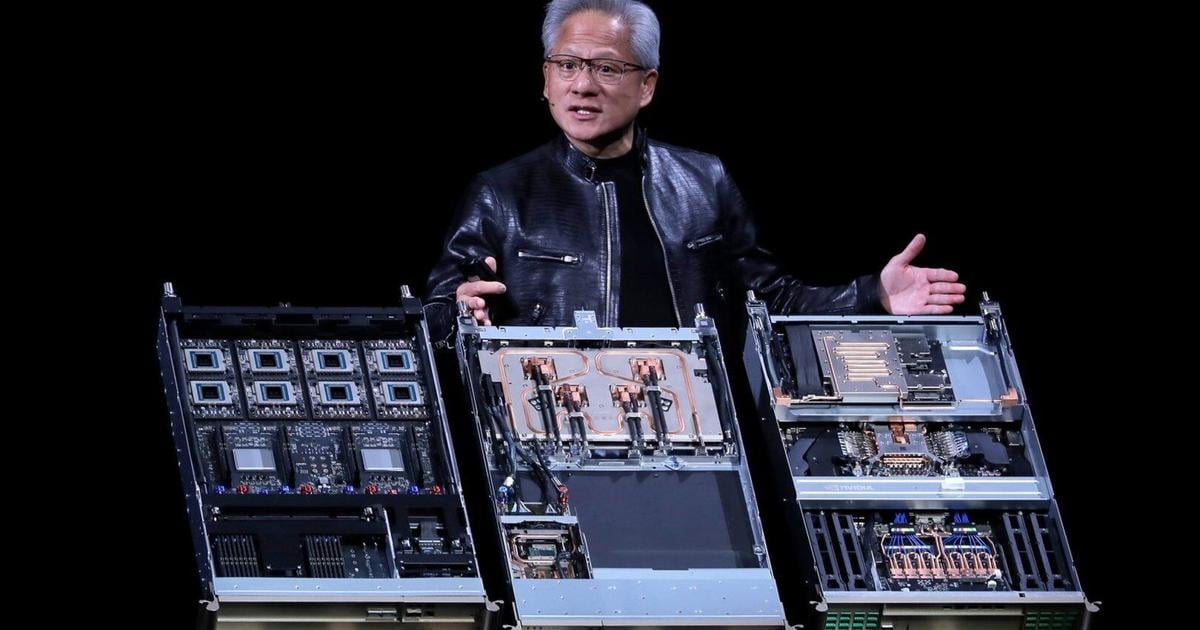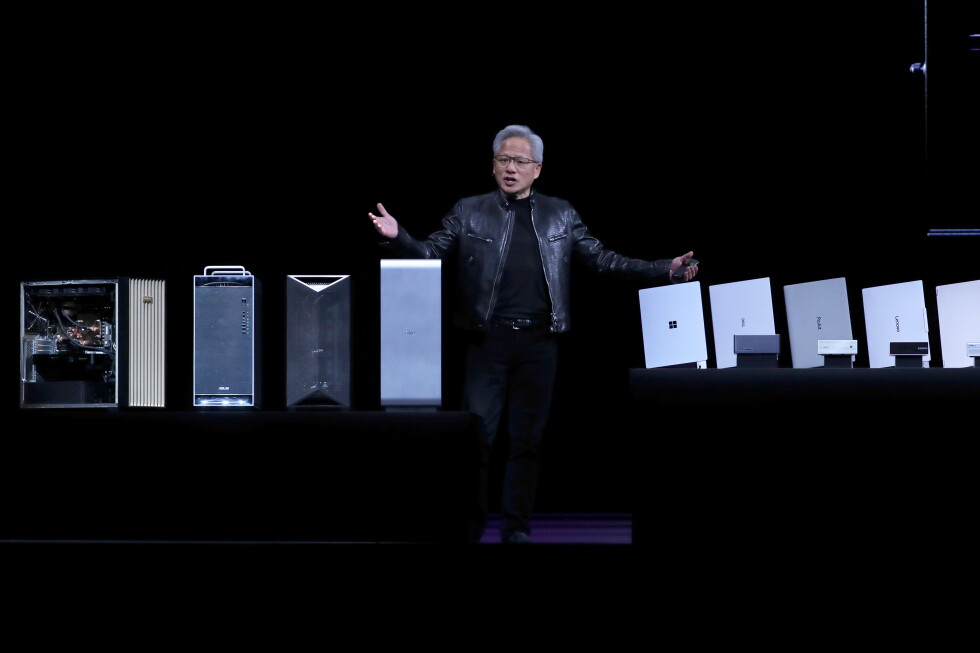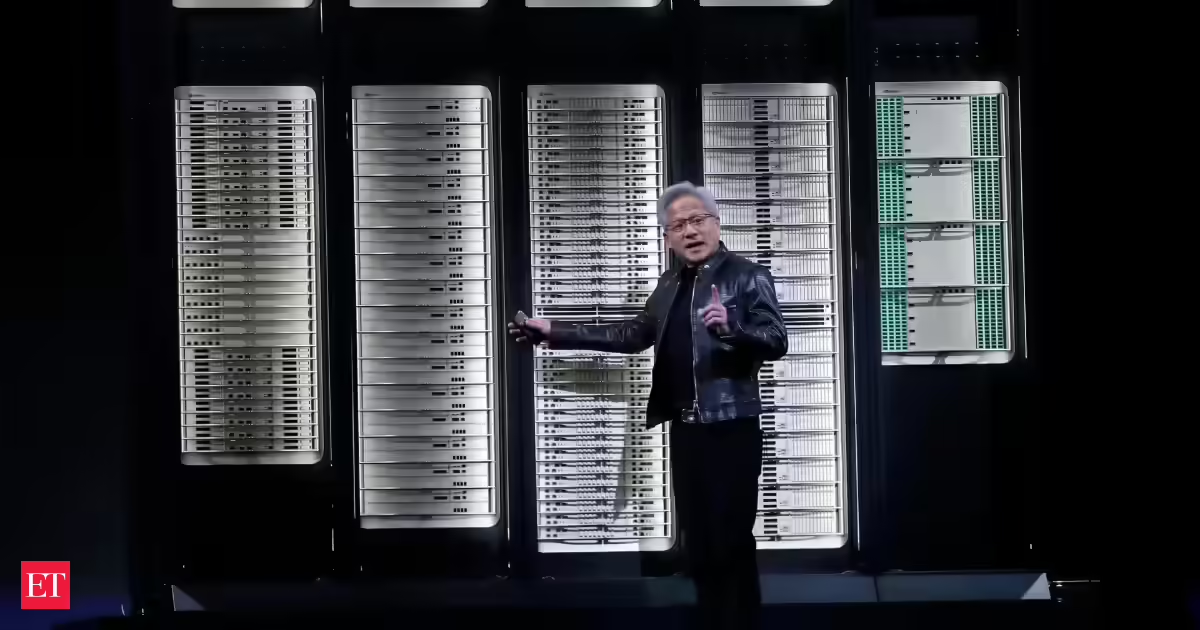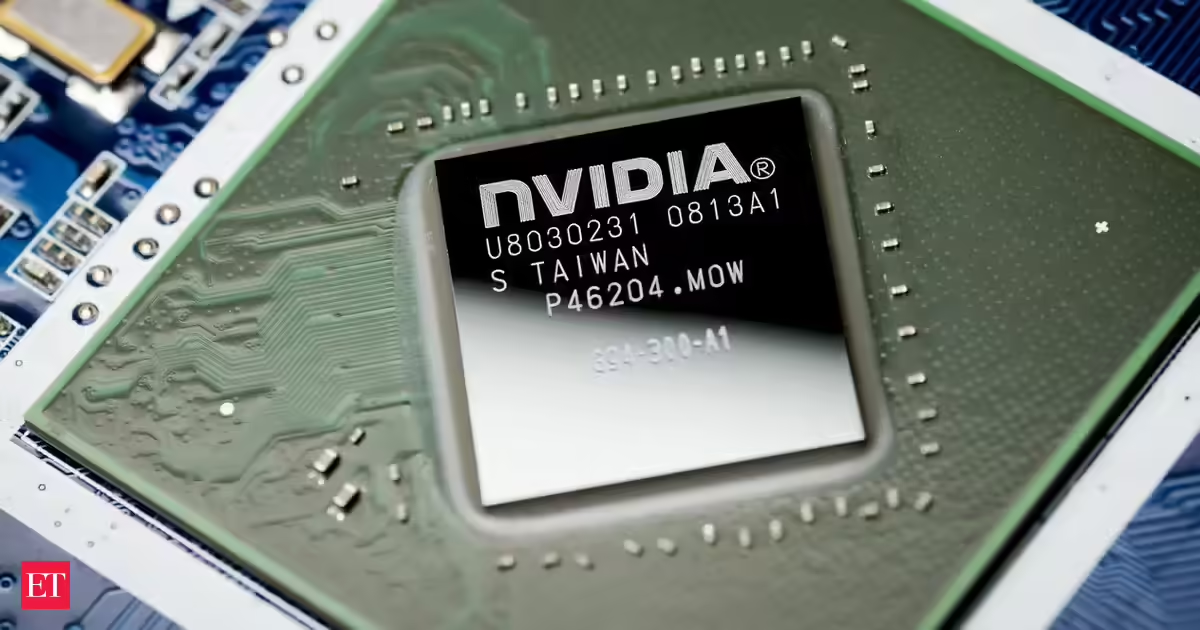
SynopsisNVIDIA’s new AI chip reflects a shift toward computers that can actively assist users rather than simply execute commands. As AI moves onto devices, it is becoming central to how personal computing will function, enabling more automated, intent-driven interactions across everyday tasks. iStockFor decades, personal computers have advanced through improvements in speed, graphics, storage, and connectivity. While each generation delivered better performance, the fundamental relationship between users and machines remained largely unchanged: people gave instructions, and computers executed them.Artificial intelligence is beginning to reshape that dynamic.NVIDIA's latest AI-focused chip for personal computers represents more than a hardware upgrade. It reflects a broader vision in which computers evolve from passive tools into active collaborators. The announcement highlights a growing belief across the technology industry that the next era of computing will be defined not only by applications, but by intelligent systems capable of understanding intent and carrying out tasks autonomously.This shift comes as AI moves from cloud-based services to on-device experiences. Until recently, running advanced AI models required access to powerful data centers. Today, new chip architectures are making it possible to bring sophisticated AI capabilities directly to personal devices.The implications are significant. With enough AI processing power, computers could summarize documents, automate workflows, generate content, analyze information, assist with software development, and coordinate tasks across applications with minimal user intervention. Instead of navigating multiple menus and interfaces, users may increasingly interact through goals and desired outcomes.The transition mirrors earlier moments of technological change. Graphical interfaces made computers easier to use. Smartphones brought computing into everyday life. AI-powered computing could represent the next major leap by fundamentally changing how people engage with technology.For professionals, the impact may be substantial. Developers could run advanced AI models locally, designers could access powerful creative tools without depending heavily on cloud resources, and businesses could maintain greater control over privacy and security by keeping more AI processing on-device.The announcement also signals a new phase of competition within the technology sector. For years, personal computing has been defined by processor performance and battery efficiency. Increasingly, AI capability is becoming the new benchmark. Hardware companies are racing to build systems optimized for AI workloads, while software providers are redesigning products around intelligent assistance and automation.However, success will depend on more than raw performance. Consumers adopt technologies that deliver tangible value. The challenge for the industry is to move beyond technical demonstrations and create experiences that meaningfully improve productivity, creativity, and decision-making.What is becoming clear is that AI is no longer being treated as a standalone feature. It is emerging as a foundational layer of the computing experience. Whether or not any single product succeeds, the direction of the industry is evident: the next era of personal computing may be defined less by faster machines and more by smarter ones.Nominate Now for ET Most Innovative AI Awards 2026. Disclaimer Statement: This content is authored by a 3rd party. The views expressed here are that of the respective authors/ entities and do not represent the views of Economic Times (ET). ET does not guarantee, vouch for or endorse any of its contents nor is responsible for them in any manner whatsoever. Please take all steps necessary to ascertain that any information and content provided is correct, updated, and verified. ET hereby disclaims any and all warranties, express or implied, relating to the report and any content therein.Read More News onRead More News on
NVIDIA’s latest AI chip explained: The future of AI-powered computers
NVIDIAs new AI chip reflects a shift toward computers that can actively assist users rather than simply execute commands. As AI moves onto devices, it is becoming central to how personal computing will function, enabling more automated, intent-driven interactions across everyday tasks.
TL;DRAI
NVIDIA's new AI chip allows advanced models to run directly on personal computers, shifting AI processing from cloud infrastructure to on-device systems. For tech teams, this improves privacy control, reduces cloud dependency, and makes AI capability the new hardware competitive differentiator.
564 words~3 min read