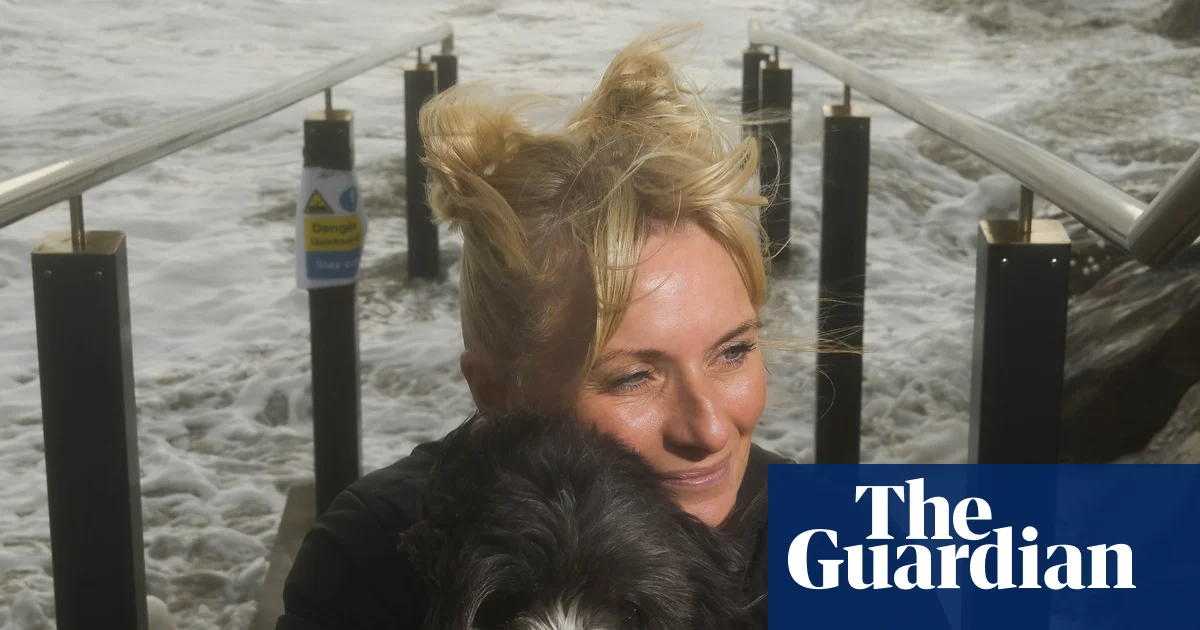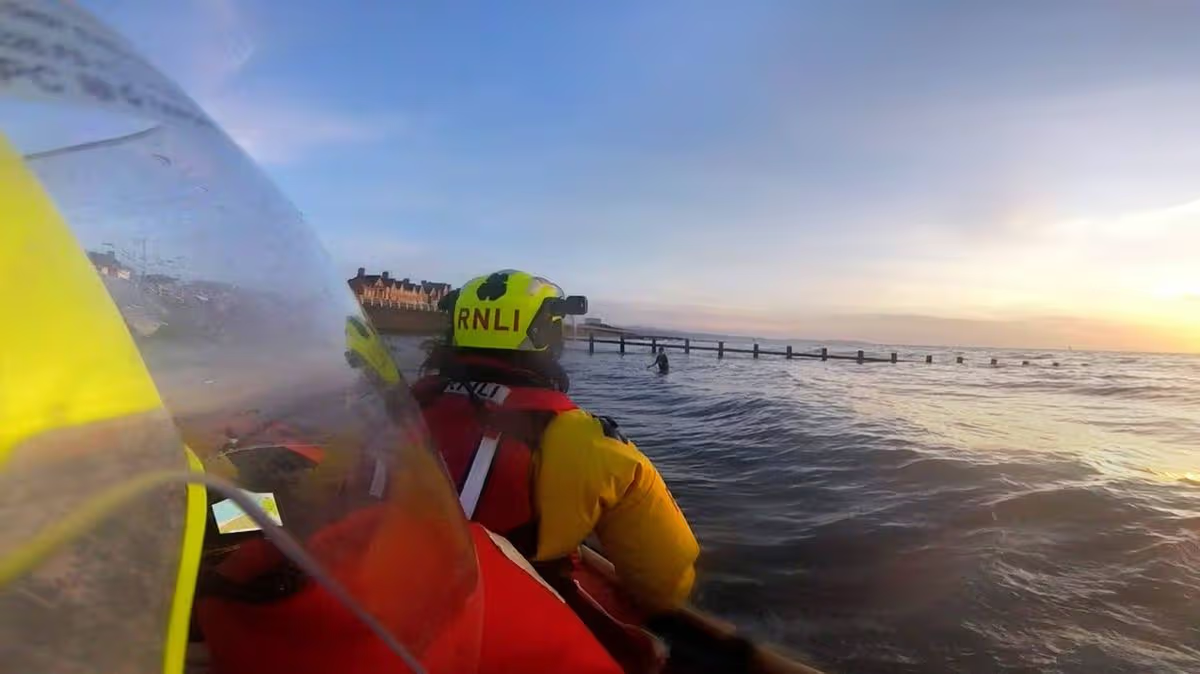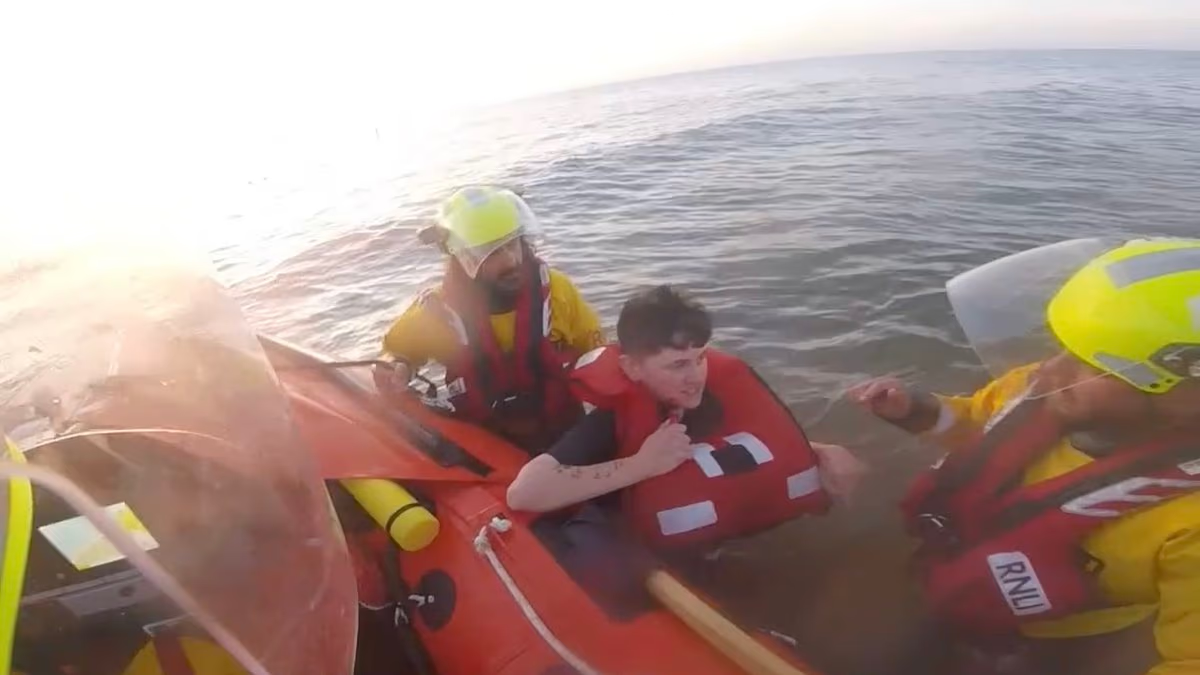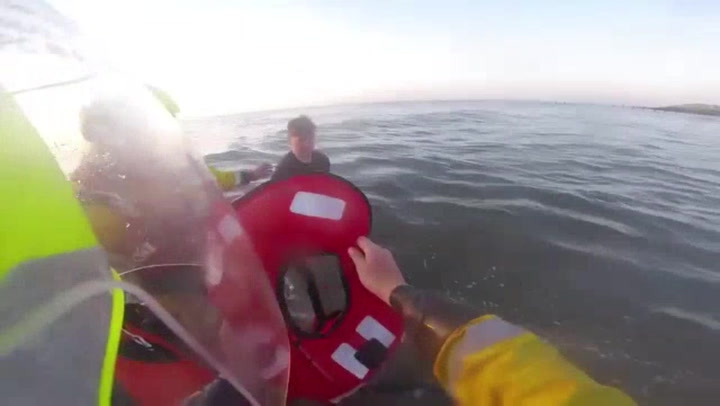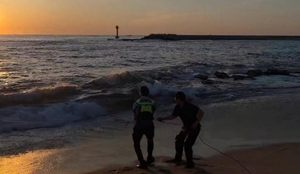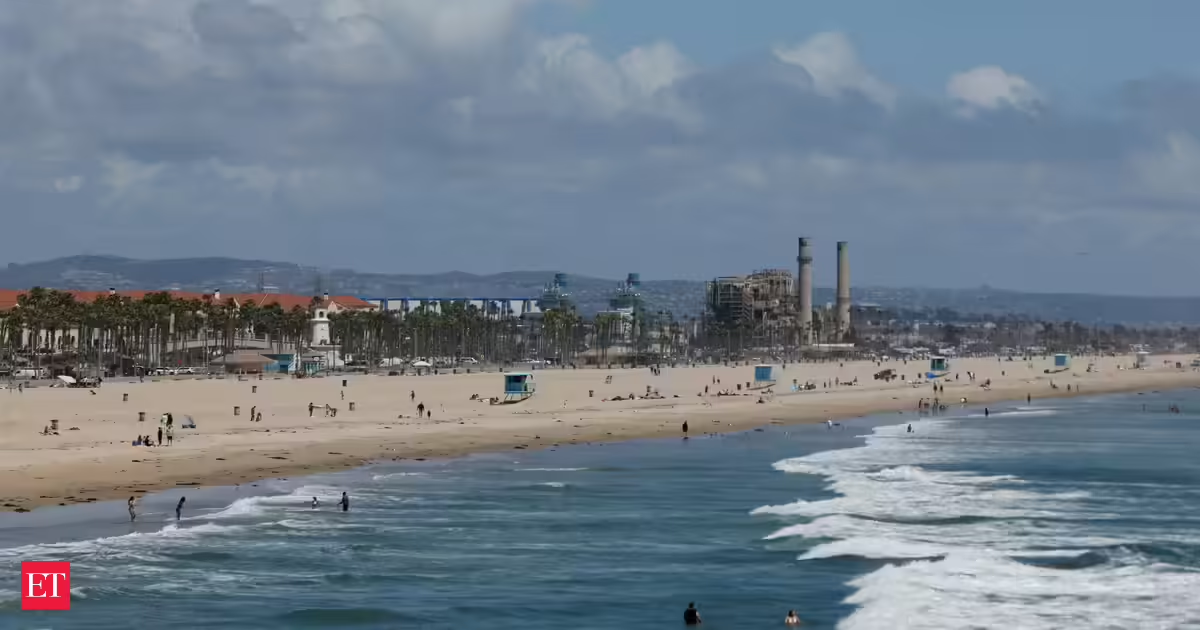
A routine evening walk at one of South Australia's most popular beaches turned into a dramatic rescue operation after a 20-year-old woman became trapped in quicksand as the tide began to rise around her.The incident occurred at Glenelg Beach in Adelaide in late May, prompting an emergency response involving police officers and firefighters. Madz June had visited Glenelg Beach with a friend for what she expected would be a peaceful sunset stroll. According to her account to news.com.au, the situation changed suddenly when she stepped from a rocky area onto a patch of sand and immediately felt her leg sink deep below the surface.Initially, she believed the situation was harmless and attempted to pull herself free. However, repeated efforts only confirmed that her leg was firmly trapped. As she struggled to escape, the incoming tide added urgency to the situation.June later described the sensation as if her leg had been locked in place, making movement nearly impossible. Realizing she could not free herself without assistance, she contacted emergency services.Emergency responders arrived approximately 40 minutes after the call was made. By that time, daylight had faded and water levels around the trapped woman had continued to rise.According to June's account, rescuers worked to limit the flow of water around the area before digging away surrounding sand and physically pulling her free. The operation involved four police officers and five firefighters.The rescue was successful, and June escaped without serious injury. However, she later said the ordeal left her physically exhausted and with lingering soreness in her leg for several days.Despite its portrayal in films and television, quicksand does not typically pull people completely underground. Geologists and emergency experts explain that quicksand forms when sand becomes saturated with water, reducing friction between particles and creating an unstable surface that can trap a person's legs or feet.While drowning directly in quicksand is extremely rare, the real danger often comes from environmental factors such as rising water, cold temperatures, fatigue, or the inability to escape without assistance.Following the incident, a spokesperson for South Australia's Department for Environment and Water explained that sand replenishment work had recently been undertaken in the Glenelg North area.According to the department, warning signs were installed at beach access points before the work commenced and remain in place. Officials have urged visitors to pay attention to signage and exercise caution, particularly during periods of rough weather and changing coastal conditions.
20-year-old trapped in quicksand at South Australia’s Glenelg beach
A young woman's evening walk at Glenelg Beach turned into a dramatic rescue. She became trapped in quicksand as the tide advanced. Emergency services arrived to free her. The operation involved police and firefighters. She was rescued without serious injury. Officials urge beachgoers to heed warning signs and stay cautious.
399 words~2 min read