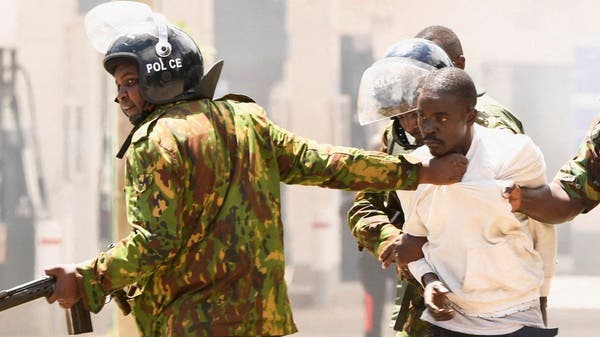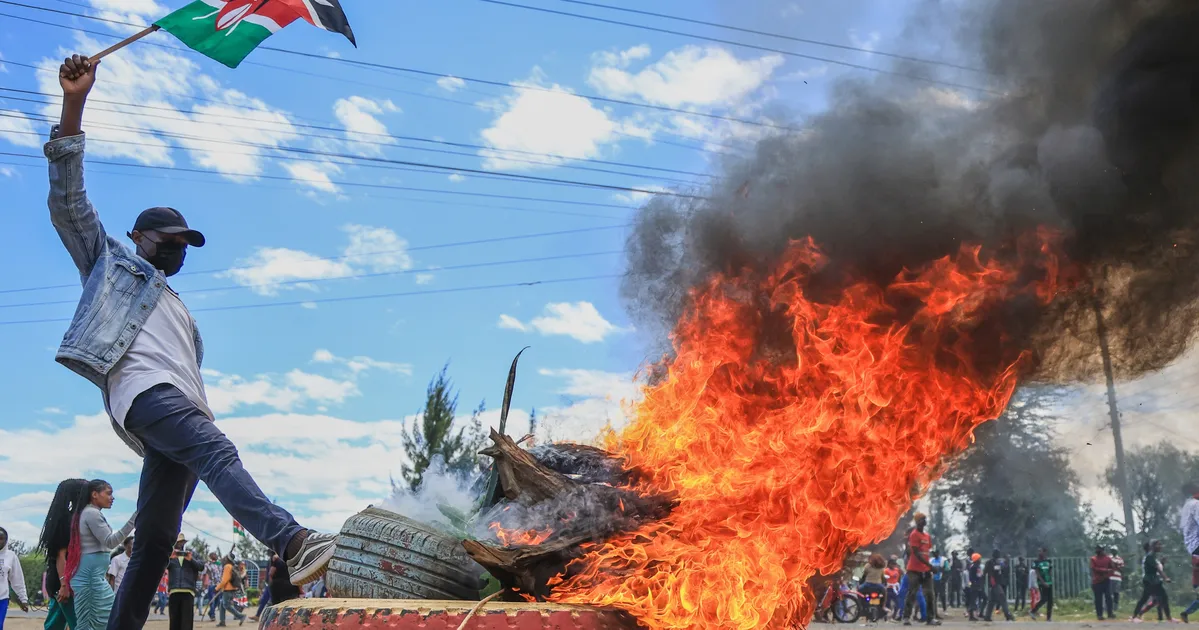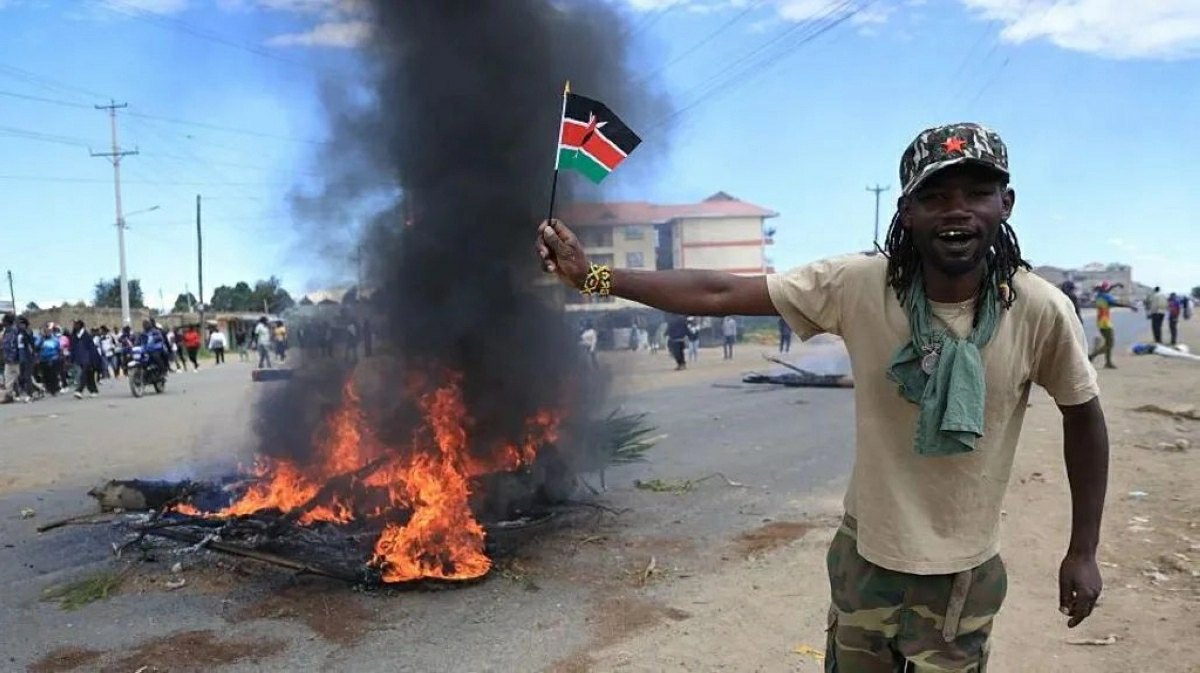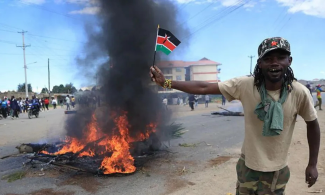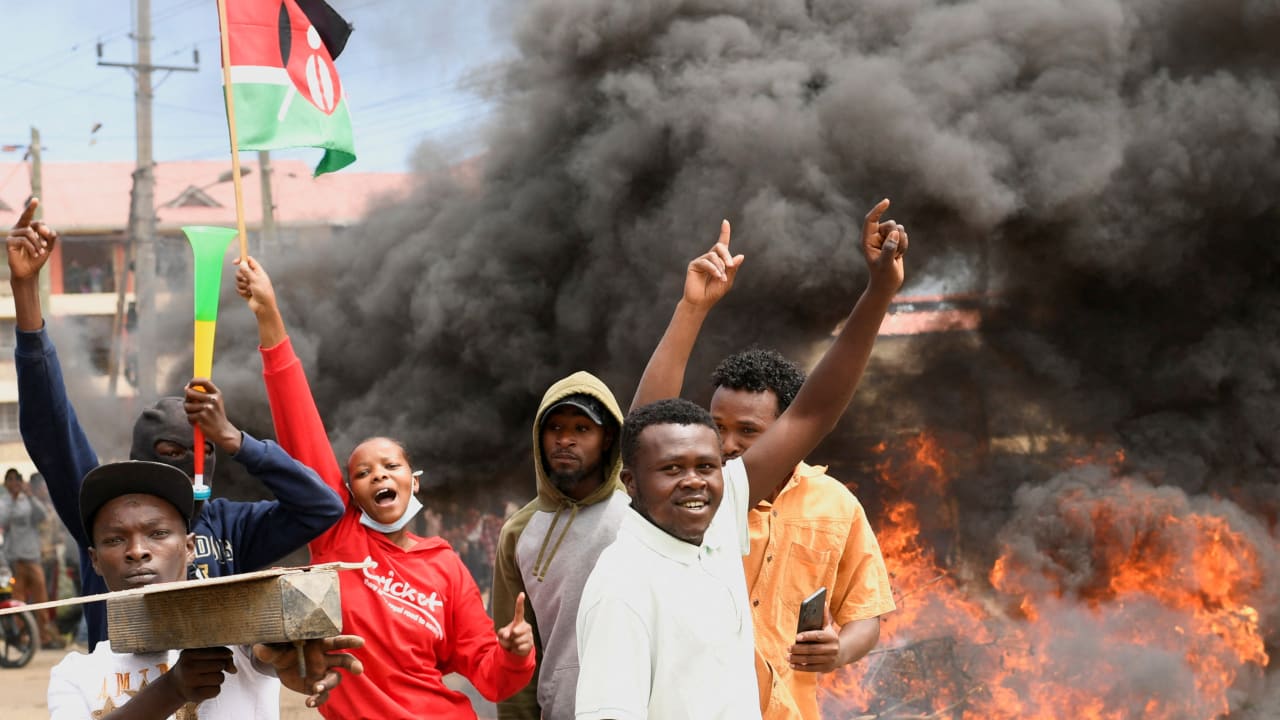
ByREUTERSJUNE 2, 2026 11:17Two people were killed in central Kenya on Monday during a protest against moves by the United States to set up an Ebola quarantine facility at a military base there, protest organizer Patrick Wahome and a security source told Reuters.The circumstances of their deaths were not immediately clear. Kenya's national police spokesperson could not immediately be reached for comment.Kenya's president defends planned US-backed Ebola quarantine facilityThis comes amid Kenyan President William Ruto defending a planned US-backed Ebola quarantine facility at a military air base in central Kenya, saying it was part of a wider national preparedness plan and a long-running health partnership with Washington.Last week, Kenya approved a US request to establish a facility at a military air base in central Kenya for Americans who may have been exposed to Ebola.Residents and local leaders in Nanyuki, near the base, held a protest on Monday against the planned facility, saying they feared it could expose the community to Ebola and questioning why Kenya should host a quarantine center for US citizens. The protest followed growing public criticism of the arrangement and legal action seeking to halt the project.A demonstrator holds a Kenyan flag during a protest against a US-backed Ebola quarantine plan on the establishment of a 50-bed facility at a Kenyan air force base that was intended to host Americans exposed to Ebola, in Nanyuki town, in Laikipia County, Kenya, June 1, 2026. (credit: REUTERS/John Muchucha)Speaking for the first time about the facility, Ruto said it was not unusual and was similar to others already established in Kenya."The facility that is at Laikipia Air Base is not a facility different from all the other facilities that we have across Kenya," Ruto told reporters in northern Kenya late on Monday, urging Kenyans not to doubt the government's preparedness.The Democratic Republic of Congo and Uganda are battling the rare Bundibugyo strain of the Ebola virus in an outbreak that has so far killed 48 people and been declared a public health emergency of international concern by the WHO. The outbreak is outpacing the global response, which got off to a late start.Court temporary suspends plan to establish Ebola quarantine, warning site could endanger public health Ruto said he approved the facility after US President Donald Trump asked Kenya to support it, citing decades of cooperation with Washington on health programs including HIV/AIDS, Ebola, and COVID-19.The president said Kenya had prepared isolation, surveillance, and treatment facilities in 23 counties, adding the facility would serve Kenyans as well as foreign partners, including Americans, if needed.Ruto dismissed criticism of the plan, saying Kenya had a duty to prepare for any potential Ebola cases, including among Kenyans living or serving in the Democratic Republic of Congo.A court last week temporarily suspended the plan after a lawsuit argued the site could endanger public health. Ruto did not acknowledge the existence of the court order.A US military C-130 transport plane flew into Nanyuki as recently as Friday afternoon, according to the flight-tracking service Flightradar24.Two Nanyuki residents also reported seeing military aircraft flying towards the base over the weekend, though Reuters was unable to confirm if they were US aircraft.Kenya has tightened screening at land and air borders and is screening about 3,000 people daily, Ruto said, adding that no Ebola cases had been detected in the country."We are a responsible government. We know what we are doing," he said.Health officials oppose US plan to treat Ebola-exposed Americans overseasMeanwhile, healthcare officials in the US, including former Centers for Disease Control and Prevention officials, on Monday warned Congress against adopting a proposed policy to treat Americans exposed to Ebola in Kenya or countries in the European Union.The officials, including infectious disease physician Krutika Kuppalli, emergency physicians Debra Houry and Craig Spencer, and epidemiologist Anne Schuchat, argued in an open letter that the policy would be a departure from the longstanding practice of medical repatriation and raise serious clinical risks."This policy raises profound clinical, ethical, operational, and legal concerns," the letter said, adding that such measures could discourage frontline responders from deploying to regions affected by outbreaks and undermine global response efforts."At a time when outbreak response efforts are already strained, this is a dangerous precedent. We are equally concerned about the diversion of resources toward establishing ad hoc quarantine, isolation, and treatment infrastructure overseas rather than directing urgently needed resources toward controlling the outbreak at its source."The plan to send Americans exposed to the outbreak in eastern Democratic Republic of Congo and Uganda to Kenya has drawn opposition from many Kenyans.Follow us on Google
Two killed in Kenya Ebola quarantine facility protest | The Jerusalem Post
Kenyan President William Ruto defended a US-backed Ebola quarantine facility at a military base after two people were killed during protests.
757 words~3 min read