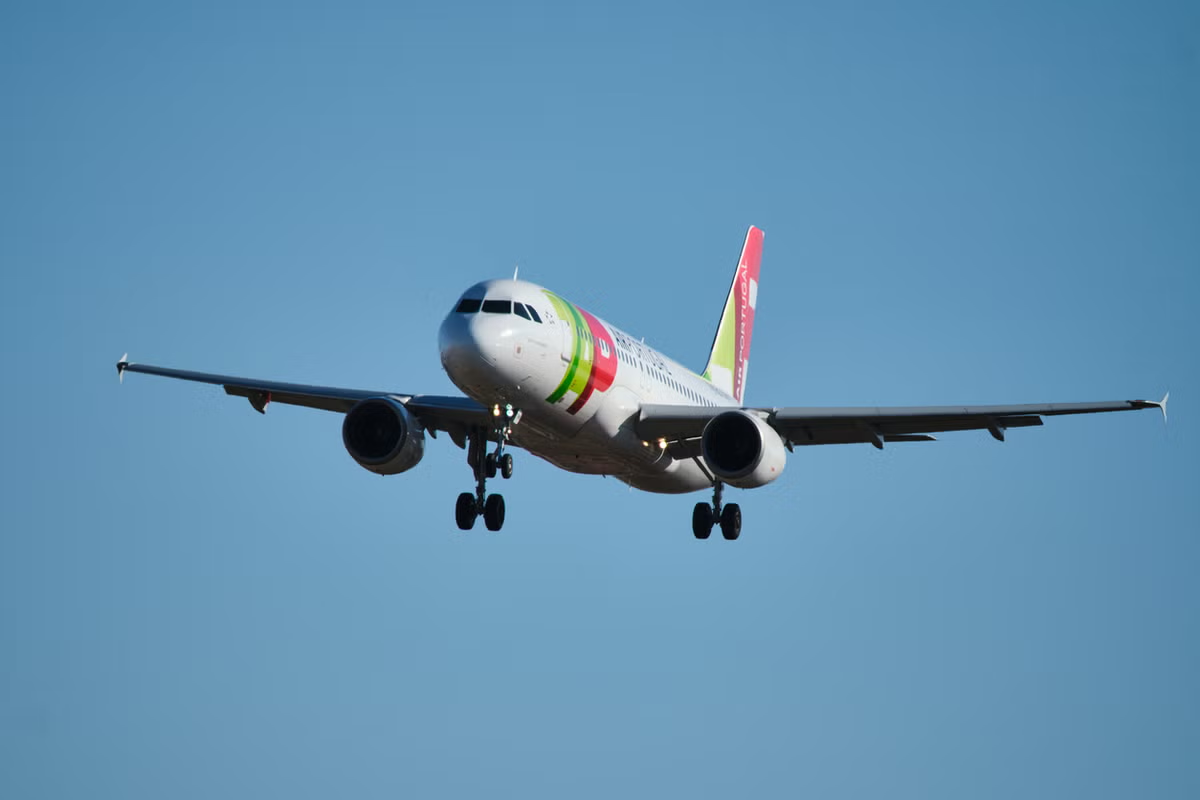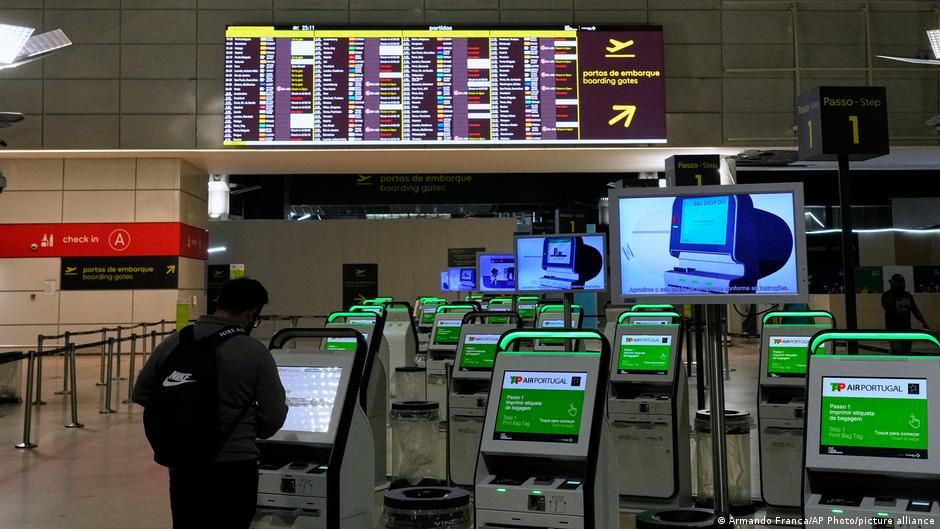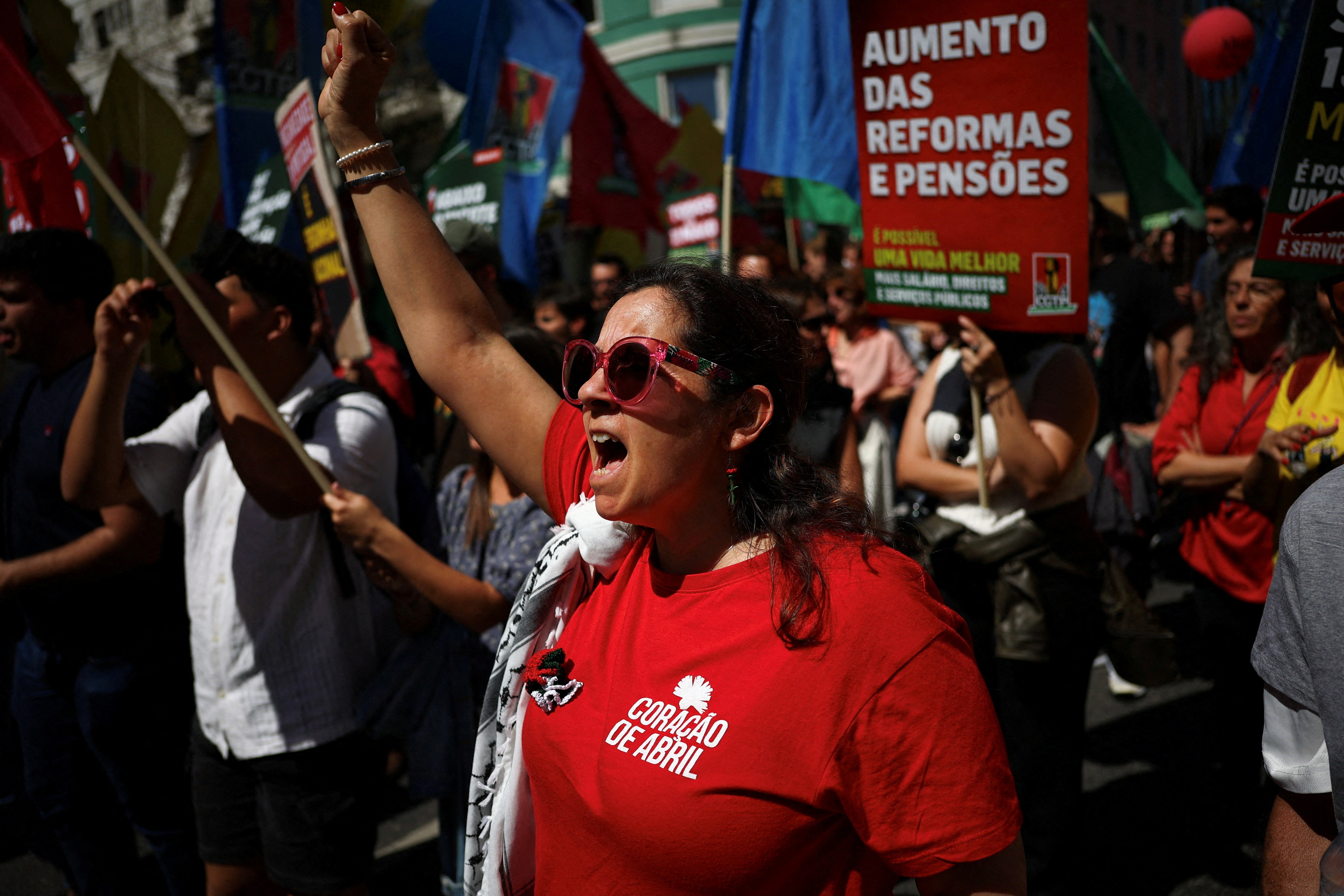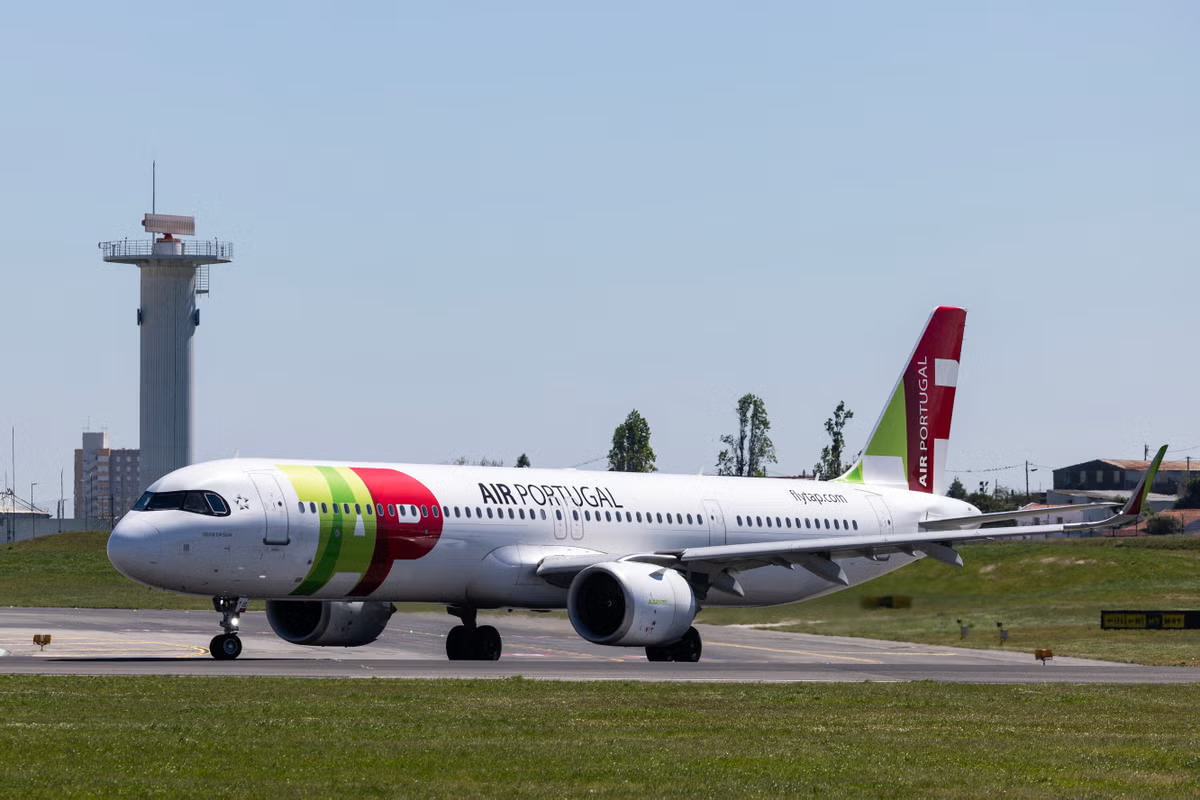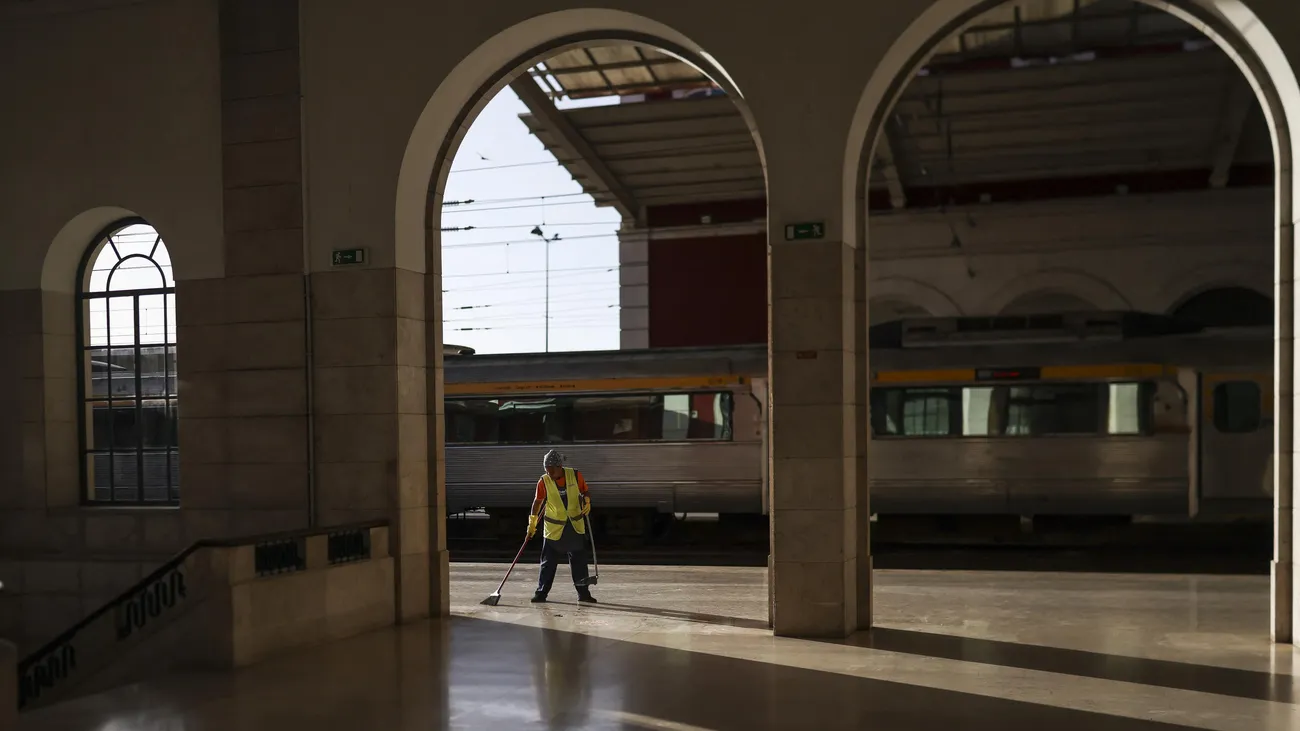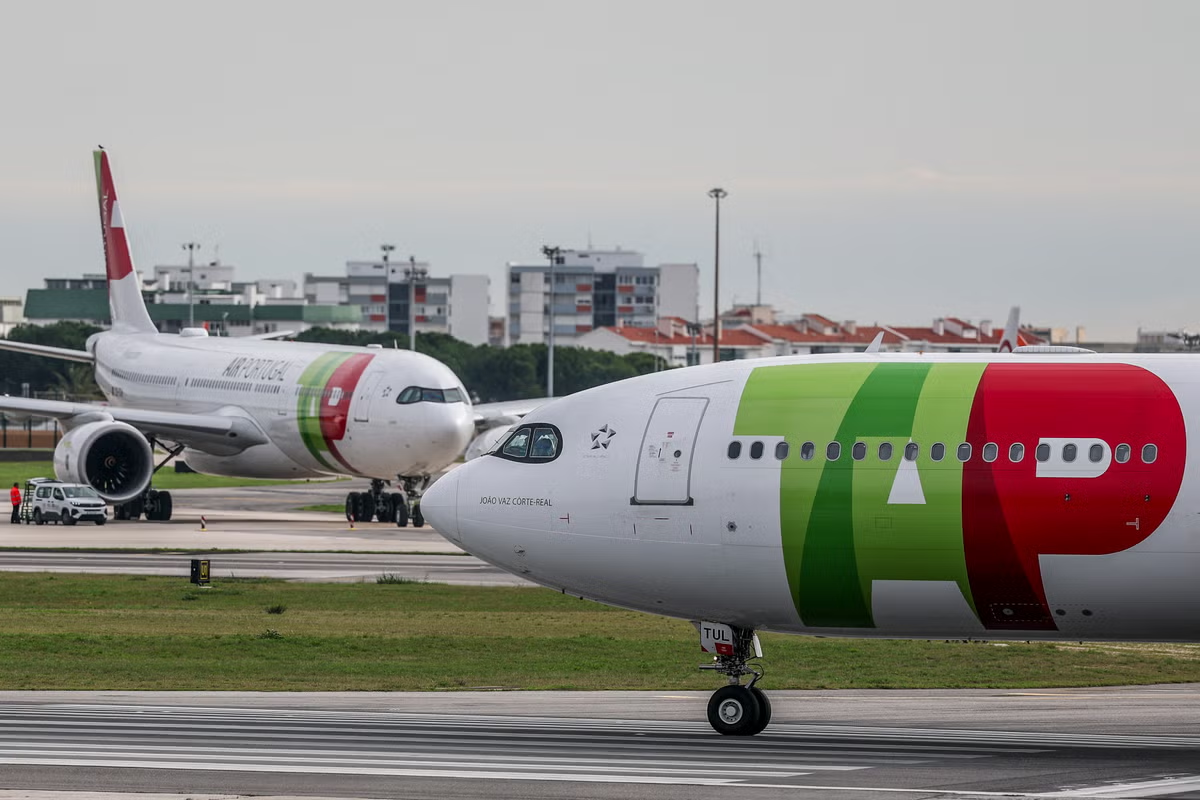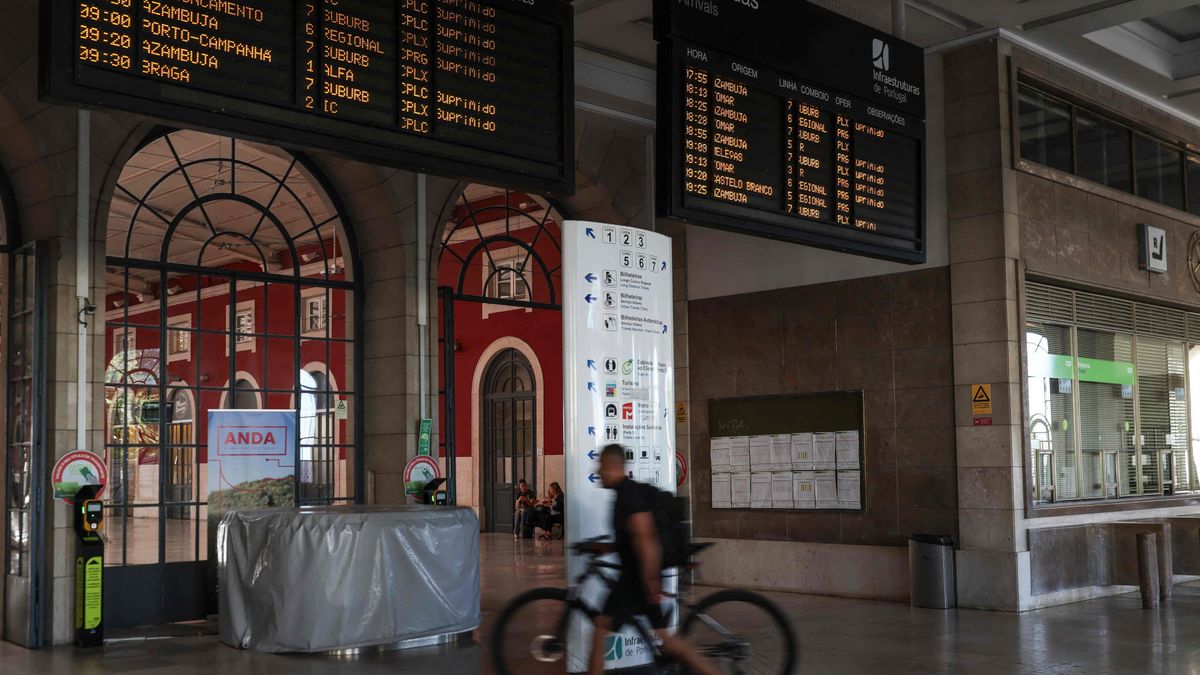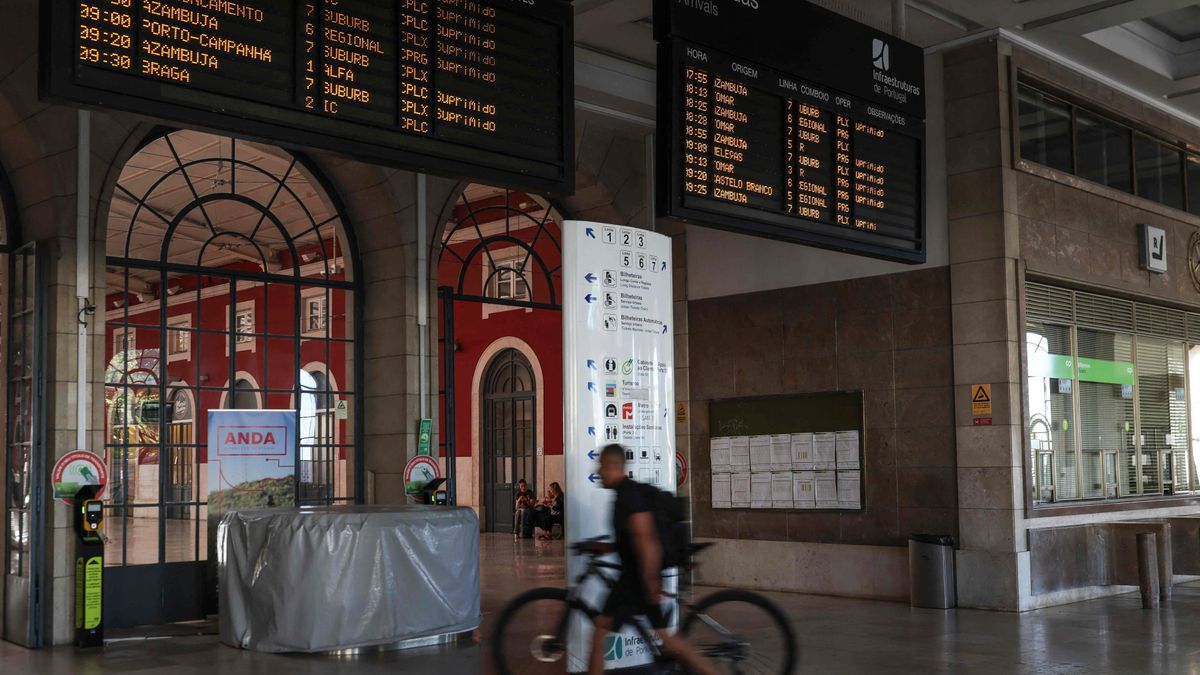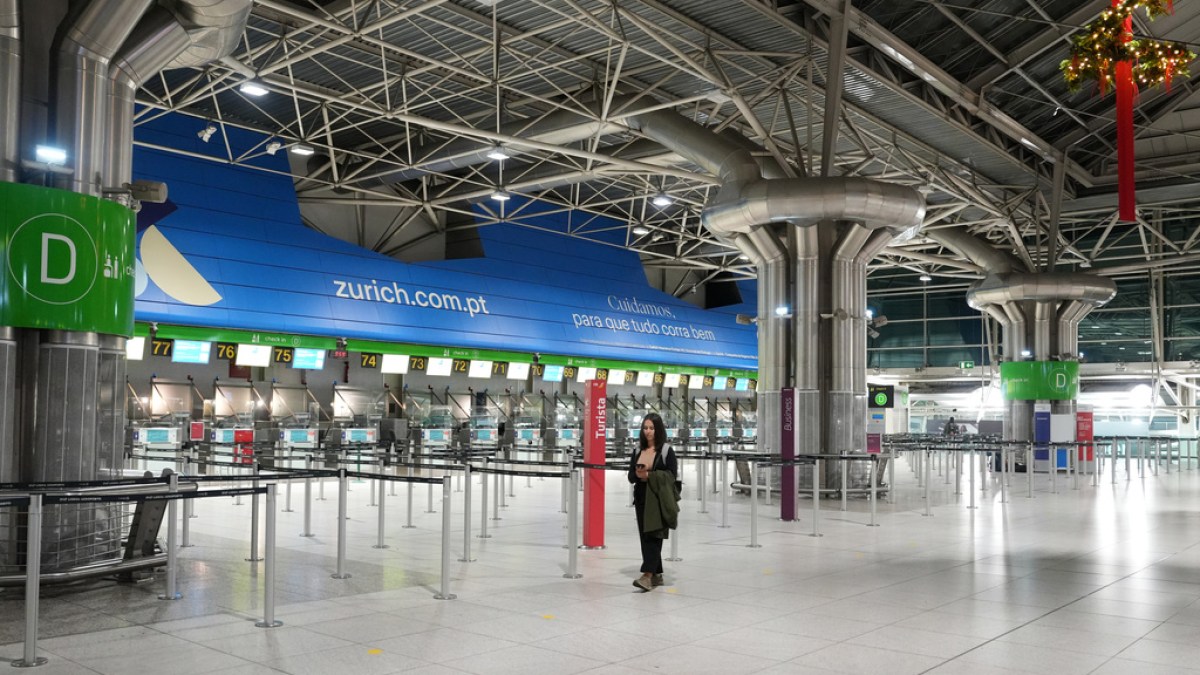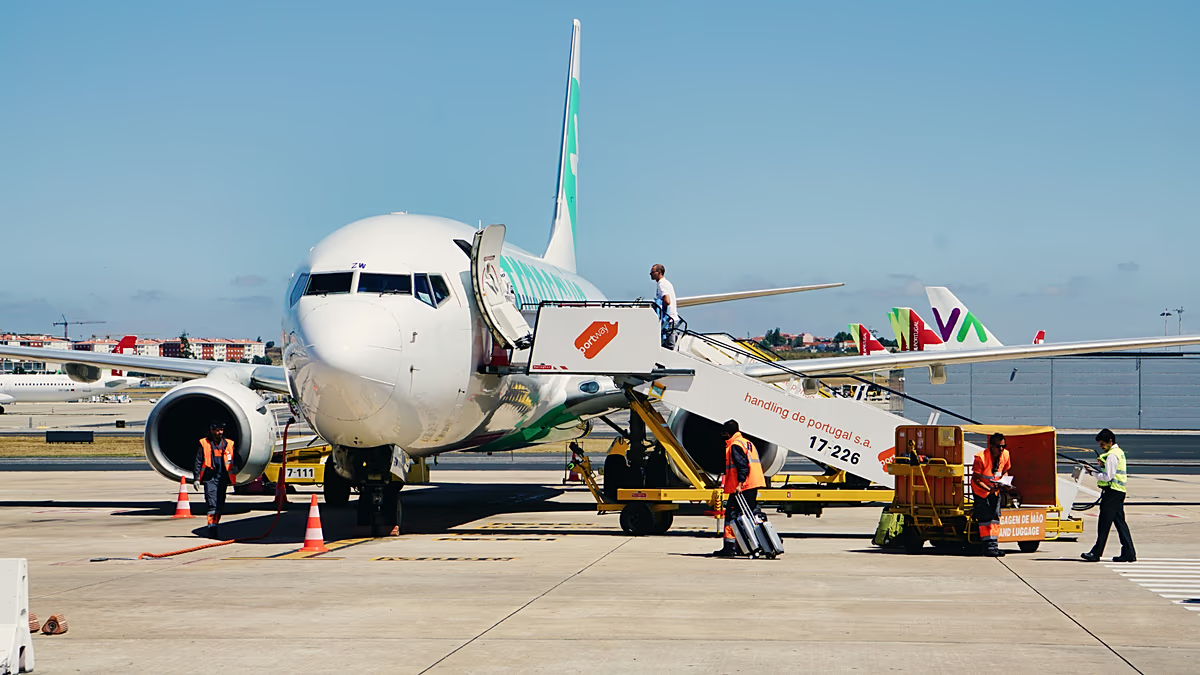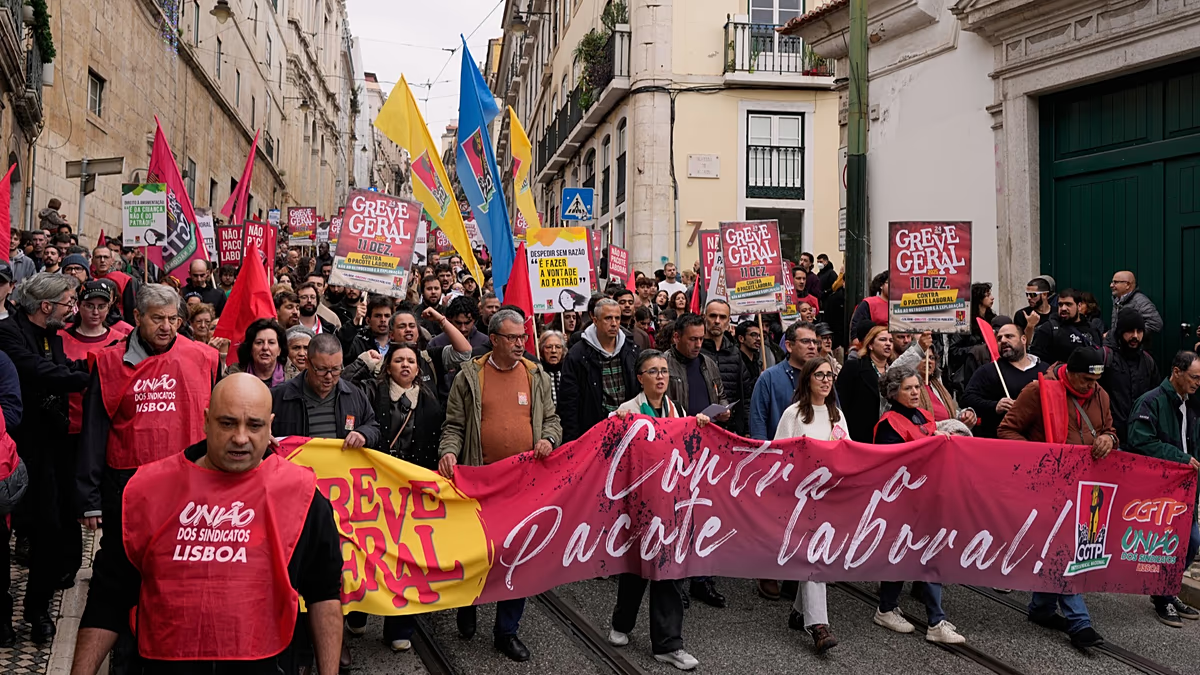
A wide range of sectors - from transport to education, to health and public services - will be hit by the general strike called for Wednesday, 3 June, in Portugal. The walkout was announced on 1 May, Labour Day, by the General Confederation of Portuguese Workers (CGTP), and is expected to cause major disruption across the country.
The initiative is a protest against the proposed overhaul of labour legislation, also known as “Trabalho XXI”. Put forward by the PSD/CDS-PP government, it aims to bring more than 100 changes to the Labour Code.
The package was negotiated within Portugal's social concertation framework, but the government led by Luís Montenegro ultimately failed to reach an agreement with the social partners, prompting the CGTP to submit notice for the previously announced strike. The confederation argues that the changes amount to an "assault on workers' rights" and an "affront to the Constitution of the Portuguese Republic".
Nevertheless, the labour reform bill has been approved by the Council of Ministers and presented by the government as “a structural revision of labour legislation to boost productivity, improve wages and adapt the labour market to the challenges of the digital economy”. The bill has already been submitted to the Assembly of the Republic, but no date has yet been set for a general debate and vote, according to Jornal Económico.