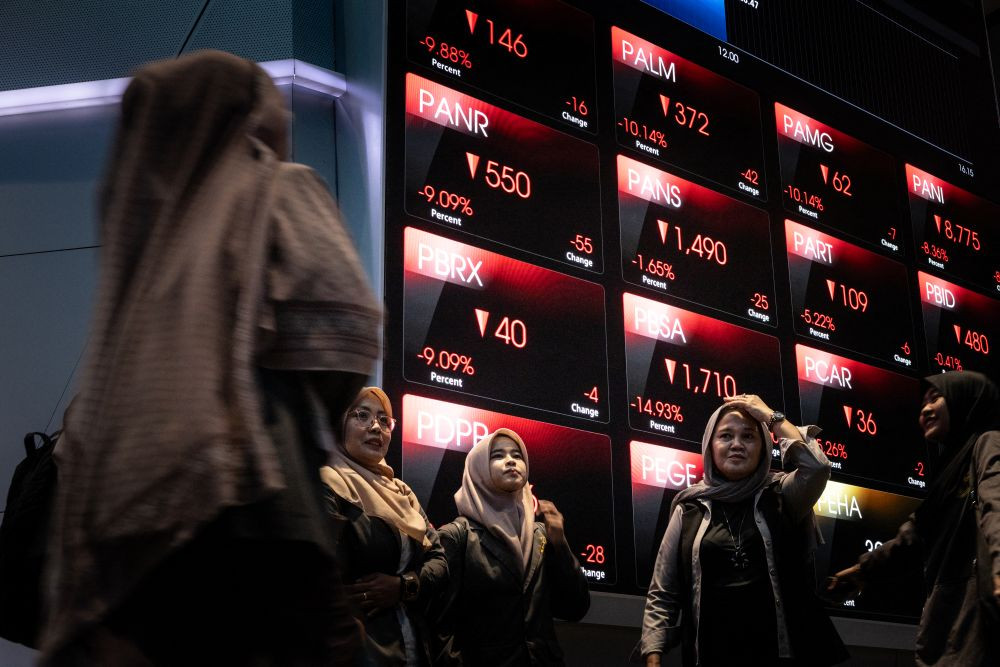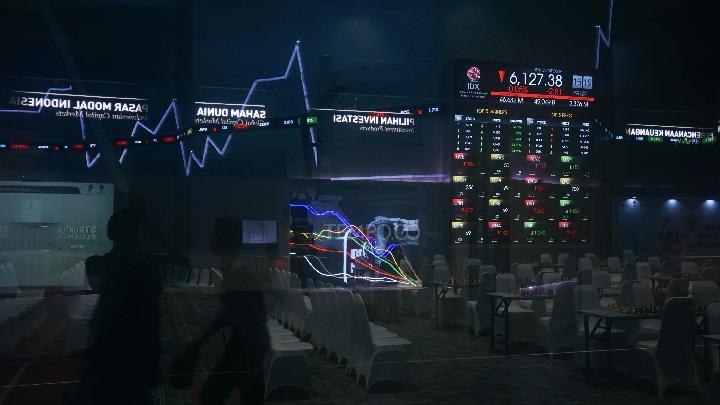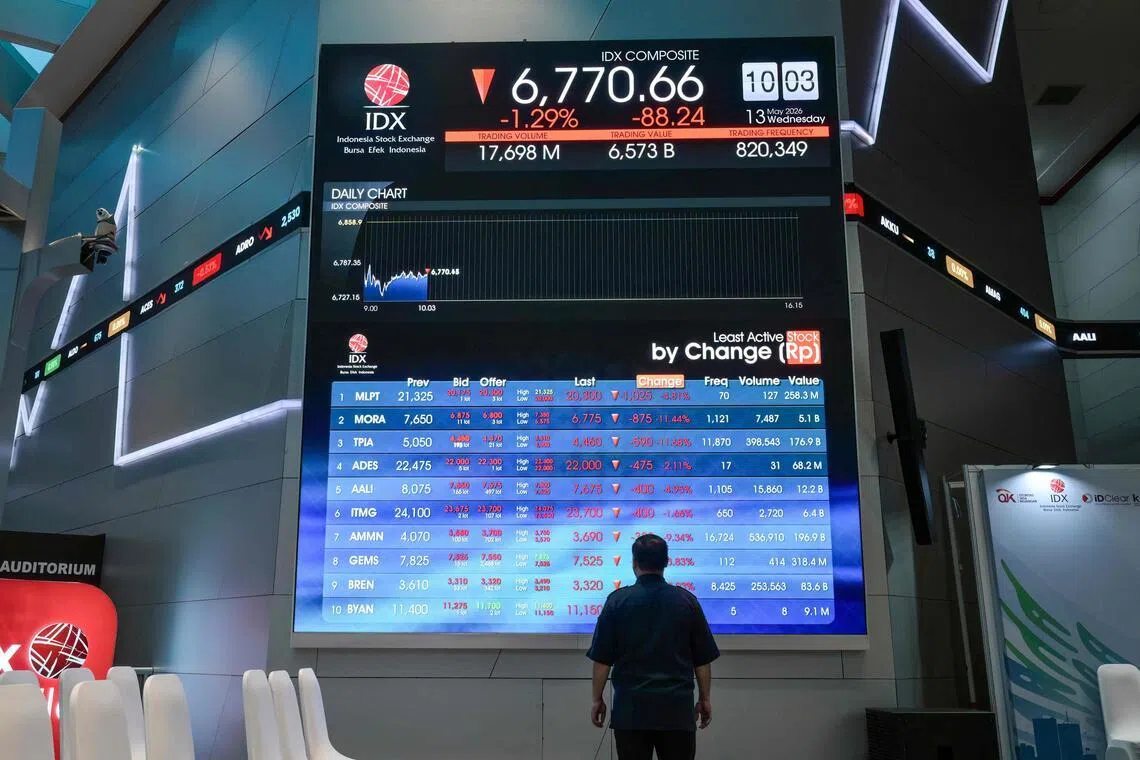
At the beginning of 2026, stock markets in Southeast Asia looked poised for a good year. Jakarta’s IDX Composite Index was reaching new heights every day. Global index provider FTSE Russell was preparing to upgrade Vietnam to Secondary Emerging Market status, a move likely to attract billions of dollars from institutional funds. U.S. President Donald Trump’s Liberation Day tariffs caused the Malaysian and Singaporean markets to stumble in early 2025, but entering the New Year, both were trending upward.
We are now almost halfway into 2026, and equities across the region have been on a wild ride. Thailand’s stock market saw a big sell-off after the United States attacked Iran, only to bounce back strongly. Singapore recently surpassed Indonesia in market capitalization, while Malaysia’s KLCI index ended May at around the same level it was at the beginning of the year. What is going on, and why have Southeast Asian equities been so up and down this year?
Let’s start with the events of late February. On February 26, Thailand’s SET index hit its highest point in over a year. Two days later, the U.S. began bombing Iran and within a week, the market had plunged 10 percent. Thailand is a major importer of crude oil, with heavy exposure to the Middle East. The sell-off was the market anticipating that Thailand, and other big oil and gas importers, were about to be squeezed.