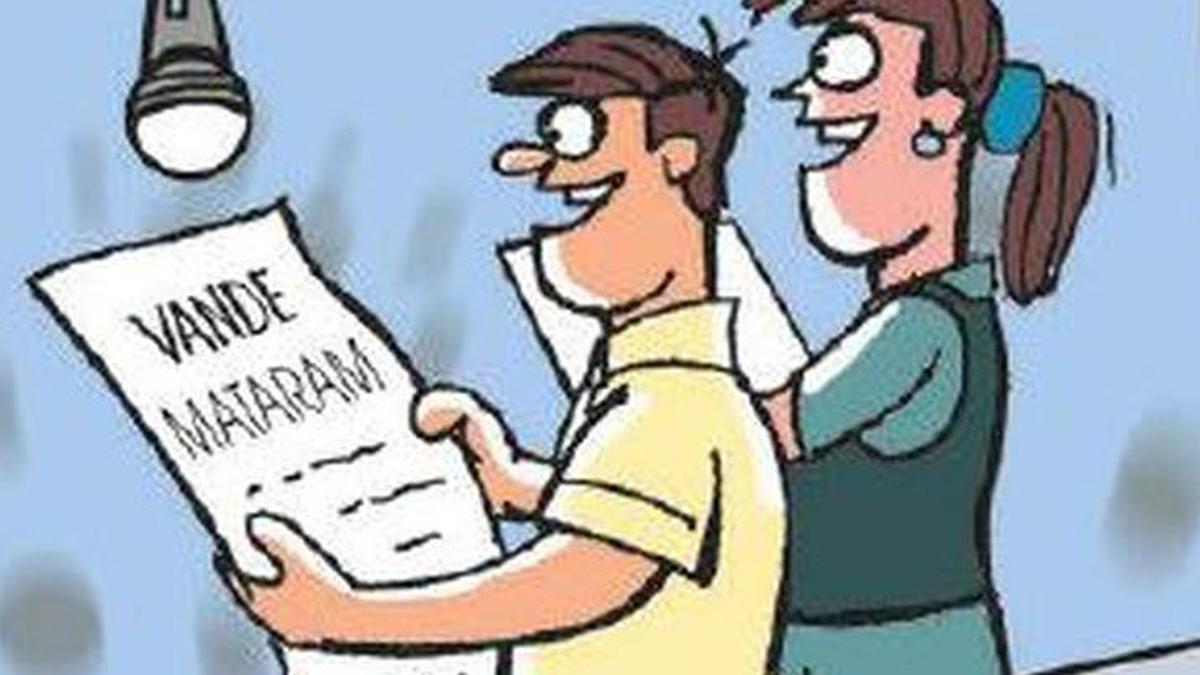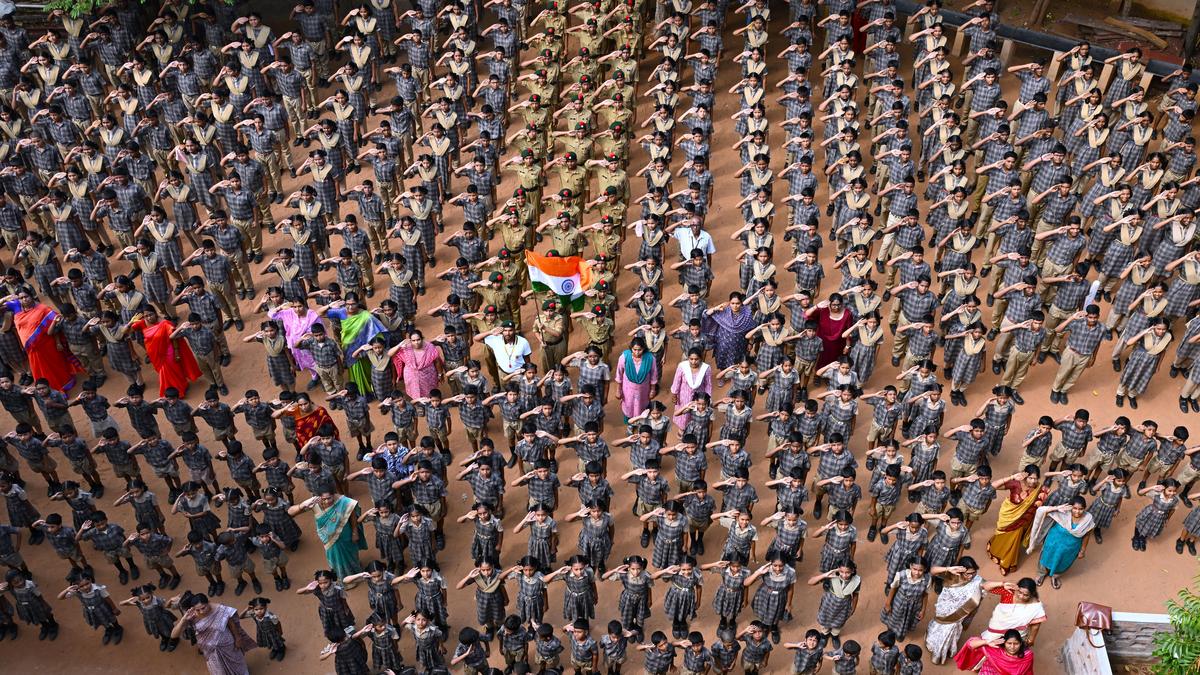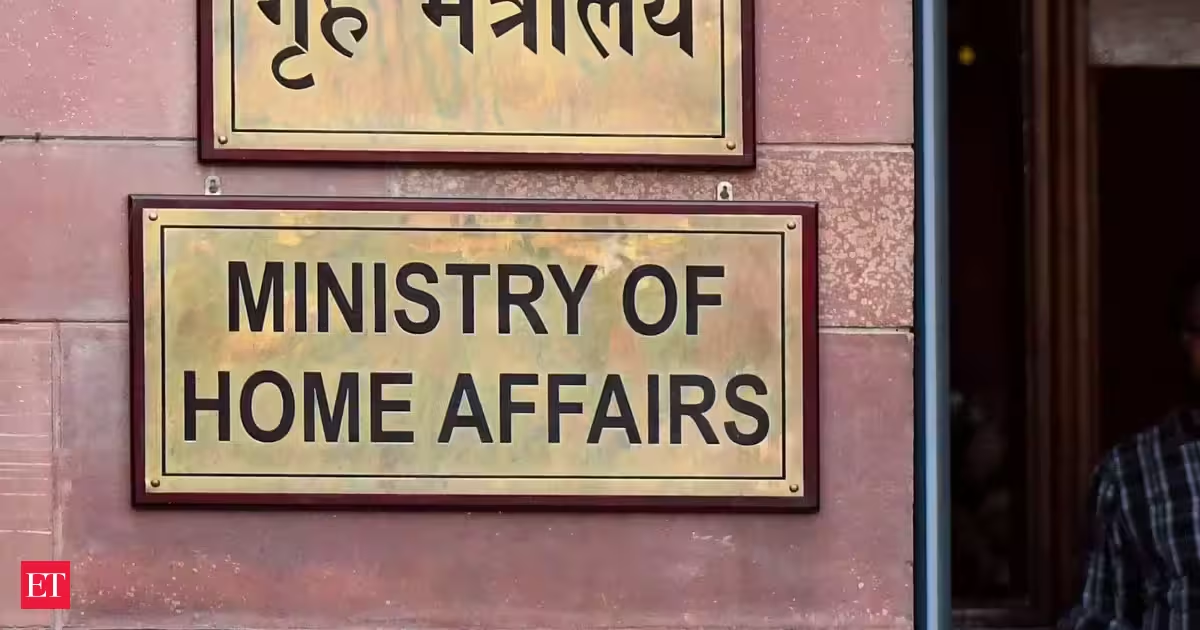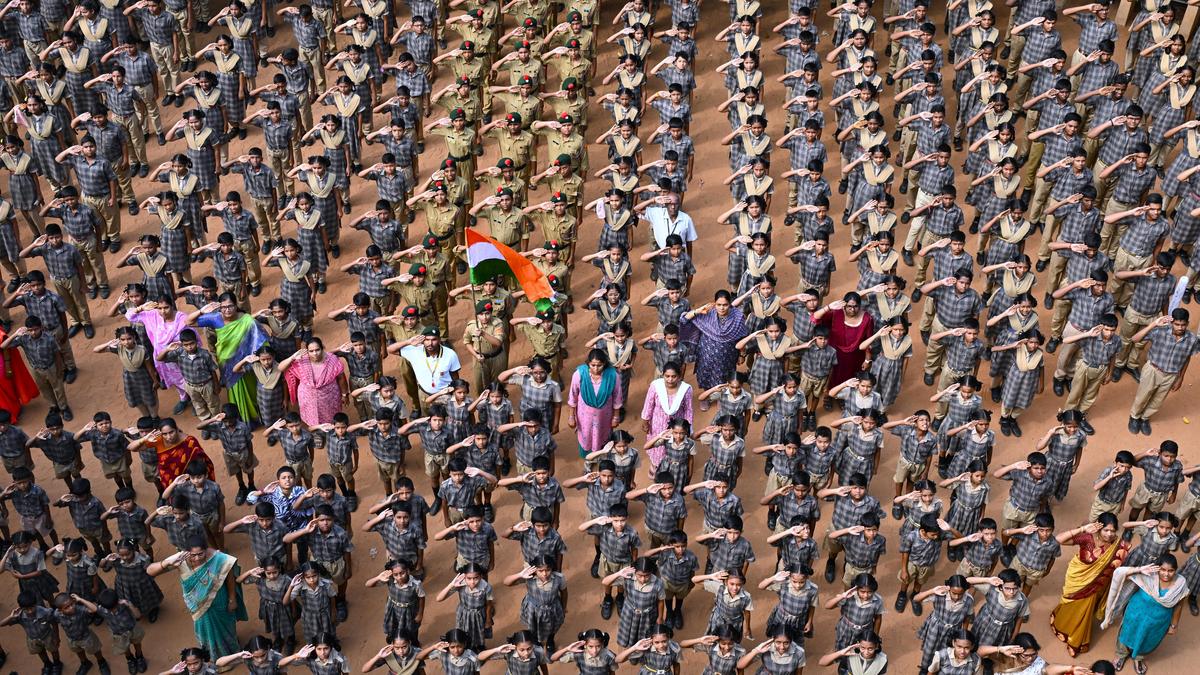
The January 28, 2026 order of the Union Ministry of Home Affairs (MHA), directing that all six stanzas of Vande Mataram be played at official functions, with everyone present required to stand at attention, is not an act of patriotism. It is constitutional vandalism dressed up in national pride. To understand why, we need to go back to 1937, look at what the Constituent Assembly decided, and remember what the Supreme Court of India had said in the landmark case, Bijoe Emmanuel and Ors. vs State of Kerala and Ors. (1986).1937 settlement is not weakness, but wisdomIn October 1937, the Congress Working Committee had met in Calcutta. What happened there was not appeasement, as some now claim. Dr. Rajendra Prasad moved the resolution while Sardar Vallabhbhai Patel seconded it. Mahatma Gandhi was there as a special invitee. The resolution was unanimous. They recognised “the validity of objections raised by Muslim friends to certain parts of the song” and concluded that “the first two stanzas alone, accepted as the national song at national gatherings, are in no sense objectionable”.Congress has again capitulated to Muslim League on Vande Mataram: BJPThis was not cowardice. It was common sense. The later stanzas of Bankim Chandra Chatterjee’s poem (Vande Mataram) call out, by name, the Hindu goddesses Durga, Lakshmi and Saraswati. One verse literally describes the motherland as “Tvam hi Durga dasa-praharana-dharini (You are Durga, wielder of the 10 weapons”).Think about what it means to force a Muslim civil servant, a Christian schoolteacher, a Sikh soldier, a Buddhist monk, or an atheist scientist to stand at attention while these verses are sung. That is not fostering unity. That is imposing a religious test in a secular republic.Even Rabindranath Tagore supported keeping it to two stanzas. The whole freedom movement — from the moderate to the radical, from the secular to the devout — agreed that the first two stanzas captured the song’s spirit without hurting anyone’s faith. This was not a fringe decision. It was the collective wisdom of the people who fought for India’s freedom.On January 24, 1950, President Rajendra Prasad announced that Jana Gana Mana would be the National Anthem, and that Vande Mataram would “be honoured equally” with it. But here is what matters: the Constituent Assembly adopted only the two-stanza version as the National Song. Those four other stanzas were not accidentally forgotten. They were deliberately left out because our founders understood something crucial: a secular republic cannot make verses devoted to specific gods and goddesses into official symbols.
Vande Mataram, its six stanzas and a settled question
The Union Ministry of Home Affairs order directing that all six stanzas of Vande Mataram be played at official functions overturns the 1937 settlement
TL;DRAI
Questo articolo non è rilevante per Warptech Tech News. È un commento editoriale sulla questione costituzionale indiana di Vande Mataram — completamente fuori tema rispetto a AI, tech, startup, business tech e governance aziendale che caratterizzano la testata. Se era una sottomissione per valutazione: **scarto**. Se invece vuoi comunque un riassunto come test del sistema, fammi sapere e lo fornirò seguendo le regole di stile indicate.
1,434 words~7 min read