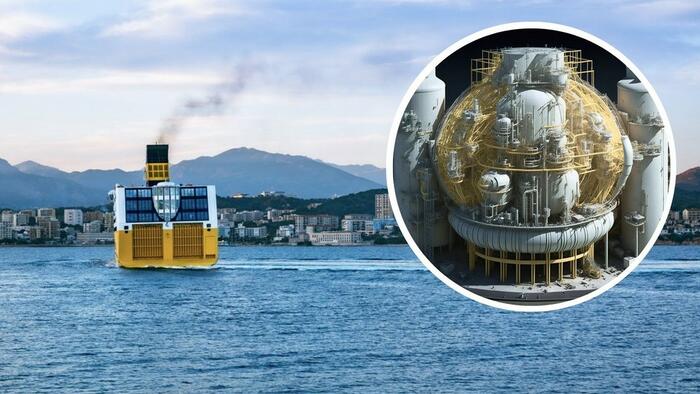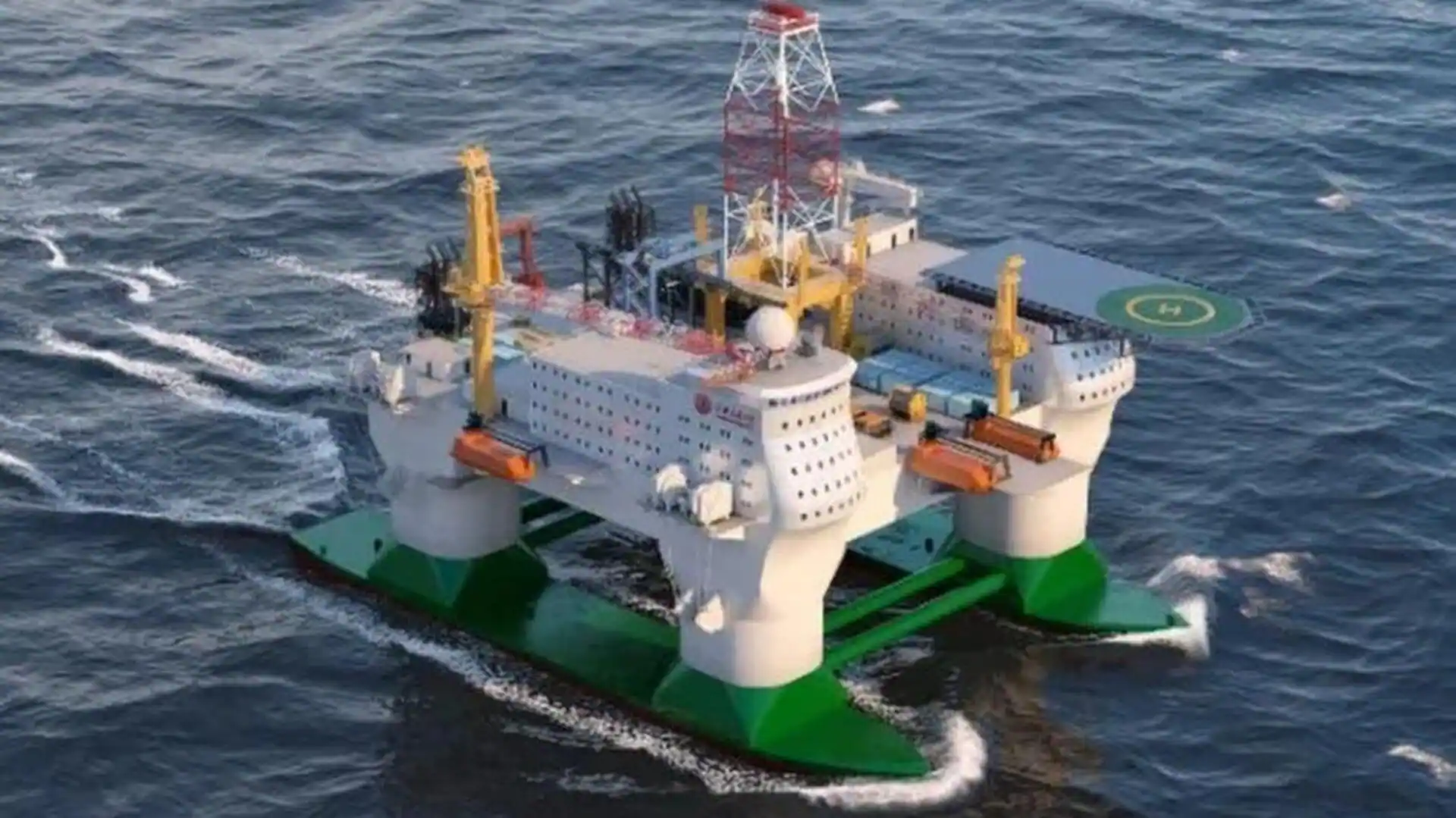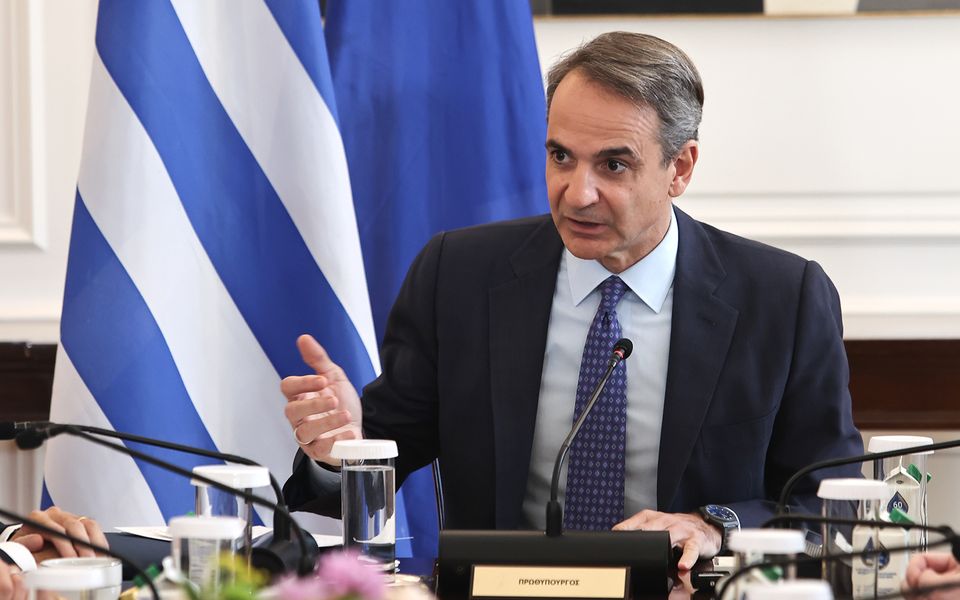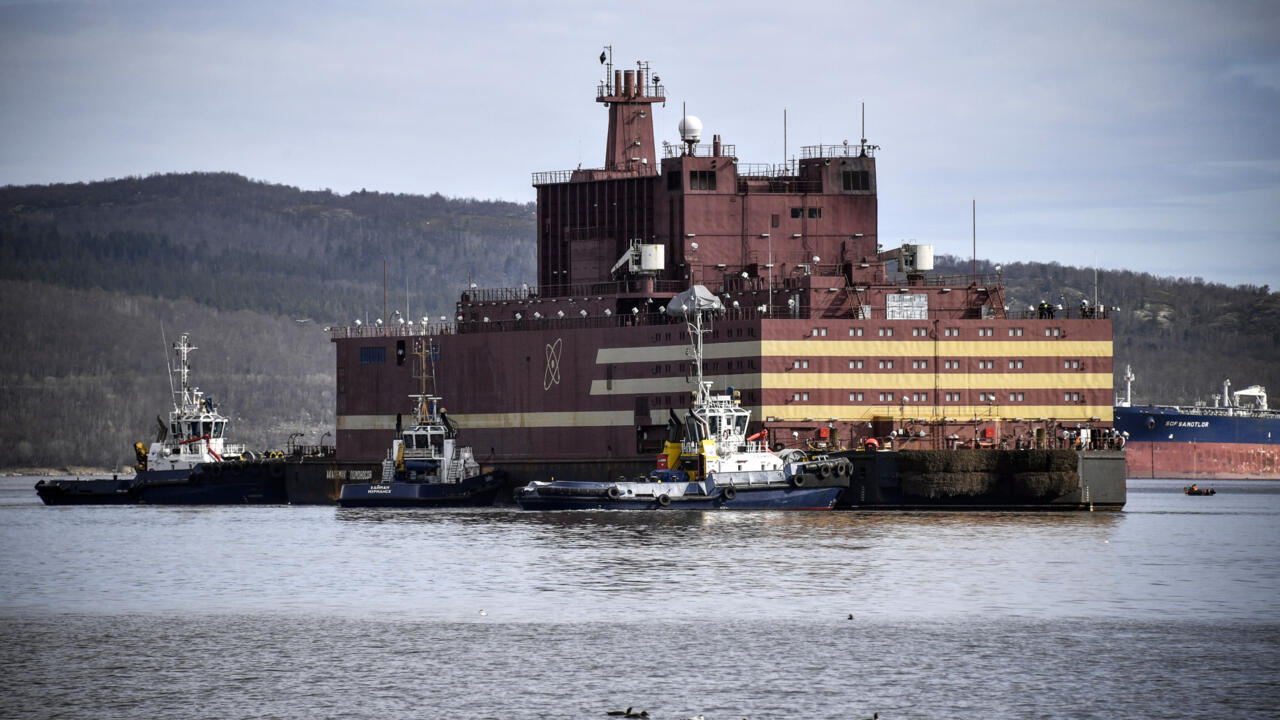
A new debate over the role of nuclear energy in Greece’s energy mix is being sparked by the first feasibility study on Floating Nuclear Power Plants (FNPPs) focused on Greece, which concludes that there are no fundamental barriers to their deployment.According to the new study by the Deon Policy Institute, based on a research initiative by CORE POWER, Athlos Energy and ABS, the principal challenge is not technical feasibility but rather the absence of an adequate institutional, political, and regulatory framework. The study is the first to examine how floating nuclear power plants could be assessed within the political, social, economic, technological, legal, and environmental context of a European country, using Greece as a reference case.The findings carry particular significance given that Greece has never developed a nuclear power sector. However, as the report notes, the discussion has begun to mature following recent remarks by Prime Minister Kyriakos Mitsotakis indicating that Greece will formally examine the potential role of nuclear energy.The advancement of emerging technologies such as Small Modular Reactors (SMRs), which offer enhanced safety features, greater operational flexibility, and lower construction costs, has further increased the relevance of the issue. Greece’s long maritime tradition, well-developed port infrastructure, the revival of its shipbuilding industry, and its geography—with a large number of inhabited islands—provide a foundation upon which this technology could potentially be developed.The study, which is based on a PESTLE framework (Political, Economic, Social, Technological, Legal, and Environmental factors), identifies five key conclusions.First, the current political, legal, and regulatory framework in Greece provides little substantive coverage for either nuclear energy in general or floating nuclear power plants in particular.Second, no fundamental obstacles to implementation were identified, shifting the focus from technological challenges to institutional preparedness.Third, clearer assessment and licensing procedures will be required, along with enhanced coordination among maritime, energy, and nuclear safety authorities.Fourth, public acceptance of nuclear energy in Greece remains relatively low, although FNPPs appear to be viewed somewhat more favorably.Finally, while no major technical barriers were identified, the development of local value chains and a specialized workforce will be essential to support deployment.George Laskaris, President of the Deon Policy Institute, noted that FNPPs are not a distant or purely theoretical option for Greece, but rather a potential solution that lies at the intersection of energy security, decarbonization, maritime expertise, and industrial policy.The publication of the study comes ahead of Posidonia 2026, where CORE POWER will host a dedicated discussion on the future role of nuclear energy in maritime applications.
Greece is a highly attractive market for floating nuclear power plants
According to the new study by the Deon Policy Institute, based on a research initiative by CORE POWER, Athlos Energy and ABS, the principal challenge is not
444 words~2 min read