From Libyan deserts to 3D-printed guns: The weapons that never go away
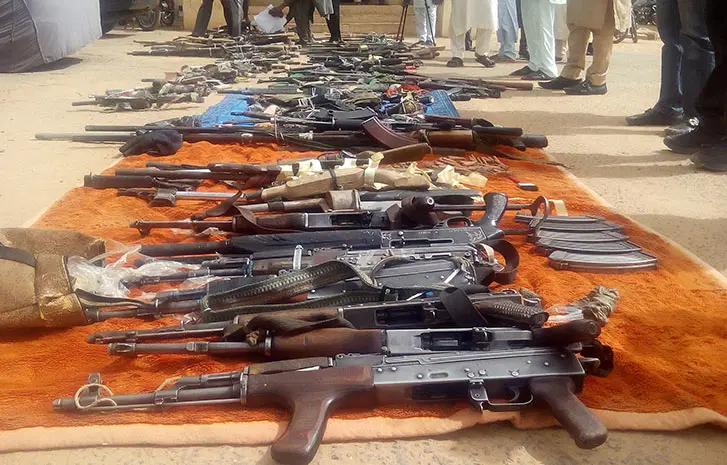
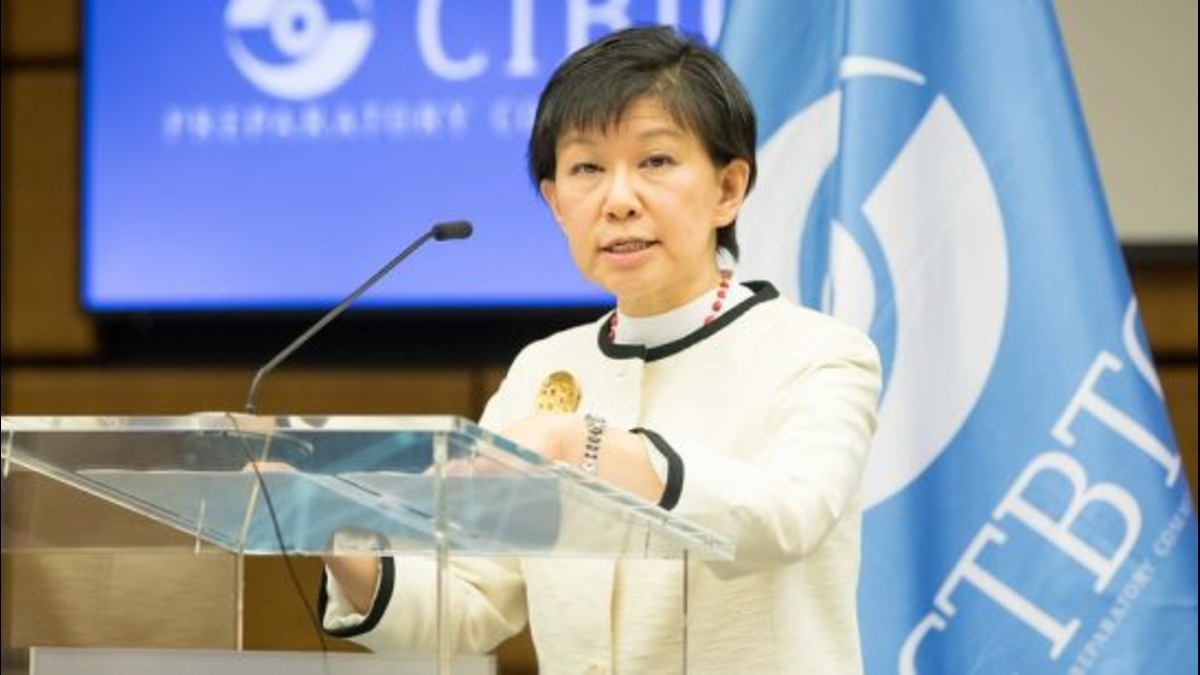
The issue is under scrutiny as delegates gather at UN Headquarters this week to tackle the global spread of illicit firearms – weapons that continue to fuel violence in communities long after wars end.At the centre of discussions are emerging technologies that experts warn could make these illegal weapons easier to manufacture and harder to trace.“Wars end – but unfortunately, the weapons that are used in that particular conflict would [then] not be under full control,” the UN’s top disarmament official, Izumi Nakamitsu, told UN News.“They continue to circulate. They are sometimes hidden. They are brought across borders.”
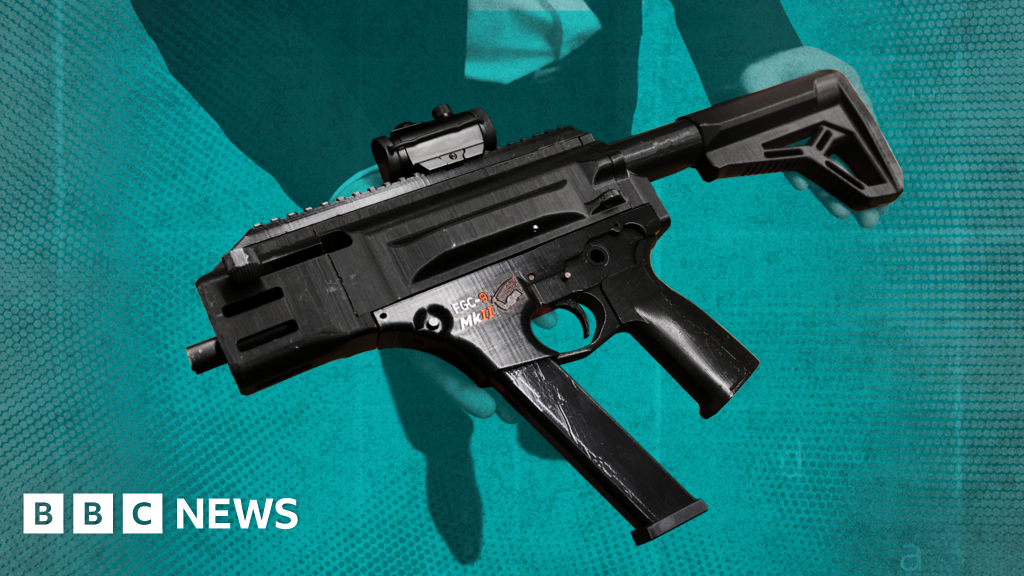
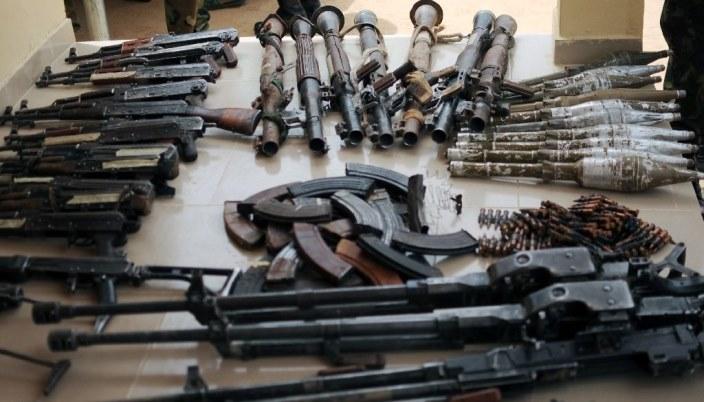
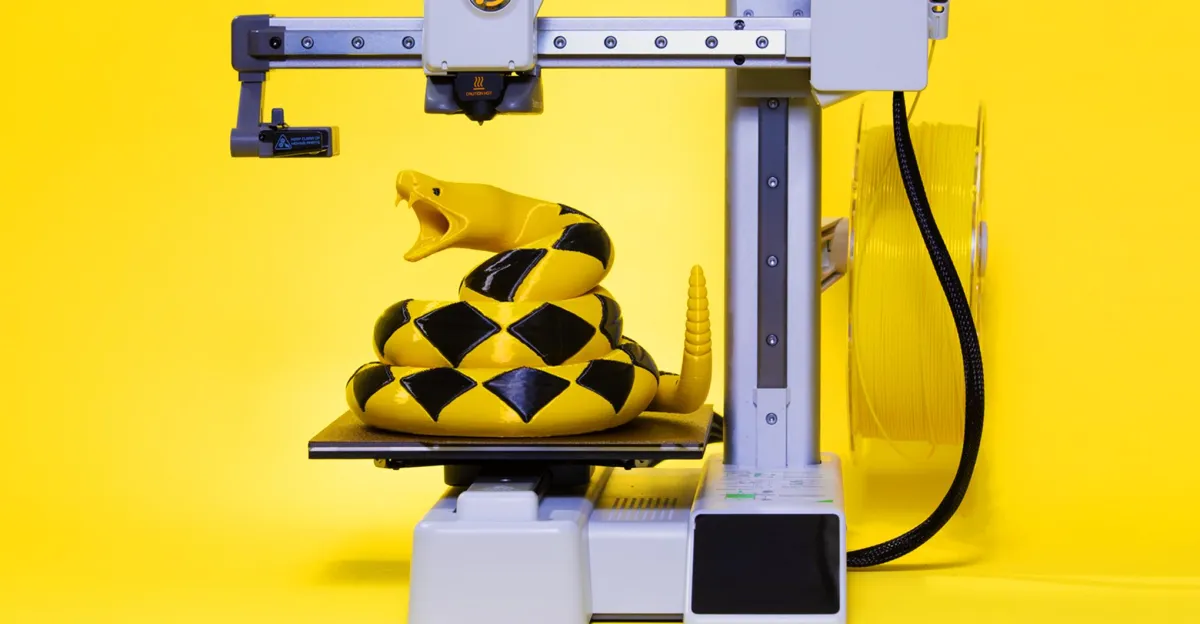
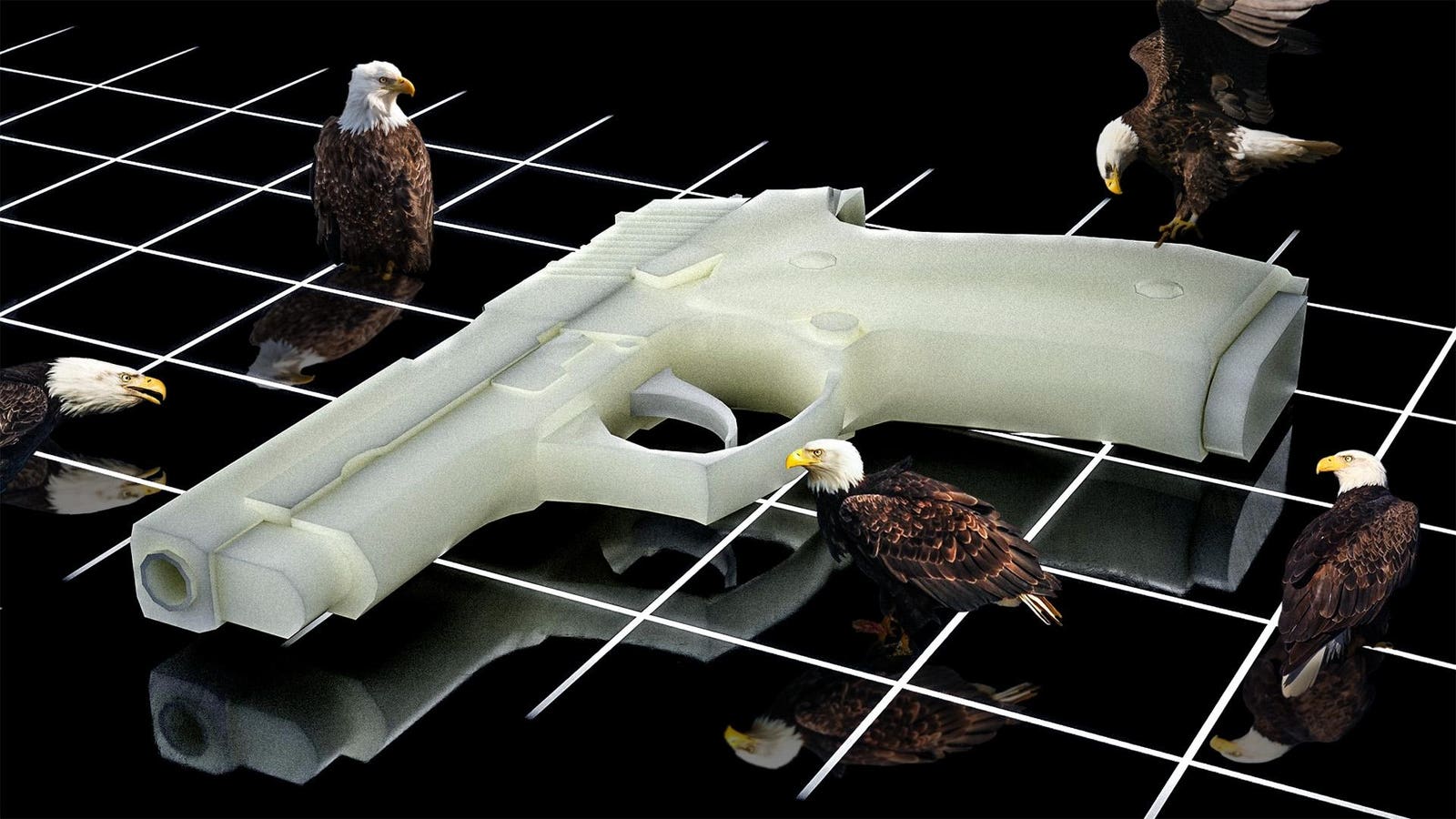
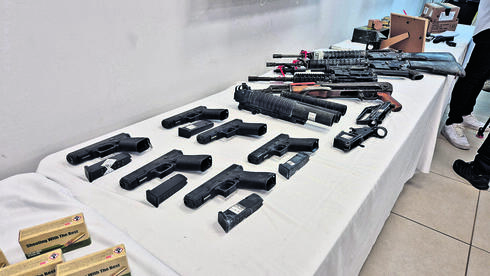
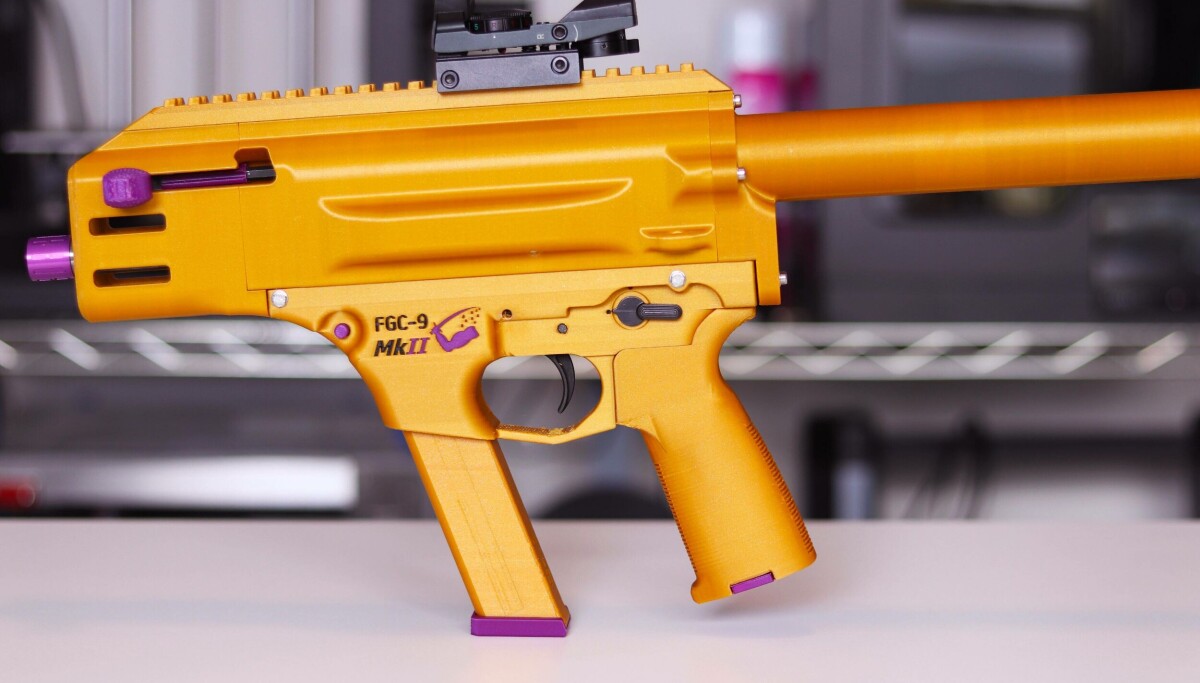
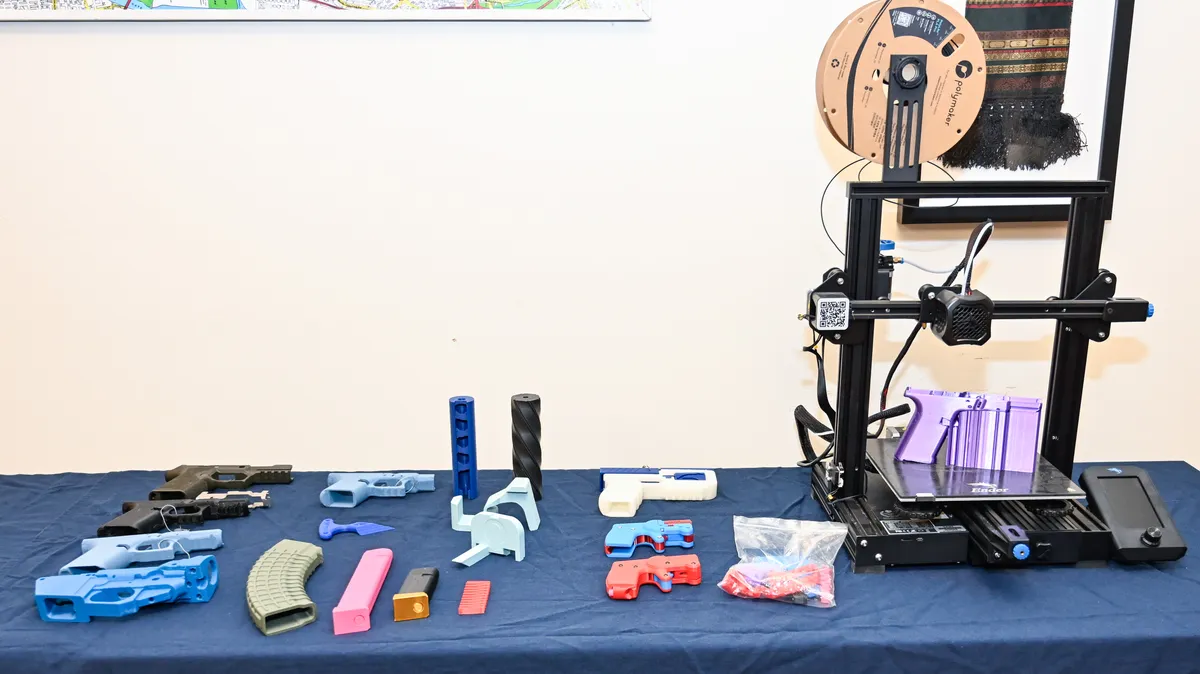
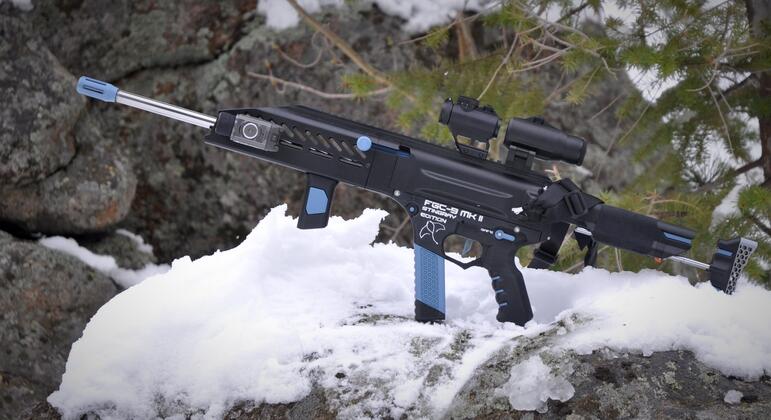
‘Ghost guns’ and 3D firearmsOne of the fastest-growing concerns involves so-called ghost guns – firearms assembled from parts or kits and lacking serial numbers – that are near impossible for authorities to trace.Advances in 3D-printing technology have created additional challenges by allowing components – and in some cases entire and fully operational firearms – to be produced outside traditional manufacturing and regulatory systems.The increasing availability and affordability of such technology has heightened concerns among governments that illicit firearms could become easier to make and harder to regulate.“Those weapons or weapon parts, if they are disassembled and then trafficked, [are] more difficult to trace,” Ms. Nakamitsu said.What are small arms and light weapons?Small arms – such as pistols, revolvers and assault rifles – can be carried and operated by a single person. Light weapons include systems such as grenade launchers, machine guns and portable anti-aircraft or anti-tank weapons, that can be operated by a small crew.Because they are relatively inexpensive, durable and easy to use, these weapons can remain in circulation for decades.Ammunition is also a critical part of the challenge. Even when weapons are already circulating illicitly, continued access to ammunition can prolong their use in conflict, crime and terrorism.When wars end, the guns remainOne frequently cited example is Libya, where weapons looted or diverted during and after the 2011 conflict which ended the rule of Muammar Gadaffi later surfaced across the wider Sahel region, including in Niger, Burkina Faso and Nigeria.Some were subsequently found in the hands of extremist groups, illustrating how arms from one conflict can destabilise neighbouring countries years later.“The end of the conflict does not mean the end of the circulation of those weapons…it stays and it continues to harm people,” Ms. Nakamitsu said.