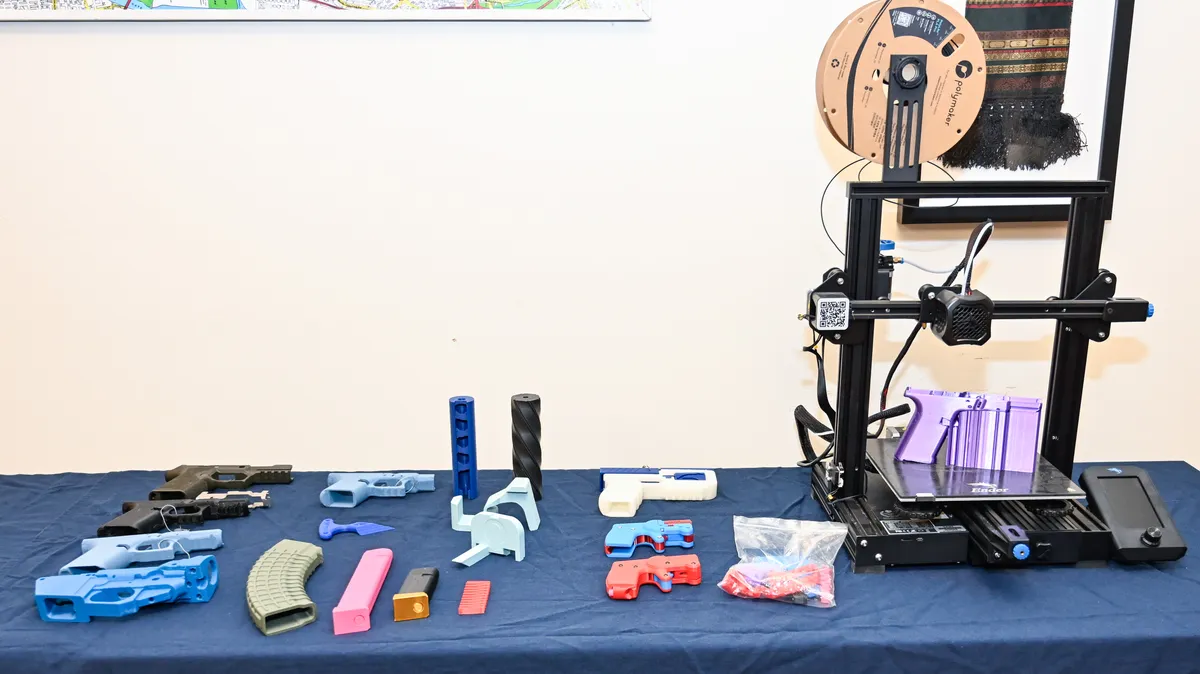
Show Caption
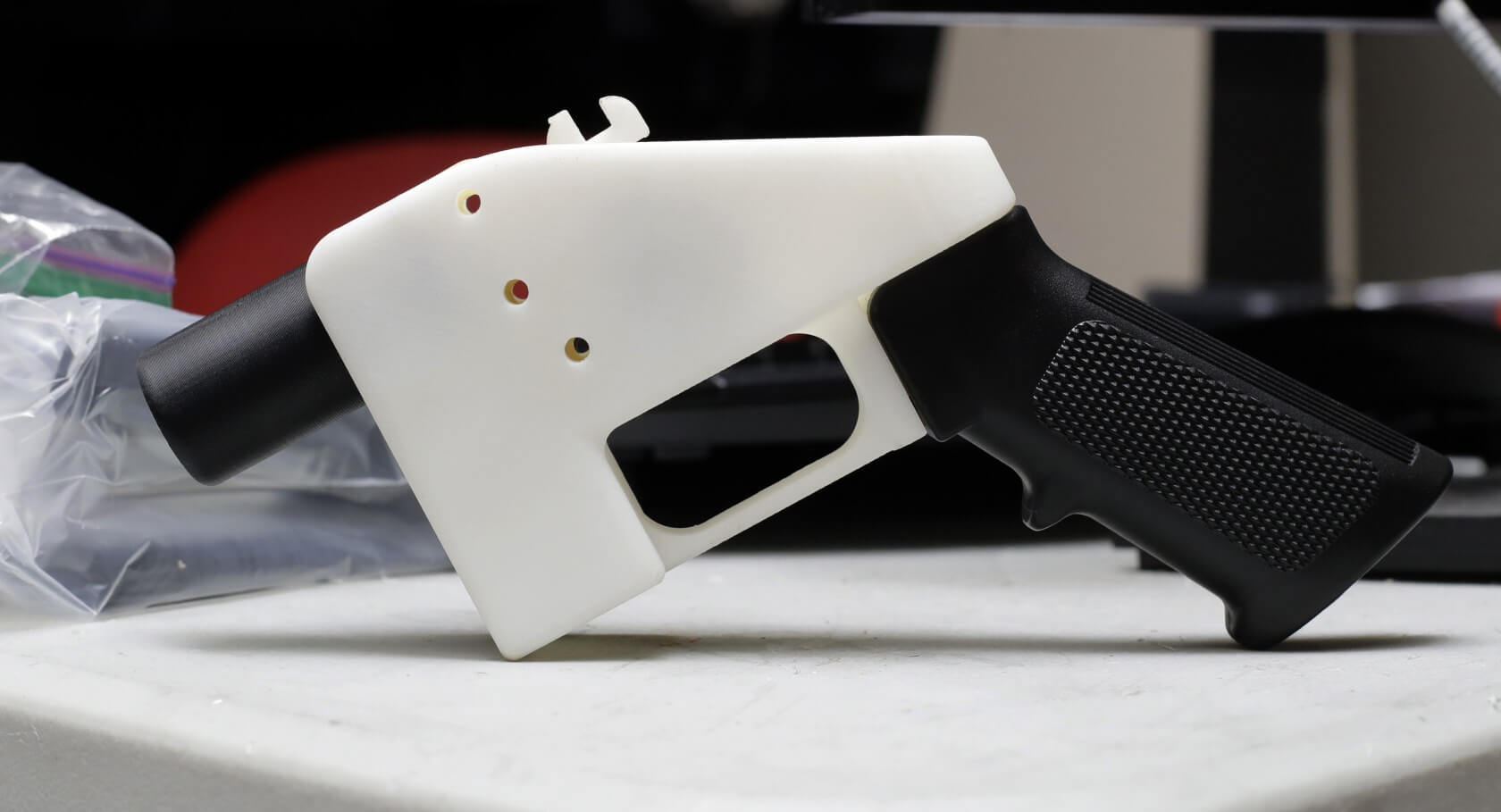
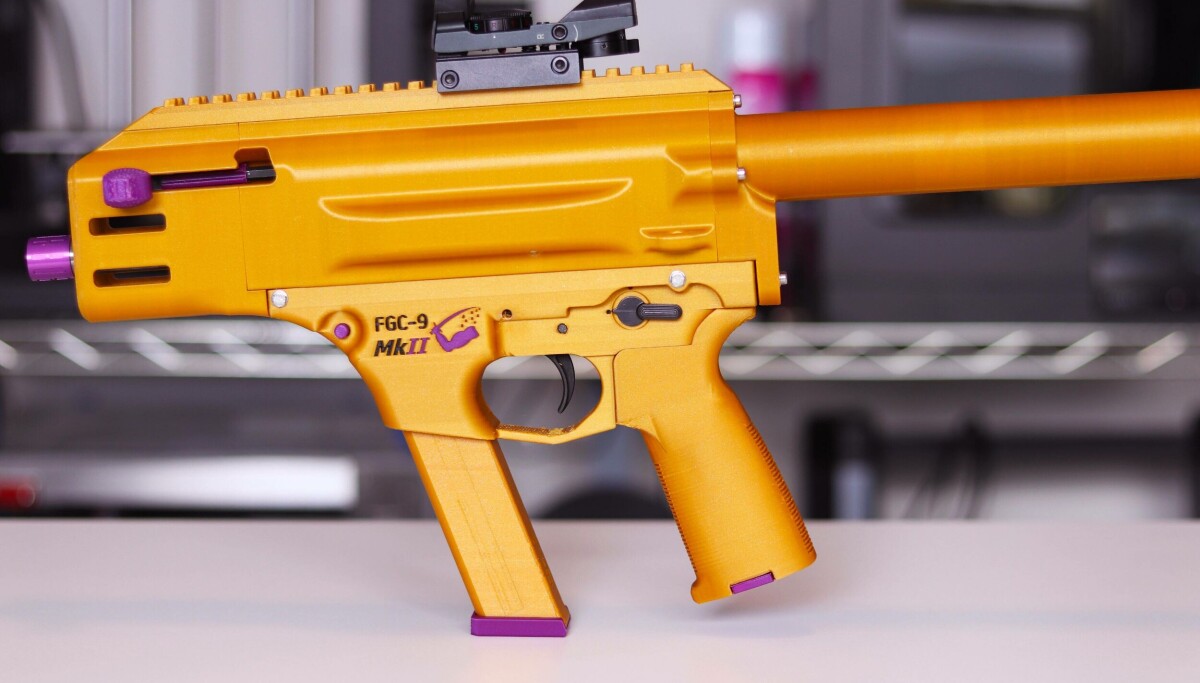
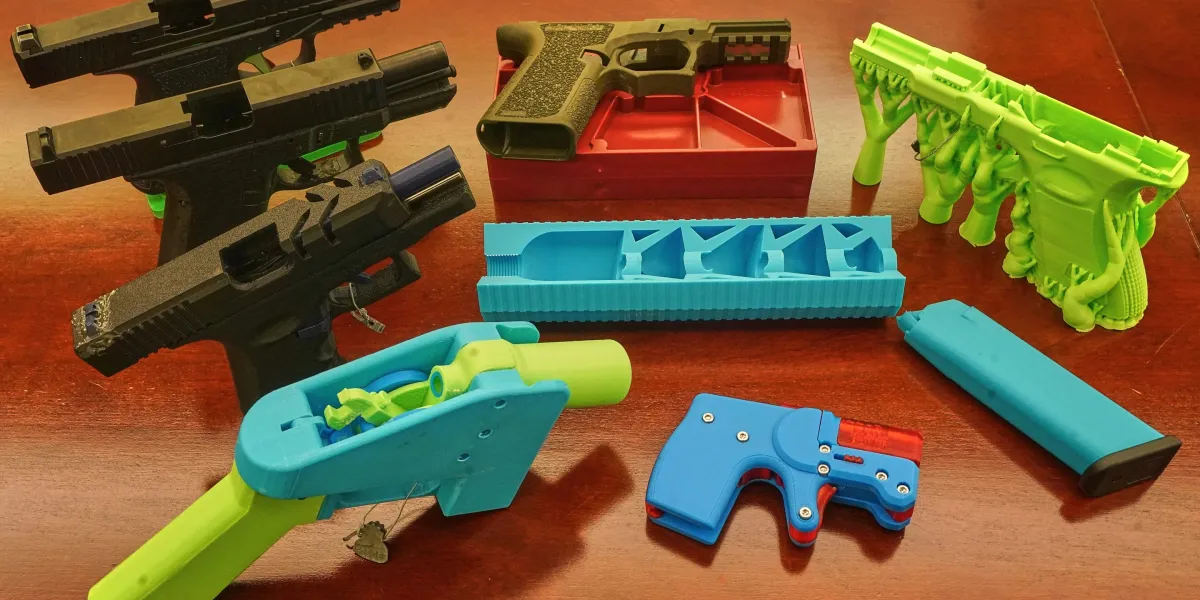
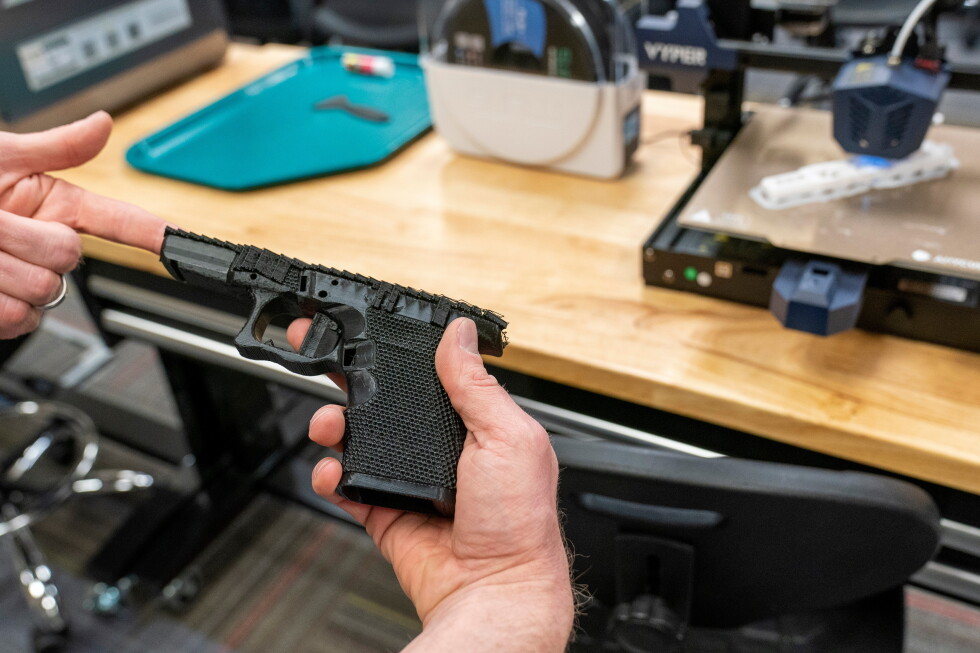
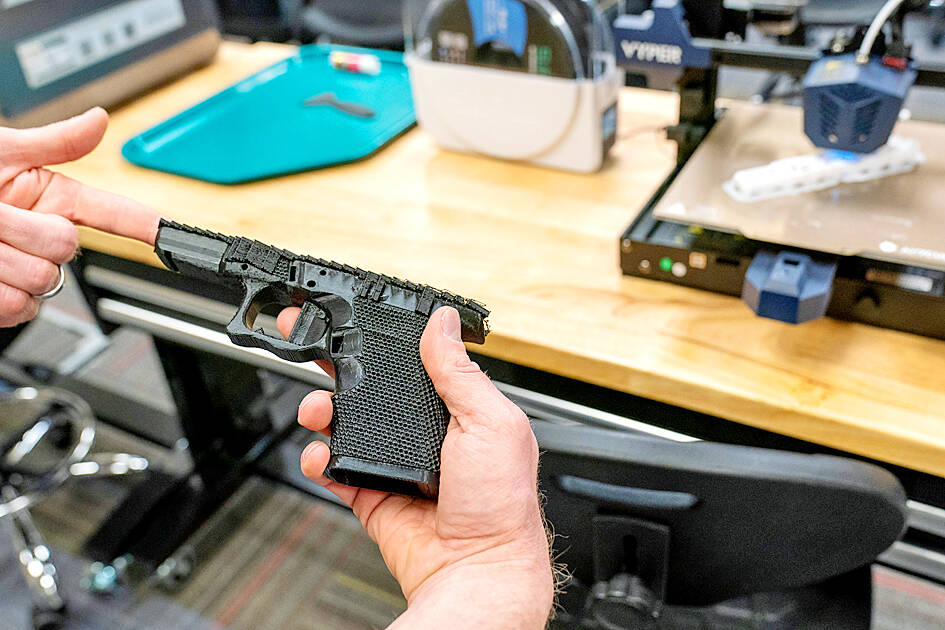
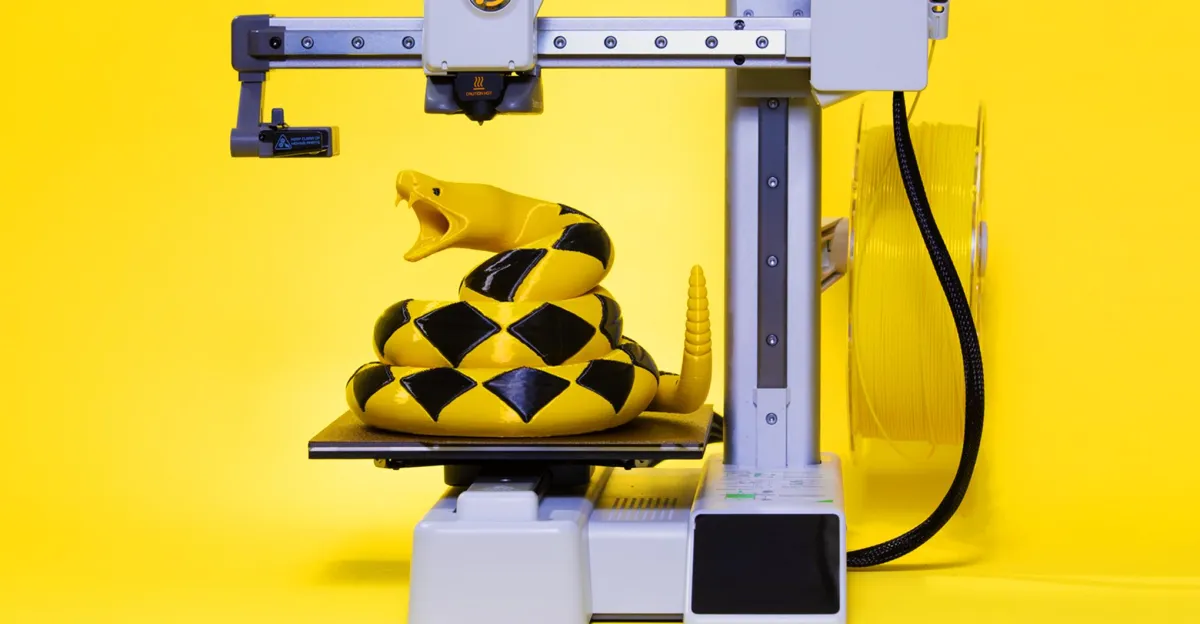
New York Gov. Kathy Hochul signed into law legislation requiring 3D printers to have blocking technology preventing users from printing guns.The law establishes a working group of experts in related fields that will make recommendations to the Division of Criminal Justice Services, which will establish the final rules and regulations.Groups including the National Rifle Association and the Electronic Frontier Foundation say such requirements raise First Amendment concerns.New York Gov. Kathy Hochul signed into law on May 27 a requirement for 3D printers sold in the state to have technology preventing them from printing guns. Supporters describe it as a first-of-its-kind provision that could reduce gun violence, but critics say such technology impedes on free expression. The provision was introduced as part of the state’s proposed 2026-2027 budget, which the state legislature approved on May 21. The law requires all 3D printers sold in the state to have blocking technology − which could be hardware, software, firmware or other measures − to keep printers from making guns or illegal gun parts.Violating the law would be a civil penalty with a $5,000 fine per product sold. Groups including the National Rifle Association and the Electronic Frontier Foundation have raised concerns about the law in part on First Amendment grounds. “This is ultimately asking tools not to work for the creator and go through a filter, a censorship filter,” Rory Mir, the Electronic Frontier Foundation's director of open access and tech community engagement, told USA TODAY. Sabrina Bierer, Hochul’s deputy secretary for public safety, said constitutional concerns are “always in our mind." “We don’t want a law that’s going to be struck down on constitutional grounds, because that’s not going to help anybody,” she said. 3D printers have 'much higher degree of lethality' nowThe New York Police Department recovered one 3D-printed ghost gun in 2021, Manhattan District Attorney’s Office spokesperson M’Niyah Lynn told USA TODAY. That number rose to four in 2022, 42 in 2023 and 109 in 2024. Manhattan District Attorney Alvin Bragg said passing the legislation was a “major step forward for public safety,” in a May 22 X post. Sam Levy, the director of policy advocacy at Everytown for Gun Safety, told USA TODAY the capabilities of 3D printers now compared to a decade ago are “miles apart,” adding that there is a “much higher degree of lethality and reliability” with 3D printers today. Everytown for Gun Safety published survey data in January that found 74% of respondents supported requiring 3D printers to have blocking technology, while 16% opposed it. GIFFORDS, the organization former Arizona Rep. Gabby Giffords established after surviving an assassination attempt in 2011, also supported the New York measure as well as similar ones in states including California and Washington. Foundation says law 'isn't tenable'The National Rifle Association criticized the effort in New York, saying in January that the legislation “seeks to punish technology, ideas, plans and the First Amendment.” “Is Kathy Hochul also suggesting she has the authority to ban books, videos, diagrams, blueprints, instructions and lectures regarding the design and manufacture of firearms, even those that would be illegal to possess under state law?” the organization wrote in a news release. Levy said there’s “no question” that the regulation raises First Amendment issues but said the law’s proponents have “no desire to negatively impact or limit anyone’s free expression" or "ability to use these things in ways that don’t endanger public safety.” “It’s a complex question, but we have one focus and one focus only, and that’s preventing people with dangerous histories, violent extremists from manufacturing untraceable, unserialized guns at home and totally undermining the laws of New York state, and that’s exactly what this bill’s going to achieve,” Levy said. The new law establishes a working group comprised of experts in topics including additive manufacturing technology, artificial intelligence and public safety. The group is tasked with making recommendations on minimum safety standards for 3D printers to comply with the law based on existing technology. If the group determines New York’s requirement is “not technologically feasible,” the law states, it will report its finding and “no regulations shall be required to be promulgated ... until such time as the working group determines that it is technologically feasible.” Barring that outcome, the Division of Criminal Justice Services will consult New York’s Department of State to “promulgate and publish rules or regulations establishing performance standards for blocking technology and any other rules and regulations as may be necessary to carry out” the law’s requirements. The law also says the division will establish and maintain a “library of firearms blueprint files and illegal firearm blueprint files.” Levy said it would likely be around three years before the 3D printer requirements would go into effect in the state. Mir said the Electronic Frontier Foundation believes the law “isn’t tenable” but hopes officials will adopt the “least encumbering” restrictions if it moves forward. “We hope that this process is something that is done openly, transparently, and if it’s found to not be feasible, that they do make good on not moving it forward,” Mir said. BrieAnna Frank is a First Amendment reporter at USA TODAY. Reach her at bjfrank@usatoday.com. USA TODAY's coverage of First Amendment issues is funded through a collaboration between the Freedom Forum and Journalism Funding Partners. Funders do not provide editorial input.