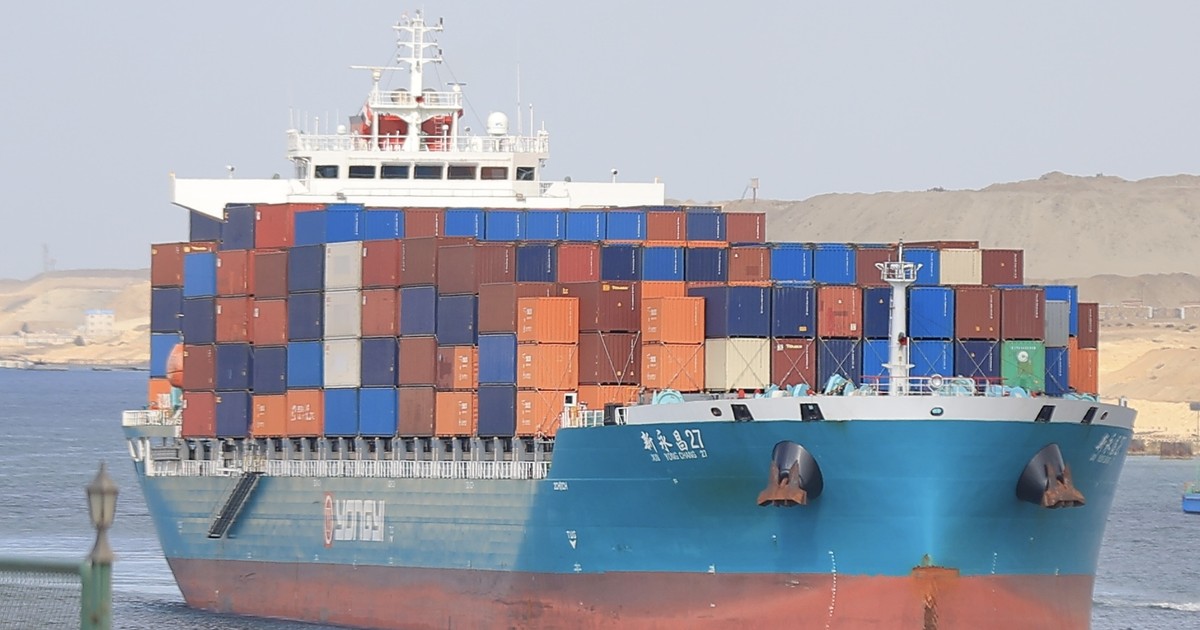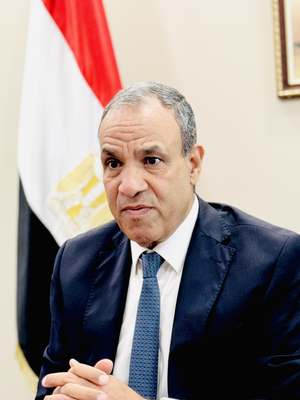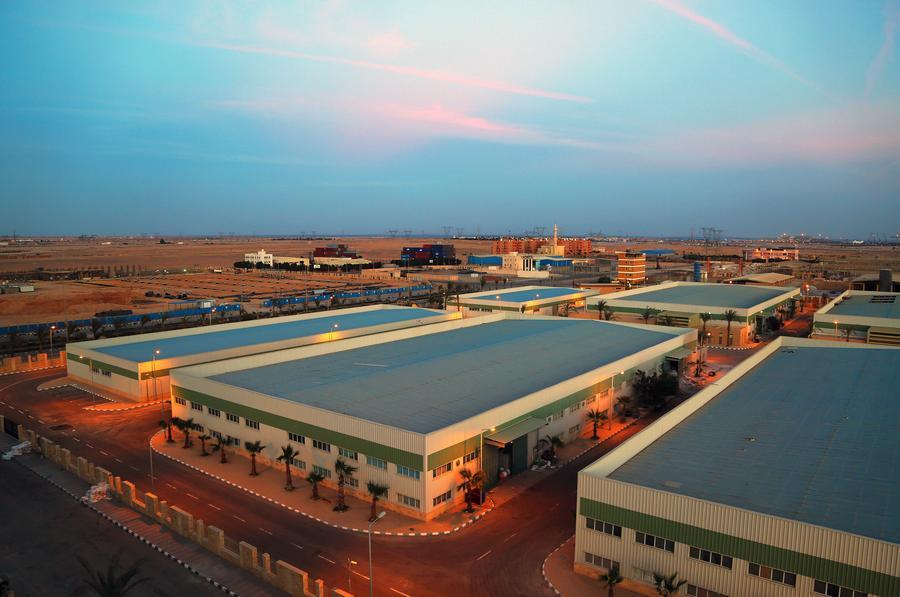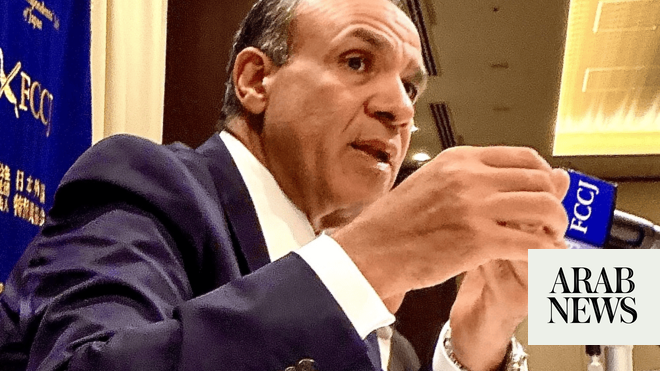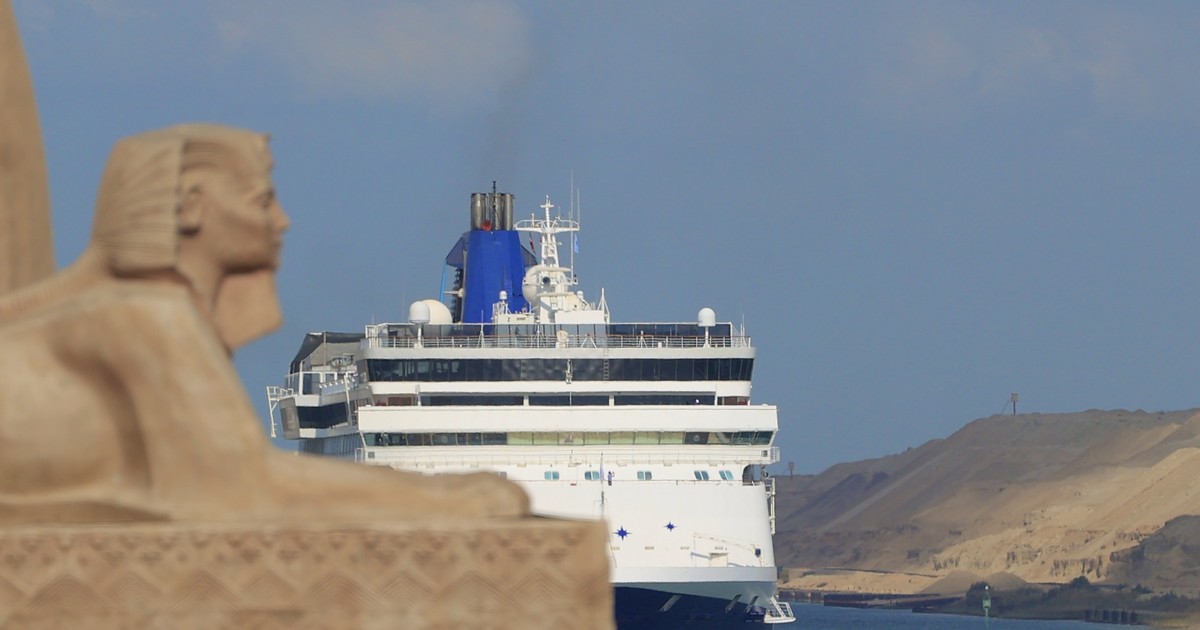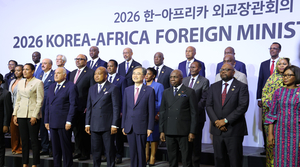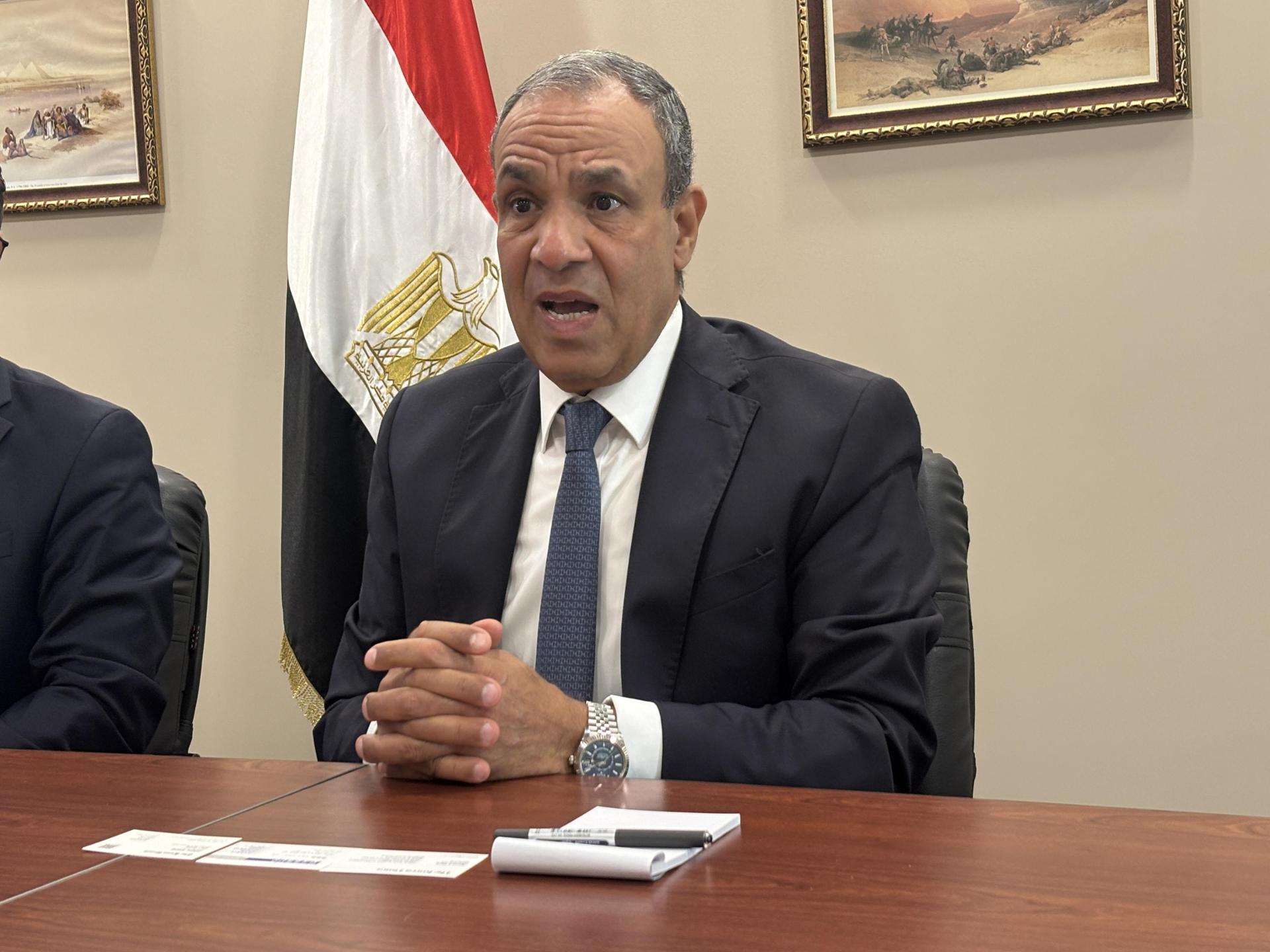
Egypt's Foreign Minister Badr Abdelatty, who is visiting Seoul to attend the Korea-Africa Foreign Ministers' Meeting, speaks to reporters at the Egyptian Embassy in Seoul, Tuesday. Korea Times photo by Anna J. ParkEgyptian Foreign Minister Badr Abdelatty called for an expansion of bilateral economic cooperation with Korea, highlighting Egypt’s role as a gateway to African and Middle East markets and urging Korean companies to establish a dedicated industrial zone along the Suez Canal. Speaking to reporters at the Egyptian Embassy in Seoul on Tuesday, Abdelatty, who is visiting Korea for the Korea-Africa Foreign Ministers’ Meeting, said Korea and Egypt share a “very strong and long-standing relationship” and should now focus on translating their robust political ties into broader economic and industrial cooperation. “We would like to further enhance our cooperation with South Korea,” he said. “What we need to do more is in the economic and trade areas.” A central theme of his remarks was Egypt’s strategic location and its potential as a manufacturing and logistics hub for Korean companies seeking access to wider markets.“Egypt is engaged in 11 FTA agreements,” Abdelatty said. “We have FTA agreements with the European Union, with Mercosur countries in Latin America, with Arab countries and African countries. We are also party to the African Continental Free Trade Agreement.” As a result, he argued that Korean firms operating in Egypt gain access not only to Egypt’s domestic market but also to a consumer base stretching across multiple regions.“Your companies are benefiting from not only a market of 100 million people in Egypt, but a market of at least 2 billion inhabitants, so it’s a win-win,” he said. Abdelatty singled out the Suez Canal Economic Zone as a particularly attractive destination for Korean investment, saying Cairo hopes to replicate the success achieved by Chinese manufacturers there over the past two decades.“Our main focus now is how to convince Korean companies to come and triple their investment,” he said, further explaining that it is worth it to "create a Korean industrial zone on the Suez Canal Economic Zone."He noted that companies located along the canal can enjoy proximity to major shipping routes connecting East, South and West Africa, making the area highly competitive for export-oriented industries. The minister also underscored the strategic importance of the Suez Canal itself, which has faced disruptions from regional instability and attacks on shipping in the Red Sea.“Around 13 percent of the total trade of the world is coming through the Suez Canal,” he said, stressing that ensuring freedom of navigation is a collective responsibility for countries bordering the Red Sea. Foreign ministers from participating countries pose for a commemorative photo at the 2026 Korea-Africa Foreign Ministers’ Meeting at the Lotte Hotel in Jung District, Seoul, Monday. YonhapBeyond manufacturing and logistics, Abdelatty identified several sectors where Egypt hopes to deepen cooperation with Korea, including shipbuilding, digital transformation, artificial intelligence, green technology and renewable energy.Defense cooperation also remains an important pillar of bilateral ties. He pointed to Seoul's advances in defense manufacturing and expressed interest in expanding industrial collaboration.“The most important issue is joint manufacturing,” he said, when asked about opportunities for Korean defense firms. “We can work together for different joint manufacturing programs.” On Korea-Africa cooperation, the minister stressed that Africa’s priority is not aid but sustainable partnerships built on technology transfer, investment and workforce development.“What we need from Korea is not a donor-recipient relationship, but a real partnership based on win-win and based on mutual respect,” he said. Reflecting on the Korea-Africa Foreign Ministers’ Meeting, Abdelatty described Korea as “an inspiring model for development” and welcomed Seoul’s growing engagement with the continent. He said future cooperation should focus on industrial localization, technology transfer, vocational training and investment that creates jobs across Africa. Looking ahead to the next Korea-Africa Summit, scheduled for 2029, Abdelatty said expectations should be measured not by diplomatic symbolism but by concrete outcomes.“We need tangible deliverables,” he said. “We need more presence of Republic of Korea companies in Africa. We need more trade volume, more investment on the ground and more localization in industry, food security and energy. ... We cannot bring the leaders here only for a photo opportunity.”
[INTERVIEW] Egypt invites Korean firms to build industrial zone along Suez Canal - The Korea Times
Egyptian Foreign Minister Badr Abdelatty called for an expansion of bilateral economic cooperation with Korea, highlighting Egypt’s role as a gatew...
692 words~3 min read