00:00/00:00
您的浏览器不支持 audio 标签。
Listen to this article
1x
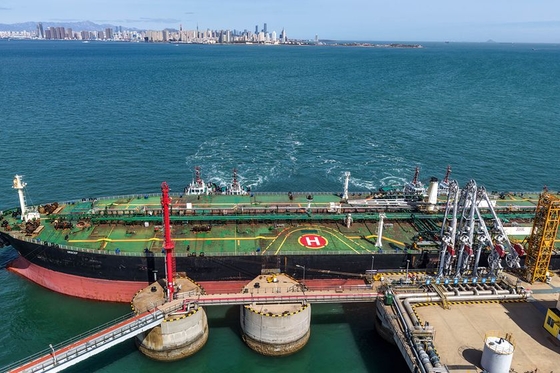
Imported crude oil is unloaded at an oil terminal at Qingdao Port in Shandong province on April 22, 2026. Photo: VCG
The February 2026 U.S.-Iran conflict has exposed fatal flaws in global energy security — and revealed why China is weathering the storm better than the West
Hormuz blockade cuts 30% oil, prices surge $130-$170/bbl. Japan (35.5% Mideast oil) faces acute shock; China's coal-heavy energy shields it. Energy security now determines competitive advantage. Tech leaders face divergent cost inflation and operational risk by region, reshaping budget forecasts.
00:00/00:00
您的浏览器不支持 audio 标签。
Listen to this article
1x
Imported crude oil is unloaded at an oil terminal at Qingdao Port in Shandong province on April 22, 2026. Photo: VCG
As the US and Iran hammer out how to reopen the Strait of Hormuz, the market’s next move may rely on one country absent from the…
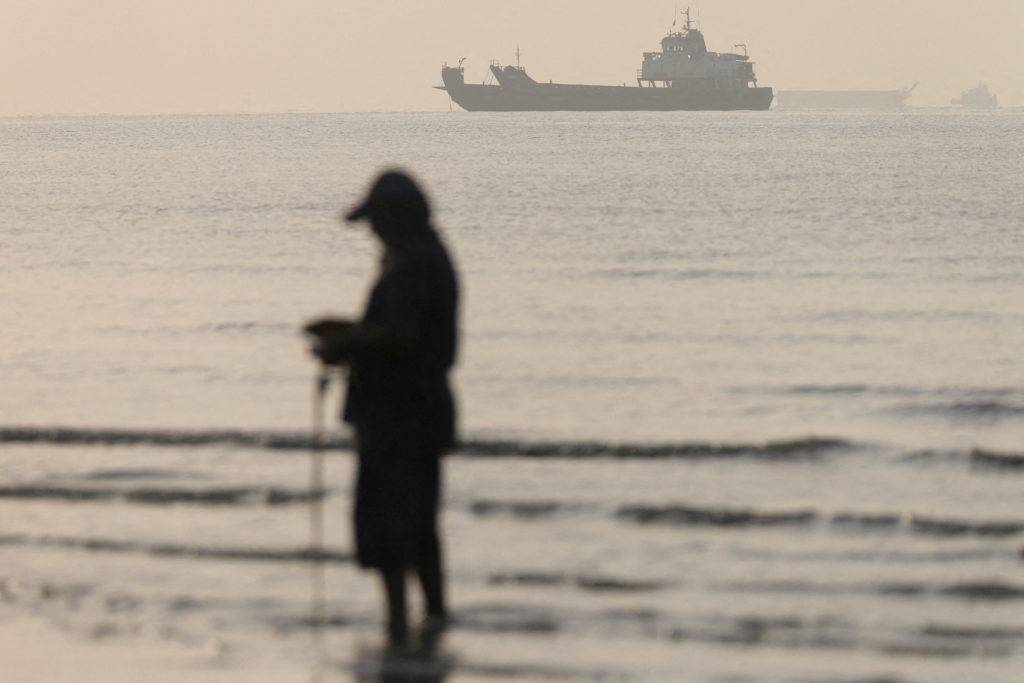
As U.S.-Iran talks show little sign of progress, commercial traffic through the Strait of Hormuz remains sharply reduced, raising…
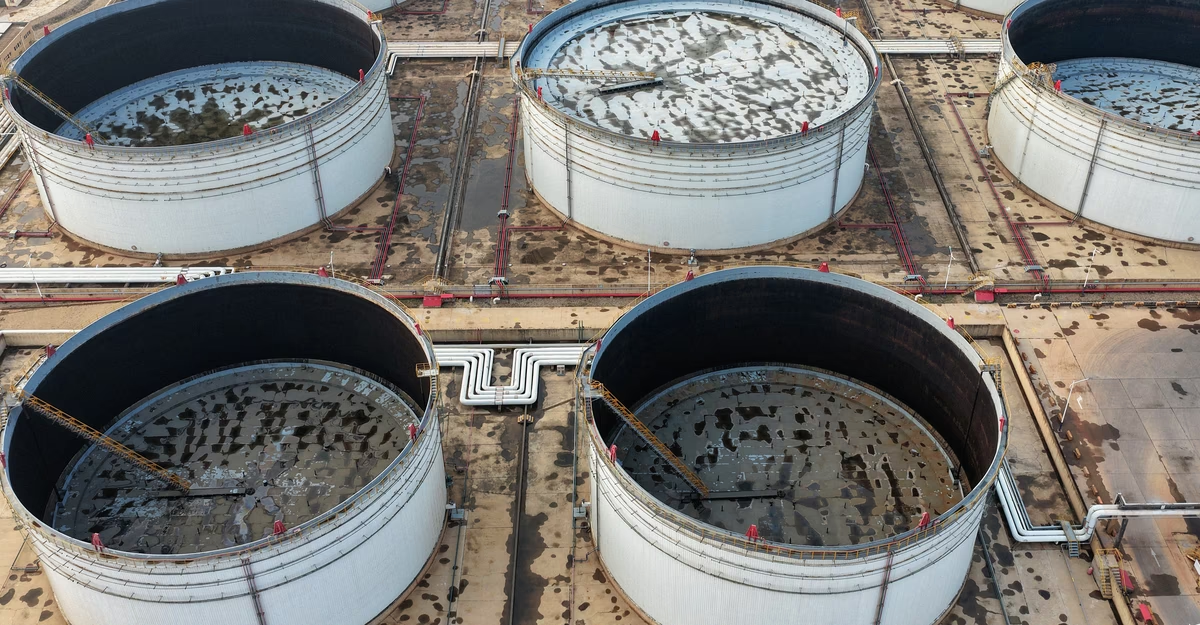
America’s greatest rival is single-handedly averting a global energy crisis. No one knows how the country is doing it—or why.
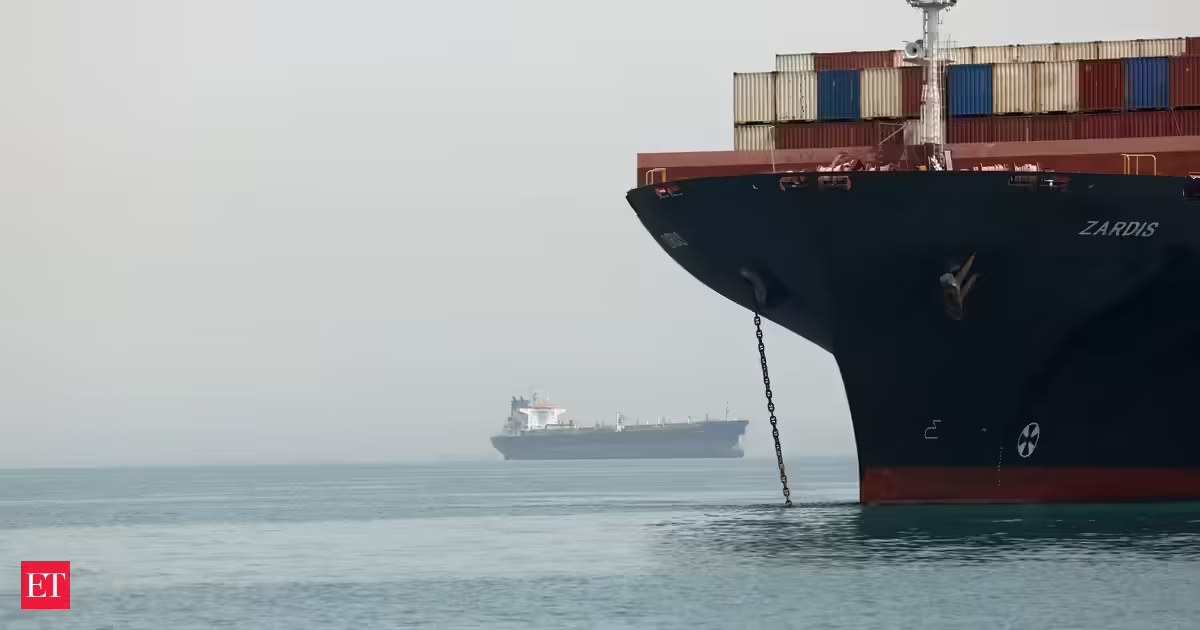
The Iran-Israel conflict briefly raised fears that disruption of the Strait of Hormuz, through which about 20% of global oil and…
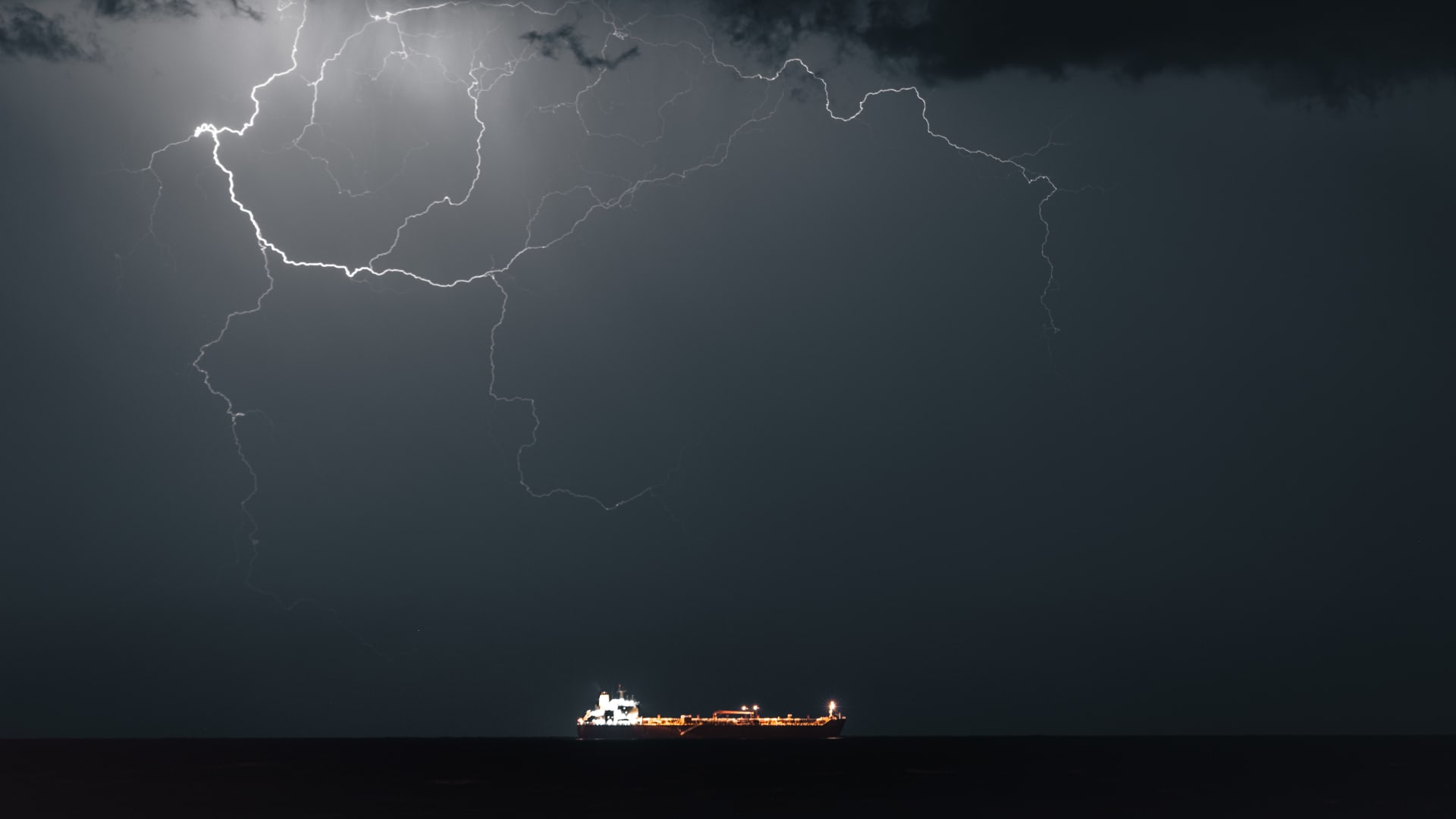
The U.S. naval blockade of the Strait of Hormuz threatens to halt more tanker traffic, sending oil surging and risks drawing…

The US-Iran ceasefire extension is driving a reassessment of global energy supply chains through the Strait of Hormuz, with…