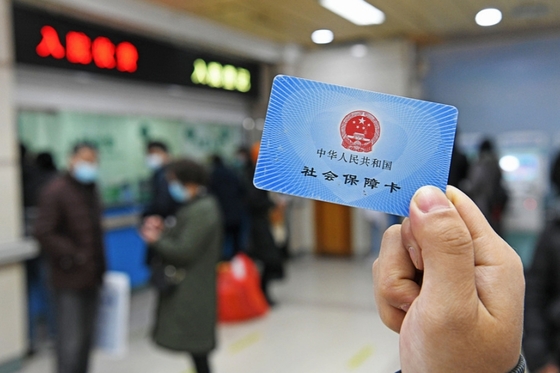
[para. 1] More than 10 Chinese provinces and major cities have eliminated household registration (hukou) restrictions for medical insurance enrollment, marking a significant step toward reducing barriers to labor mobility and promoting social equity in China. The central government has prioritized dismantling the longstanding hukou system, which has historically restricted migrant workers and flexible employees from accessing public services, such as health insurance, outside their hometowns.[para. 2] Despite this progress, significant challenges remain in fully implementing these reforms. Wealthier population centers are often reluctant to provide health insurance subsidies to newcomers, leading to disparities in how the reforms are applied across various parts of the country.[para. 3] Provinces including Guangxi, Shandong, Sichuan, Jiangxi, Hubei, Hunan, Yunnan, Shanxi, Heilongjiang, and Inner Mongolia, along with cities like Zhengzhou, Shijiazhuang, and Hefei, have allowed flexible workers and gig economy laborers to enroll in medical insurance in their current place of residence rather than being tied to their original hukou. This follows 2025 guidelines from the Communist Party of China and the State Council, which directed the removal of all hukou-related restrictions for social insurance enrollment at places of employment.[para. 4] While employee insurance enrollment—typically funded by employers and employees—has become more accessible, the real challenge lies in resident medical insurance, which is designed for people without formal employment and relies heavily on government subsidies. Local governments in areas with net population inflows are often unwilling to fund these subsidies for non-locals, while areas losing population worry about losing the contributions of younger, healthier individuals who contribute more to the insurance pool than they cost.[para. 5] The strongest resistance to reform is found in China’s largest cities, where a local hukou provides access to top-tier educational and social benefits. Changing policy in these metropolises faces considerable inertia.[para. 6] According to Wang Chaoqun’s 2023 study, major cities such as Beijing, Shanghai, Guangzhou, Shenzhen, Nanjing, Suzhou, Hangzhou, Ningbo, and Dongguan exclude non-locals from their resident medical insurance schemes. Other cities, like Qingyuan and Jinhua, permit access but require non-locals to pay the entire premium, including the government-subsidized portion.[para. 7] Some local governments further discourage migrant enrollment by not publicizing insurance schemes or creating complicated payment processes.[para. 8] A few cities have compromised by permitting only certain groups of non-locals to join. For example, Foshan allows only college students, children with a participating parent, and newborns, while Xiamen permits non-local spouses and parents of insured employees with valid residence permits.[para. 9] Cai Fang from the Chinese Academy of Social Sciences observes that while hukou reforms benefit the national economy by improving labor allocation, local governments disproportionately bear the associated costs. Expanded urban residency leads to greater social spending for local administrations without equivalent economic returns.[para. 10] Wang argues that under current fiscal arrangements, merely lifting hukou restrictions does not resolve the underlying problems.[para. 11] Wang suggests a “money follows the person” approach, where subsidies move with individuals who change residence, so that their former locale or the central government transfers support funds to their new city.[para. 12][para. 13] Some jurisdictions have already implemented such measures; for example, Guangxi and Jiangxi have allowed non-local residents to receive equal insurance subsidies as local hukou holders based on residence permits.[para. 14] Wang notes that this shift could cause medical insurance deficits in outflow regions, while inflow cities would face increased subsidy obligations. However, this could narrow regional disparities in medical resources.[para. 15] Experts advise a phased approach for megacities, initially expanding access to non-local students and children before widening eligibility. Cai suggests that increasing the central government’s fiscal role would help ensure more equitable public services between urban and rural areas.AI generated, for reference only
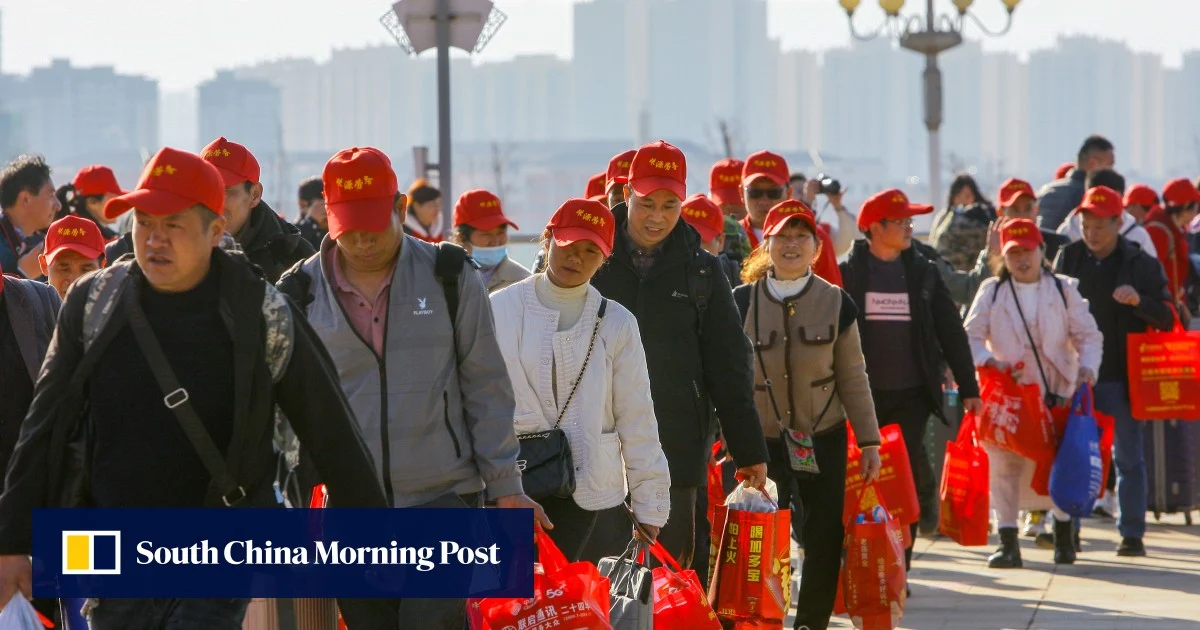
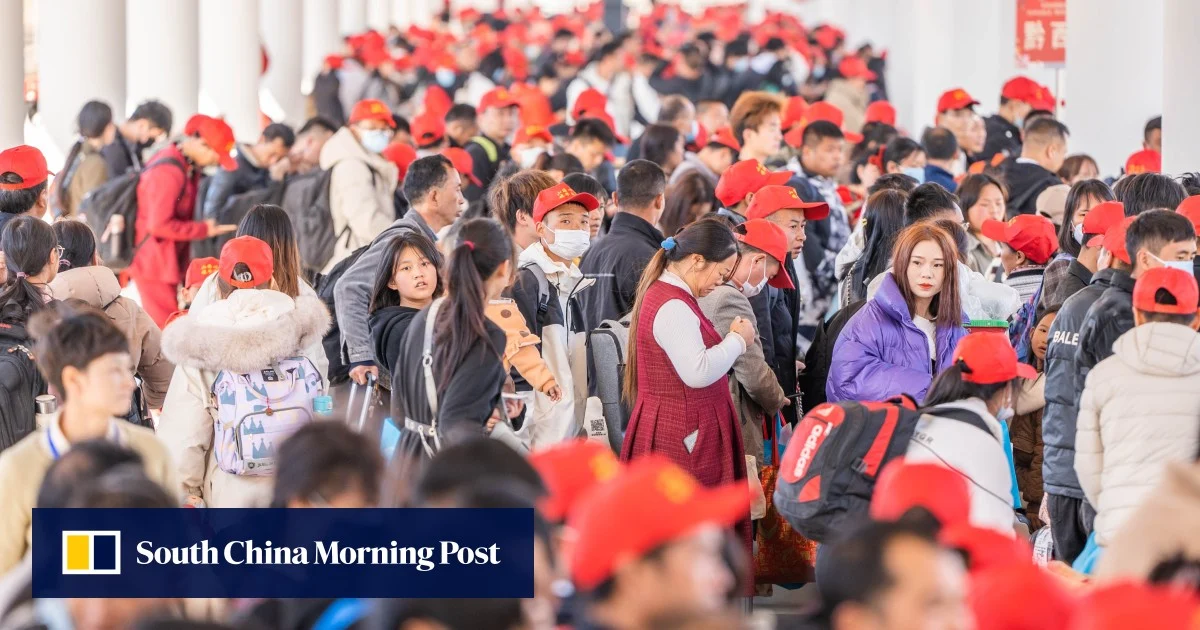
China Provinces Scrap Hukou Limits for Medical Insurance to Boost Mobility
While more than 10 provinces have opened insurance rolls to migrant workers, wealthy cities remain hesitant to subsidize care for non-locals
605 words~3 min read