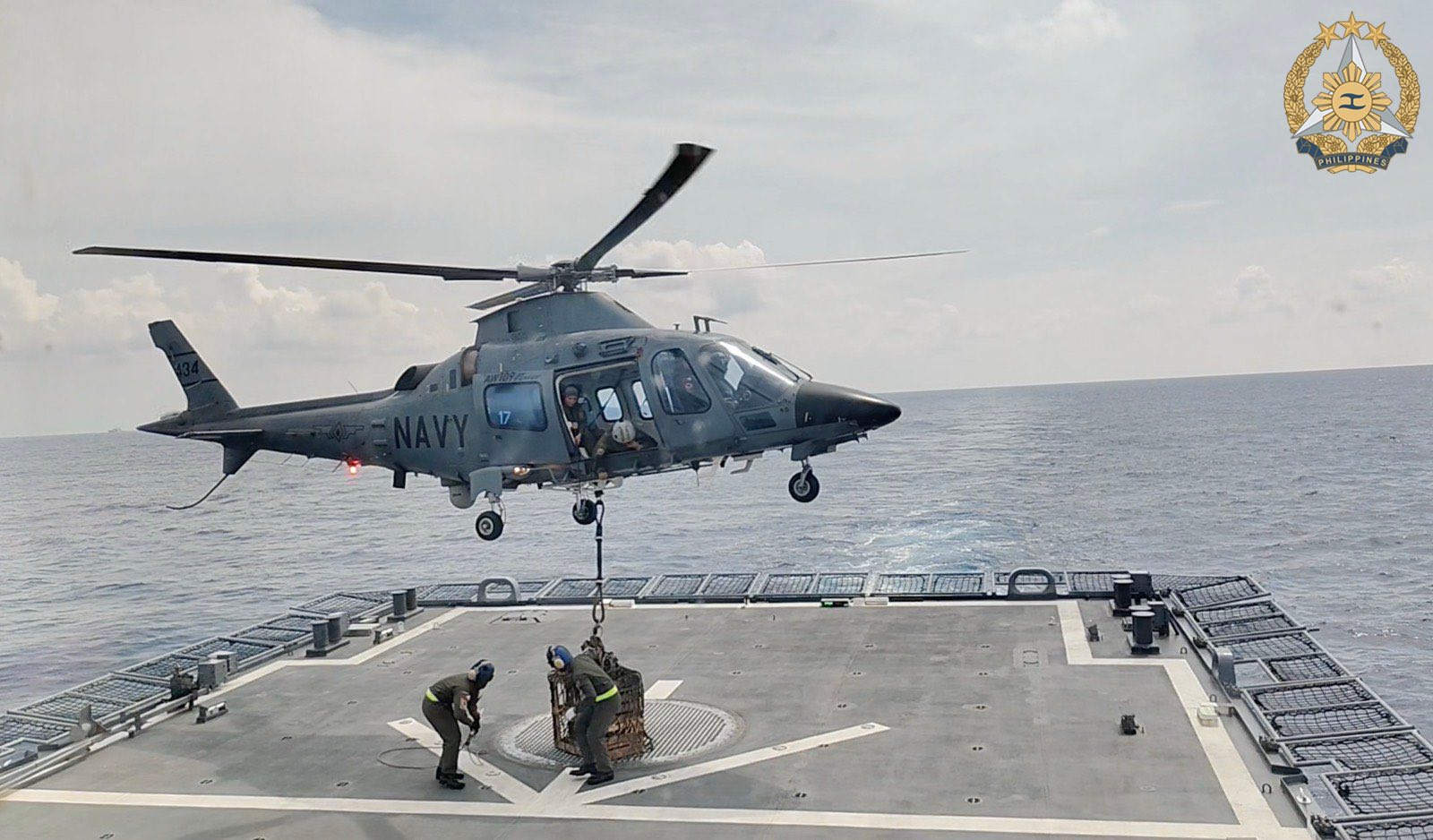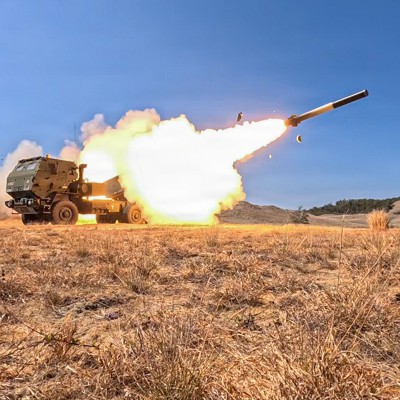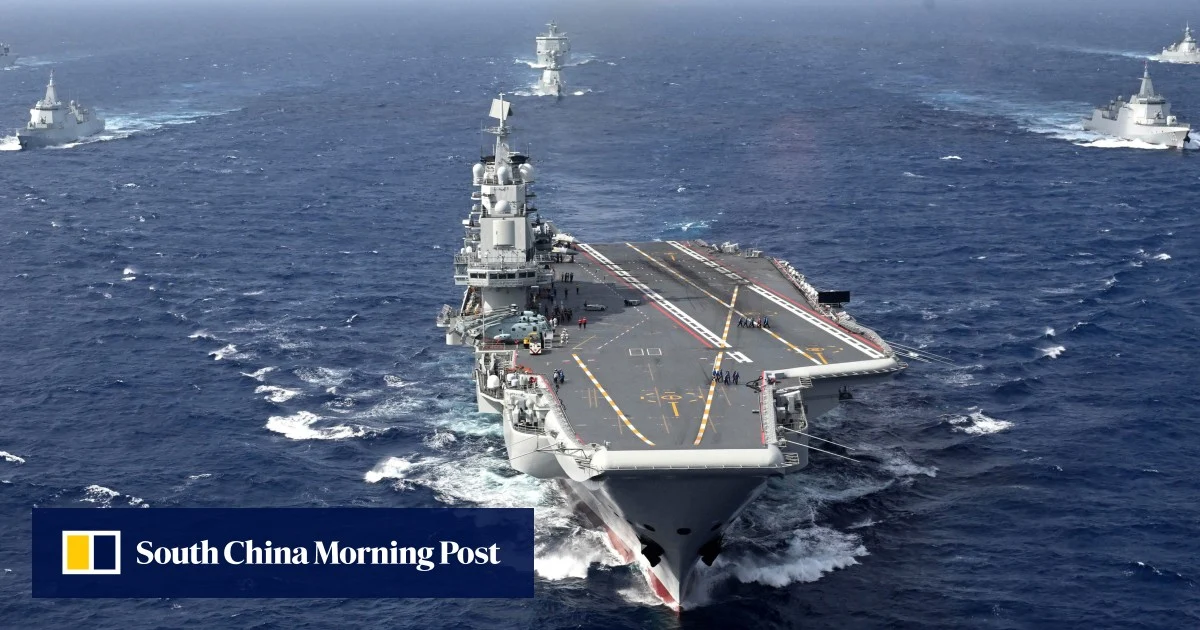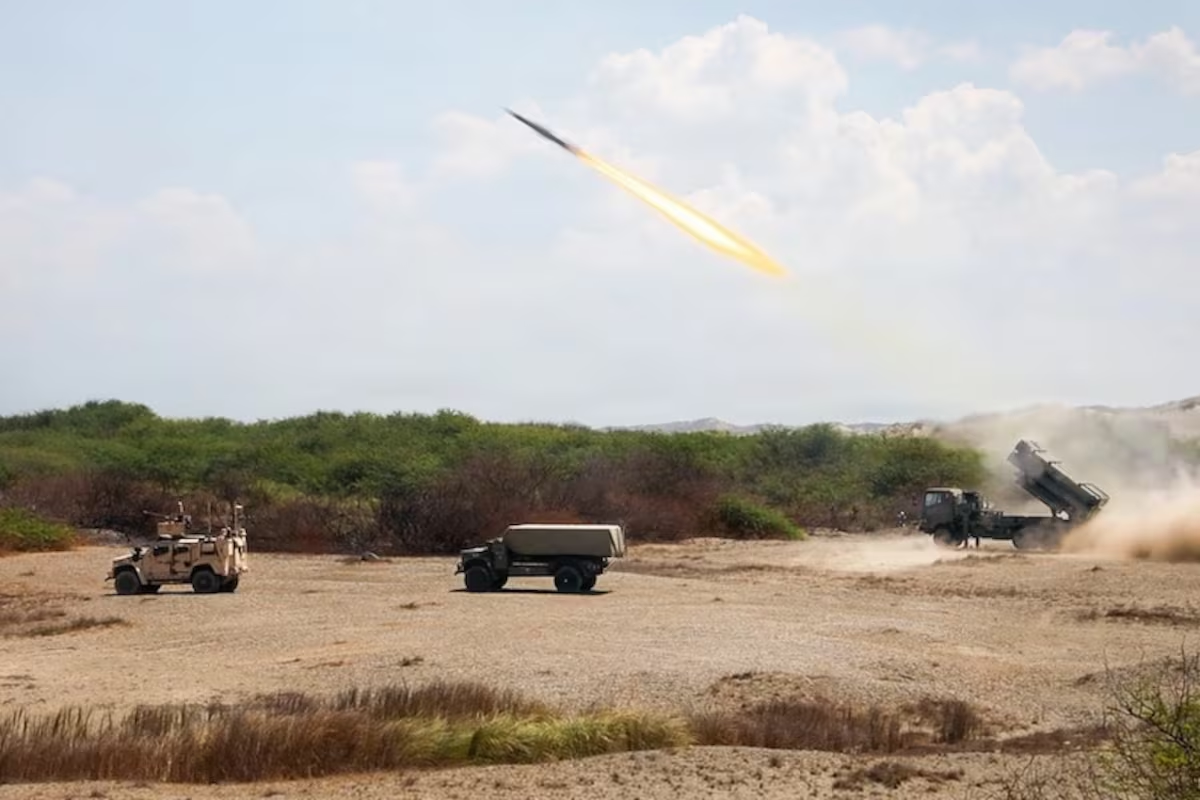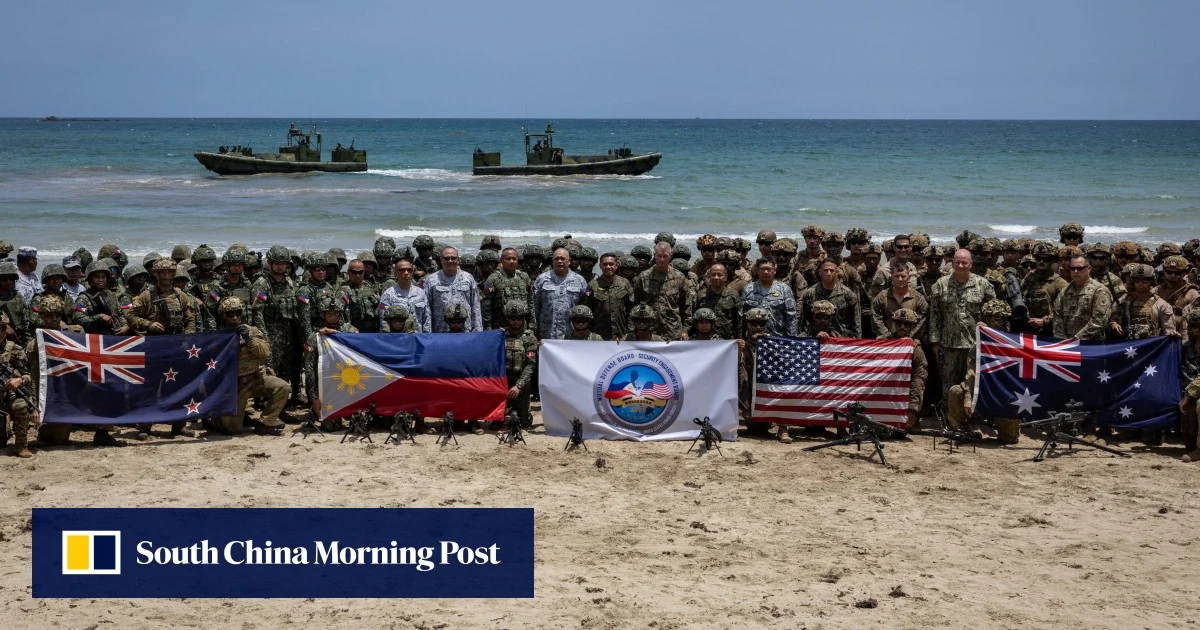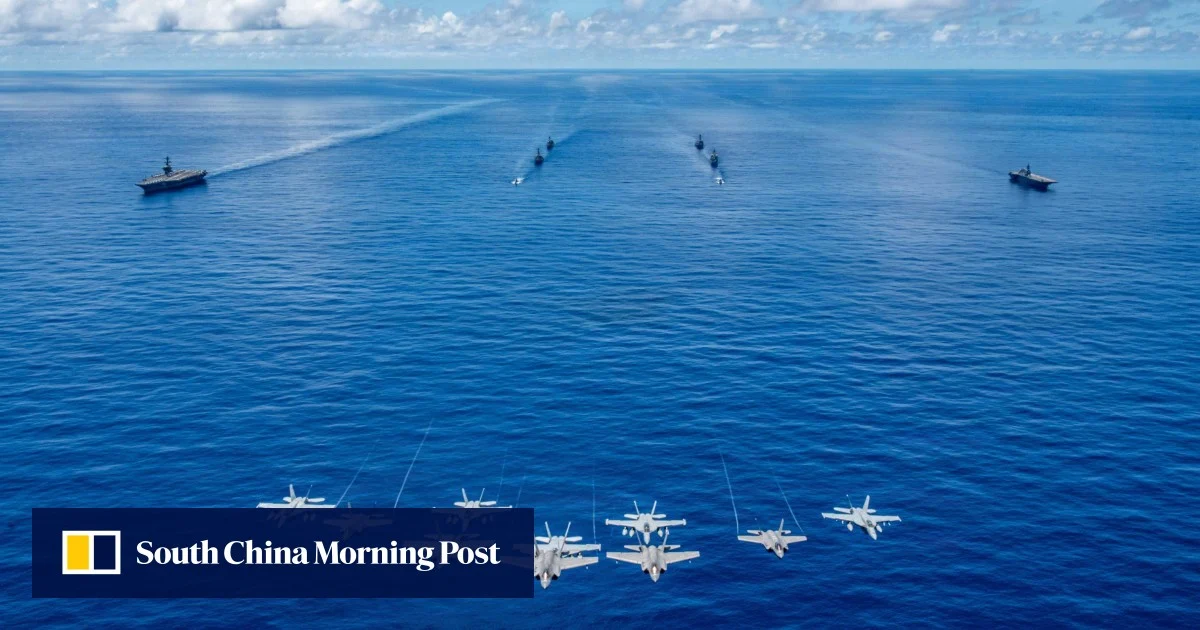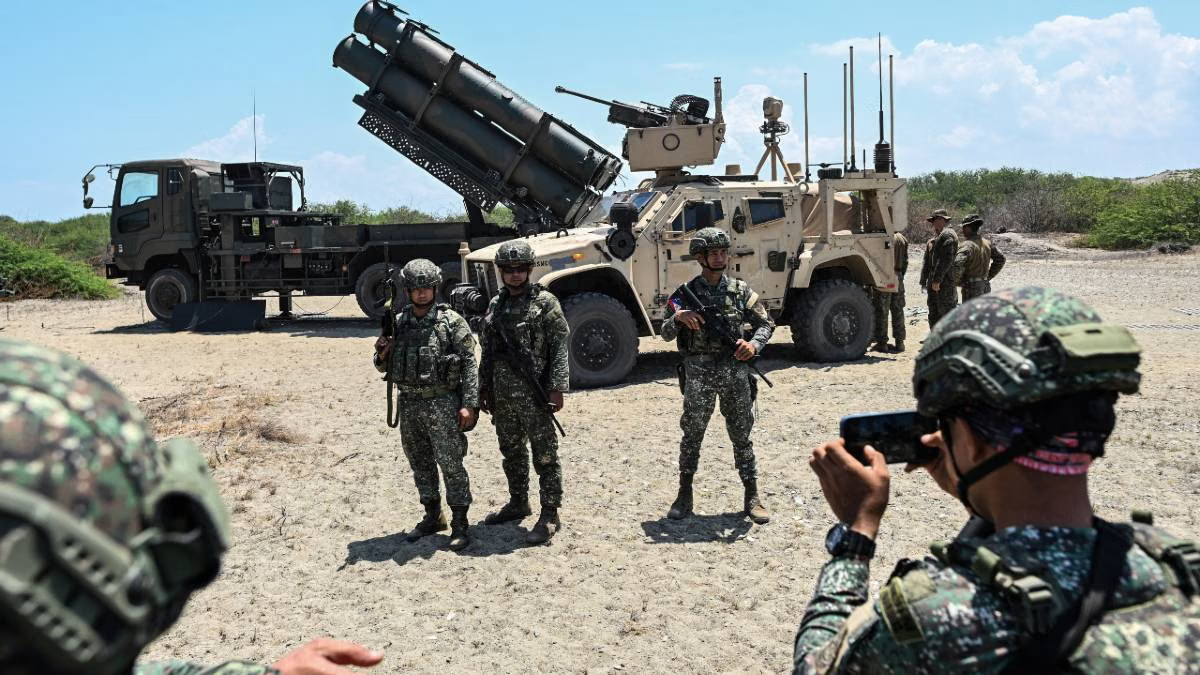
For 18 days in late April and early May, a force of 17,000 personnel, primarily from the Philippines, Japan, and the United States, gathered across an increasingly strategically relevant Southeast Asian archipelago for Balikatan 2026. Despite the insistence of exercise public affairs officers, there was only one adversary that these drills could be preparing to confront.
U.S. Indo-Pacific Command (INDOPACOM) chief Adm. Samuel Paparo proclaimed this Balikatan as a “rehearsal” for the defense of the Philippines. This was a significant step-up from past iterations, which focused on generic internal security issues and humanitarian operations.
The shift began in earnest in Balikatan 2022, a year in which Washington and Manila started to revitalize a relationship that had become strained under President Rodrigo Duterte. Their focus was to put up a signal to deter escalatory actions from Beijing’s maritime forces in the South China Sea. Balikatan’s gaze shifted west, with a milestone ship-sinking demonstration within 250 kilometers of Scarborough Shoal that was attended by Philippine President Ferdinand Marcos Jr. in 2023.
In 2024 and 2025, the focus of the drills slowly but surely oriented toward the northern edges of Luzon, in close proximity to Taiwan. The Batanes Island Group, Ilocos Norte, and Cagayan received an influx of Philippine and American troops. They were then reinforced by new basing agreements, missile deployments, and military construction projects in key areas.