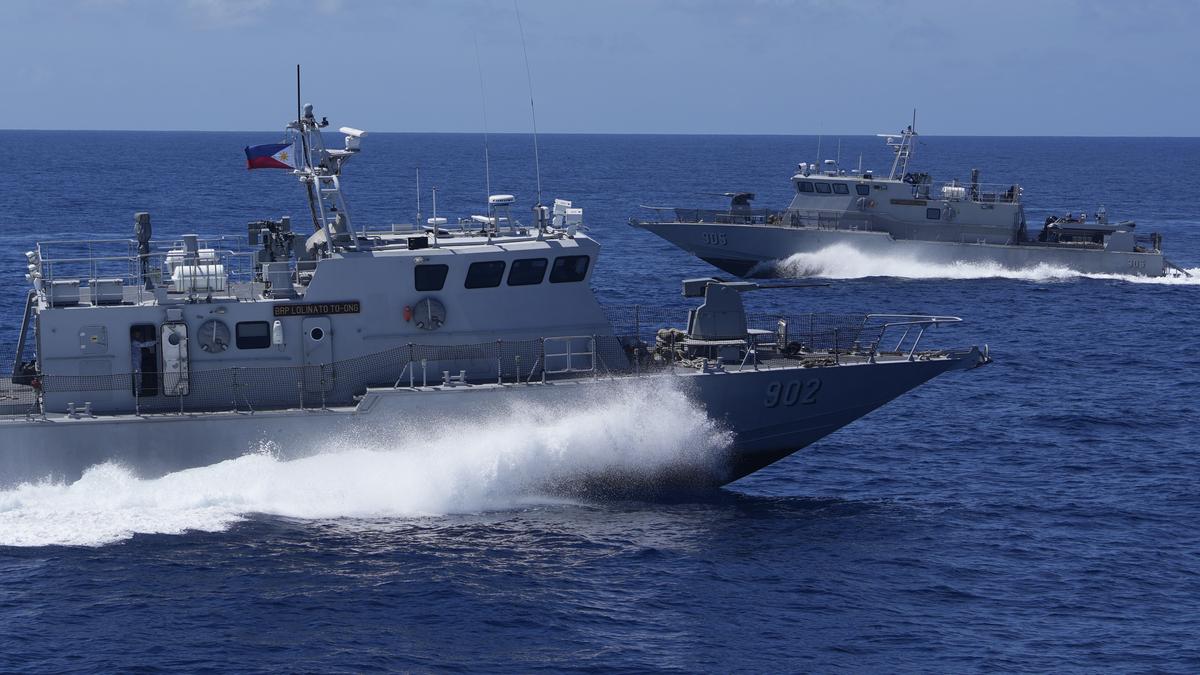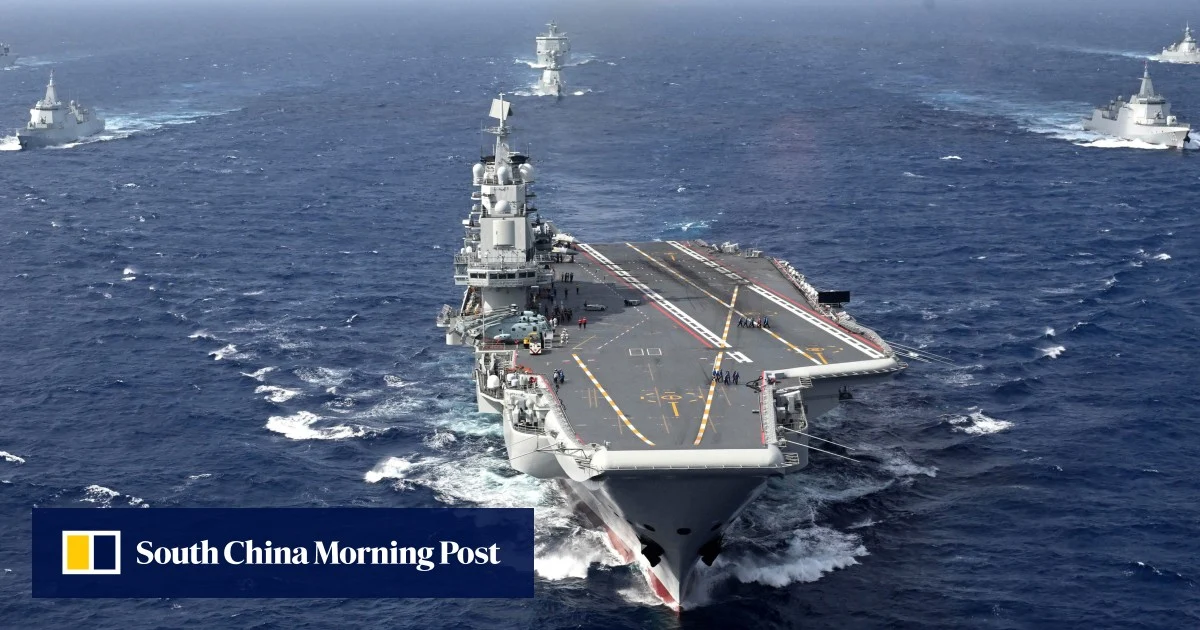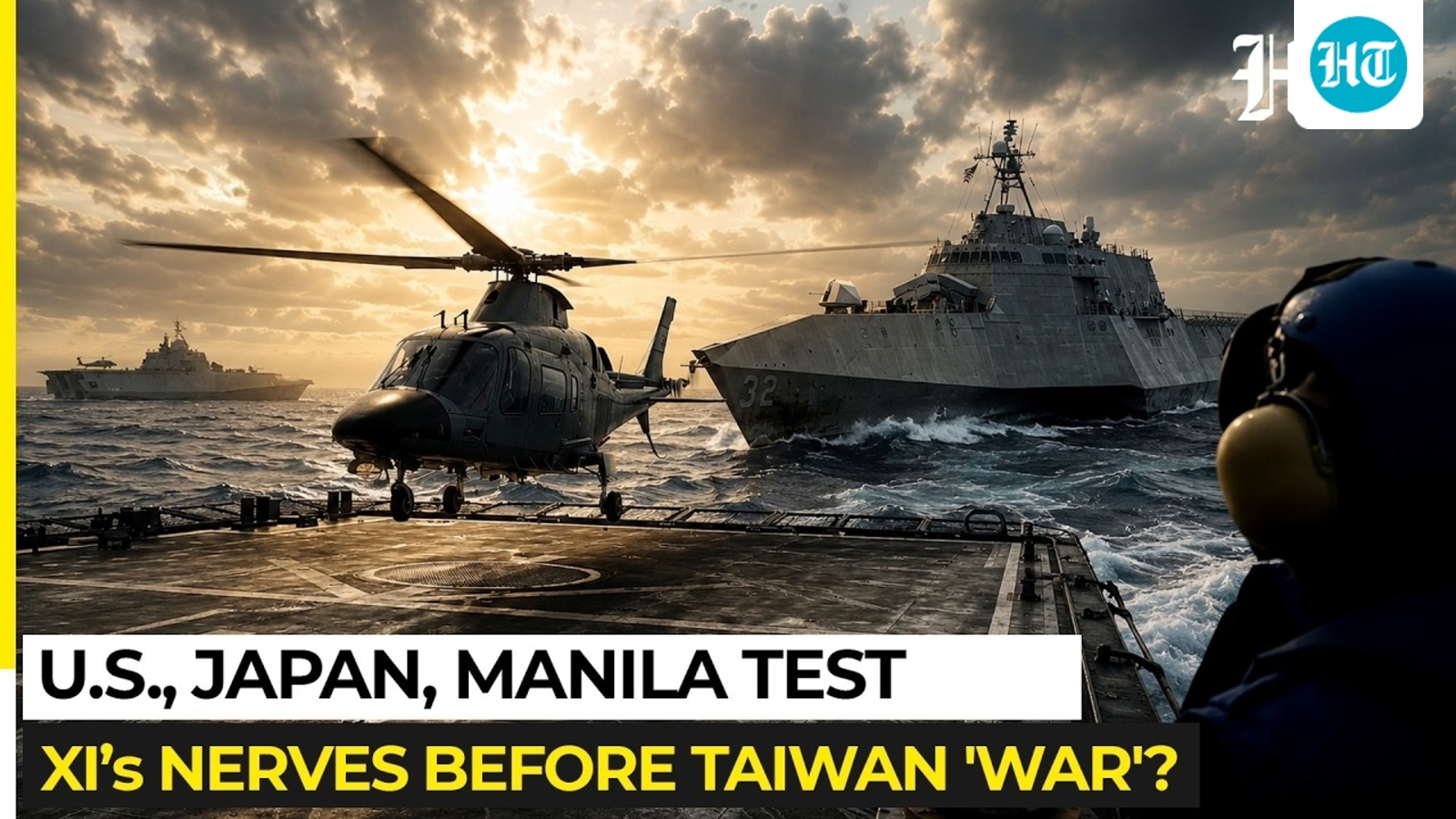
Beijing stakes claim to most of the region and at the heart of this claim is the U-shaped “nine-dash line” that includes as much as 90 percent of these waters. This dotted line was adopted from Chinese maps in the 1940s, and represents Beijing’s claim over the sea and all the land features that are contained within the line.The Philippines and China have been sparring over the Scarborough Reef and the Spratly Islands. While China has offered to negotiate the matter, the Philippines has said these territories are non-negotiable and have always been its part.
Also Read: Indo-Pacific security demands a strong India-Japan relationship
Why the exercise matters
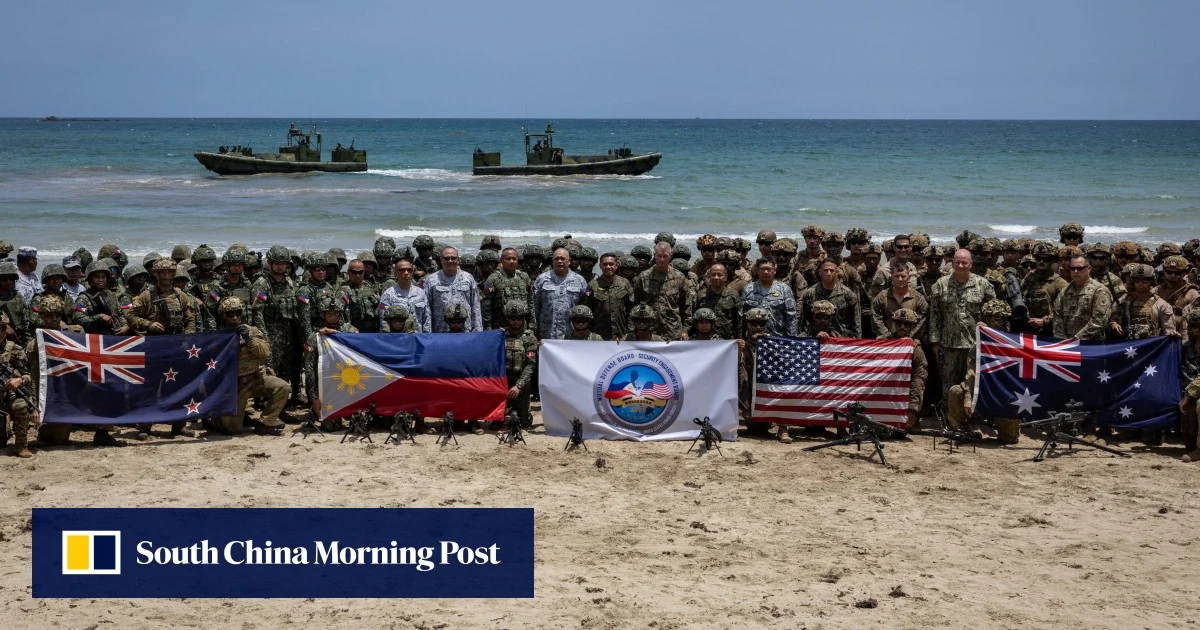
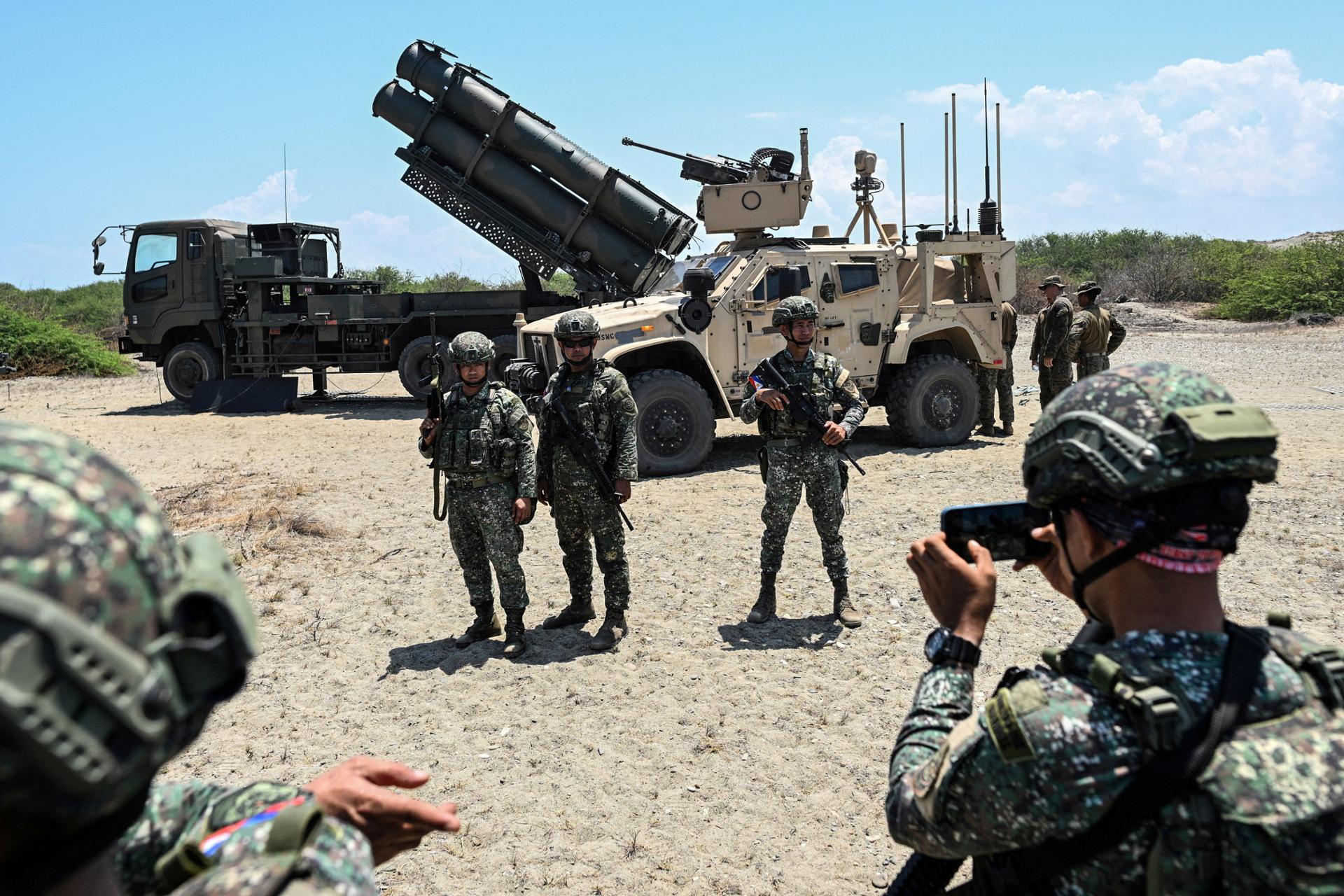
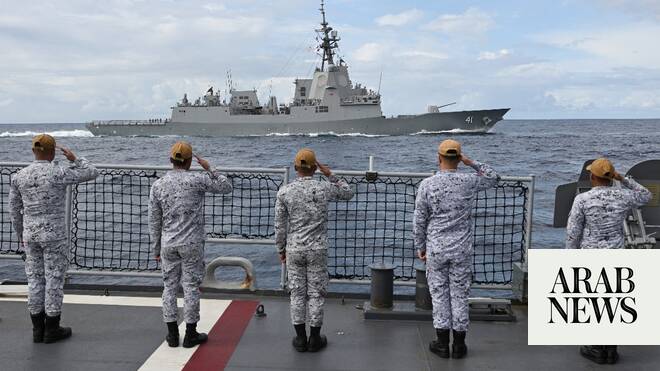
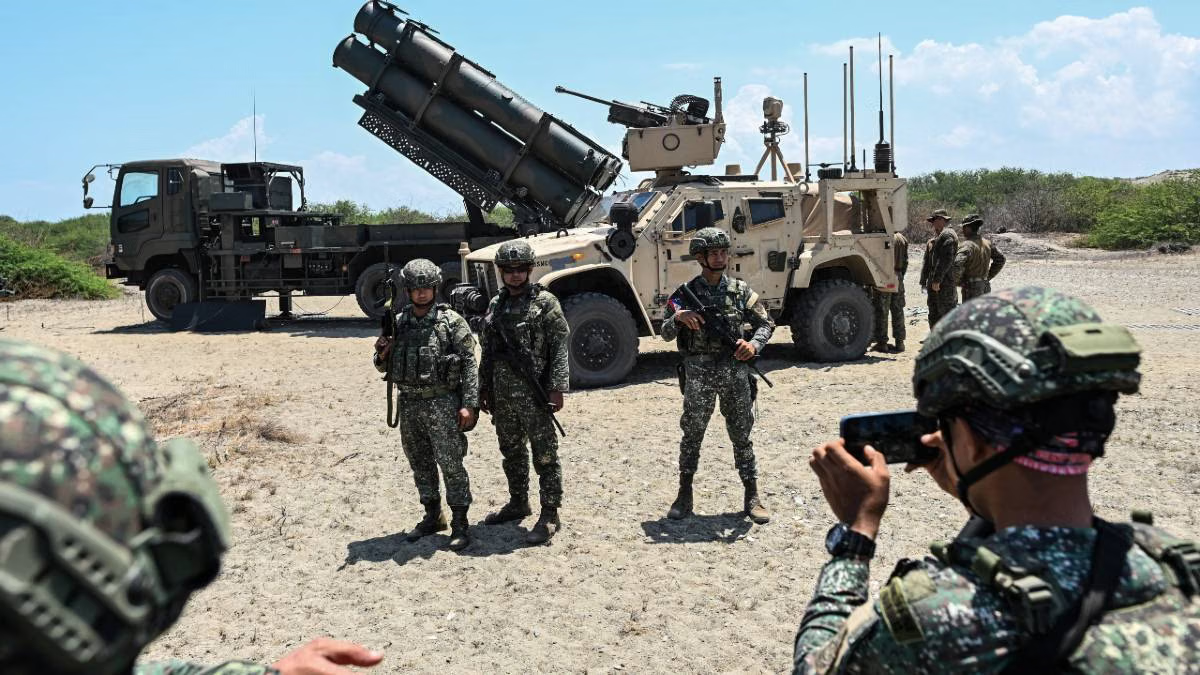
The Balikatan exercises began in 1999 and have since evolved into one of the Indo-Pacific’s largest multinational military drills. Originally bilateral in nature, the drills have expanded significantly over the years in both scale and participation, reflecting changing regional security dynamics.This year’s edition coincided with the 75th anniversary of the US-Philippines Mutual Defence Treaty (MDT), giving the drills additional symbolic and strategic significance. The Philippines hosted the exercise alongside the US, with participation from more than 17,000 troops representing seven countries, including Australia, Japan, Canada, France, and New Zealand.Japan participated as a full-fledged participant for the first time, marking a significant expansion in regional defence cooperation. In addition, 17 countries attended as observers, reflecting strengthening diplomatic ties, a bid for transparency in regional security efforts and growing global interest in Indo-Pacific security and maritime stability.Apart from the MDT, the Philippines and the US maintain the Enhanced Defense Cooperation Agreement (EDCA). Under the EDCA, Manila expanded American access from five to nine Philippine military bases in 2022.Balikatan 2026 marked the 41st edition of the exercises and is widely regarded as the most expansive and operationally complex version to date. Unlike earlier editions focused largely on humanitarian assistance and counterterrorism operations, this year’s drills simulated full-scale combat scenarios.The exercise incorporated maritime security operations, air and missile defence drills, amphibious assaults, joint logistics rehearsals, and integrated command-and-control operations.The operational geography covered Luzon, the Visayas, and Mindanao—strategically important areas close to major maritime flashpoints in the South China Sea and the Luzon Strait.Advanced military systems and concepts were also showcased, including Japanese coastal missile systems targeting mock enemy vessels, US unmanned maritime systems and marine drones, integrated coastal defence operations, and air and missile defence coordination.The significance of Balikatan extends beyond the Philippines and the US. The exercises reflect a broader trend toward enhanced security cooperation among Indo-Pacific nations amid growing concerns over maritime coercion, territorial disputes, and freedom of navigation.Strategically, the exercises reinforce the principle of a “free and open Indo-Pacific” and demonstrate the increasing willingness of regional states to coordinate security efforts.China-Philippines dispute