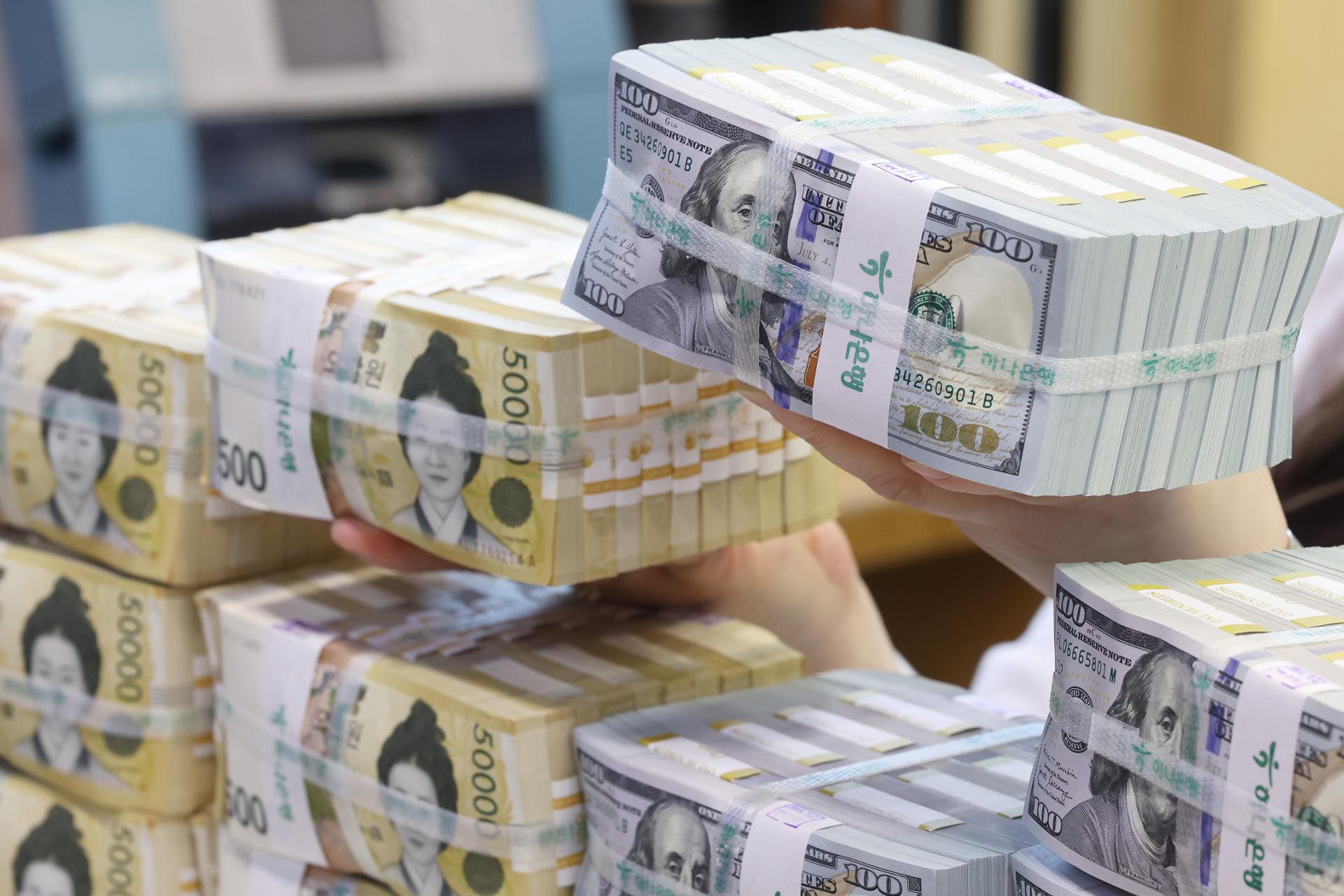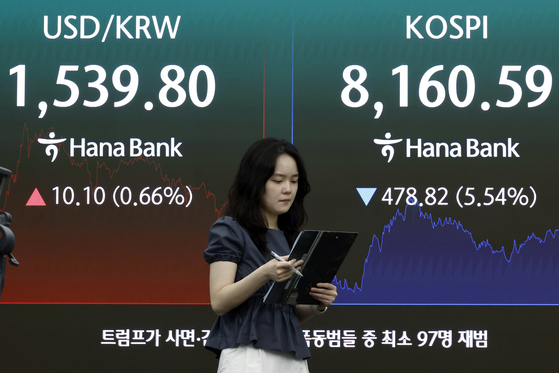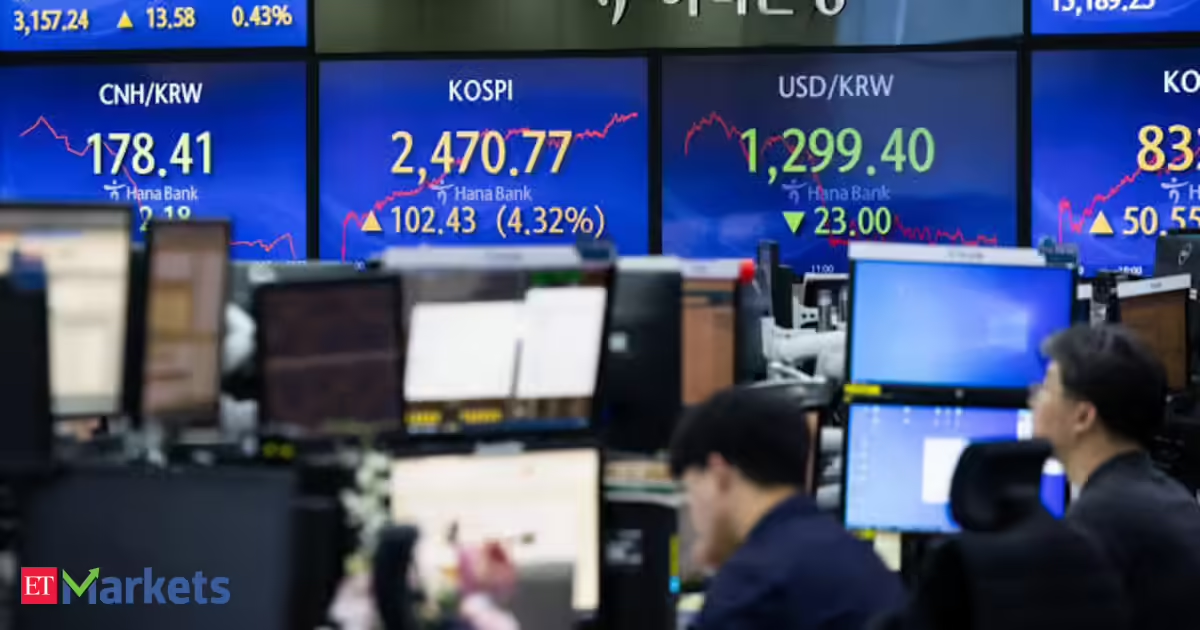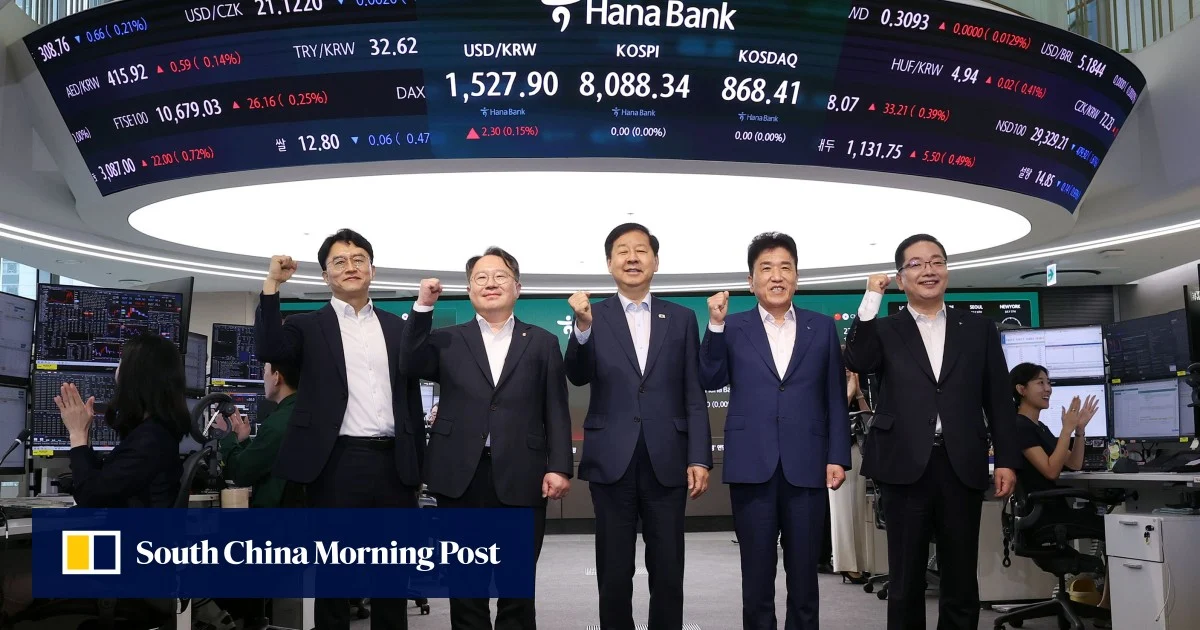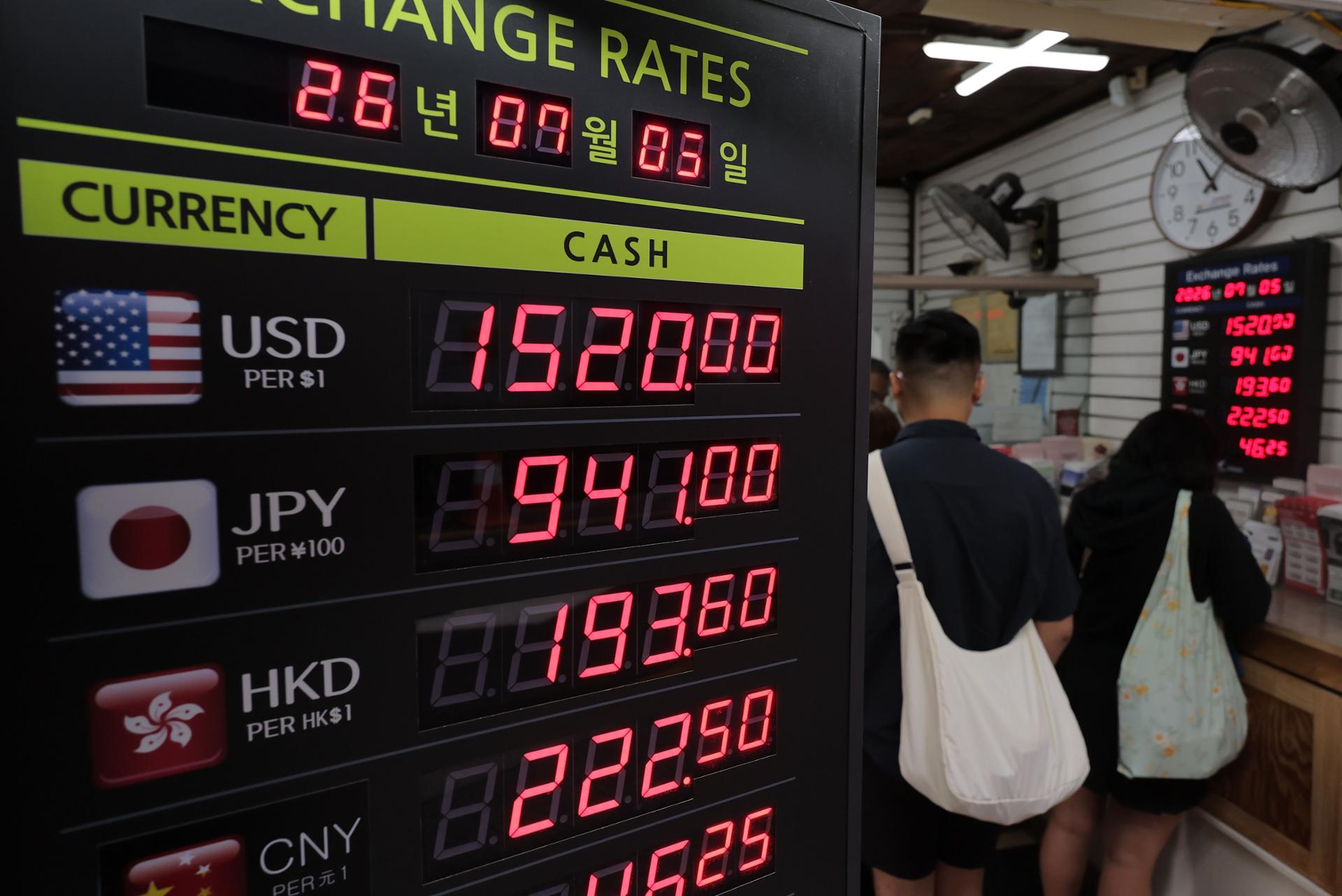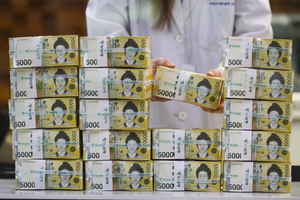
Round-the-clock won-dollar trading aims to boost market access and strengthen MSCI ambitions, but volatility concerns linger 50,000 won bills are displayed at Hana Bank's headquarters in central Seoul. (Newsis) The Korean won is about to lose its bedtime as the country introduces round-the-clock trading of the currency against the US dollar next month.While trading of the won against the greenback, the world's dominant reserve currency, already operates for longer hours than exchanges involving other currencies, it will be extended to run 24 hours on weekdays starting July 6.The extension is expected to improve market accessibility and support Korea's bid to align its financial markets with its peers. But questions remain over whether it will help tame foreign exchange volatility and advance the country's long-standing push for an upgrade on market status by the Morgan Stanley Capital International.Won no longer asleepThe move towards 24-hour won-dollar trading is straightforward: money never sleeps, so why should the forex market?Even after the Korean stock market closes, offshore investors still need to manage their exposure to the won and hedge against currency swings triggered by major global events.With Seoul's onshore won-dollar market closing at 2 a.m., however, their access to the currency remains limited. Instead, they often turn to the offshore non-deliverable forward market to trade won-dollar contracts.Round-the-clock won-dollar trading will allow foreign investors to respond more quickly to global developments. Bringing trading activity previously dispersed across offshore NDF markets into the onshore market could also help improve liquidity and price discovery.Korean retail investors trading US stocks late at night could benefit as well. Rather than being stuck with outdated exchange rates or waiting for the local forex market to open, they will be able to convert currencies at prevailing market prices.Exporters and importers stand to benefit as well. Exchange rates can swing dramatically overnight, particularly when major economic data, central bank decisions or geopolitical developments emerge overseas. Extended trading hours give businesses a way to react in real time.Will it tame market swings?Round-the-clock won-dollar trading could help smooth exchange-rate fluctuations by allowing overseas developments to be reflected in the won in real time.According to a recent report released by the state-run think tank Korea Capital Market Institute, the overnight gap between the previous day's closing rate and the next day's opening rate narrowed by 52.6 percent after won-dollar trading hours were extended in July 2024. The move pushed the market's closing time from 3:30 p.m. to 2 a.m.The report attributed the decline to the market's increased ability to incorporate overseas developments during nighttime trading, rather than pricing them in all at once when the market reopened the following morning.Thinner liquidity during overnight sessions, however, could exacerbate price swings, making the won more vulnerable to abrupt moves.Trading volume is typically lower at night, when demand tends to be limited. As a result, even relatively small transactions can have a greater impact on the exchange rate."The rollout of 24-hour won-dollar trading is expected to further boost spot currency trading volumes," Lim Hye-yoon, an analyst at Hanwha Investment & Securities, said."Yet as the overnight session remains relatively less liquid with modest trading volumes compared to regular trading hours, major political or economic events in key economies, or the entry of offshore speculative flows, could trigger sharp swings."Reality check for MSCI upgradeThe key question now is whether Korea's market reforms will be enough to secure an upgrade from emerging-market to developed-market status by the MSCI.The global index provider has long cited the won's limited offshore convertibility as one of the main obstacles to a reclassification. By extending won-dollar trading to 24 hours, Korean authorities hope to address one of the most persistent concerns raised by foreign investors."Market reforms, including the extension of won-dollar trading hours, are not being pursued solely to achieve an MSCI upgrade," an official from the Finance Ministry said. "But, of course, an upgrade would be welcome, as it could attract additional passive fund inflows into the Korean market."The MSCI is set to announce a reclassification in June. If Korea makes it on the watchlist this year, the index provider would announce its reclassification in June 2027, with the actual inclusion coming a year later."There is little more Korea can do in terms of qualitative reforms. The rest is a waiting game," said Yi Jun-seo, professor of economics at Dongguk University.
A sleepless Korean won: Will 24-hour trading pay off?
The Korean won is about to lose its bedtime as the country introduces round-the-clock trading of the currency against the US dollar next month. While trading of
717 words~3 min read