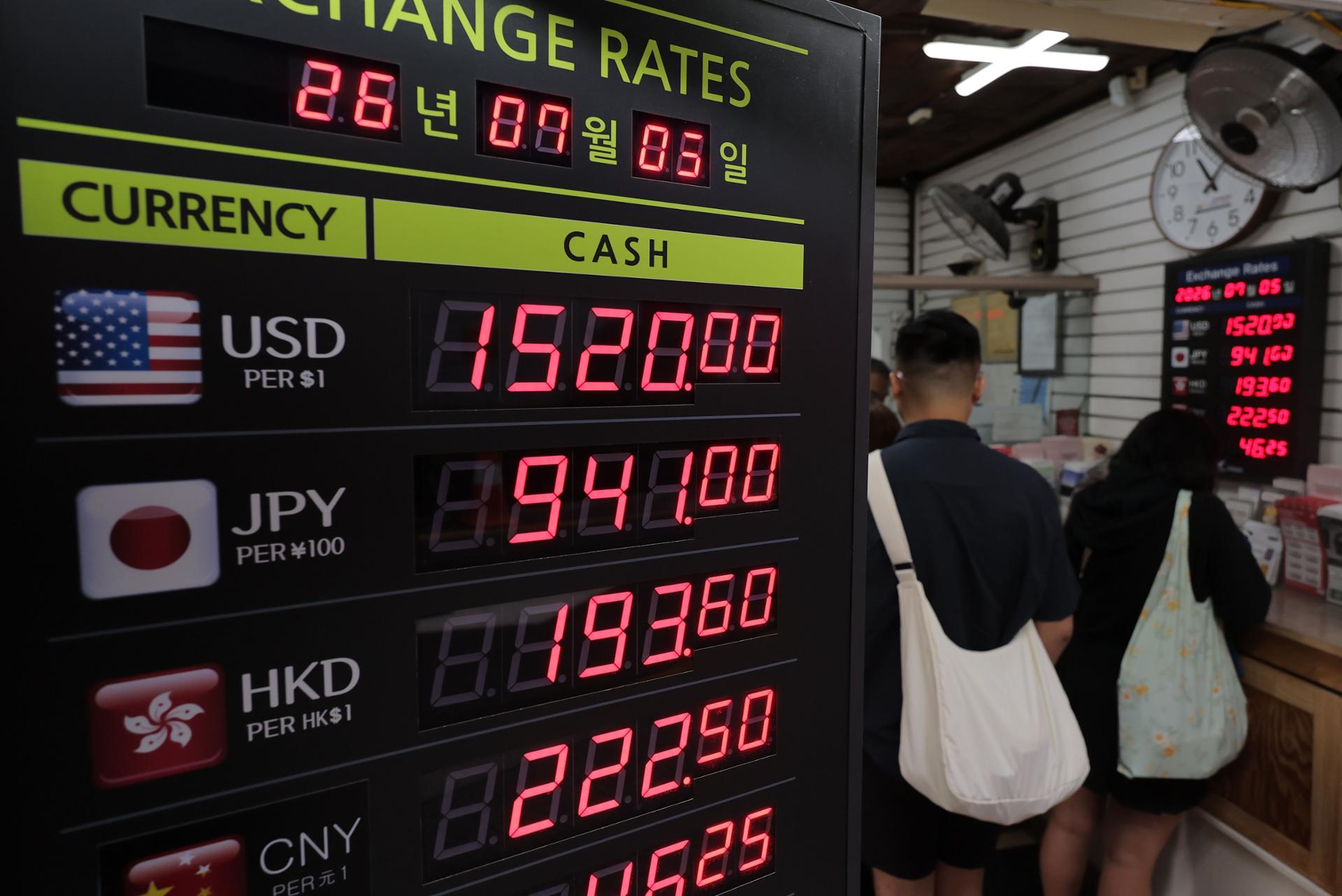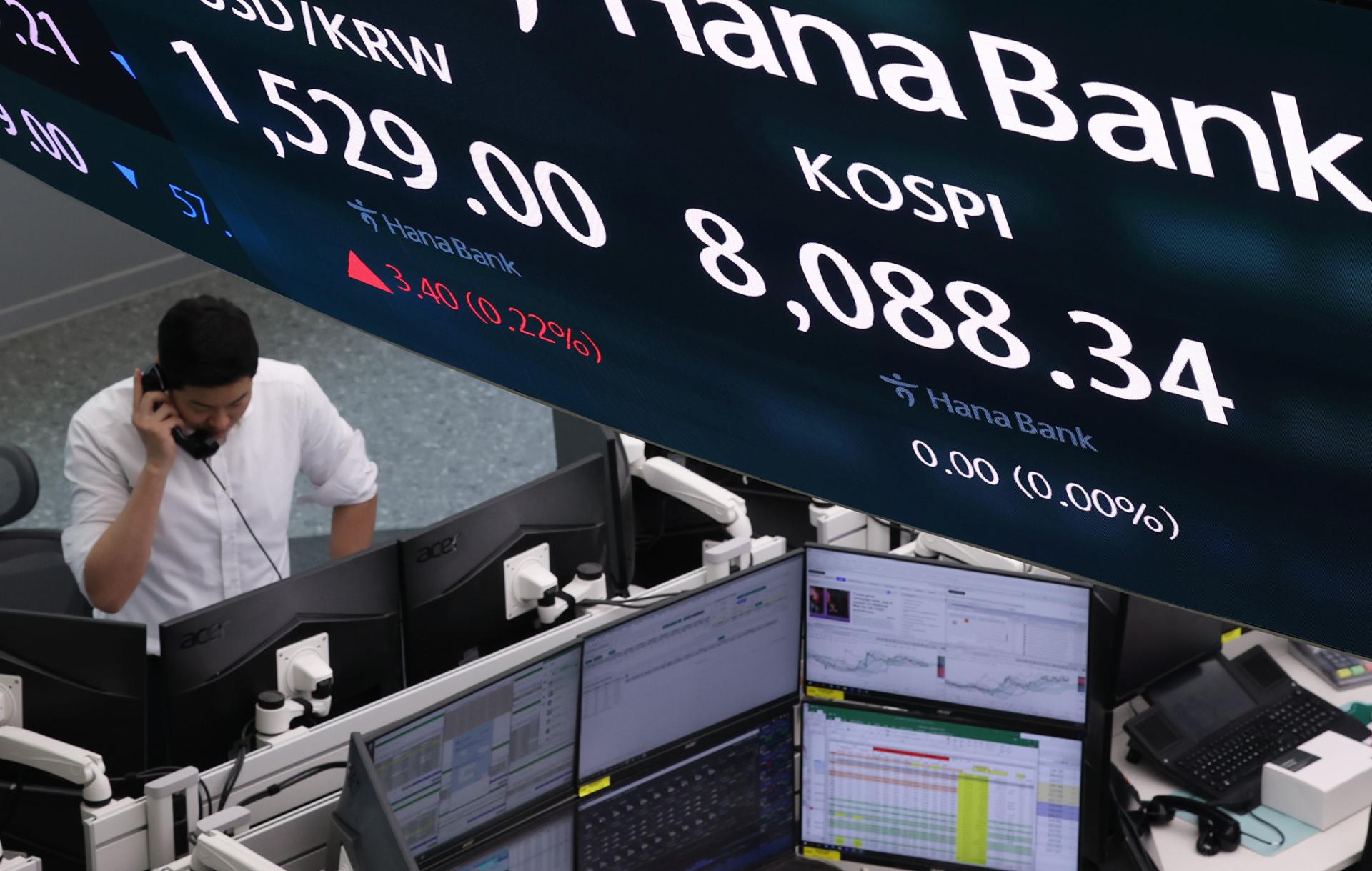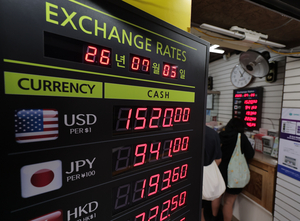
Longer trading hours aim to boost foreign access, reduce reliance on offshore pricing, but questions remain over overnight liquidity An electronic board at a currency exchange store in Myeong-dong, central Seoul, shows the won trading at 1,520 per dollar on Sunday. (Yonhap) South Korea's dollar-won spot market will move to near-24-hour trading from Monday, in Seoul's latest effort to bring more won trading onshore and open up one of Asia's most tightly managed currency markets.The shift is expected to improve foreign investors' access to won trading and reduce reliance on offshore pricing. But it will also test whether Korea's onshore market has enough overnight liquidity to absorb global shocks smoothly.Here is what to know about the key changes, expected benefits and potential risks.What changes from Monday?Dollar-won trading will shift to a near-24-hour structure from the current extended-hour system. During New York daylight saving time, the market will run from 6 a.m. Monday to 6 a.m. Saturday in Korea. Outside daylight saving time, trading will run from 7 a.m. Monday to 7 a.m. Saturday.The market will close on weekends and Jan. 1, but trading will be allowed on domestic holidays, with settlement still taking place on bank business days.Trading between the won and currencies other than the US dollar will continue under the current hours: 9 a.m. to 3:30 p.m.The current 3:30 p.m. reference rate and market average rate will remain in place for now, but authorities plan to gradually shift benchmark calculations to a time-weighted method to reflect longer trading hours.Why now?The reform is aimed at improving foreign investors' access to won trading, a long-running weak spot in Korea's push to move closer to developed-market standards.It follows steps taken in July 2024, when Korea extended onshore trading hours from the traditional 9 a.m.-to-3:30 p.m. session to 2 a.m. the following day, allowing the market to cover London hours. Registered foreign financial institutions have also been allowed to directly participate in the onshore market.Still, foreign investors have continued to rely heavily on the offshore non-deliverable forward market to manage won exposure after Seoul's market closes. Hanwha Investment & Securities noted that NDFs still account for around 80 percent of won forward trading, far above the global average of 21 percent.MSCI's latest decision not to place Korea on its developed-market watchlist again underscored the hurdles, with the index provider citing the won's lack of offshore deliverability and insufficient onshore FX liquidity during extended trading hours.What are the benefits?Smoother price adjustment is the main benefit. When the onshore market is closed, overseas news and dollar moves can accumulate and hit the won at the next opening. Longer trading hours allow those shocks to be reflected more gradually.The first phase of extended trading has already helped increase activity. In the year after Korea extended FX trading hours in 2024, average daily spot trading volume rose 45 percent from the previous five-year average, according to a Korea Capital Market Institute report citing government data.Kang Hyun-joo, a senior research fellow at KCMI, wrote that the extension "substantially eased gap risk" by allowing overnight information to be reflected more continuously.The change could also help companies manage currency risk. Hanwha Investment & Securities said more continuous pricing would allow exporters and importers to build hedging strategies without being caught off guard by sharp moves at the morning open.Will it move the won?The new system changes how the won is traded, but not the fundamentals driving it.Despite the 24-hour FX launch, KB Securities analyst Oh Jae-young projected the won could weaken from its current level of around 1,530 per dollar in the second half of 2026 if a broader dollar rebound continues and Korea's FX supply-demand imbalance deepens."The biggest variable is the scale of potential future outflows from foreign investors in the Korean stock market," Oh said.The bigger question is how the won absorbs shocks once trading moves into thinner overnight hours. Hanwha Investment & Securities analyst Choi Gyu-ho said the shift makes risk management more important than short-term direction bets."The trading-hour extension itself did not increase volatility," Choi said. "Rather, macro shocks combined with thin overnight liquidity, a microstructural feature, raised the volatility felt by market participants."Ahead of the change, Second Vice Finance Minister Huh Chang said Thursday that authorities are ready to act if currency moves become detached from fundamentals, saying, "We will immediately take necessary market-stabilizing measures in case the exchange rate deviates from fundamentals and one-sided moves intensify."
What to know about Korea's near-24-hour won market
South Korea's dollar-won spot market will move to near-24-hour trading from Monday, in Seoul's latest effort to bring more won trading onshore and open up one o
734 words~3 min read