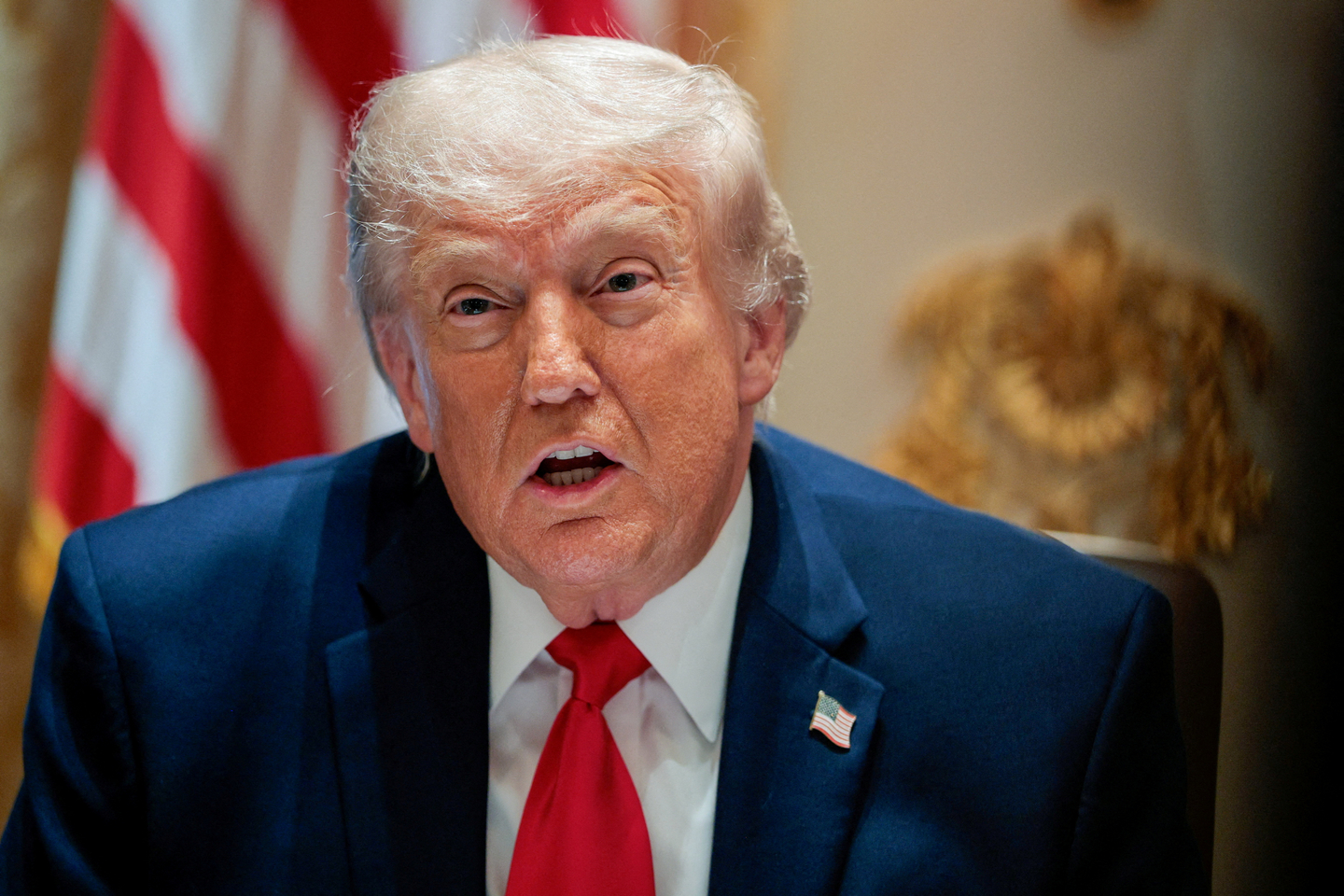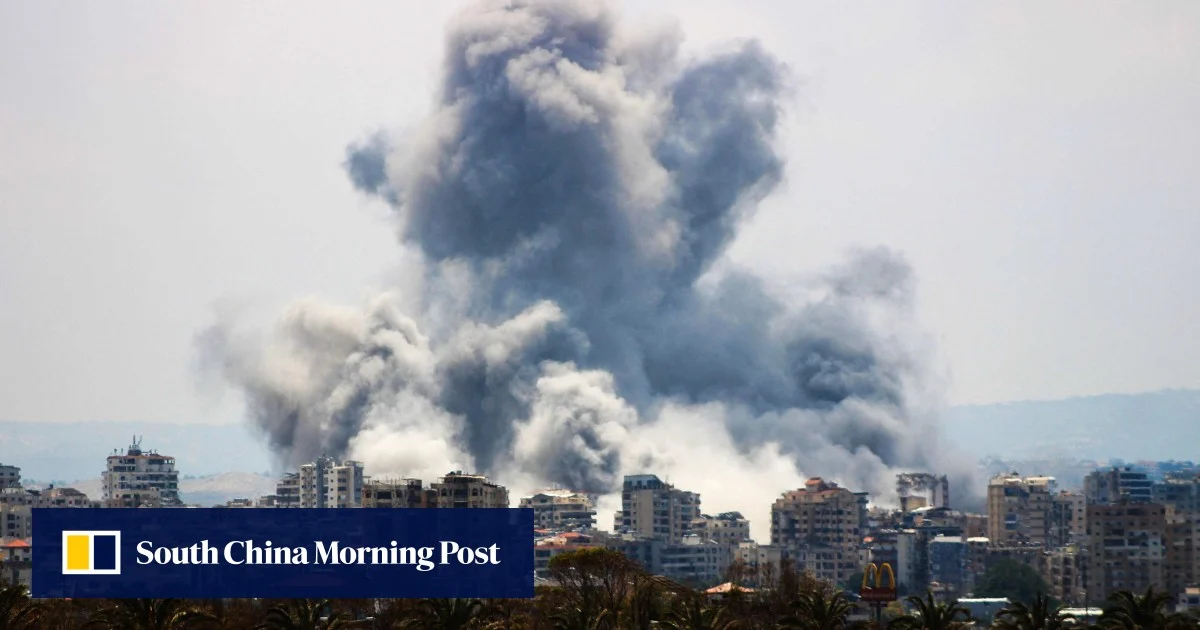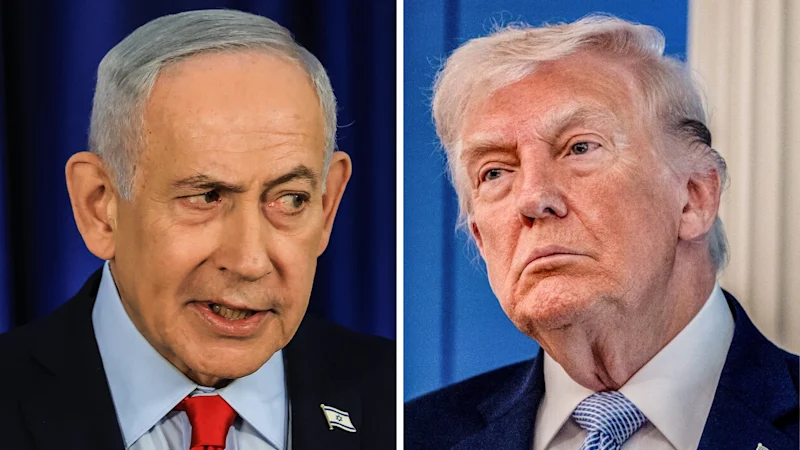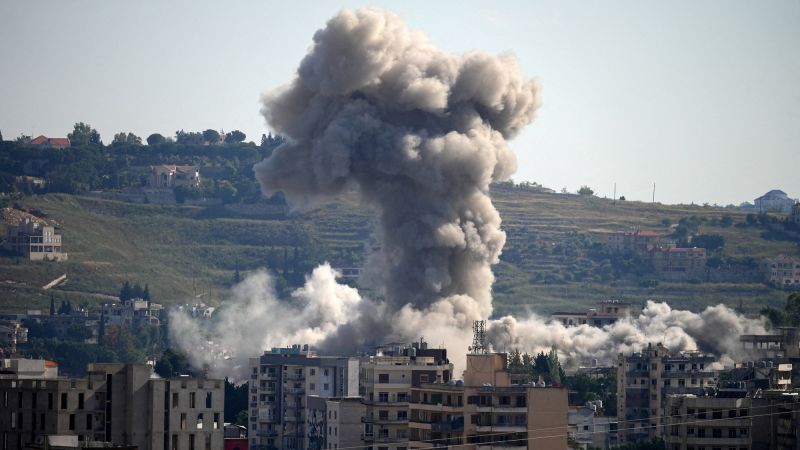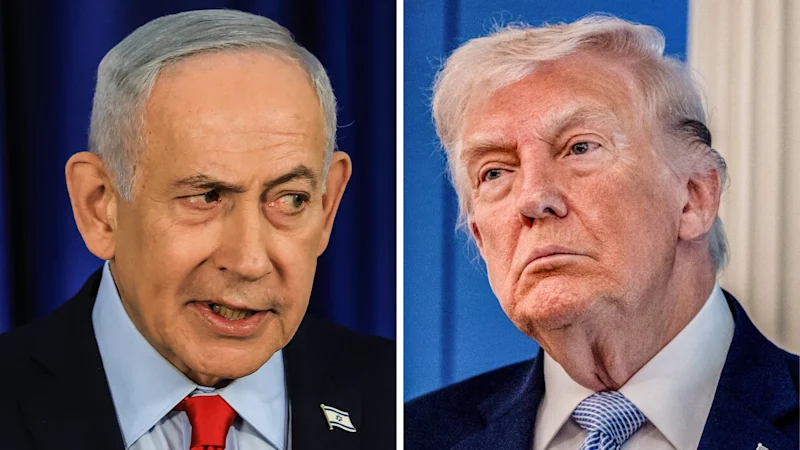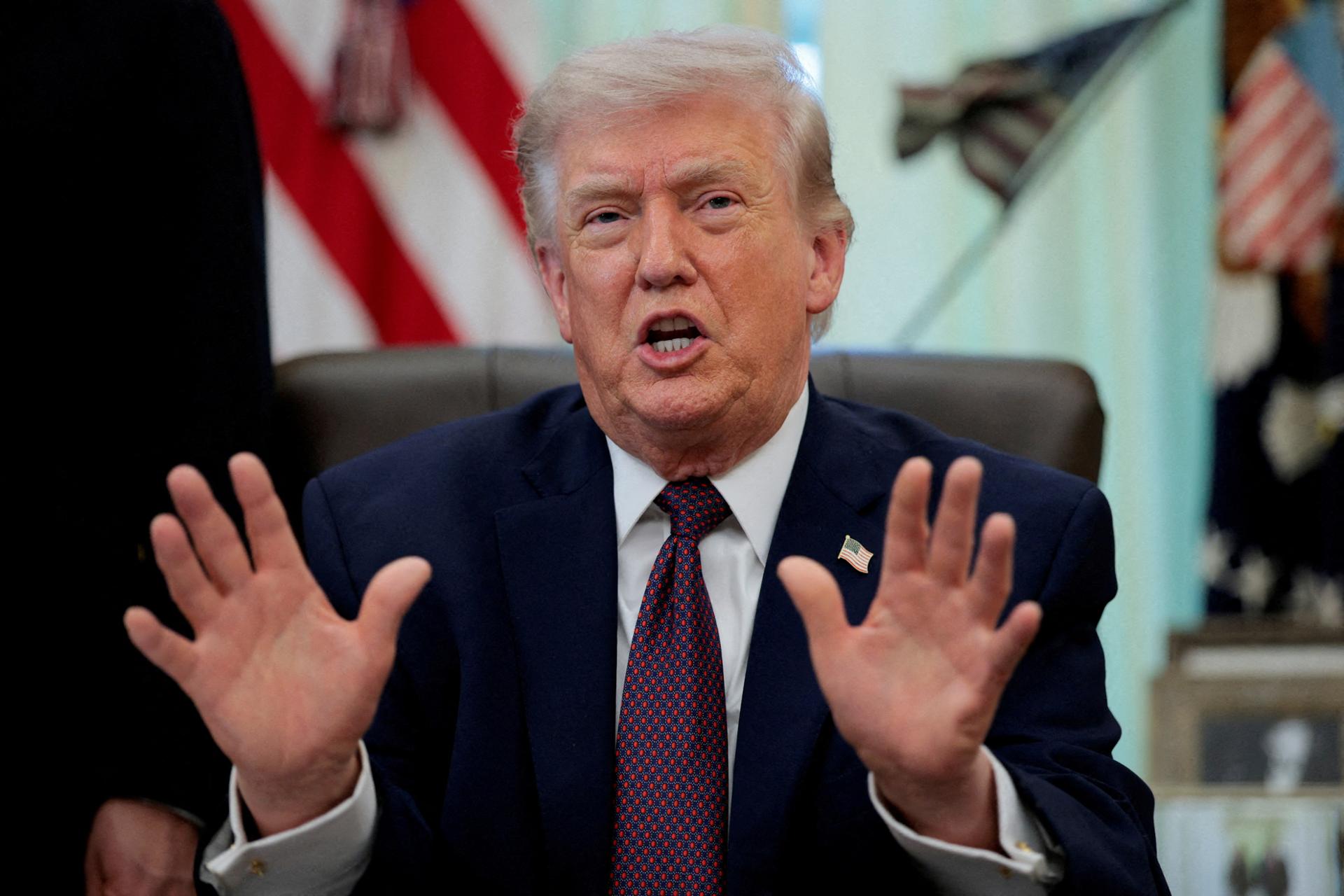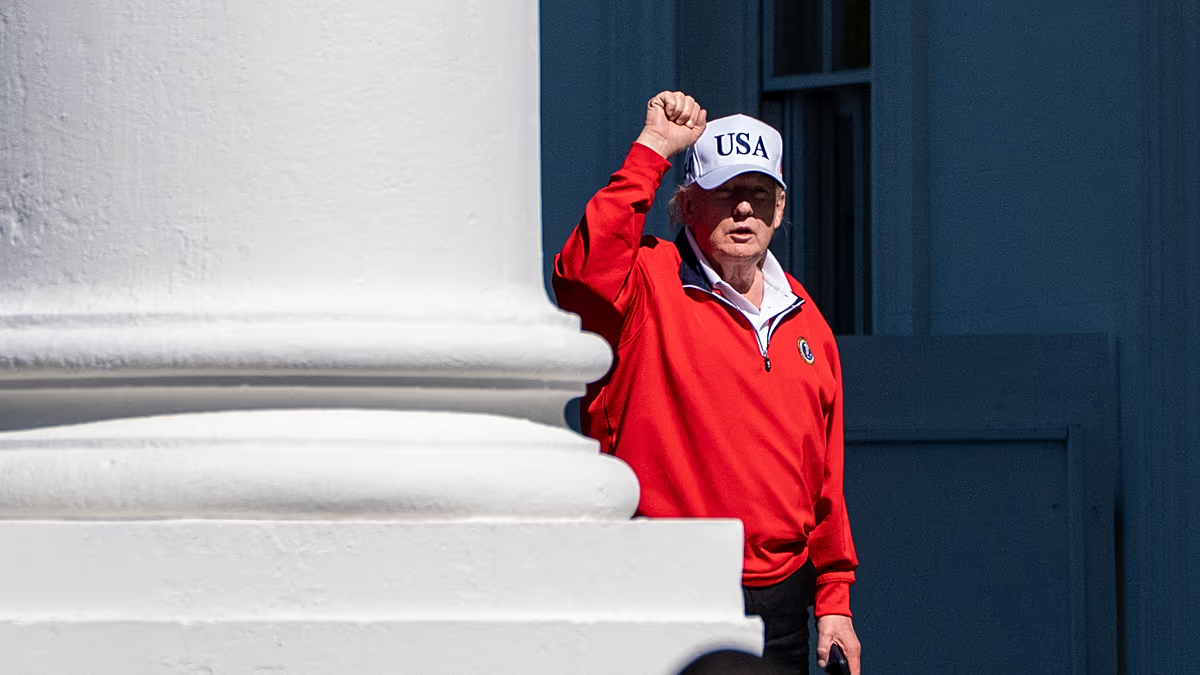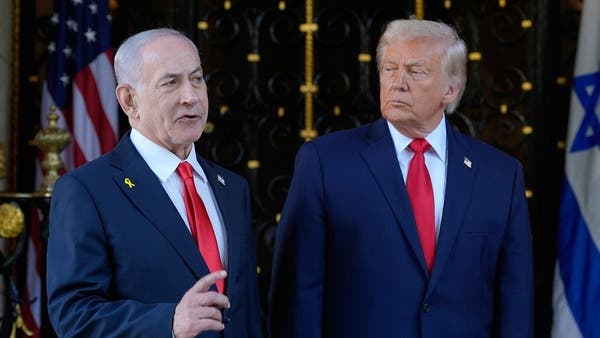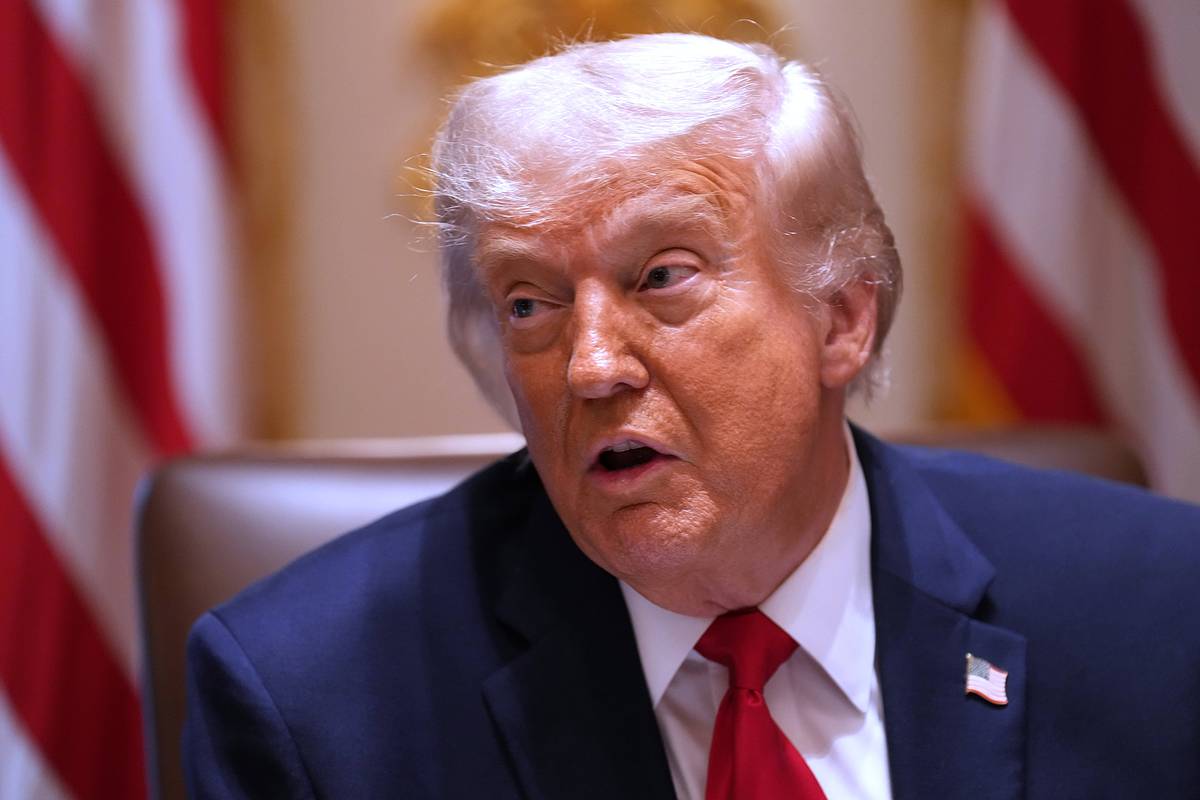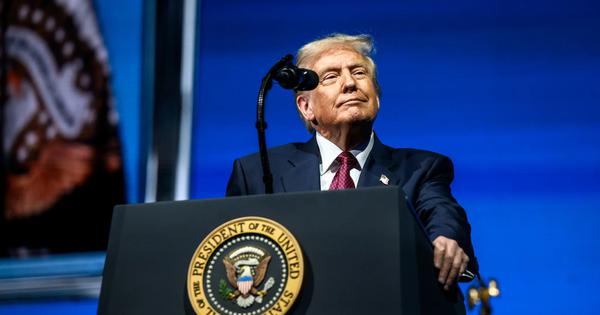
United States President Donald Trump on Monday said that peace talks with Iran were continuing “at a rapid pace”, a day after Iranian media reported that Tehran had suspended negotiations in response to Israel’s military actions in Lebanon.In a social media post, Trump said that he had spoken to Israeli Prime Minister Benjamin Netanyahu and asked him not to carry out a major raid on Beirut. He claimed that Netanyahu had “turned his troops around”.Trump also said he had spoken, through representatives, with Hezbollah leadership and that both sides had agreed to stop hostilities.“Let’s see how long that lasts – hopefully it will be for eternity,” the US president added.Netanyahu said that while he had spoken to Trump, Israel would continue to strike targets in Beirut if Hezbollah did not stop attacking Israeli cities and citizens, adding that “this stance of ours remains unchanged”.He added that the Israel Defense Forces would continue operations in southern Lebanon as planned.Meanwhile, Axios reported that tensions between Trump and Netanyahu escalated during an “expletive-laden” phone call on Monday after Israel announced plans to expand military operations in Lebanon, including strikes on Beirut’s southern suburbs.Quoting US officials and another person briefed on the conversation, Axios reported that Trump criticised Netanyahu, calling him “crazy” and accusing him of ingratitude.The report also claimed that Trump told the Israeli leader that “everybody hates you now”.This came a day after Iran signalled that Tehran will halt “talks and the exchange of texts through a mediator” over the escalation in Lebanon.Separately, Mohsen Rezaee, an adviser to Iran’s supreme leader, wrote on social media that “the patience of the armed forces … has its limits”.Iranian Foreign Minister Abbas Araghchi also said that any ceasefire arrangement involving the US “unequivocally” included Lebanon and warned that Washington and Israel would “bear responsibility for the consequences of any breach of the truce”.Despite Trump’s comments that talks were progressing, Iran’s parliamentary speaker and chief negotiator with the US, Mohammad Bagher Ghalibaf, warned on Tuesday that Tehran could halt dialogue if Israel’s military operations in Lebanon continued.The warThe US and Israel launched an attack on Iran on February 28, claiming that Tehran’s action posed an existential threat to Israel. Washington acts as a guarantor of Israel’s security. Iran retaliated by striking Israel and US military bases in the region, targeting major cities in Gulf countries and ships.Tehran also effectively blocked the Strait of Hormuz, the narrow waterway connecting the Gulf to the Arabian Sea, for most international commercial vessels, triggering a global energy crisis.After Washington and Tel Aviv attacked Iran on February 28 and killed Iranian Supreme Leader Ali Khamenei, Hezbollah launched an attack on Israel in retaliation on March 2.The peace talks between Iran and the US held in Islamabad, Pakistan, collapsed on April 12, but the ceasefire that began on April 8 has largely held so far. A separate US-brokered ceasefire between Israel and Lebanon began on April 17.During the ceasefire, Iran has maintained controls on Gulf shipping while the US Navy has sought to blockade Iranian ports.Israel has been claiming that Iran is close to obtaining a nuclear weapon, which could alter the regional security balance. Tehran has long maintained that its nuclear programme is for civilian purposes.Edited by Tanya Shrivastava.
Iran war: Trump says talks moving ‘rapidly’ as Tehran threatens to suspend dialogue over Lebanon
Tel Aviv would continue to strike targets in Beirut if Hezbollah did not stop attacking Israeli cities and citizens, PM Benjamin Netanyahu said.
TL;DRAI
Trump claims Iran-US peace talks progress rapidly despite Iran's suspension over Israeli escalation in Lebanon and Strait of Hormuz blockade. Energy crisis from Hormuz disruption directly impacts cloud infrastructure costs and semiconductor supply chain stability.
538 words~2 min read