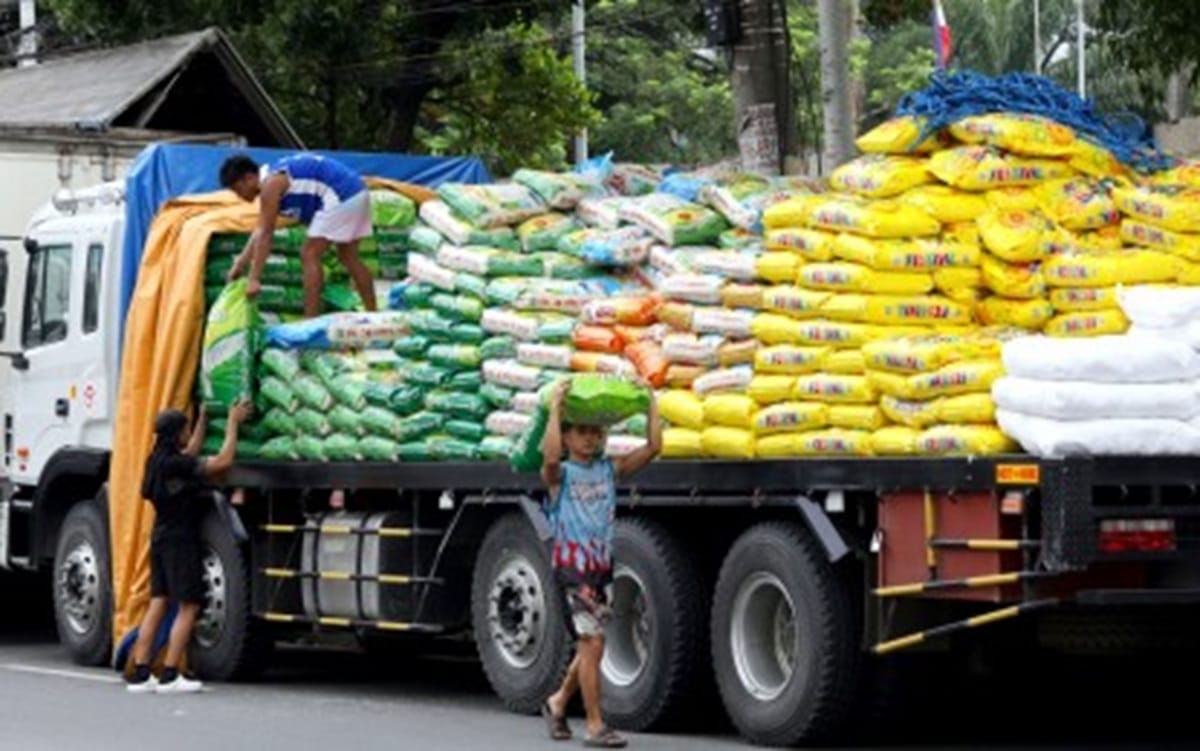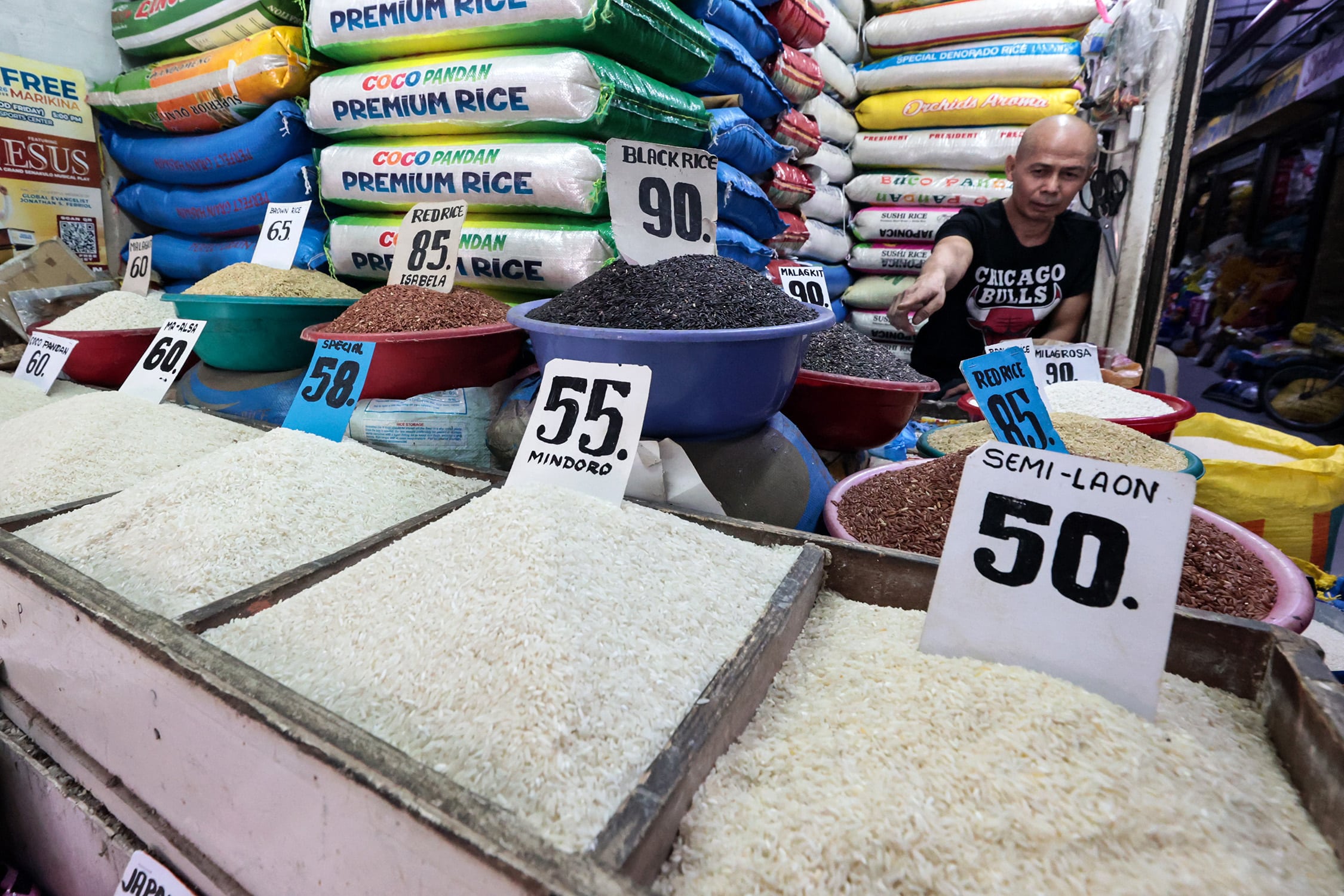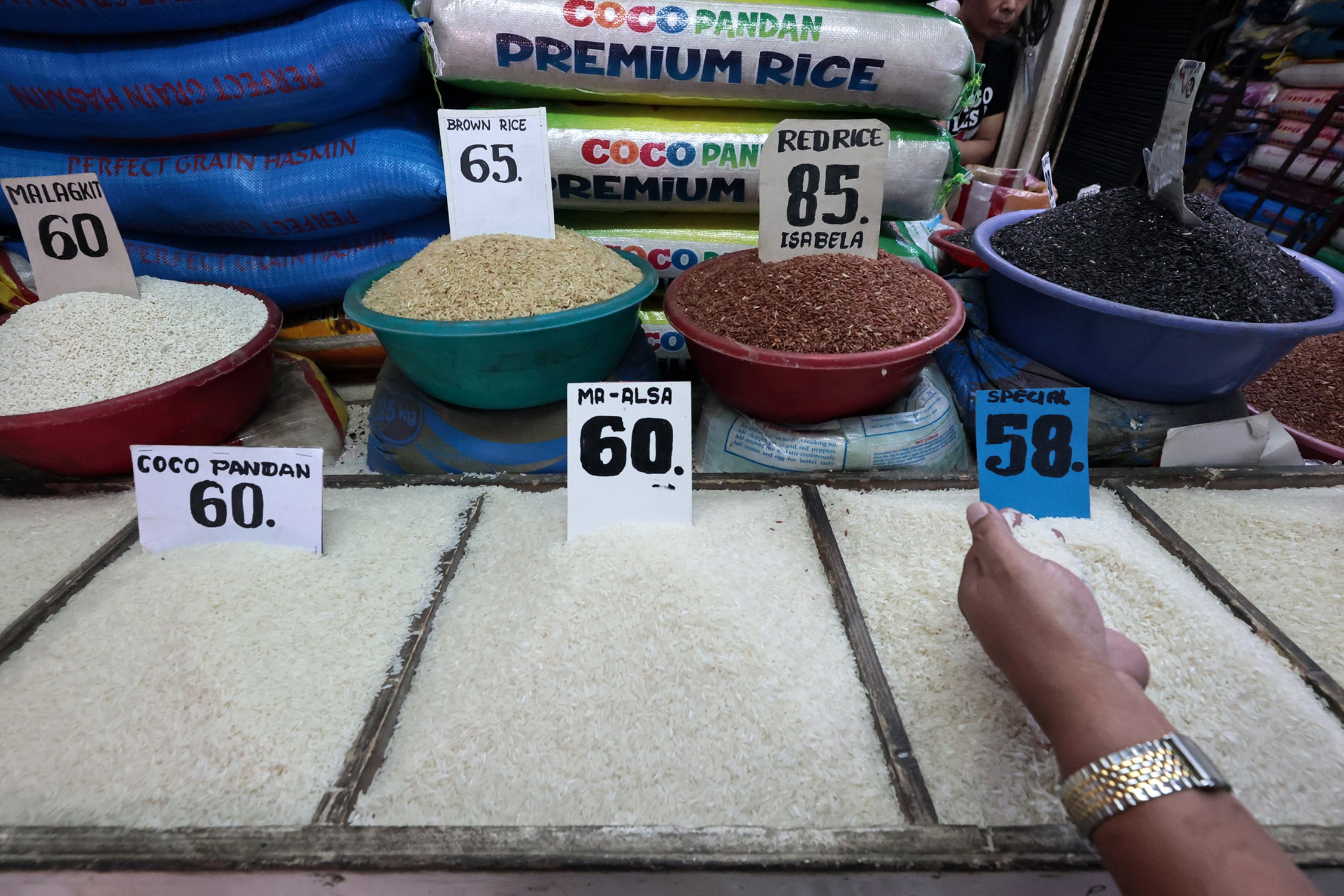
Early this year, Agriculture Secretary Francisco P. Tiu-Laurel, Jr. announced a policy of setting a maximum volume of rice imports monthly. Following the ban on rice imports carried out from September to December 2025 under Executive Orders No. 93 and 102, the good Secretary’s measure would presumably shield Filipino farmers from a recurrence of severe drops in farm gate prices resulting from the massive surge of imported rice last year.
At the same time, enough imported rice would be allowed to stabilize overall supply and prices of the country’s staple.
To operationalize the system, the Secretary created a technical working group (TWG), reportedly chaired by President Joseph Rudolph C. Lo of Food Terminal, Inc. (FTI) and with the heads of the Department of Agriculture’s (DA) rice industry development program, National Food Authority (NFA), Bureau of Plant Industry (BPI), Philippine Rice Research Institute (PHILRICE), Philippine Rice Importers Association (PRIA), and Philippine Rice Industry Stakeholders Movement (PRISM) as members.
Major rice farmers’ organizations were noticeably missing from the TWG.
Rice import quotas were set initially at 300,000 metric tons (MT) each for January and February, and 150,000 MT in March, for a total of 750,000 MT. These were to be allocated to qualified importers on the basis of their average import performance in 2023, 2024 and 2025. They would then be issued the proper sanitary and phytosanitary import clearances (SPSICs) by BPI.