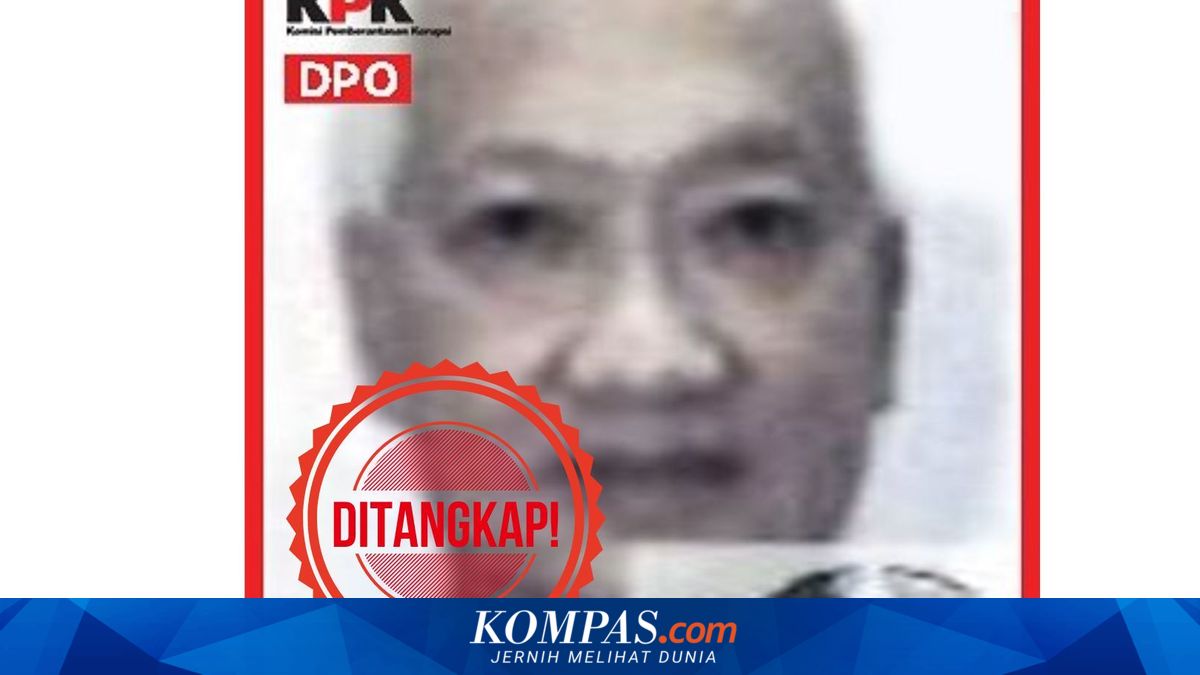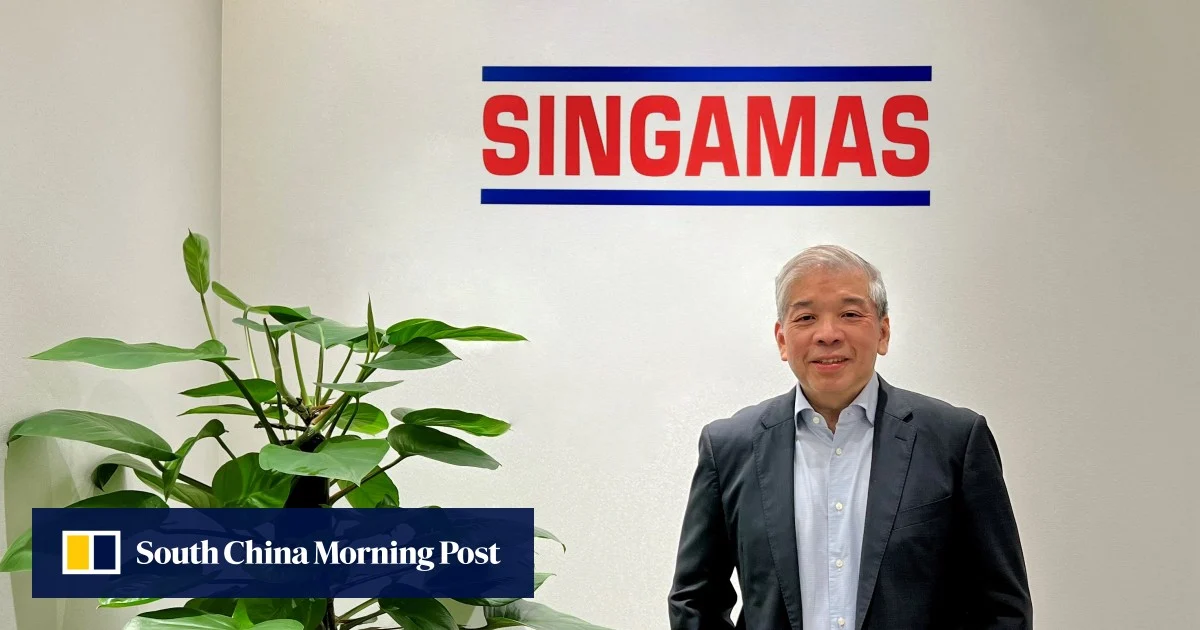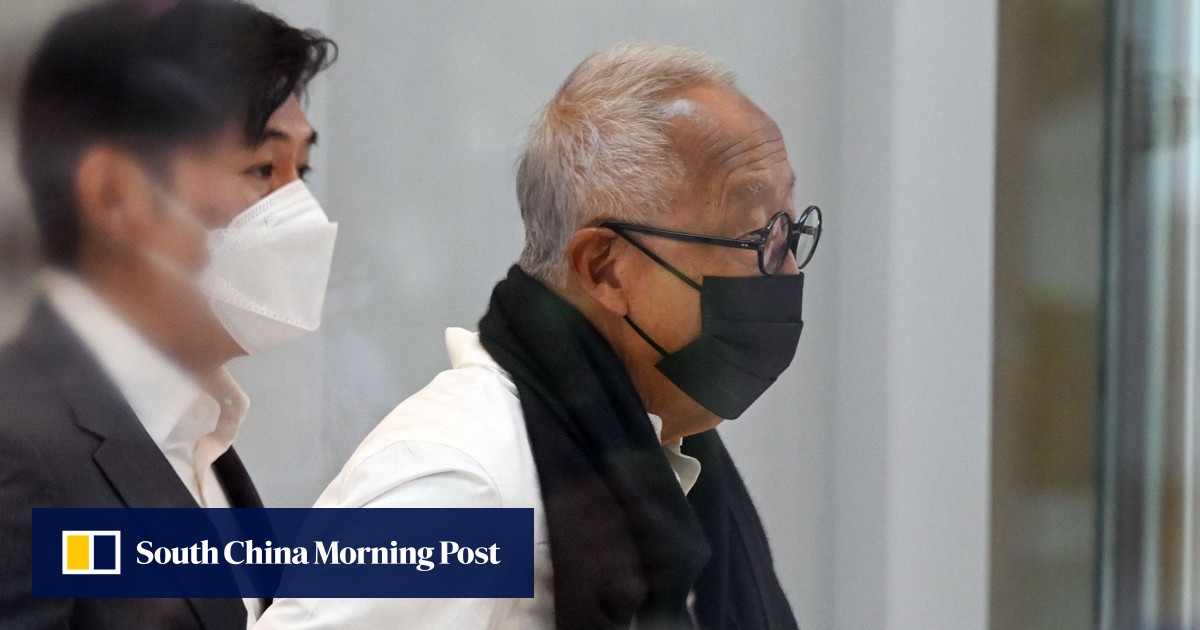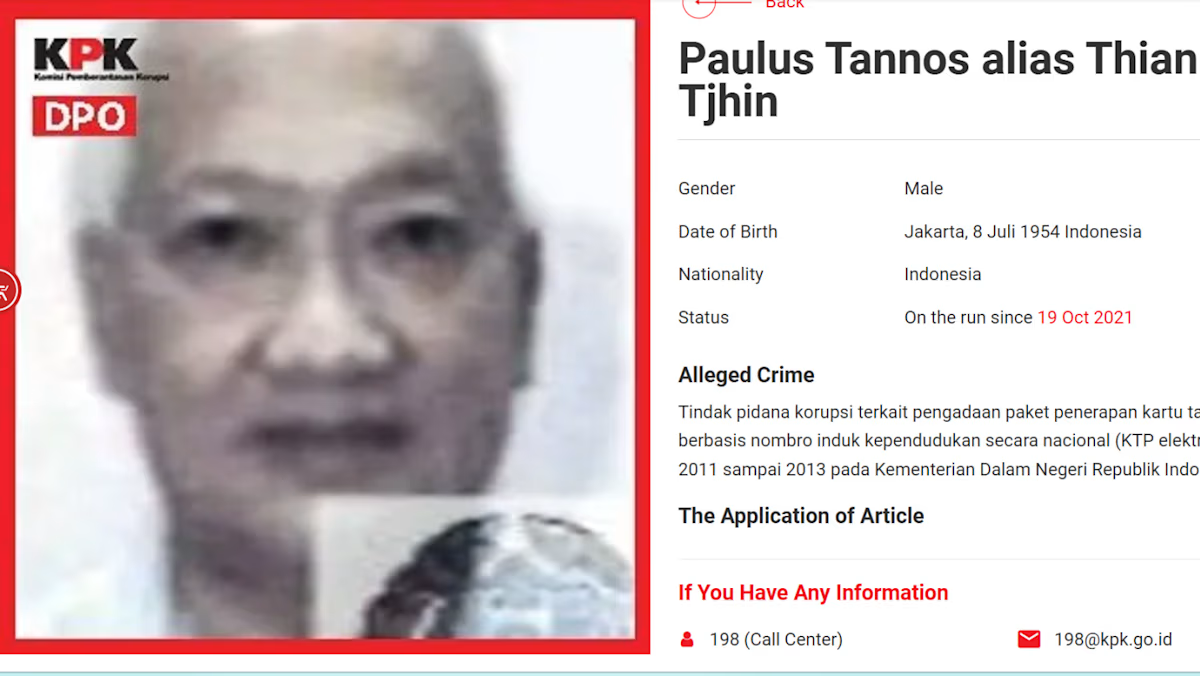
SINGAPORE: Singapore's High Court has dismissed an application by Indonesian businessman Paulus Tannos to challenge a decision that set in motion proceedings seeking his extradition to Indonesia over his alleged role in a major corruption case.In a judgment issued on Friday (May 29), Justice Aidan Xu ruled that Tannos, 71, had failed to establish a sufficient basis to allow a judicial review of a decision by Singapore's Law Minister to proceed with Indonesia's extradition request.Tannos, a Singapore permanent resident, is wanted by the Corruption Eradication Commission of Indonesia (KPK) for his alleged role in a corruption scheme linked to the country's electronic identity card project, or e-KTP project.He is said to have been involved in the payment of bribes to secure a tender for the e-KTP project for a consortium of which he was president director of one of the companies. He is also alleged to have participated in the payment of bribes to Indonesian government officials after the tender was awarded.The alleged graft is said to have caused losses of about 2.3 trillion rupiah (US$129 million) to the Indonesian state. This is alleged to have occurred between 2010 and 2013.Tannos was arrested by Corrupt Practices Investigation Bureau officers in Singapore on Jan 17, 2025, following a request from Indonesia, and has been in custody since then.Singapore received a formal extradition request on Feb 24, 2025. On Mar 18, 2025, the Singapore Law Minister issued a notice that Indonesia had requested Tannos' surrender, under the Extradition Act.TANNOS' ARGUMENTSTannos was represented by lawyers Suang Wijaya, Hamza Zafar Malik and Faraaz Amzar Mohamed Farook from Eugene Thuraisingam Asia. Acting for the state were State Counsels Vincent Leow, Sivakumar Ramasamy, Kenneth Chua, Sarah Siaw and Emily Zhao from the Attorney-General's Chambers. Tannos argued that the notice was in breach of the Extradition Act because the request did not comply with requirements under the Singapore-Indonesia extradition treaty.As part of his arguments, Tannos said that supporting documents for the request, including witness statements and an arrest warrant, were defective.On this, Justice Xu found that the Indonesian Attorney-General's certification complied with treaty requirements, that the request was accompanied by an authenticated arrest warrant, and that statements from Indonesian investigators were sufficient. Tannos also contended that the Law Minister had acted unlawfully by failing to seek representations from him, failing to give reasons for his decision to issue the notice, and failing to consider other factors such as the passage of time since the alleged offences.For this, Tannos relied on a provision in Singapore's Extradition Act which states that the minister must not issue an extradition notice if he is satisfied that, because of the passage of time since the alleged offence, it would be "unjust, oppressive or too severe a punishment" to surrender the fugitive.He argued that the minister failed to explain why the passage of time since the alleged offences did not make it "unjust, oppressive or too severe a punishment" to surrender him, given that a decision to issue the notice directly affected a fugitive's personal liberty.However, the High Court Judge said that the minister's decision to issue the notice did not directly result in a loss of personal liberty. Justice Xu agreed with the state's argument that the minister's decision to issue a notice was only a preliminary step in the extradition process, rather than a determination on whether Tannos should be extradited.He agreed with the state that the extradition hearing would then decide if Tannos should be committed to prison to await the warrant for his surrender.He referred to the affidavits provided by one of the Law Minister's staff, Mr Neo Eng Hong, who had helped to process the extradition request.Mr Neo's affidavits stated that the minister had taken into account the facts before him, including that the limitation period to prosecute Tannos in Indonesia would expire in a few years. He had also considered that Tannos' extradition was sought for a serious offence and that Indonesia had not delayed in seeking his extradition."Given this, the applicant’s argument that the respondent has failed to provide a meaningful explanation of the minister’s reasoning is meritless," said Justice Xu.Justice Xu also rejected Tannos' argument that the minister was required to seek representations from him before issuing the notice, in part because doing so would warn fugitives of their impending arrest and give them an opportunity to flee.The judge concluded that the evidence before him did not disclose a prima facie case warranting judicial review.Tannos also sought a review of his detention, contending that the extradition request was not valid or that it was not fulfilled within a specified reasonable time.He argued that under the conditions of the extradition treaty, his detention was unlawful as he ought to have been released within 45 days of his provisional arrest.However, given Justice Xu's findings that Tannos had failed to make out a prima facie case that the extradition request was invalid, the judge dismissed the application for an order for review of detention.Tannos' extradition hearing at the State Courts is ongoing.
Singapore High Court dismisses Indonesian fugitive Paulus Tannos' bid to challenge extradition process
The High Court ruled that businessman Paulus Tannos had failed to establish a sufficient basis to allow a judicial review of a decision by Singapore's Law Minister to proceed with Indonesia's extradition request.
TL;DRAI
Singapore High Court upholds Indonesia's extradition request for Paulus Tannos, 71, over e-KTP corruption scheme (2010–13) causing 129M USD in losses. Precedent signals international extradition treaties override procedural defenses—implications for enterprises managing cross-border governance and regulatory compliance.
834 words~4 min read