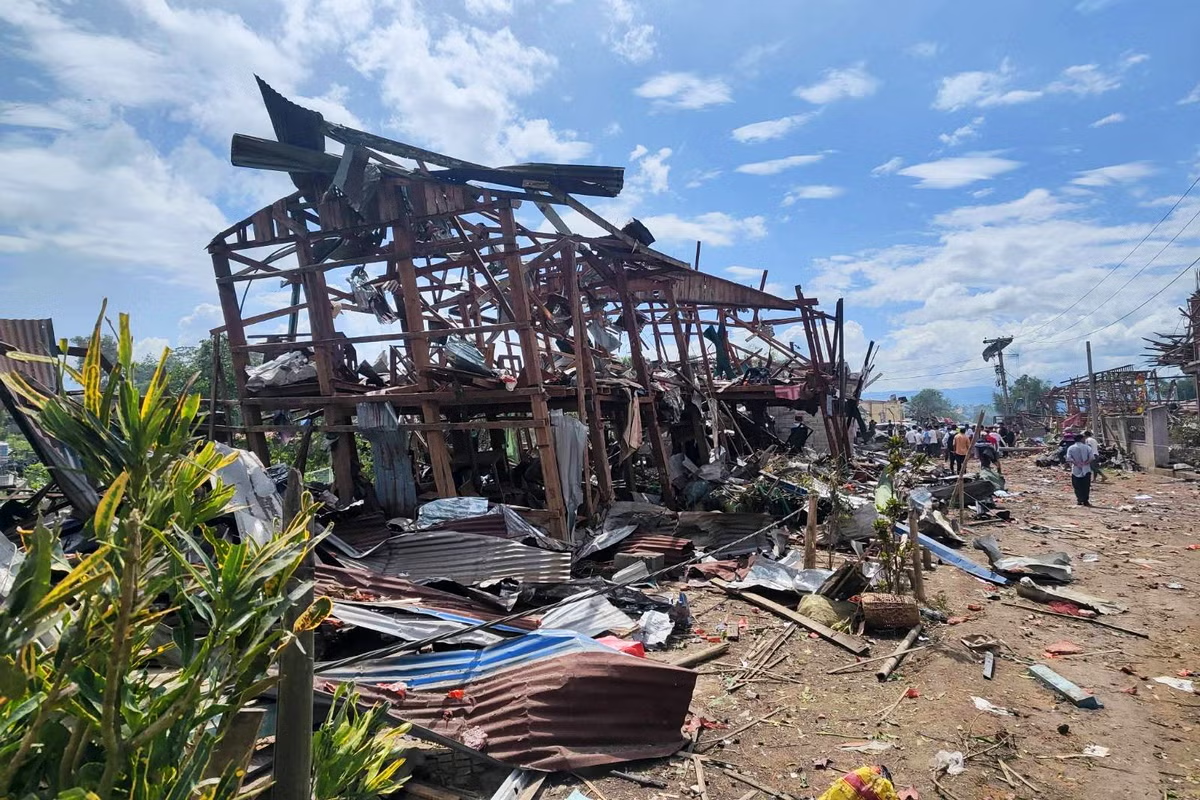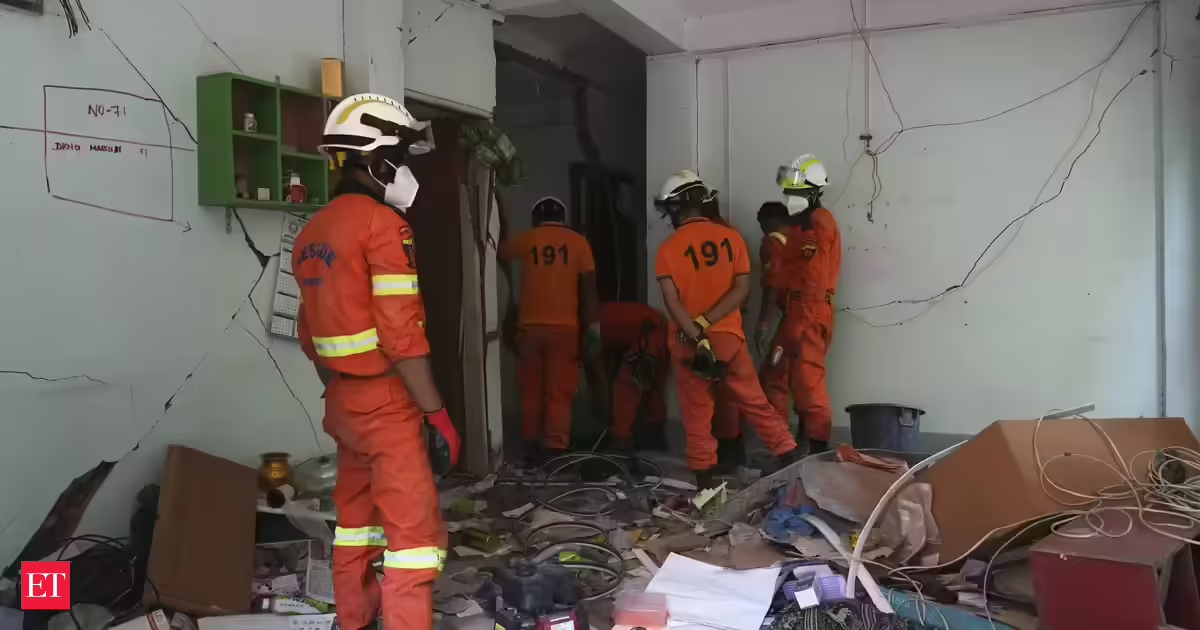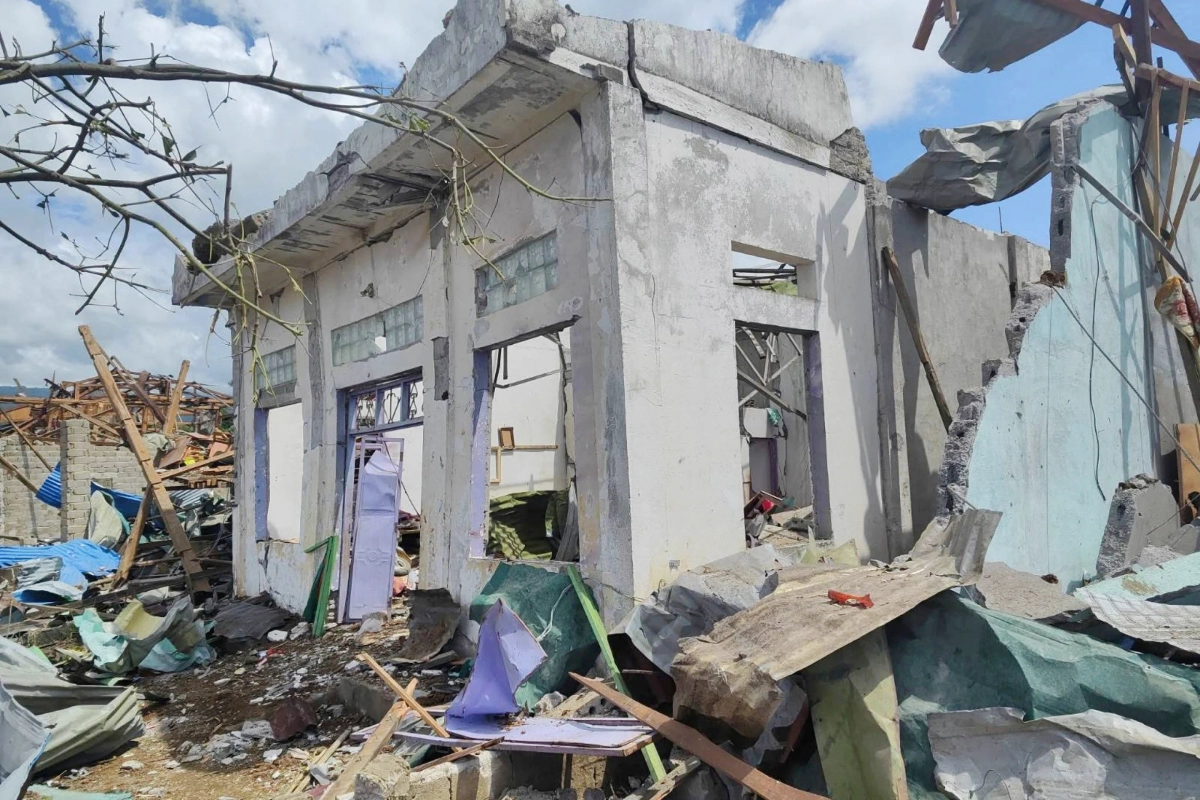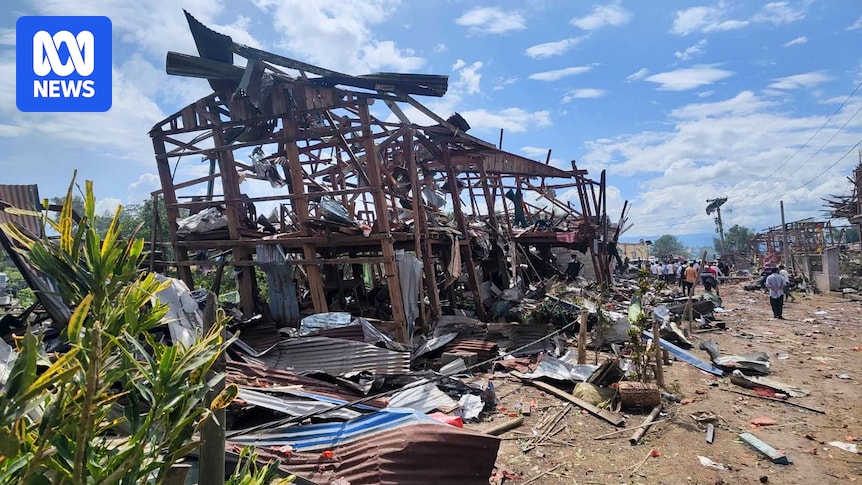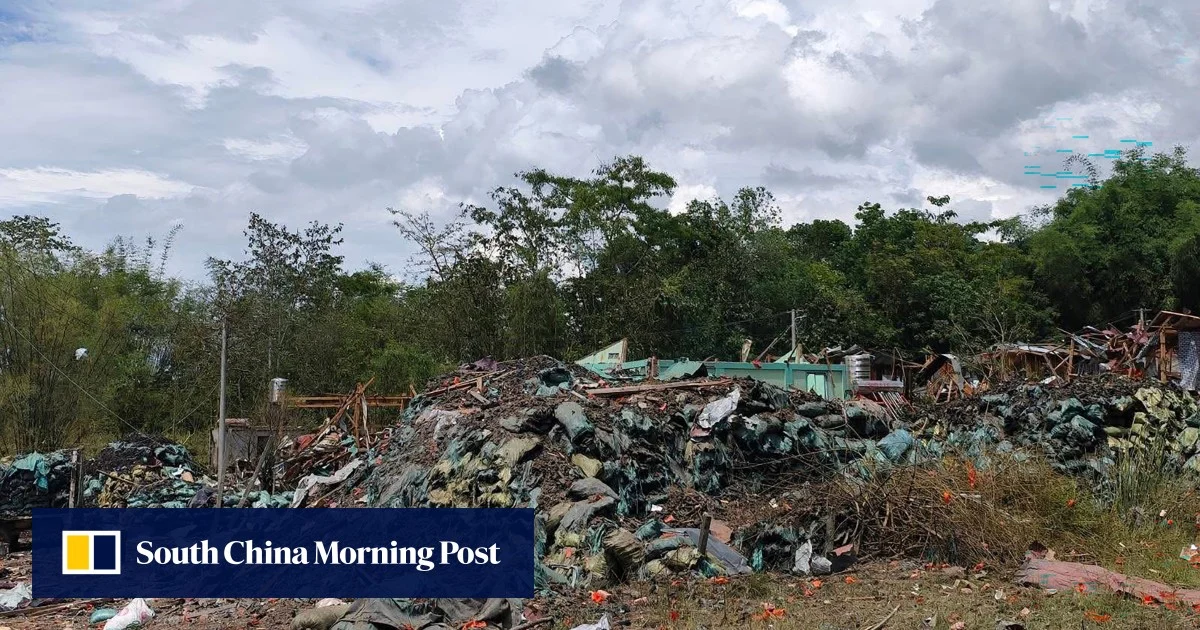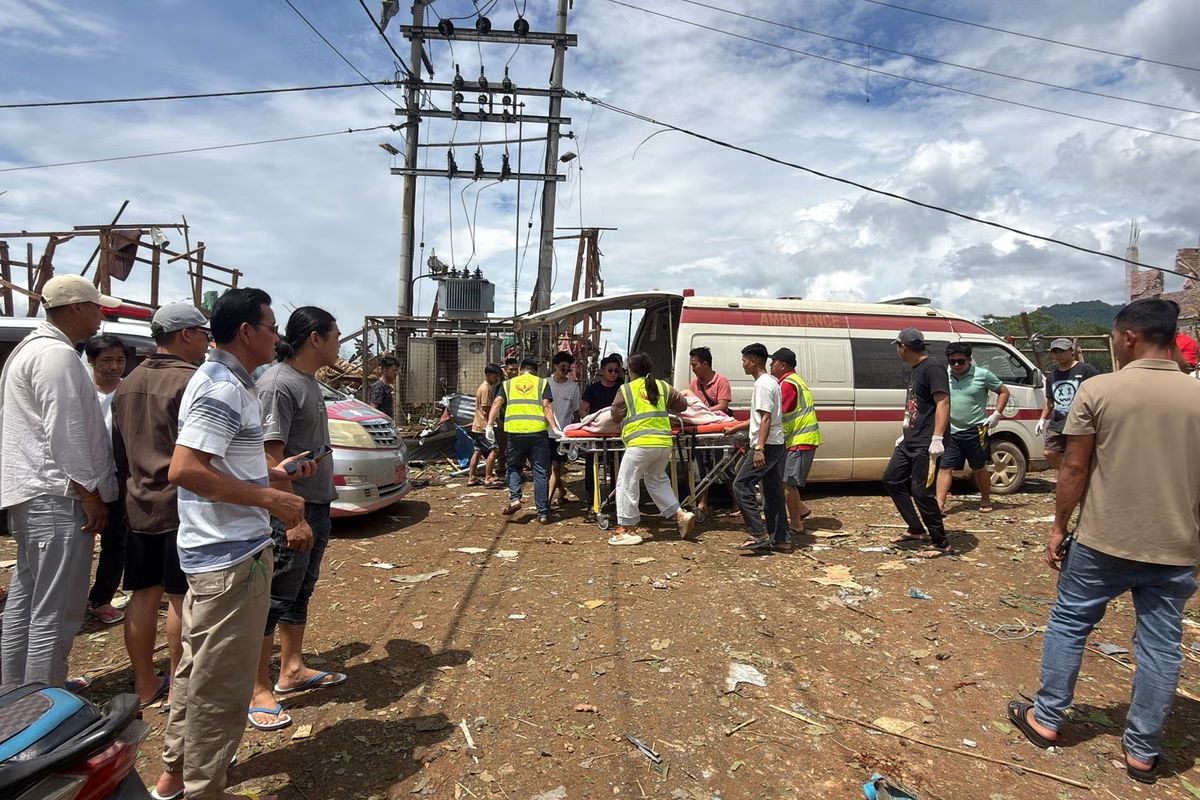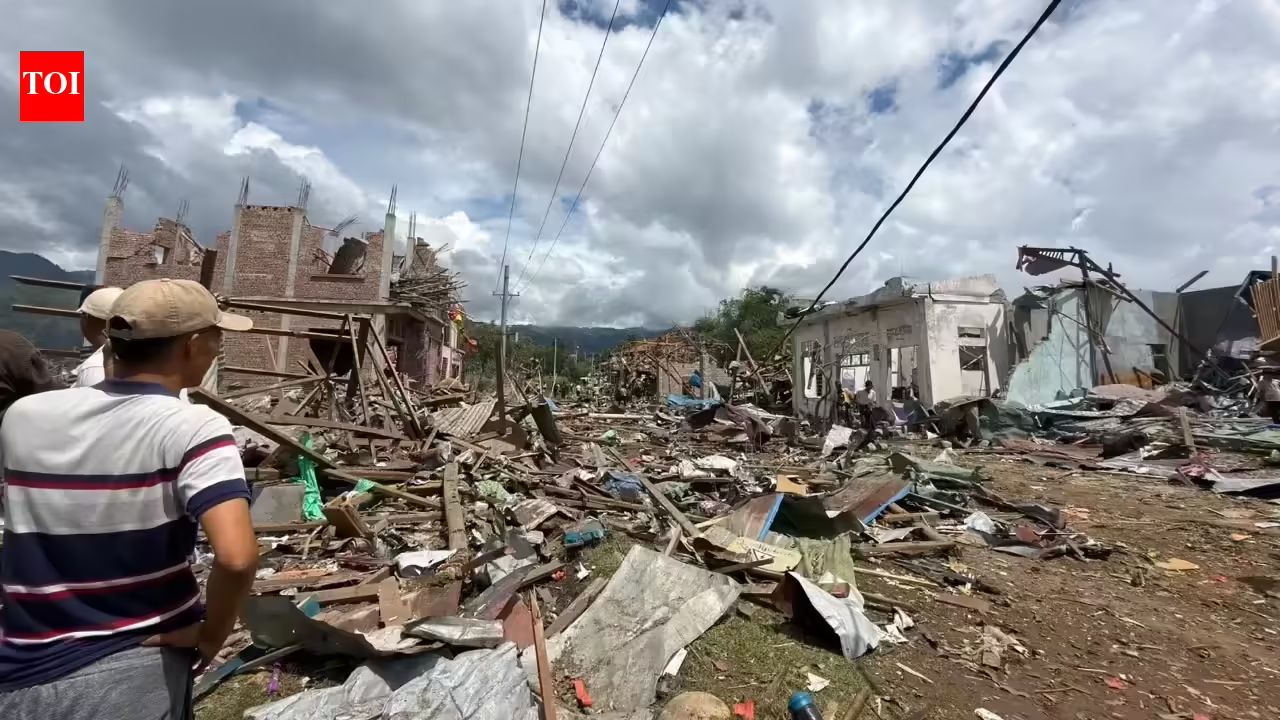
Photo credit: APThe death toll has risen to 43 in a massive blast that occurred in northeast Myanmar on Sunday. The explosion occurred from mining explosives stored in Kaung Tat village, Namhkam township in Shan state, near the Chinese border.‘Everything was completely destroyed beyond recognition. It was as if the entire village had just vanished’, resident Moe Z told Reuters. He said there were limbs and bodies scattered over the area, with a massive crater where the explosives had been stored.Site of explosionOn Monday, the Ta'ang National Liberation Army, the ethnic rebel group that controls the area, said in a statement that the death toll includes seven children.According to the group, 112 people, including 25 children, were injured, with 37 in critical condition, raising concerns that the number of fatalities could increase.Previous estimates from rescue workers had ranged from 38 to 45. Determining the exact toll has been complicated because bodies were blown apart by the explosion."Rescue operations and the compilation of casualty figures were still underway," said the statement.According to AP, more than a dozen rescue and charity groups used excavation machinery to recover the bodies. Residents of the village reported that they were never told explosives were being kept there.The blast involved gelignite used in local mining and stone quarrying. Although gelignite is commonly used, it becomes highly unstable over time when improperly stored. An investigation into the specific cause of the explosion is underway, TNLA said.Many of Myanmar's resource-rich areas, where most mining operations have been largely unregulated, are controlled by different armed militias engaged in sporadic fighting against the central government to seek greater autonomy. Accidents, such as deadly landslides, are fairly common.The incident has cast a spotlight on Myanmar's lucrative but largely unregulated mineral industry and Chinese investment in the country's extractive industries.Myanmar's mining industry is a major global provider of rare earth elements, copper, tin, and precious gems, especially jade and rubies, and is the main supplier to China, where the extracted materials are processed and refined.China maintains a complex role as a top ally to Myanmar's military-backed government while also fostering relations with the ethnic minority groups.Chinese foreign ministry spokesperson Lin Jian in Beijing expressed deep condolences and confirmed that a Chinese national injured in the blast is receiving medical treatment. Beijing has pledged assistance in handling the aftermath.The TNLA, part of the Three Brotherhood Alliance, seized control of the Namhkam area in late 2023 during a major offensive against the military government. This conflict is part of the broader turmoil following the February 2021 military coup, which ousted the elected government of Aung San Suu Kyi and triggered widespread armed resistance.While the TNLA signed a China-mediated ceasefire with the military in late 2023, peace in the region is shaky, and extraction of minerals and gemstones provides critical income for both the central government and the rebel groups fighting against it.Apologising for the accident, the group said it would work to prevent a repeat of the tragedy and would hold those responsible accountable.
'Village just vanished': Death toll rises to 43 in Myanmar mining blast
The death toll has risen to 43 in a massive blast that occurred in northeast Myanmar on Sunday. The explosion occurred from mining explosives stored in Kaung Tat village, Namhkam township in Shan state, near the Chinese border.
500 words~2 min read