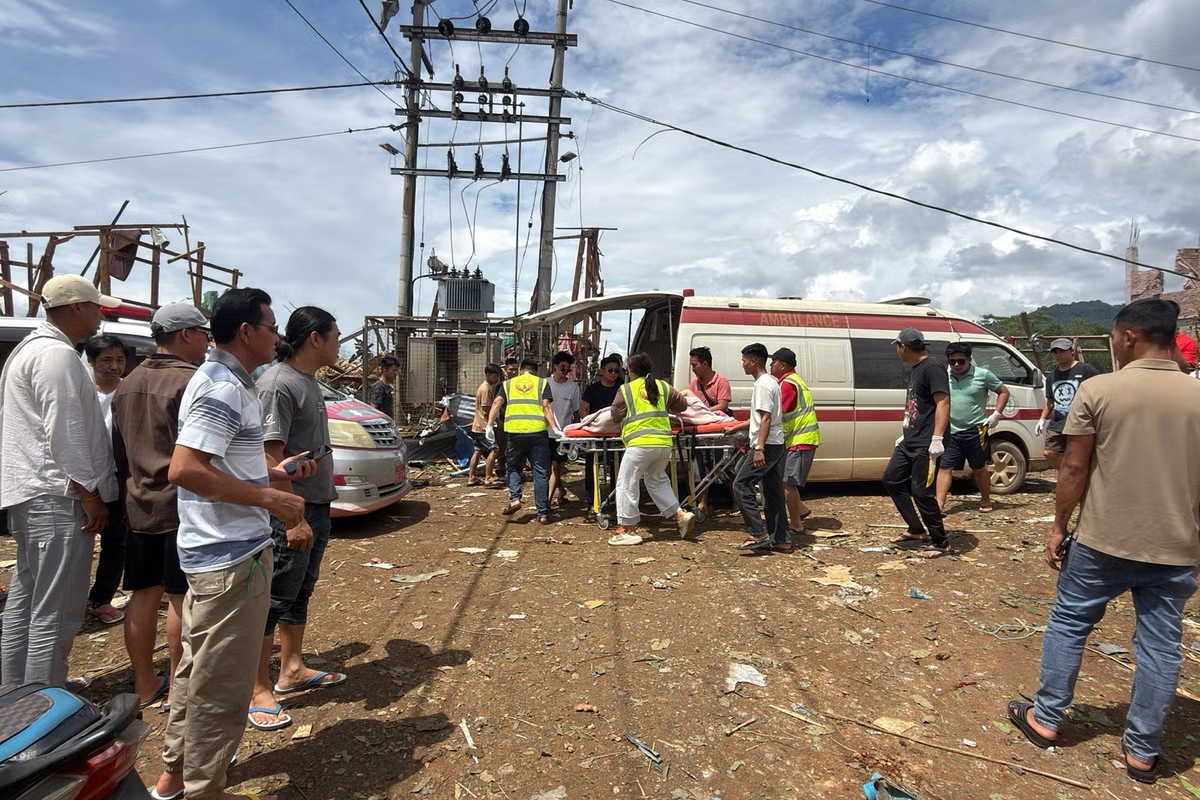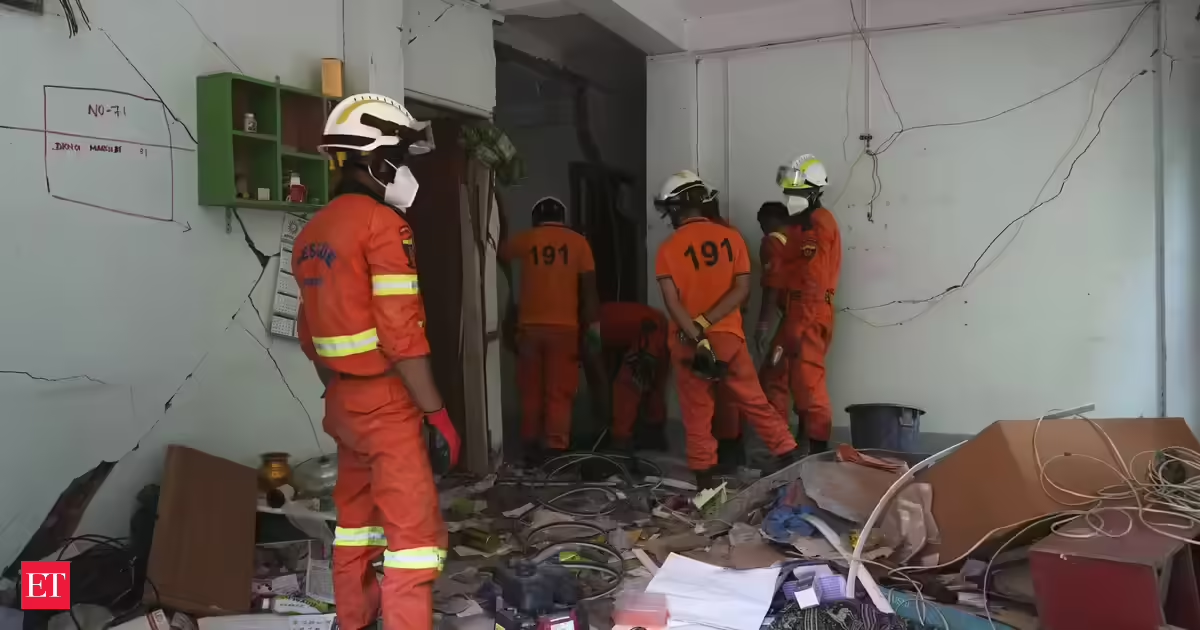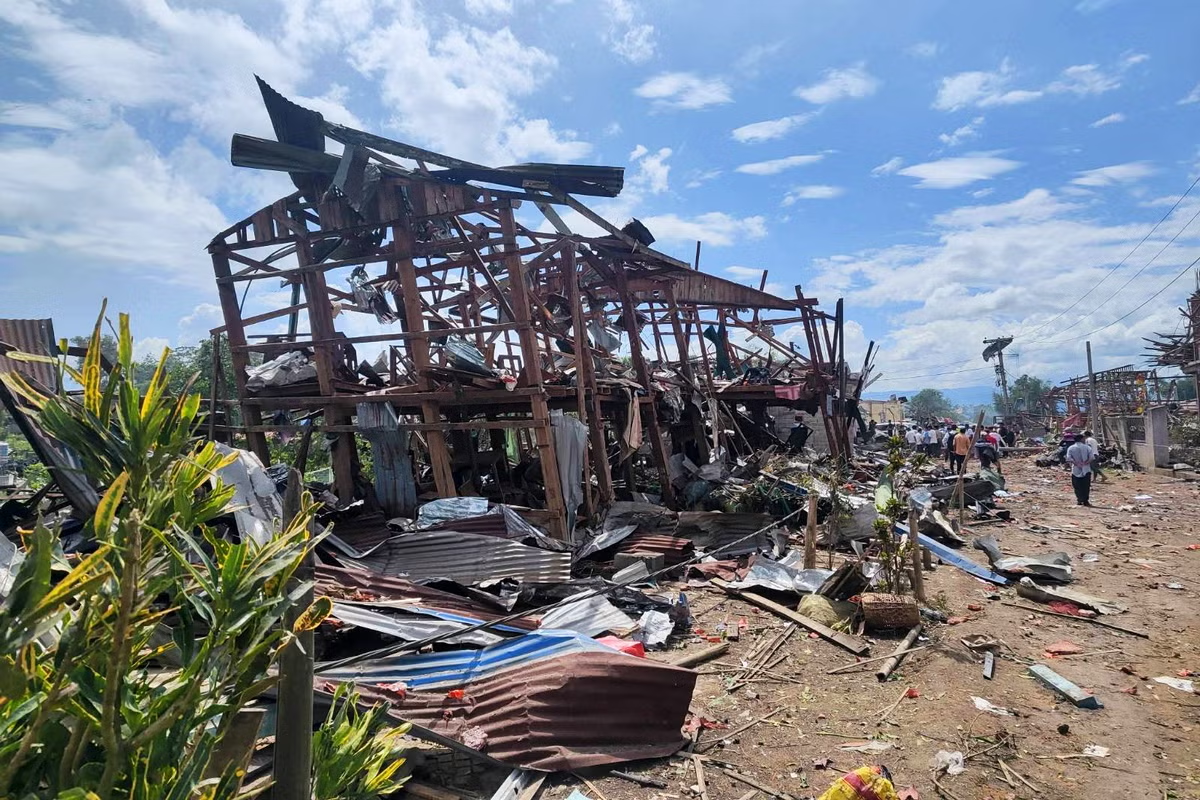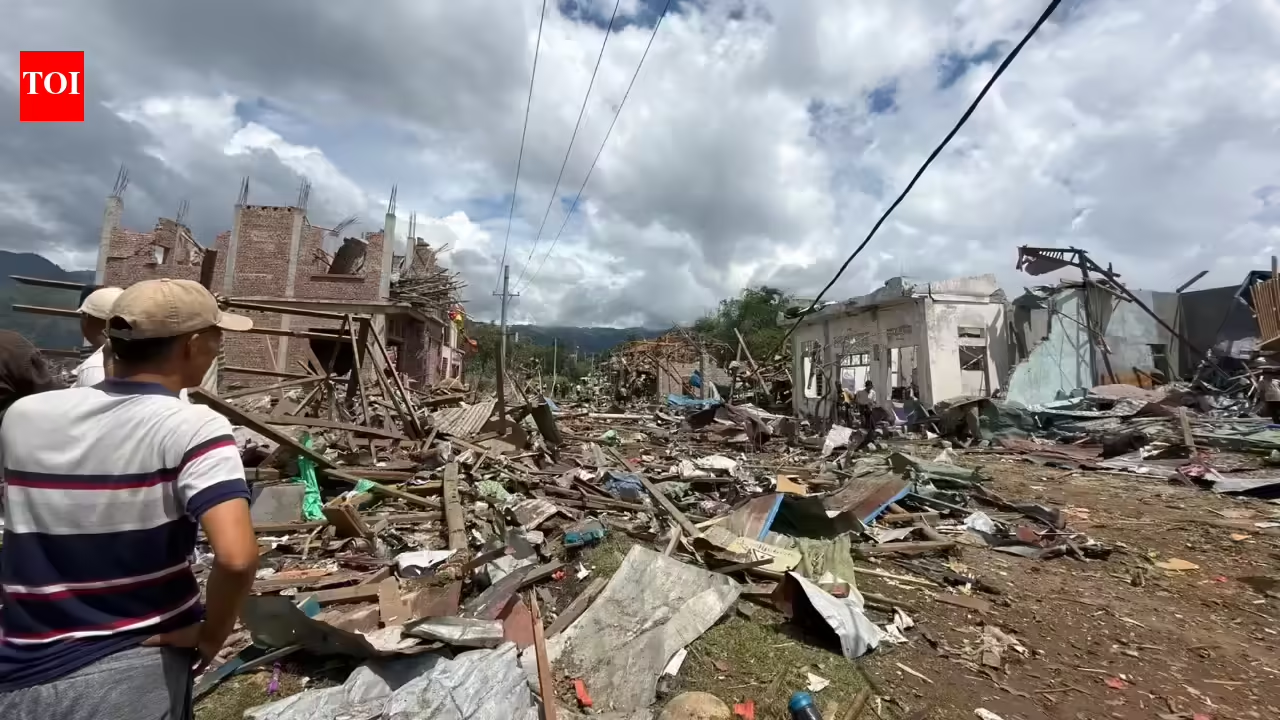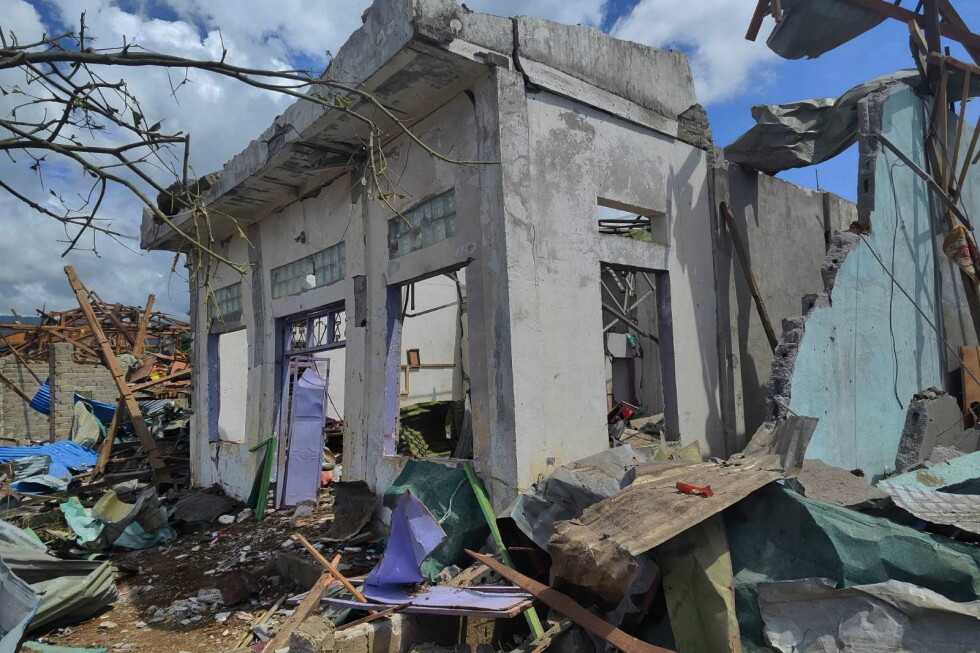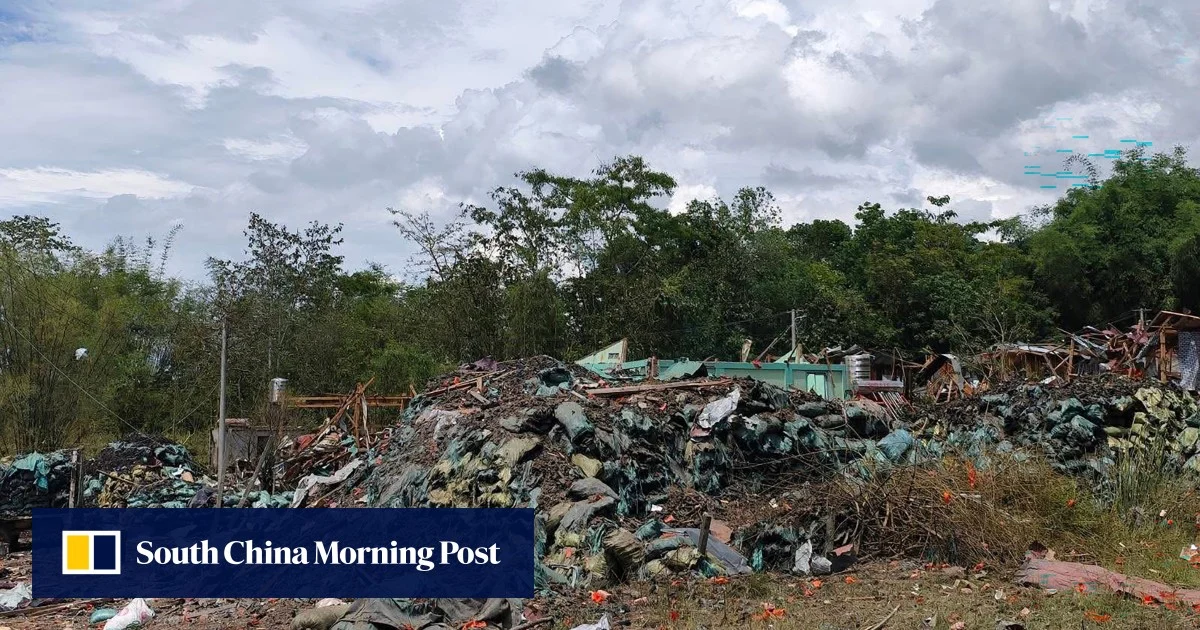
More than a dozen rescue and charity groups used excavation machinery on Monday to recover bodies following a massive blast from stored mining explosives in northeastern Myanmar.The explosion occurred on Sunday at noon in Kaungtup village, Namhkam township in Shan State near the Chinese border. Initial reports had suggested there were at least 45 deaths, but local rescue volunteers now put the number of dead at 38-40. Determining the exact death toll has been complicated because several bodies were blown apart by the force of the explosion.Many of Myanmar’s resource-rich areas, where most mining operations have been largely unregulated, are controlled by different armed militias engaged in sporadic fighting against the central government to seek greater autonomy. Accidents, such as deadly landslides, are fairly common.The Ta’ang National Liberation Army, or TNLA, an ethnic armed group that controls the Namhkam area, said Sunday’s blast involved gelignite used in local mining and stone quarrying. Although gelignite is commonly used, it becomes highly unstable over time if stored poorly.Residents of the 200-household village reported that they were never told explosives were being kept there.An investigation into the specific cause of the explosion is under way, the TNLA said.01:06Dozens killed in Myanmar’s Shan state after blast at mining explosive storage facility
Rescuers dig for bodies after Myanmar explosives blast kills at least 38
The incident has cast a spotlight on Myanmar’s largely unregulated mineral industry and Chinese investment in the country’s extractive industries.
TL;DRAI
Stored gelignite exploded at a mining depot in Namhkam, Shan State, Myanmar on Sunday killing at least 38; the exact toll is uncertain as the blast scattered remains across the site. Myanmar's militia-controlled resource extraction zones operate without safety oversight, making unregulated explosives storage a systemic risk rather than an isolated incident.
207 words~1 min read