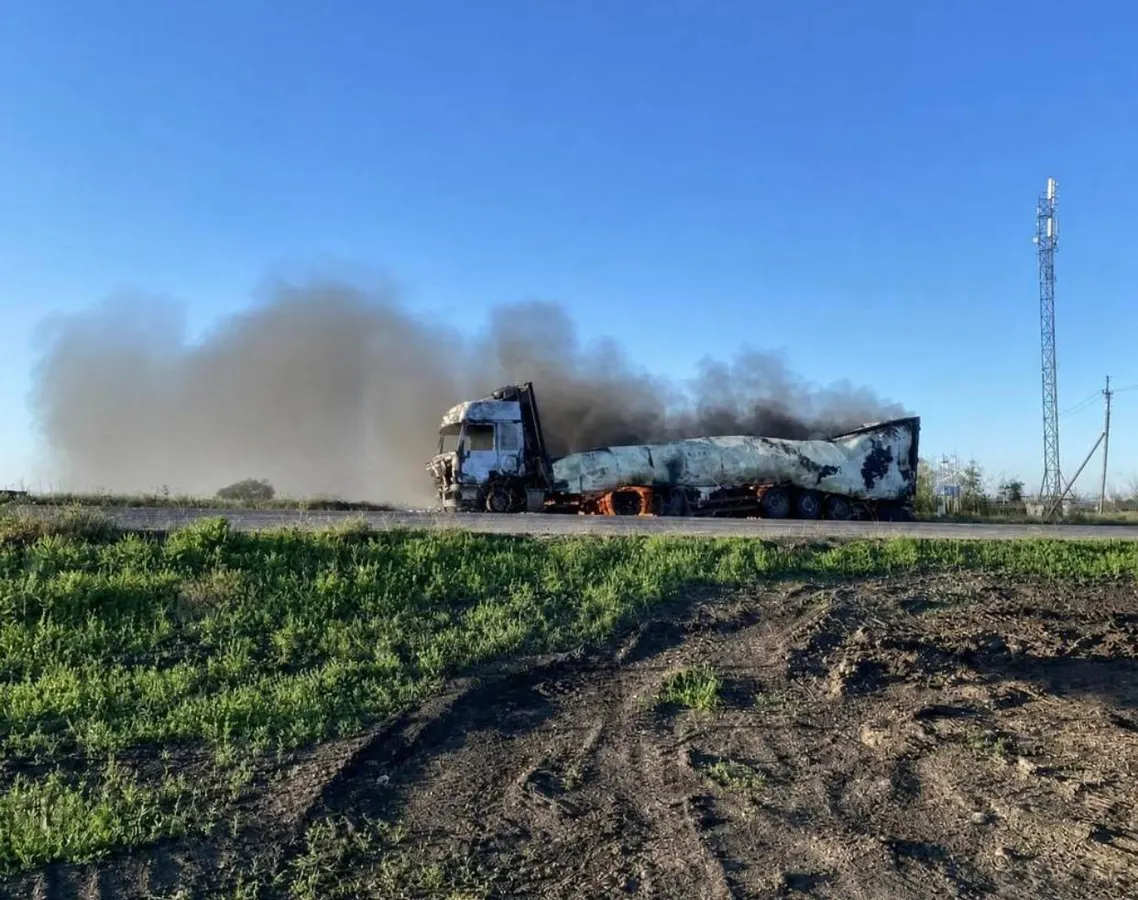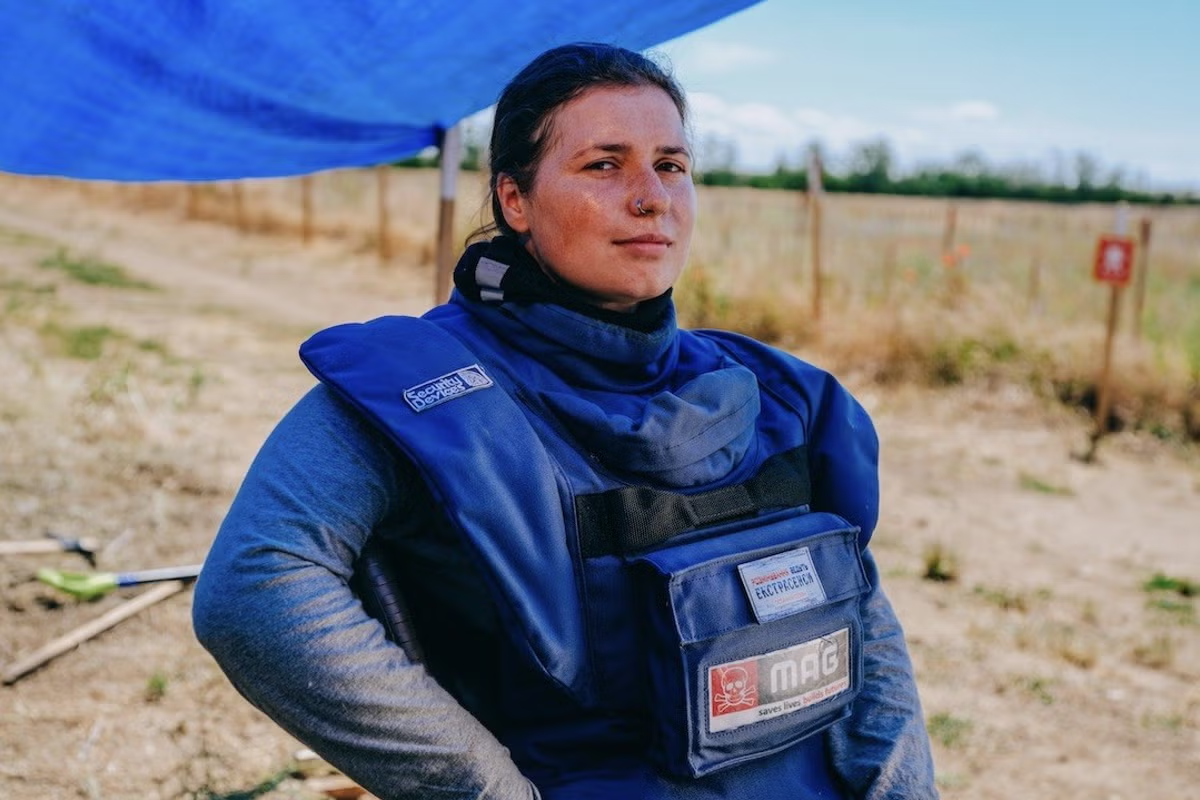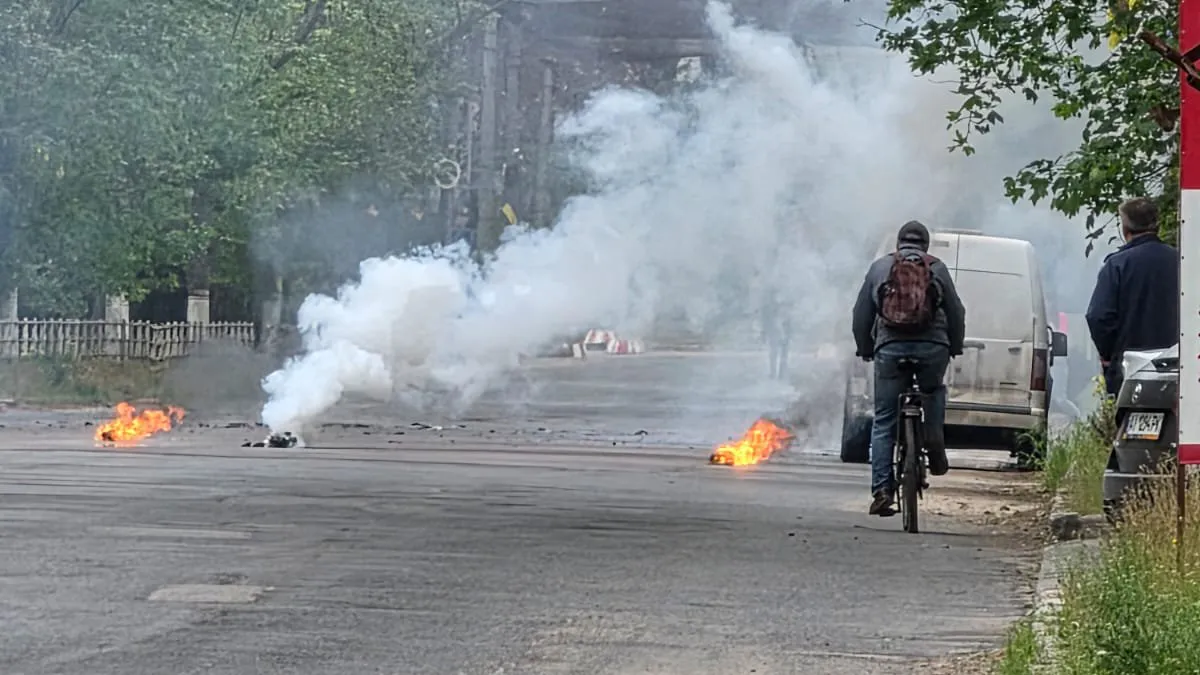
When she leaves home every day in Kherson, Natalia Sergienko is never sure if she will come back alive. For her and every inhabitant of this Ukrainian port city, a new lethal threat lies in wait: hundreds of disguised landmines systematically seeded onto pavements, sports fields and bus stations by Russian drones.
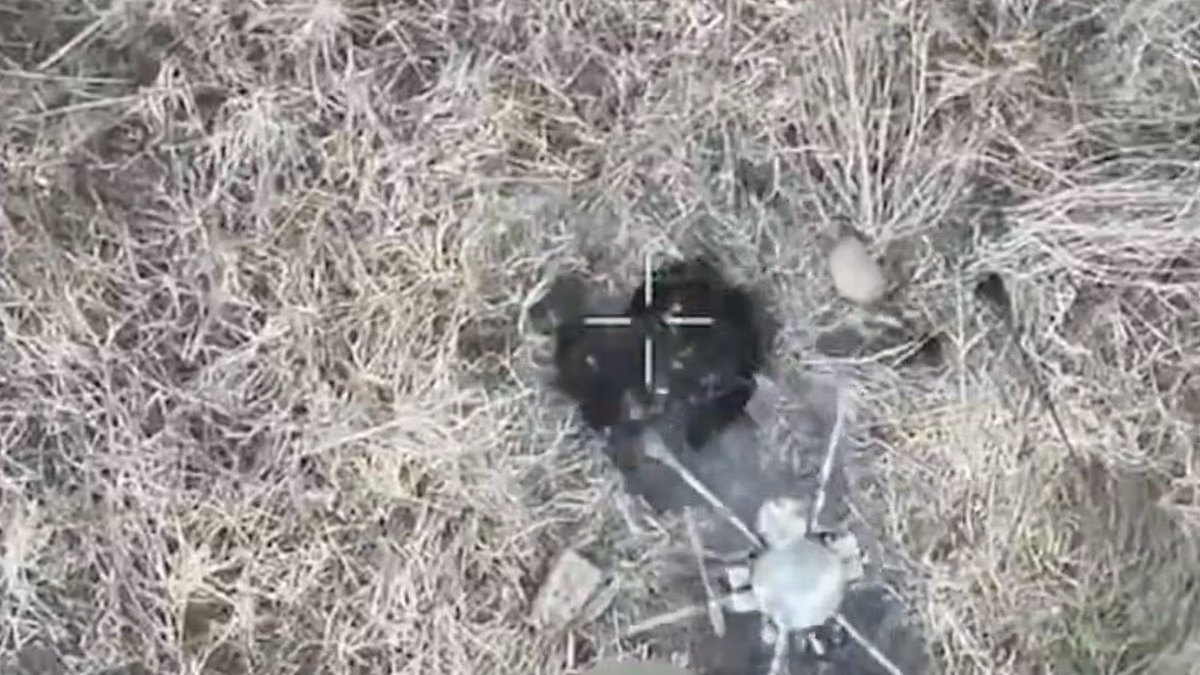
Moscow’s forces, situated just over a kilometre from the centre of Kherson on the opposite bank of the Dnipro River, have intensified their campaign against the city by routinely deploying two novel types of booby trap: so-called “rag mines” wrapped in clothing or textiles, and tiny anti-personnel devices known as “gingerbread mines”, which are the size of an ice hockey puck and can blow off an adult’s leg.
The devices, scattered randomly by small first-person view (FPV) drones, are the latest evolution of a Kremlin strategy to harness the ubiquity of cheap unmanned aerial vehicles (UAVs) to bring war to the heart of civilian populations.
It is a lethal tool of harassment whose threat to mainland Europe, and potentially the UK, was underlined last week when a Russian Shahed-type drone slammed into a Romanian apartment block as Moscow tests Nato’s defences and appetite for confrontation.